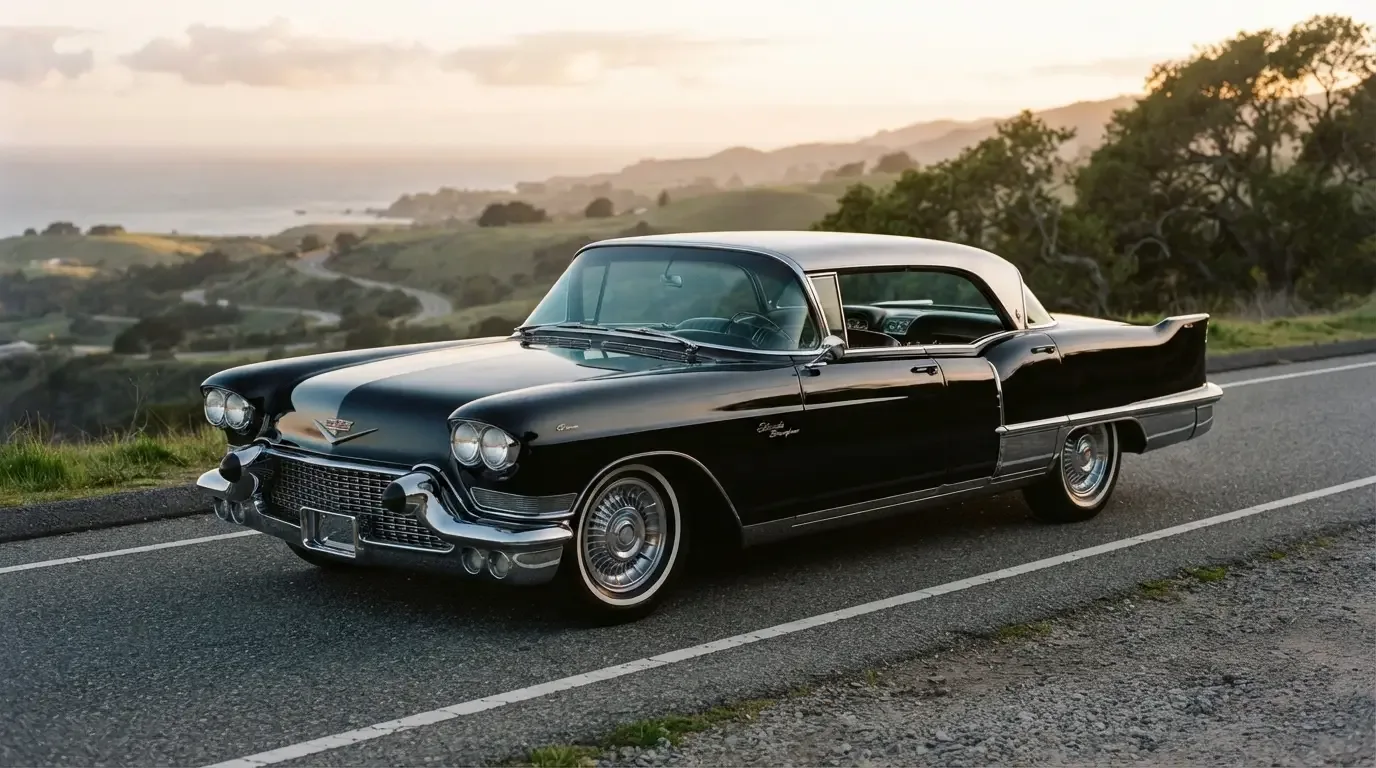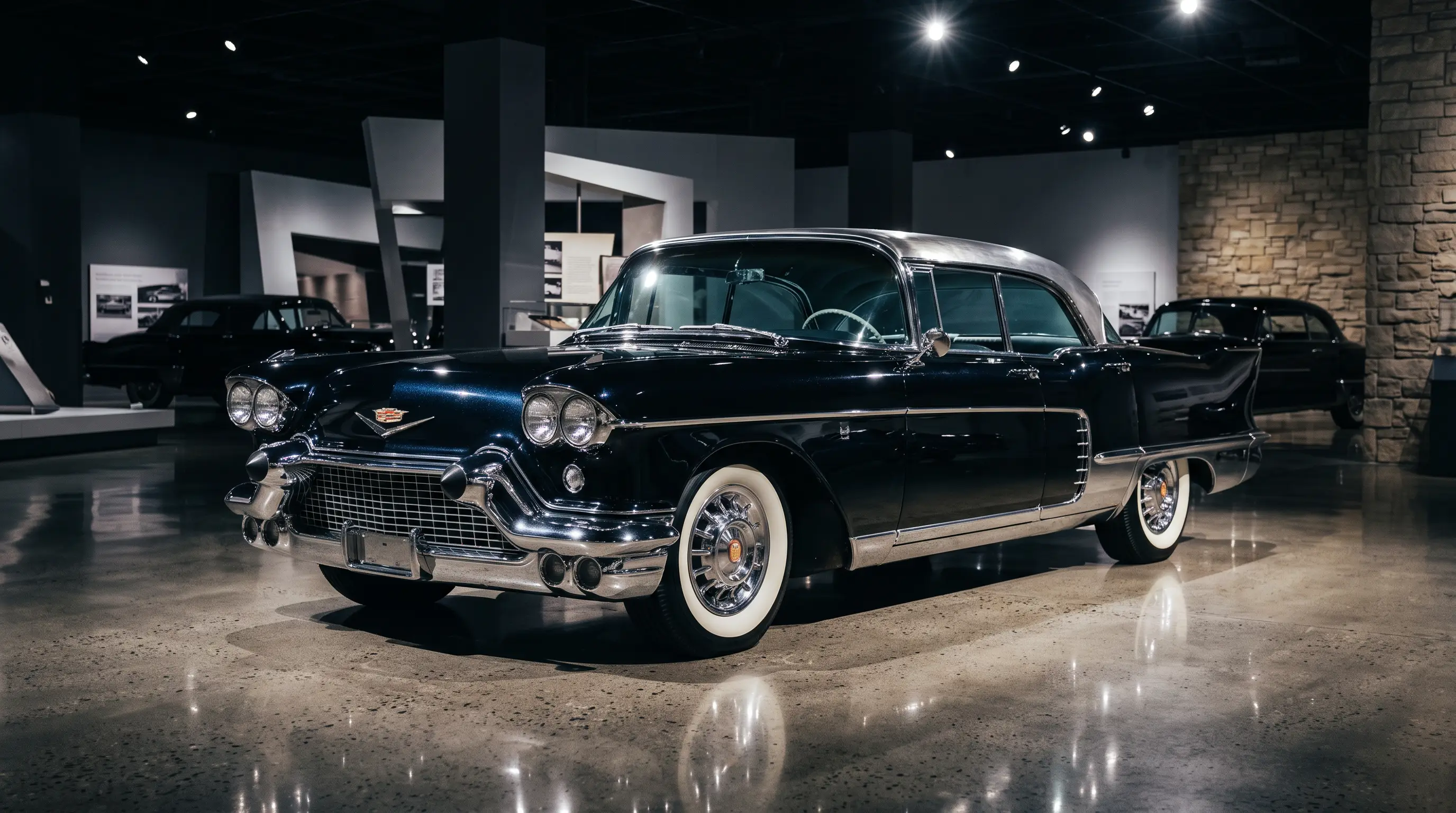
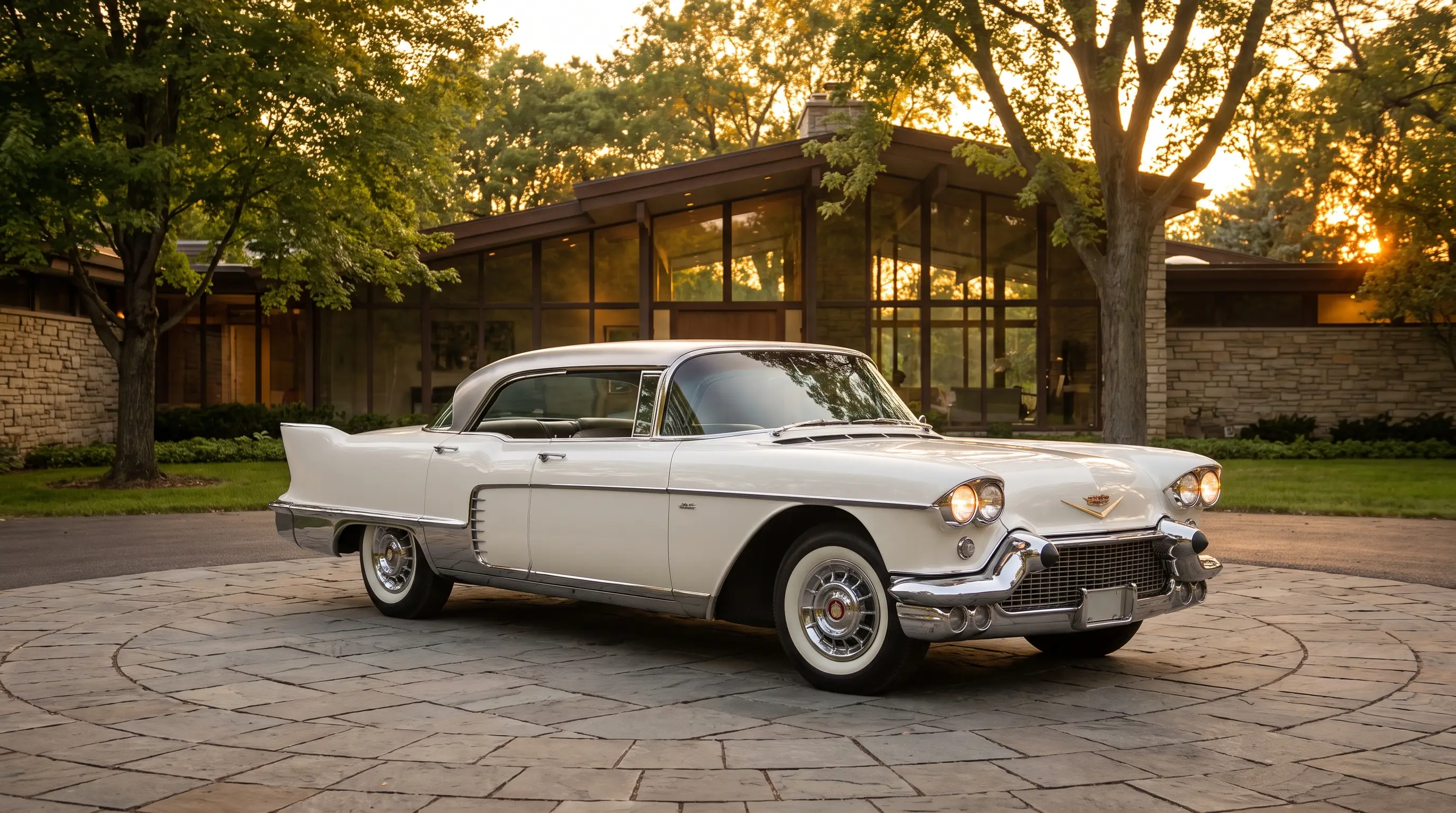
Sticker prices rarely make headlines sixty years after the fact, but the eldorado brougham price rolls royce comparison has stuck around in Cadillac folklore precisely because it upended what American buyers assumed about their own domestic luxury brand. In 1957, Cadillac's flagship four-door hardtop carried a price tag that sat at or above a Rolls-Royce Silver Cloud, a fact that stunned plenty of contemporary shoppers who had grown up believing British and European marques automatically commanded the top of the market.
A number nobody expected from Detroit
The Eldorado Brougham launched at a list price of $13,074, a figure that placed it comfortably above a standard Cadillac and, by most period accounts, several thousand dollars above a Rolls-Royce Silver Cloud sold in the American market at the time, making the Brougham one of the most expensive production cars sold anywhere in the world for 1957. For a domestic manufacturer to price a car above Rolls-Royce money was almost unheard of in the mid-1950s American market, where the unspoken assumption was that European coachbuilders owned the very top tier and Detroit competed everywhere below it.
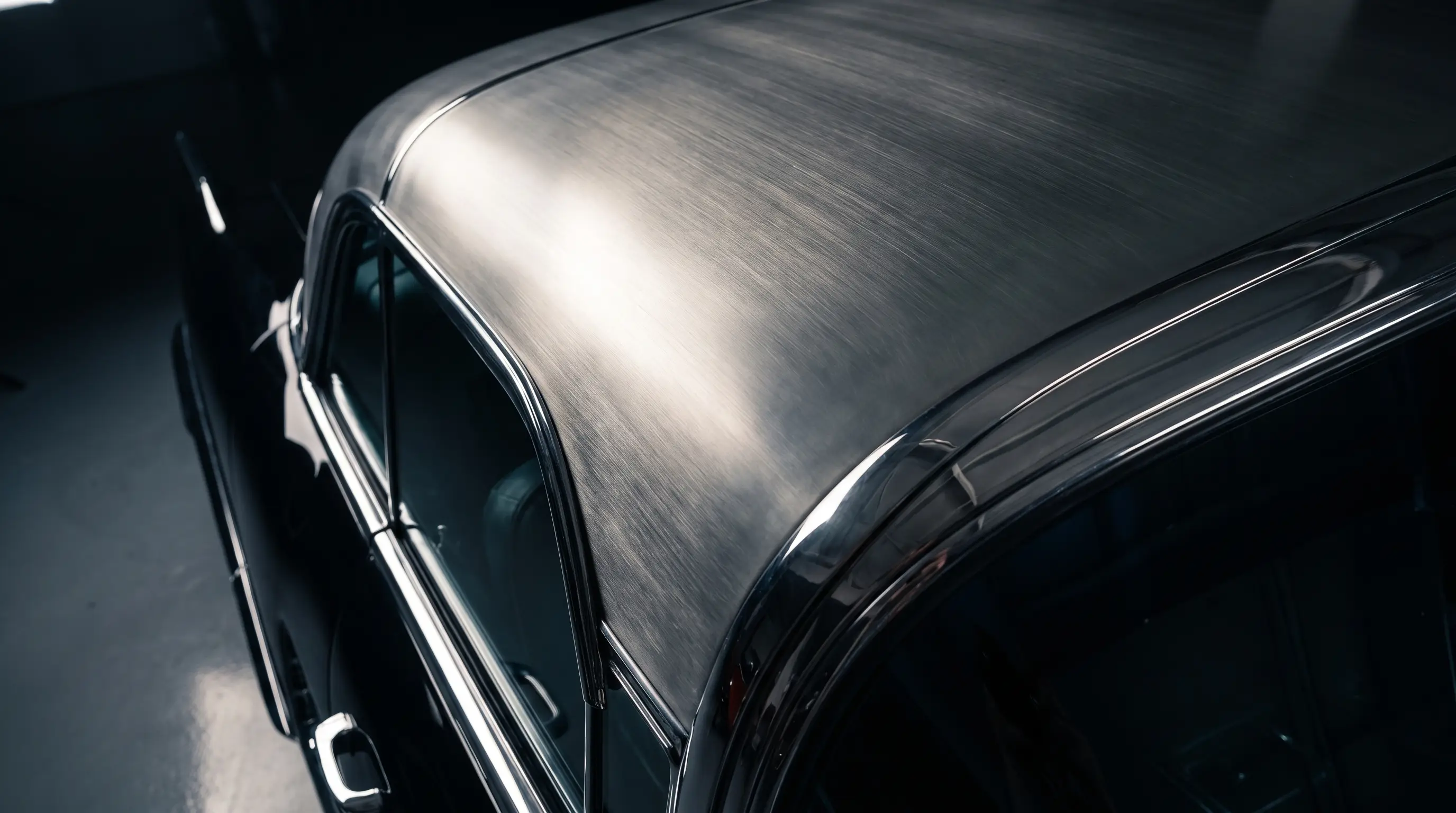
Cadillac broke that assumption on purpose. The Brougham was engineered and built specifically to justify a price at that level, with hand fitting, a stainless steel roof, air suspension, and a cabin full of details that most American cars of the period never attempted, all aimed at proving the company could build something worthy of standing next to the best cars in the world rather than simply the best cars from Detroit.
Why Cadillac accepted losing money on it
Even at that elevated price, Cadillac reportedly did not turn a profit on individual Broughams, since the hand-built assembly process and premium materials cost more to produce than even a Rolls-Royce-level sticker price could recoup. GM is estimated to have lost around $7 million combined on the 704 Broughams built for 1957 and 1958, roughly $10,000 per car. That math only makes sense if you understand the Brougham as a halo project rather than a standard product line entry. Cadillac wanted the headline, the press coverage, and the perception shift that came from a domestic car matching Europe's best on price, and it was willing to absorb a loss on every unit sold to get there.
You can read our complete history of the Brougham to see how this pricing strategy fit into Cadillac's broader ambitions for the Eldorado name during the 1950s, since the Brougham's role was never really about unit sales in the first place.
What buyers actually got for the money
Unlike a badge-only price premium, the Brougham backed up its cost with genuinely unusual engineering and craftsmanship for an American car of the period. Air suspension, a memory seat, quad headlights, and a pillarless four-door body with rear-hinged doors were not common features on any 1957 car, domestic or imported, and the level of hand finishing throughout the body and interior matched what buyers expected from a true coachbuilt car rather than a factory production model. Buyers paying Rolls-Royce money for a Cadillac were not simply paying for a badge. They were paying for features and construction quality that genuinely justified the comparison, even if the American brand name still surprised people at the country club.
That combination, real engineering ambition paired with a price that dared comparison to the establishment luxury brands, is exactly what has kept this story alive in Cadillac circles for decades. It is a much better story than a simple high price tag alone would be, because the car actually delivered something unusual for the money rather than just borrowing prestige from the number on the invoice.
"Pricing a domestic flagship at Rolls-Royce money only works as a strategy if the car backs it up, and the Brougham genuinely did. That is why the comparison still gets repeated instead of forgotten."
- David Mercer
How American buyers reacted at the time
Cadillac's traditional customer base in the mid-1950s was accustomed to being the most expensive domestic option, not necessarily the most expensive option on the block regardless of origin. Seeing a Cadillac priced alongside a Rolls-Royce forced a recalibration among buyers who had never seriously cross-shopped the two brands before. Some embraced it as validation that American manufacturing had finally arrived at the true top tier of the market, while others were simply curious enough to walk into a Cadillac showroom to see what thirteen thousand dollars actually bought, whether or not they intended to buy one.
Dealers reported that the Brougham drew crowds even among people who had no intention of purchasing, since the car functioned as much as a rolling advertisement for the entire Cadillac brand as it did a standalone product. That halo effect, prospective buyers walking in to see the flagship and leaving with a more expensive Series 62 or Eldorado Biarritz instead, was arguably worth more to Cadillac's bottom line than any profit the Brougham itself could have generated on its own.
A comparison that still gets repeated
Automotive writers and collectors have kept the Brougham versus Rolls-Royce comparison alive for decades, partly because it is a genuinely surprising fact and partly because it captures something true about American manufacturing ambition in the 1950s. It was a decade when Detroit was willing to spend real money proving a point rather than simply chasing the most profitable segment, and the Brougham stands as one of the clearest examples of that willingness in the entire postwar era. Few other American production cars from the period invite a serious price comparison with the world's most storied luxury marque, and fewer still can back that comparison up with genuine engineering rather than marketing alone.
That is also why the story travels so well outside dedicated Cadillac circles. Mention the Brougham's price at a general classic car gathering and it tends to catch the attention of people who otherwise know very little about Cadillac history, because a domestic flagship matching Rolls-Royce money is the kind of detail that reframes an entire decade of assumptions about who built the best cars in the world.
What this history means for value today
Knowing that the Brougham once dared a direct price comparison with Rolls-Royce adds real context when you are evaluating one for purchase today. The rarity that made it expensive to build in 1957 is the same rarity that makes it a serious collector car now, and the same hand-built quality that justified the original price tag is exactly what buyers should be inspecting closely before they commit, since replacing missing trim or interior pieces on a car this specialized is neither quick nor cheap. If this era of Cadillac interests you, you can find a classic Eldorado and compare what is available against the standards the Brougham itself set for the whole lineup back in 1957.