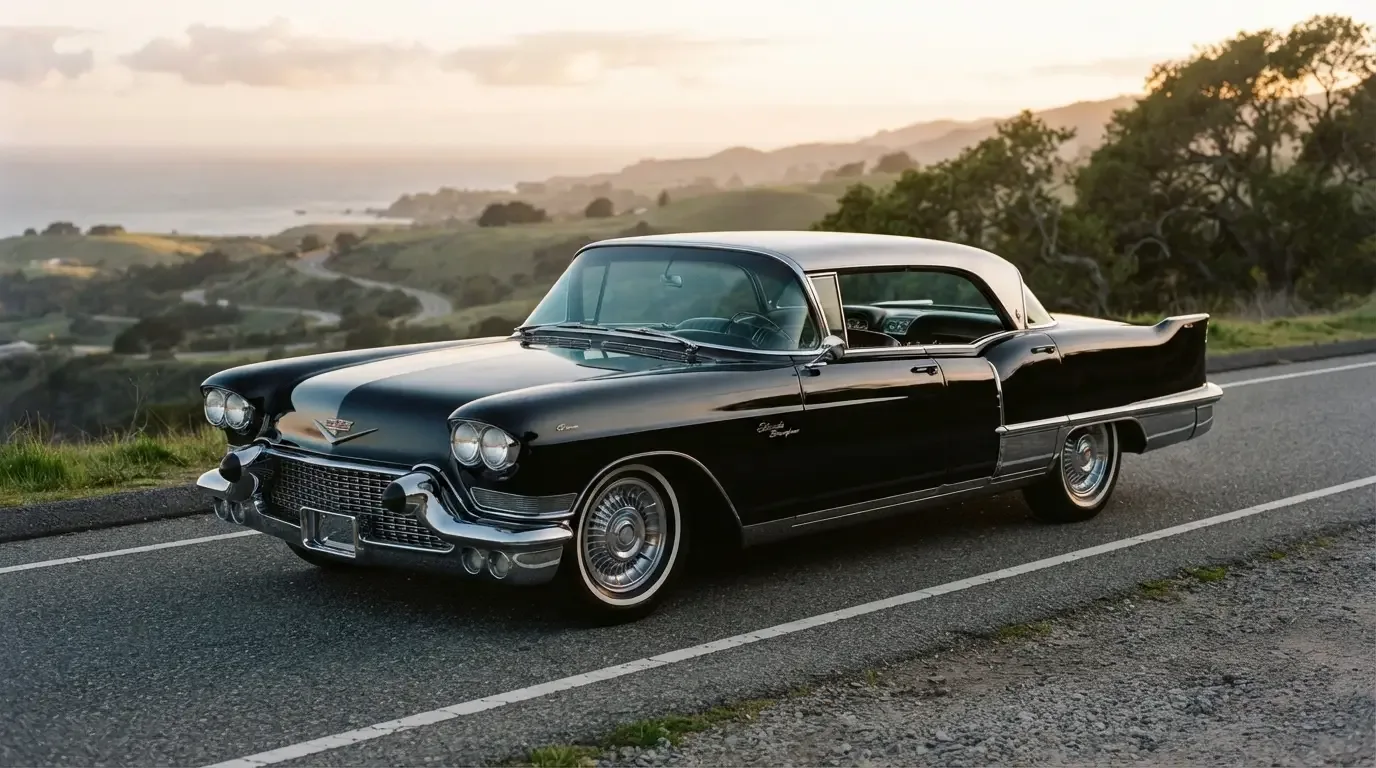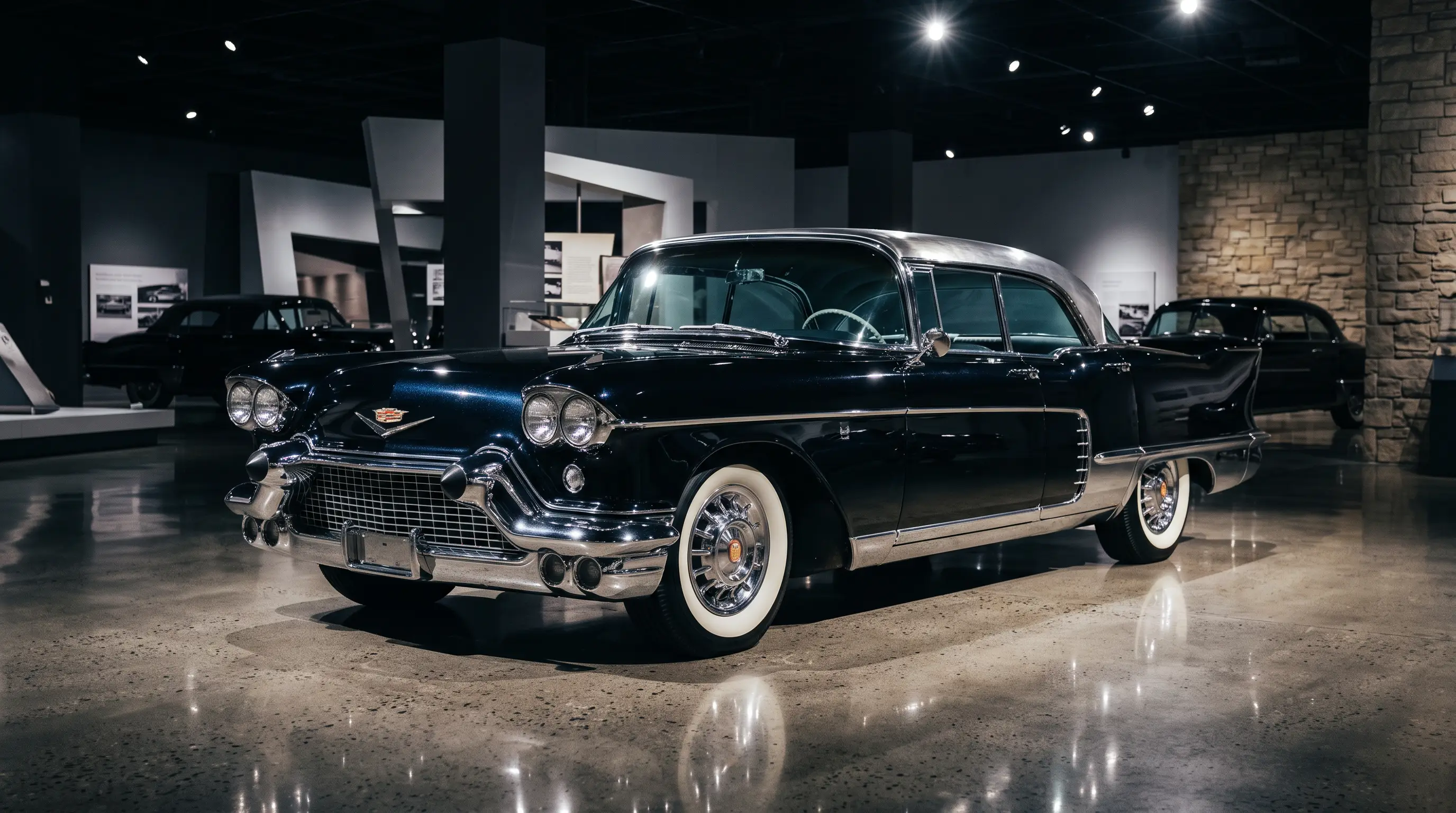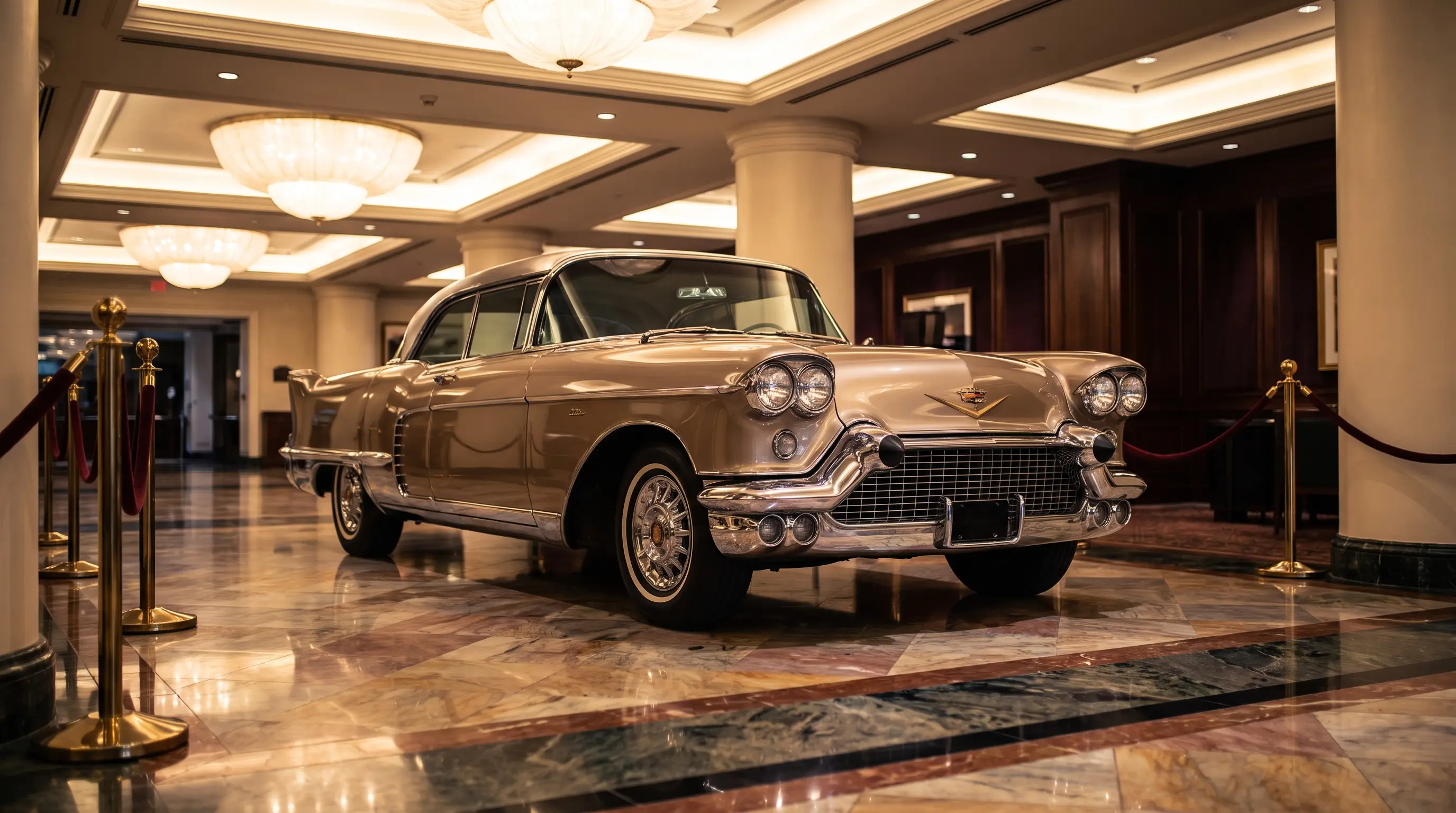
Cadillac Eldorado Brougham value has moved in one direction for most of the last twenty years, and the auction data backs that up consistently. This is the car collectors point to when they want to argue that American luxury from the 1950s deserves the same respect as European coachbuilt iron, and the sales results increasingly agree with them.
Where the numbers actually sit
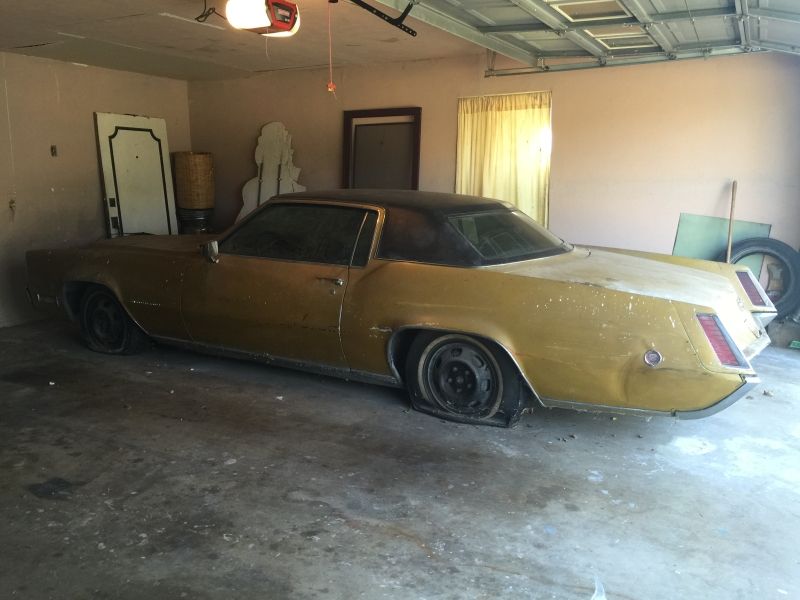
Well-documented 1957 and 1958 Broughams, the domestic hand-built cars with the stainless steel roof, have crossed the auction block in the $150,000 to $250,000 range over the past several sales cycles, with exceptional low-mile or fully restored examples pushing higher. Cars with incomplete documentation, replaced air suspension components, or significant deferred maintenance trade well below that band, sometimes by half. The spread between a top example and an average one is unusually wide for a car with such a small original production run, and that spread is the first thing a buyer needs to understand before shopping this model.
The 1959-60 Pininfarina-built cars trade in a different band entirely, generally lower than the 1957-58 originals despite being rarer in absolute numbers, because the market weighs the stainless roof and the domestic hand-assembly story more heavily than raw scarcity. That's a pattern worth remembering: rarity alone does not set price in this segment, story and originality do.
| Segment | Typical Auction Range |
|---|---|
| 1957-58 Brougham, documented, original | $150,000-$250,000+ |
| 1957-58 Brougham, incomplete or modified | $75,000-$140,000 |
| 1959-60 Pininfarina Brougham | $90,000-$170,000 |
What drives the spread
Three factors separate the top of the market from the bottom, and none of them are cosmetic. The first is the air suspension system. Original, functioning or at least present and correct air suspension components add a real premium, because so many cars had this system removed decades ago when parts became scarce and owners converted to conventional coil springs for reliability. A car that still has its original setup, even if it needs servicing, out-values a converted car by a wide margin.
The second factor is ownership history. Because Cadillac built only 400 Broughams for 1957 and 304 for 1958, buyers can often trace a specific car through most or all of its life, and a clean paper trail with period photographs, original invoices, or documented celebrity or notable ownership adds measurable value. The third factor is the stainless steel roof itself. Replacement roof panels exist, but a car retaining its factory-fitted original roof, free of dents and properly finished, commands attention that a repainted or replaced roof never quite matches.
Comparing the Brougham to its era-mates
Set against a Lincoln Continental Mark II from the same period, the Brougham consistently commands a higher ceiling at the top of the market, largely because the Cadillac's feature list, the air suspension and the stainless roof especially, reads as more genuinely experimental. Against a contemporary Rolls-Royce Silver Cloud, the Brougham trades at a discount, which makes sense given the difference in badge equity and the fact that American collectors are the primary buyer pool for this car. That regional concentration of demand is worth flagging as a risk: a Brougham does not have the same global bidder base as a comparable European car, which limits upside in a soft domestic market.
"The Brougham rewards patience more than almost any other American collector car from this era. The gap between a documented, original example and a driver-quality one keeps widening every cycle, and buyers who chase the cheap car usually end up paying twice, once to buy it and once to fix it."
- David Mercer
The buy case and the risk case
My read on the Brougham right now leans toward a cautious buy, specifically for documented, air-suspension-original examples in the middle of the price band rather than the very top. The top-tier cars have already been discovered by the broader collector market and priced accordingly, leaving less room for appreciation relative to risk. Mid-band cars with clean history but a service need or two still have room to move once the work is done and documented, assuming the buyer has realistic expectations about restoration costs on a car this specialized.
The risk case is real and shouldn't be waved away. Parts scarcity for the air suspension system means restoration costs on a converted car can run high enough to erase any price advantage over simply buying a car that already has the system intact. Liquidity is also thinner here than for a more common Eldorado convertible, so holding period matters. This is not a car to buy expecting a fast exit. For the fuller background on how the car came to exist in the first place, our complete history covers the engineering and the marketing decisions that built the reputation this price data now reflects. If you want to see what's actually available right now, current listings for a browse classic Eldorado listings search give a sense of where condition and price meet in the present market.
Where the value goes from here
Broader trends in the collector market favor cars with a genuine engineering story over cars that are simply old and rare, and the Brougham checks that box better than almost anything else Detroit built in the 1950s. As the generation that remembers these cars new continues to age out of the buyer pool, younger collectors have shown a consistent preference for cars with a documented "first" or "only" claim attached, and the Brougham's air suspension and hand-built construction give it exactly that kind of claim. Barring a broader downturn in collector car values generally, the medium-term trajectory here looks more stable than speculative, which is about as strong an endorsement as any appraiser should give a sixty-year-old car.
What condition reports tend to miss
Most condition reports for a Brougham focus heavily on paint depth, panel gaps, and interior wear, the same categories used for any collector car. That approach undersells this specific model. The air suspension system doesn't just need to be present, it needs to be evaluated for whether it actually functions or whether it's been quietly deactivated with the compressor left in place for show. I've seen more than one car described as having "original air suspension" that turned out to be a static display of period-correct parts with a conventional spring setup doing the actual work underneath. That distinction is worth a five-figure swing in a serious negotiation, and it rarely shows up clearly in a standard inspection sheet.
Buyers serious about this model should budget for a specialist inspection rather than relying on a general classic car appraiser, simply because the systems that separate a strong Brougham from a mediocre one are unusual enough that a generalist can miss them. The stainless roof, the air suspension, and the specific trim details that distinguish an early production car from a late one all require someone who has handled multiple examples to evaluate properly.
Sources and notes
- RM Sotheby's - 1957 Cadillac Eldorado Brougham, Arizona 2021
- RM Sotheby's - 1957 Cadillac Eldorado Brougham, Auburn Fall 2020
- Hagerty Valuation Tools - 1957 Cadillac Eldorado Brougham
- RM Sotheby's - 1957 Cadillac Eldorado Brougham, Hershey 2023
- New Cadillac Database - Historical Eldorados 1957-1960
- Wikipedia - Cadillac Eldorado