Strip the paint off any Cadillac Eldorado and you can still tell what decade it was born in just from the way the metal was shaped before anyone ever touched a spray gun. That is the honest way to read cadillac eldorado design history, panel by panel rather than badge by badge, and it is a story that runs from 1953 hand-built limited editions all the way to a 2002 send-off that closed the book on nearly fifty years of changing ideas about what a personal luxury coupe should look like.
1953 to 1958: hand work and tailfins
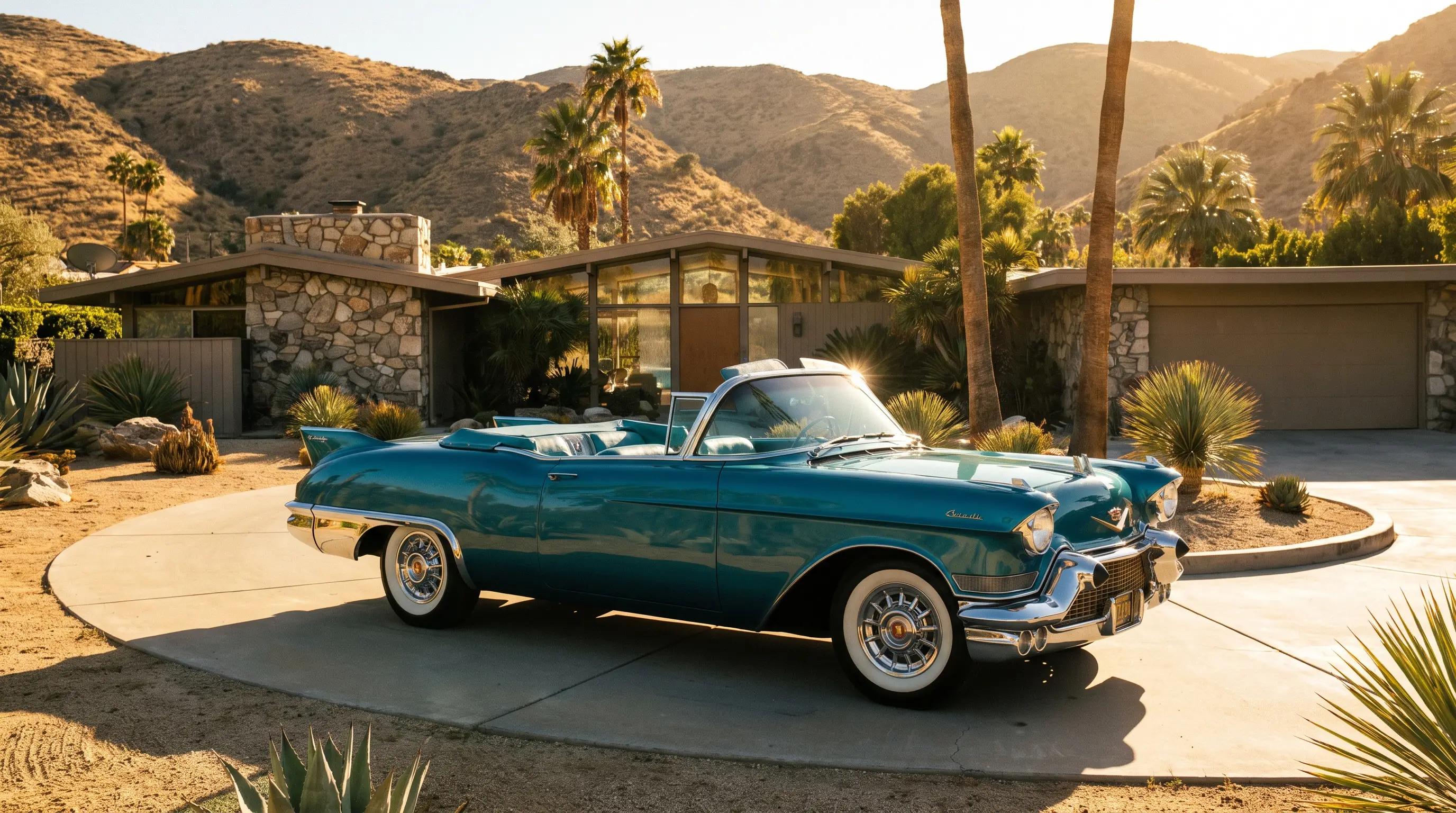
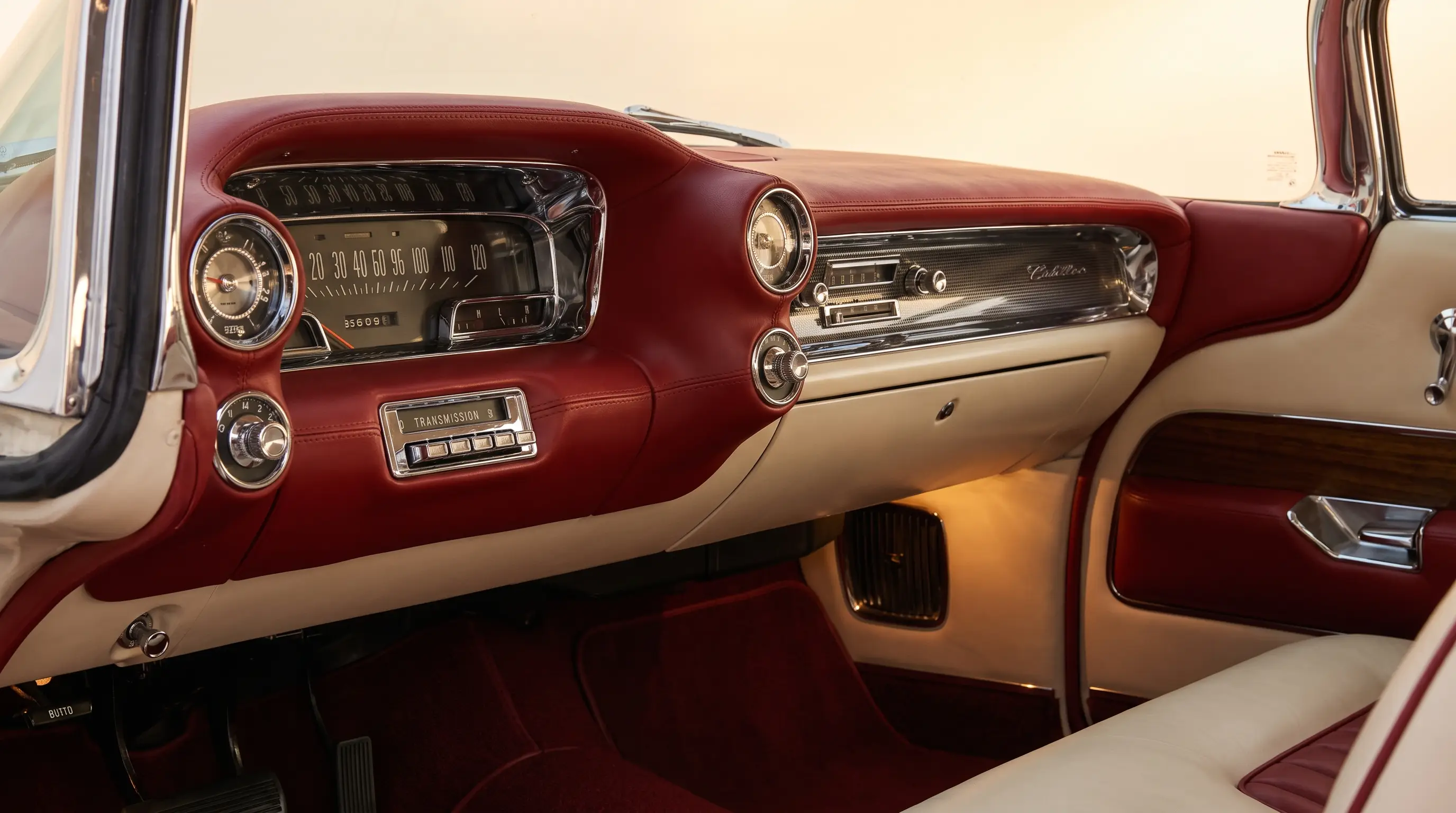
The first Eldorados were essentially specialty-bodied Series 62 convertibles, built in tiny numbers with wraparound windshields and unique brightwork that set them apart from the standard Cadillac line at a glance. By 1957 and 1958, the Eldorado Brougham took that separation to an extreme, with a stainless steel roof, quad headlamps before they were legal in most states, and a body built largely by hand outside the normal assembly process. Every panel gap and trim piece on those Broughams tells you this was a car built to prove Cadillac could out-craft anyone, cost be damned.
1959 to 1966: the fin reaches its limit
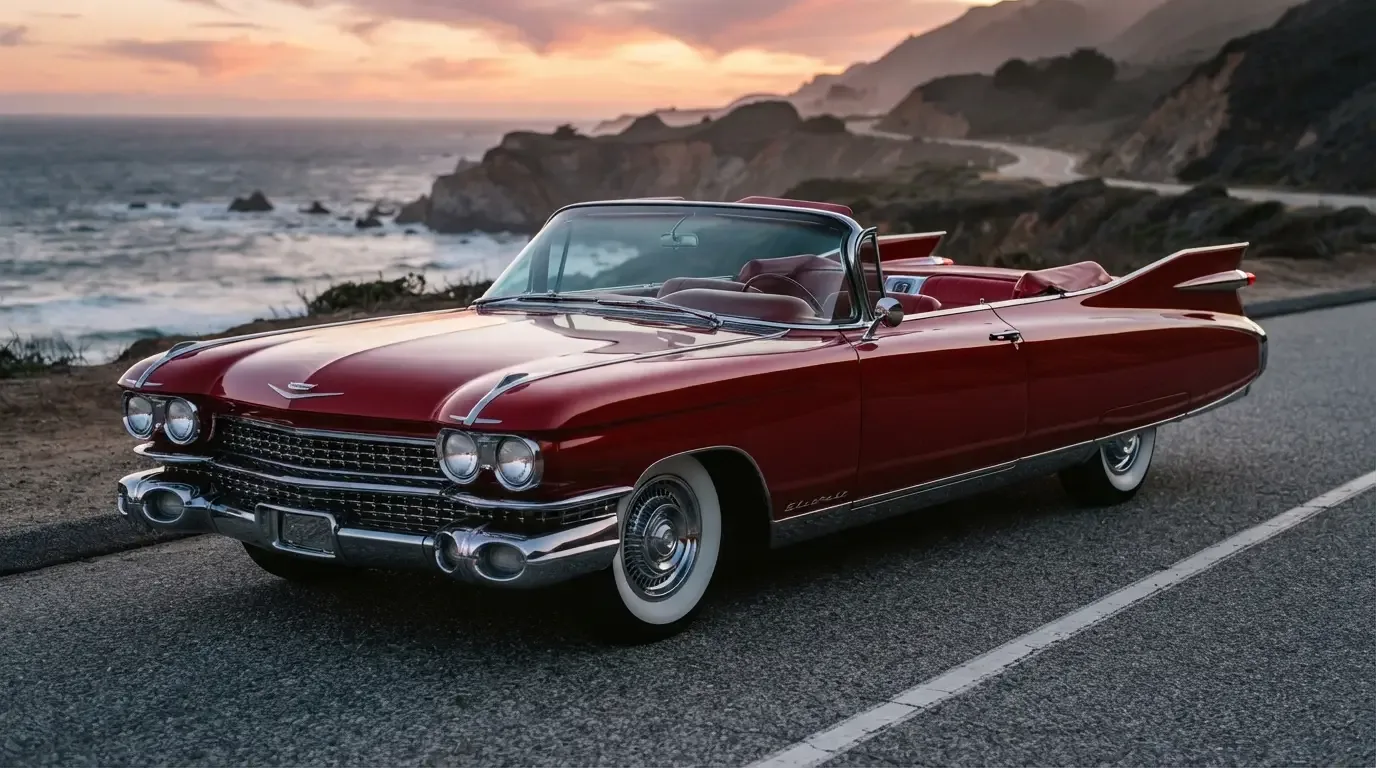
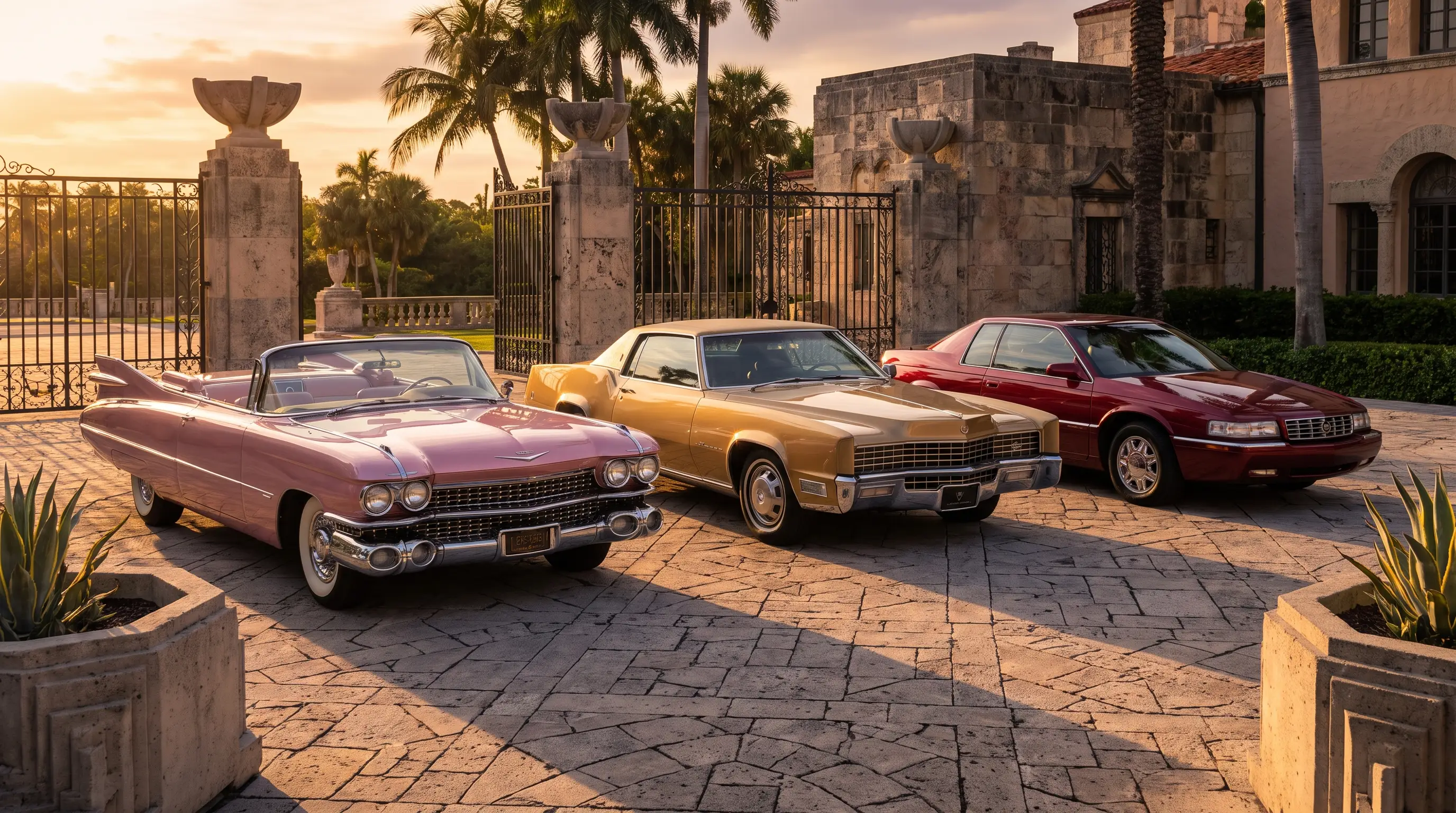
The 1959 Eldorado carried the tallest tailfins Cadillac ever built, a design statement that could not realistically go any further without becoming a caricature of itself, and the years that followed backed away from that peak gradually rather than all at once. By the mid 1960s the fins had flattened into sharp horizontal creases instead of dramatic vertical blades, and the whole body had grown crisper, more architectural, less about the jet age and more about controlled formality. This is the Eldorado that still gets pulled apart from where this started in the whole picture of the nameplate's design arc if you want the full account rather than the era-by-era breakdown here.
1967: the body that changed everything
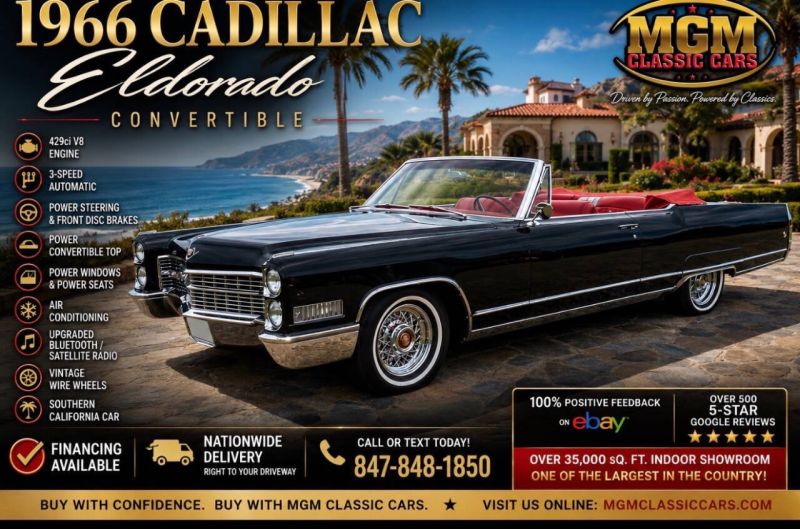
Nothing in Eldorado history moved the needle like the 1967 redesign. Moving to front wheel drive let Cadillac's designers drop the hood line low and stretch it long without a driveshaft tunnel dictating cabin proportions, and the result was a body that looked like nothing else in the American market. Hidden headlamps, a crisp beltline, and almost no ornamentation compared to the cars that came before it. This body was sculpture-clean in a way the tailfin cars never attempted to be, and it set the visual template Cadillac would chase, with diminishing success, for the next twenty years.
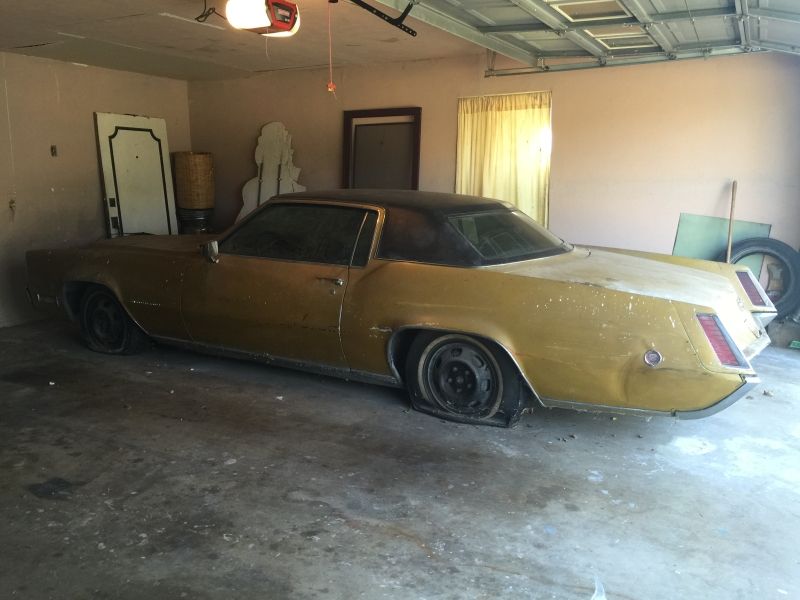
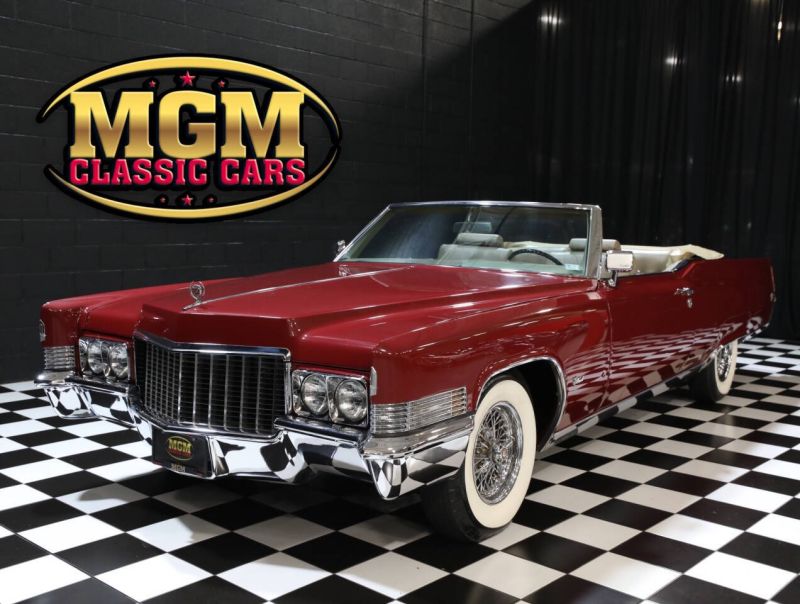
Anyone who has worked bodywork on one of these knows the panel fit on a genuine 1967 to 1970 Eldorado is tighter than most people expect from a Detroit product of that era. Cadillac took real care getting those long, unbroken lines to read clean, and it shows in how well an honest, unmolested example still presents today.
1971 to 1978: the land yacht peak
The design language ballooned through the 1970s, chasing bigger bumpers, bigger chrome, and a longer overall silhouette that culminated in the 1976 Eldorado convertible, sold at the time as the last American convertible before the body style briefly vanished from the market. These cars carry real presence, and their proportions still draw a crowd at a show, but they represent a different design philosophy than the crisp 1967 body. Bulk itself became the statement. A period-correct example wearing its original bumpers and trim, without aftermarket softening, tells that story honestly, and that is exactly how a serious restoration should treat one.
"People ask me to smooth out the trim lines on these land yacht Eldorados because they think it will look cleaner. I tell them no, because the bulk is the point. You do not correct a design decision Cadillac made on purpose just because it is not fashionable this decade."
- Jim Vasquez
1979 to 2002: shrinking to survive, then finding its footing again
Cadillac trimmed the Eldorado's dimensions in 1979, tightening the proportions without abandoning the wide, formal grille and the long hood that buyers expected. This generation is often overlooked between the dramatic 1970s land yacht and the more shocking 1986 downsizing, but it represents Cadillac testing how much size it could remove before the Eldorado stopped reading as a flagship. The body panels on these cars are noticeably crisper and less ornamented than the 1970s cars, a quiet preview of the bigger change still to come. Bumper design in particular got lighter and less aggressive here, dropping some of the sheer chrome mass that defined the 1971 to 1978 cars while keeping the formal roofline buyers still expected from a flagship coupe.
The 1986 downsizing that followed was the harshest cut in Eldorado design history, dropping length and width dramatically and drawing sharp criticism from longtime buyers who felt the car had lost its identity. The new front drive platform shared more structure with lesser Cadillac and General Motors products than any Eldorado before it, and the styling struggled to hide that kinship in its first few seasons. Panel gaps tightened, but the proportions felt compromised, a coupe wearing a smaller car's dimensions and hoping nobody noticed.
Cadillac spent the rest of the decade and into the 1990s clawing that presence back, and the redesigned 1992 body, joined by the Northstar V8 from 1993 on, finally found a confident shape again, with smoother, more aerodynamic surfacing that suited the era's engineering better than a scaled-down land yacht ever could. Bodywork on these later cars uses far more compound curves than anything from the 1970s, a shift driven as much by wind tunnel testing as by taste, and it changed how panels get repaired today since flat patch work simply will not match those surfaces. The final 2002 Eldorado Collector Series closed the design story on that note, a body language that had made peace with its own decade rather than chasing the scale of decades past.
Fifty years of body panels tell a more honest history than any brochure. Every era here made a real bet on what a personal luxury coupe was supposed to communicate, and every one of those bets shows up in the metal if you know where to look, from the hand-formed brightwork of a 1958 Brougham to the wind-tunnel curves of a 1990s Northstar coupe. That is the real value of tracing this car generation by generation instead of taking Cadillac's marketing copy at face value.
None of these design chapters happened by accident, and none of them happened without pushback from buyers who preferred whichever version they had grown up wanting. That tension between what Cadillac wanted to build and what the market was ready to accept is the real thread running through fifty years of Eldorado sheet metal, more than any single fin or bumper ever could be on its own. If you want to see how those decades of design decisions hold up in person, current listings let you shop classic Eldorado listings spanning nearly every generation covered here.