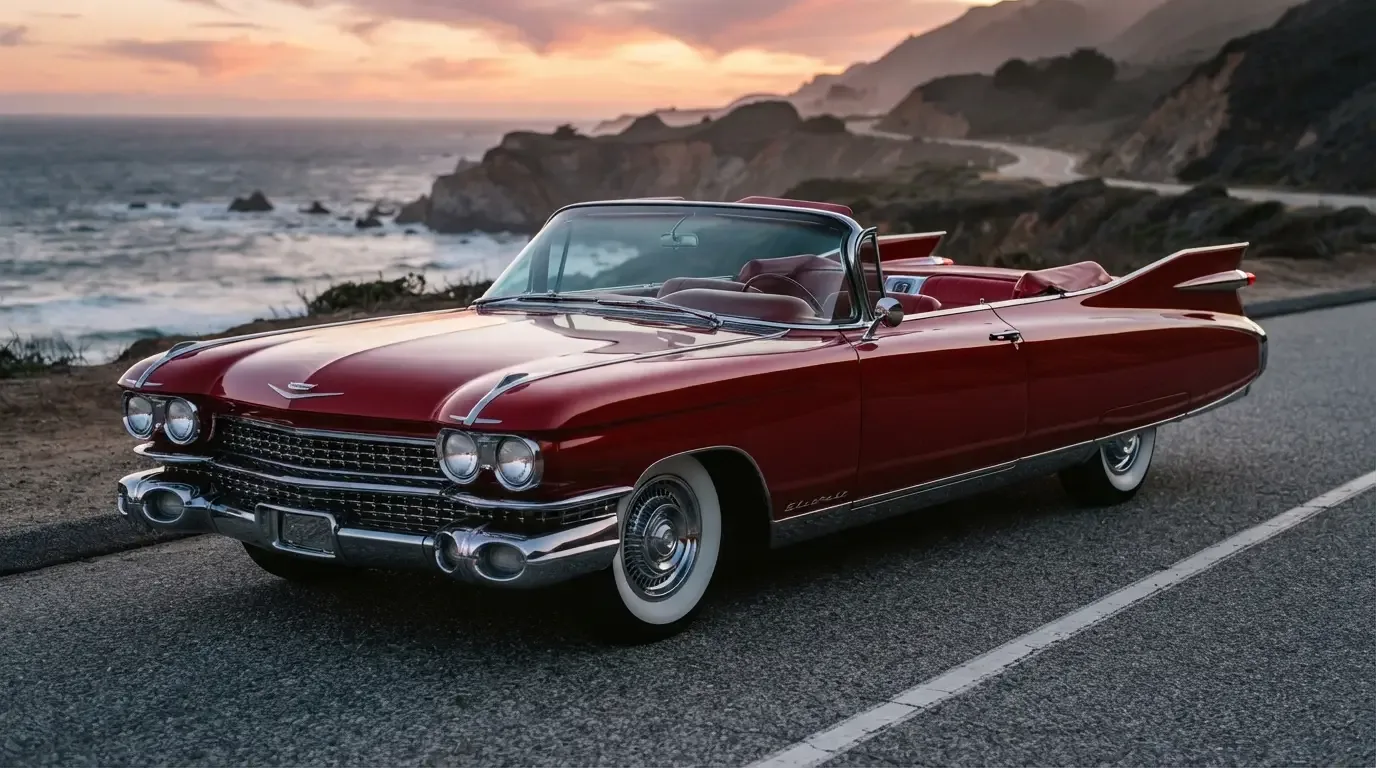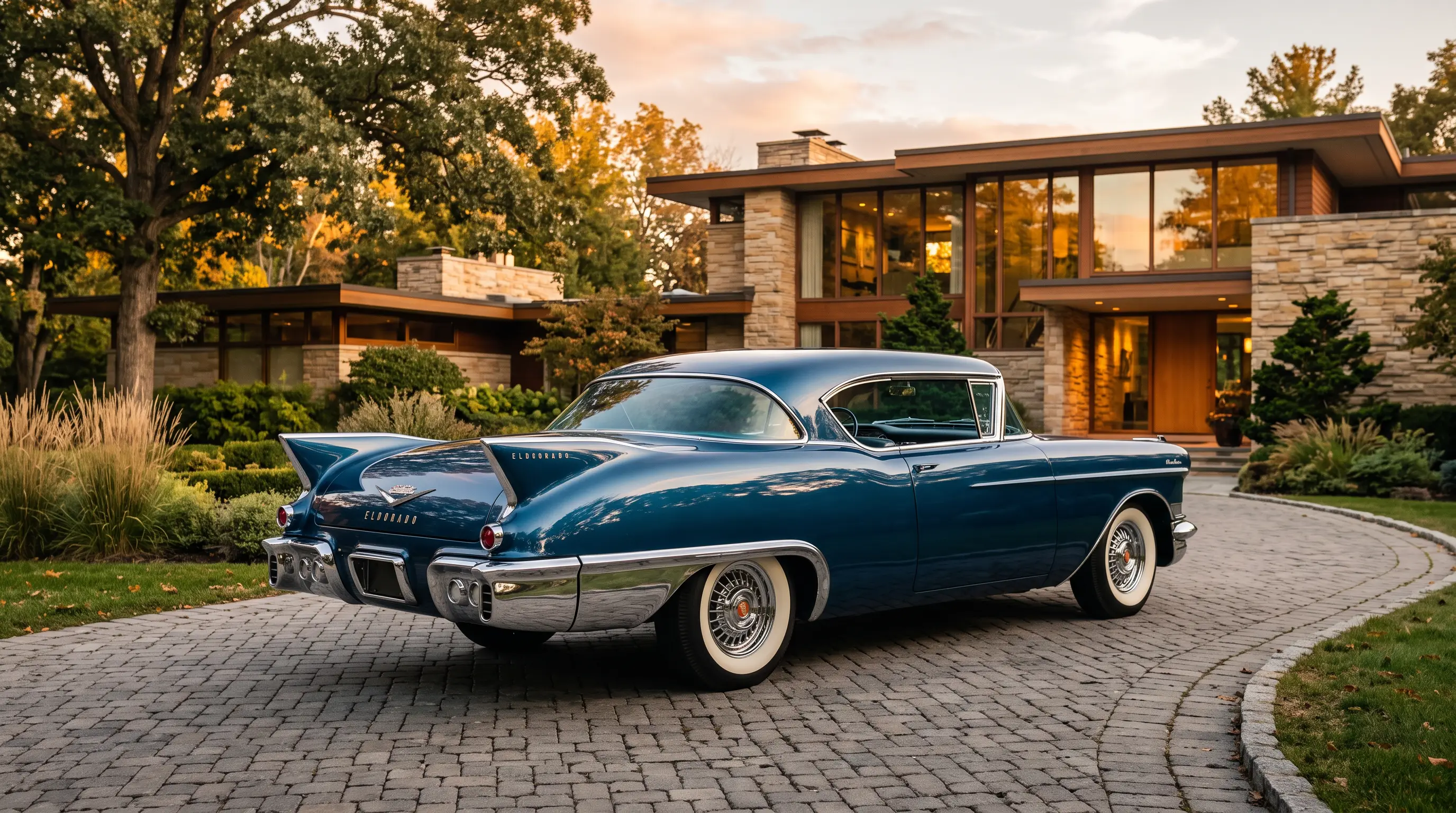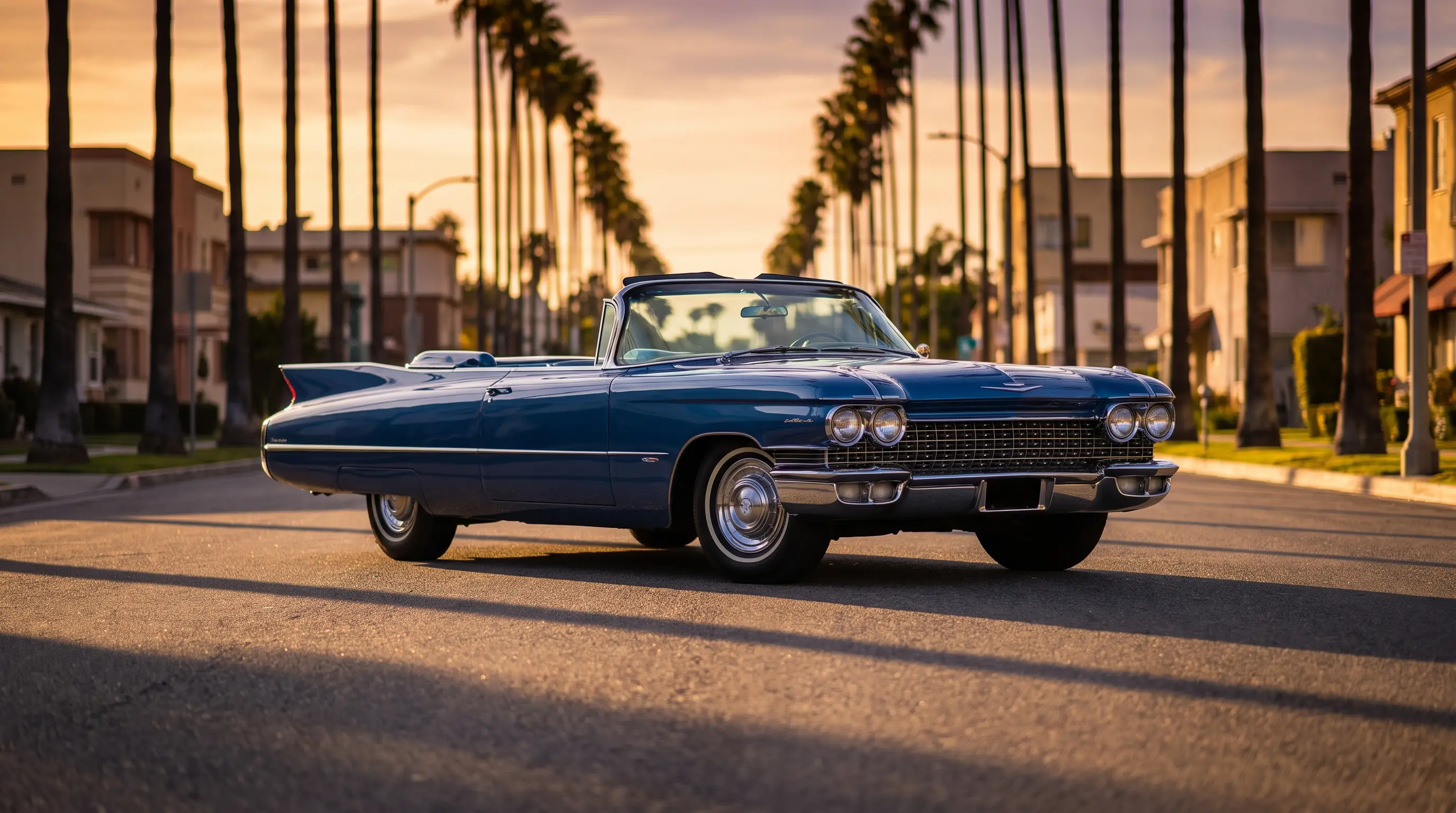
Nobody at Cadillac set out to design classic Cadillac hubcaps that would end up defining an entire visual language for American customization decades later. Yet the wide, deeply sculpted wheel cover that became known as the sombrero hubcap did exactly that, spreading far beyond the Eldorado that first popularized it and becoming shorthand for a whole era of chrome-heavy American style.
Where the name actually comes from
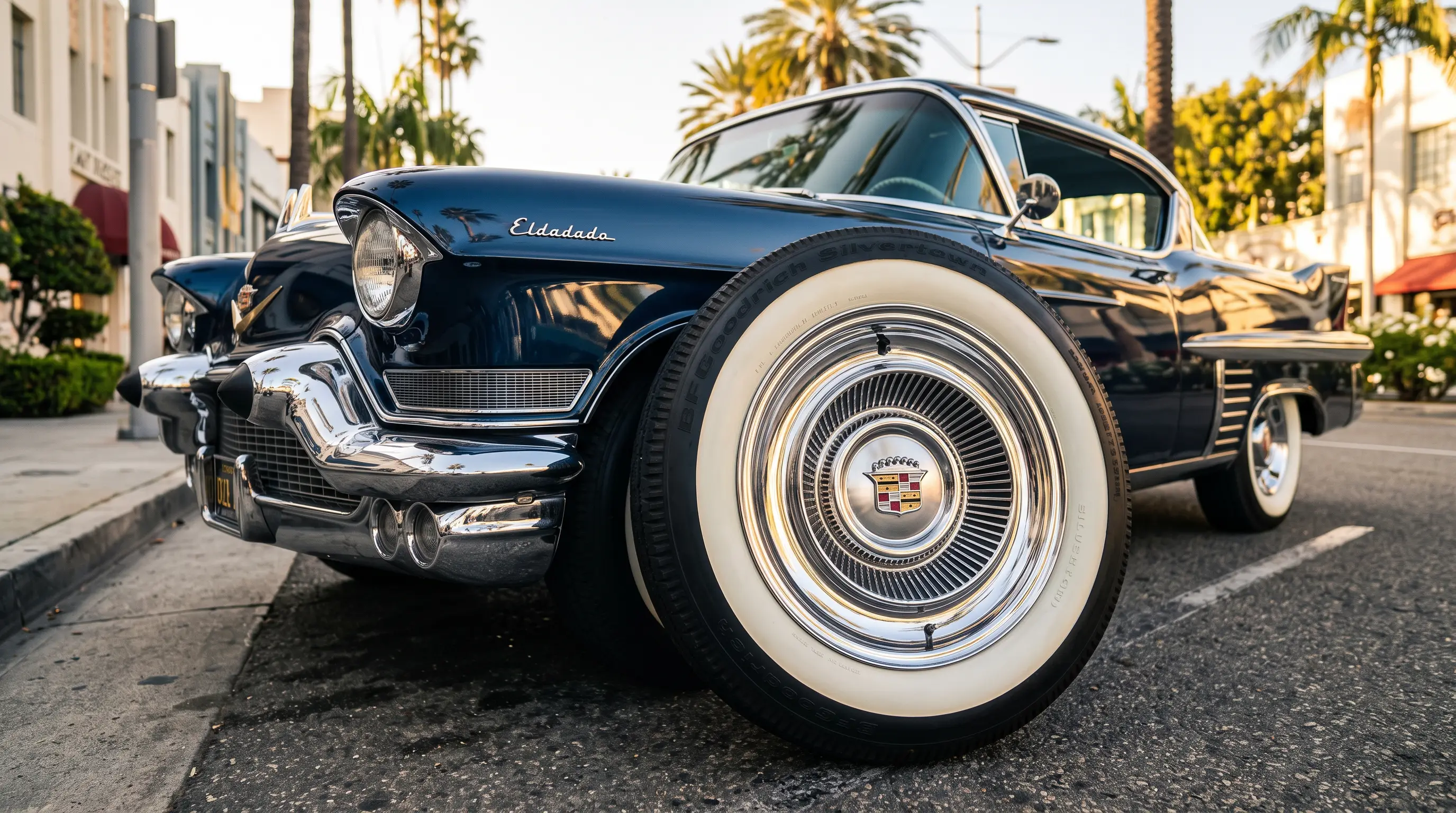
The sombrero nickname was never official Cadillac terminology. It emerged from the accessories and customizing world, a nod to the wheel cover's wide, dish-shaped profile that fanned outward from a small center cap, echoing the broad brim of the hat it was named after. Cadillac's own literature described these covers in more restrained language, but the sombrero name stuck because it was simply more accurate to how the piece actually looked mounted on a wheel.
What made the design distinctive was its depth. Rather than a flat disc, the sombrero cover curved outward in a way that caught light dramatically as the wheel turned, and that dimensional quality is exactly what customizers in the following decades chased when they went looking for a wheel cover that would stand out at a cruise night or a car show.
Cadillac was not designing in a vacuum here. Wheel covers across the industry in the 1950s were growing more elaborate year over year, part of a broader chrome arms race between manufacturers competing for attention on crowded dealership lots. Cadillac's answer was to go wider and deeper than most rivals dared, betting correctly that a flagship convertible buyer wanted a wheel that looked as considered as the rest of the car.
The Eldorado's role in popularizing the look
While wide, dished wheel covers appeared across several full-size Cadillac models through the 1950s and into the 1960s, the Eldorado's status as the brand's flagship convertible put the design in front of more eyes and more magazine photographers than any other model wearing it. A Cadillac Eldorado rolling down a boulevard with sombrero covers spinning in the sun became one of the defining images of American automotive glamour in the period, repeated in countless period advertisements and later in nostalgic retrospectives.
That visibility mattered enormously for how the design was later adopted outside Cadillac showrooms entirely.
Magazine advertising from the period leaned heavily on close-up shots of the wheel covers specifically, often photographed at an angle that emphasized the dish and the chrome spokes radiating from the center cap. Cadillac's marketing team understood that a detail this photogenic deserved its own moment in the layout rather than getting lost in a full profile shot of the car, and that decision helped cement the wheel cover's visual identity independent of any specific model year.
From factory chrome to lowrider culture
The wide, dished profile of the sombrero cover made it a natural fit for the custom and lowrider communities that emerged in Southern California and the Southwest starting in the 1960s. Builders valued the way the deep dish caught light at low speeds and slow rolls, exactly the kind of dramatic, deliberate movement that lowrider culture built its visual identity around. The Cadillac original became a template, reproduced and reinterpreted by aftermarket wheel makers for decades afterward, often in chrome finishes even shinier than what left the factory.
This second life is arguably why the sombrero design is remembered as vividly as it is today. It did not stay confined to Cadillac dealership lots. It became a piece of broader American car culture, adopted and adapted by builders who had never owned an Eldorado but recognized a genuinely great design when they saw one.
Aftermarket manufacturers eventually offered sombrero-style covers sized to fit a much wider range of wheels than Cadillac ever produced originally, which is part of why the look appears on everything from full-size sedans to smaller coupes that never wore anything like it from the factory. That flexibility helped the design outlive the specific cars it was created for, turning a single Cadillac styling decision into a lasting piece of aftermarket vocabulary.
"There is something almost poetic about a wheel cover Cadillac designed for a luxury convertible ending up as one of the most reproduced pieces in custom car culture. Good design travels further than the brand that made it."
- Nora Beckett
Finding and identifying originals today
Collectors chasing original sombrero covers face a genuine authentication challenge, since decades of reproduction manufacturing means plenty of covers on the market today were never made by Cadillac at all. Original pieces typically show specific casting marks and a retention mechanism that differs from most aftermarket versions, details worth researching carefully before paying a premium for what is advertised as an original set.
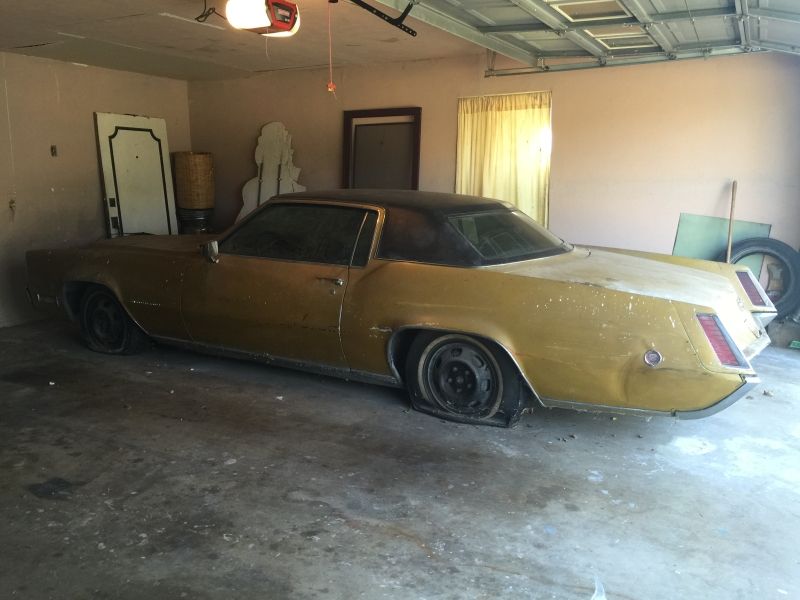
Condition matters as much as authenticity. Chrome plating from this era can pit and cloud in ways that are difficult to fully restore, and a set of covers that looks acceptable in a dim garage often reveals its flaws the moment it catches direct sunlight. Buyers serious about originality should inspect wheel covers in daylight whenever possible and ask specifically whether the chrome has been re-plated or repaired, since that history can affect both appearance and long-term value.
Anyone curious about how this particular detail fits into the Eldorado's broader design evolution should read the cadillac eldorado design story, which traces the styling decisions that made wheel covers this dramatic feel like a natural fit for the car in the first place. For a wider view of the Eldorado's full run across five decades, the full story covers the complete history from the 1953 debut through the 2002 Collector Series.
Those interested in tracking down a car still wearing an original or correctly restored set of sombrero covers can look through classic Eldorados on the market, where wheel cover condition and originality remain a detail serious buyers routinely factor into their evaluation.
A small part with an outsized legacy
Few individual components on any classic car have traveled as far culturally as the sombrero hubcap. It started as a styling flourish meant to complement a luxury convertible's wheel wells, and it ended up as a defining visual element of an entirely different automotive movement decades later. That kind of crossover rarely happens by design. It happens because a piece was genuinely well made, distinctive enough to be recognized at a glance, and versatile enough to look right on cars its original designers never imagined it riding on.
That is the real measure of the sombrero cover's success. Decades after the last Eldorado wearing an original set rolled off the line, the design still gets referenced, reproduced, and argued over by people who never sat behind an Eldorado's wheel. A styling detail that manages to outlast the specific car it was built for, and to gain a whole second audience along the way, has earned its place in the larger story of American automotive design far beyond a single Cadillac's history.