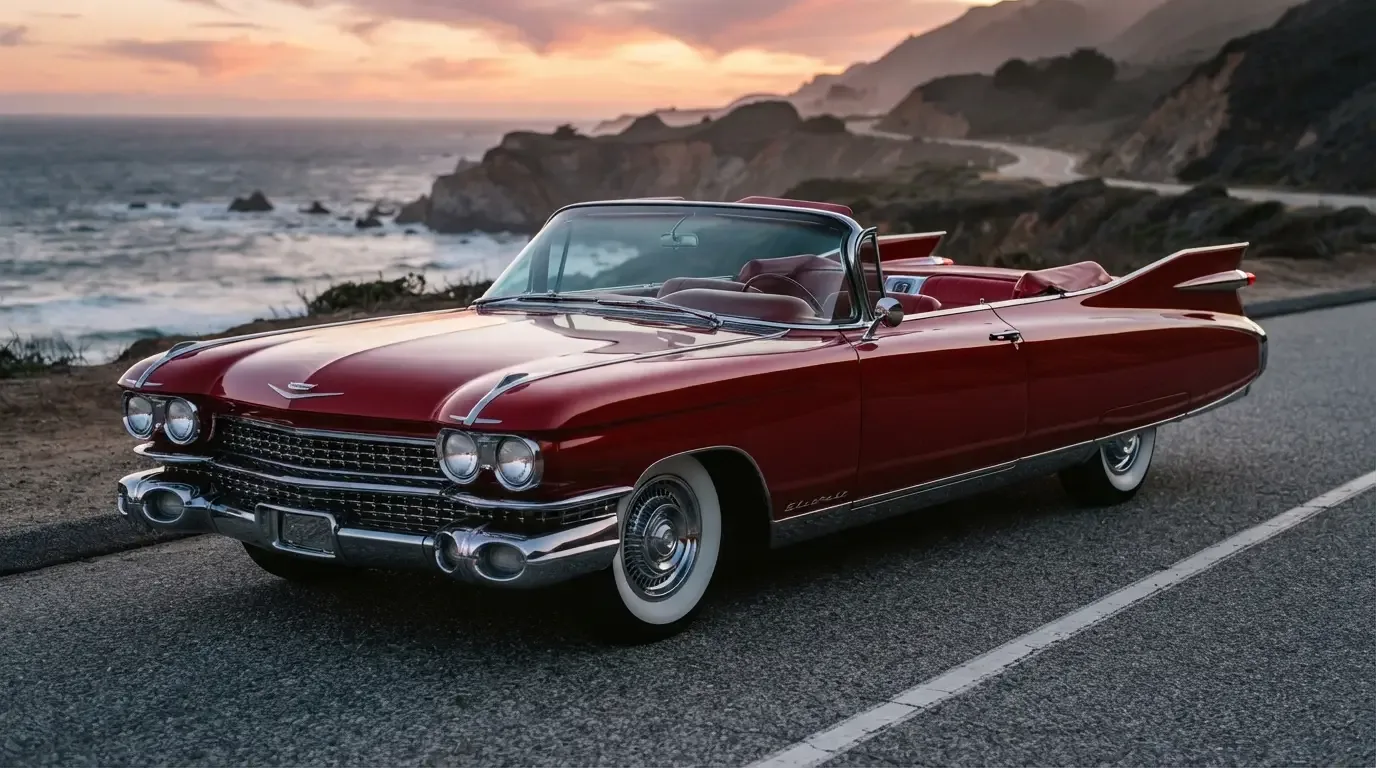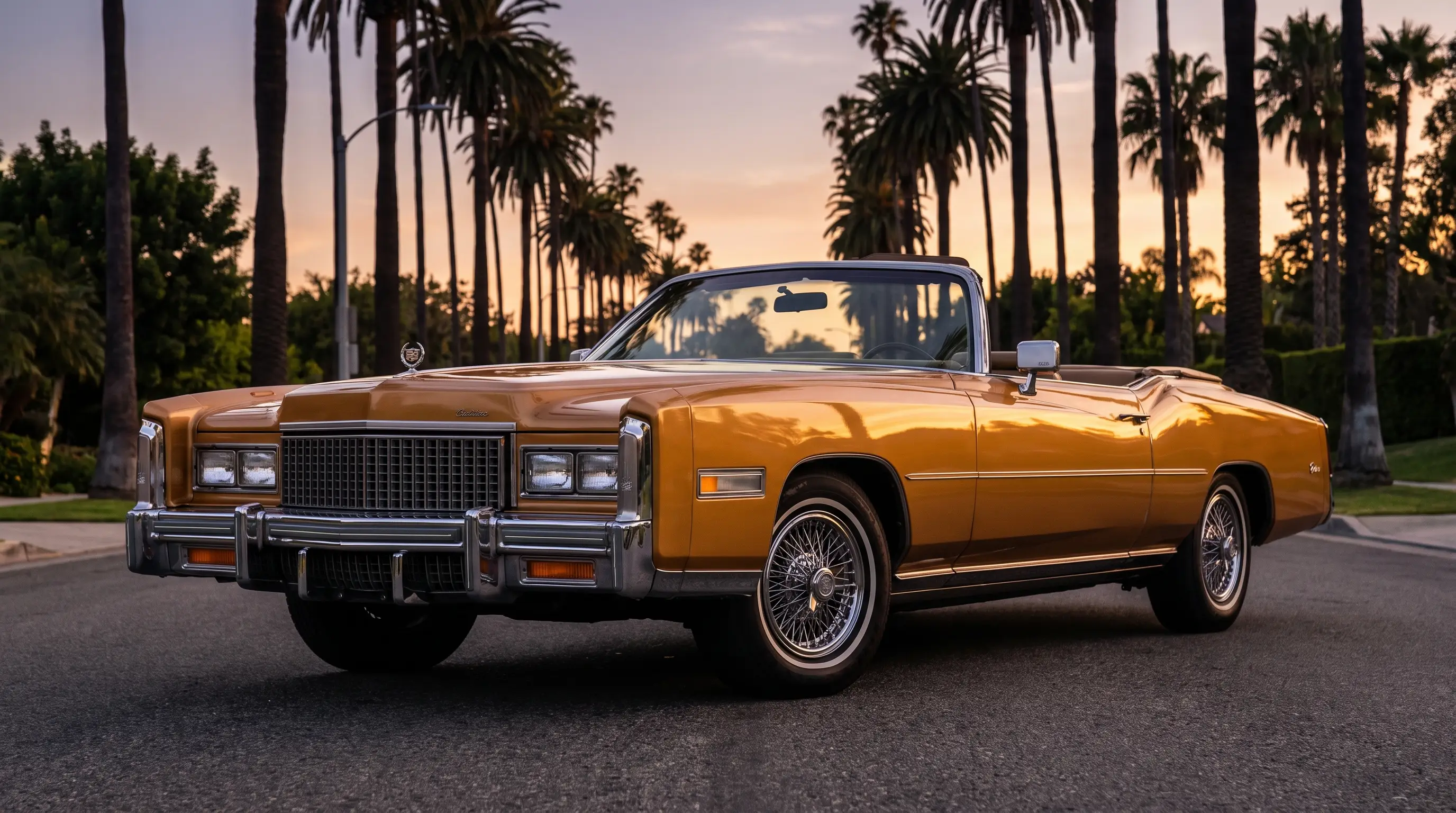
Two tone Cadillac Eldorado paint is one of those details that separates a car people glance at from a car people stop and study. I have sprayed enough of these combinations to know that two-tone is not just a color choice, it is a whole different approach to how a body's lines get read from ten feet away. Get the break line wrong and the car looks cheap. Get it right and the whole shape sharpens up in a way single-stage paint never manages on its own.
Where the break line actually lives
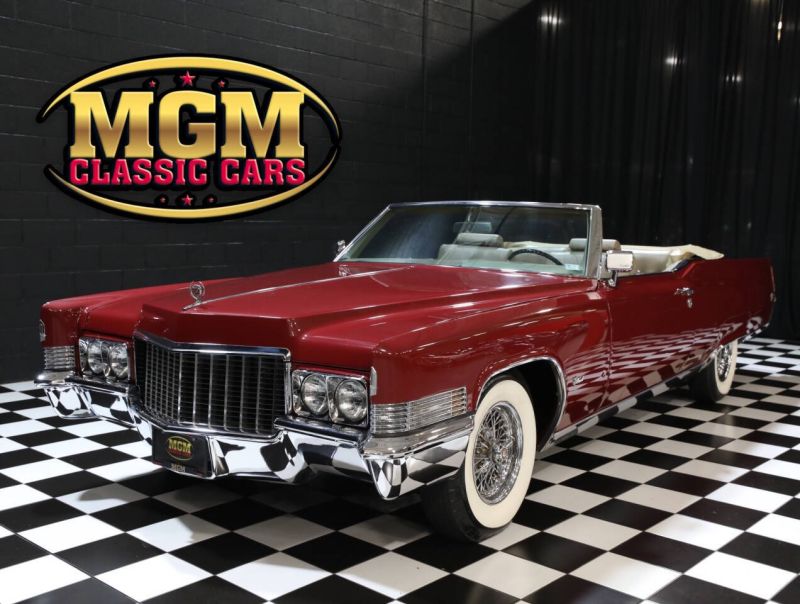
Every generation of Eldorado handled the two-tone split differently, and that is the first thing I explain to anyone bringing a car into the shop for a color-matched repaint. The 1950s cars typically split at the beltline, with a lighter roof or upper panel sitting over a bolder body color, sometimes with a sweep panel along the lower rocker adding a third accent. The 1960s and early 1970s cars, once the body got cleaner and less sculpted, moved toward a simpler roof-versus-body split, usually a vinyl top in a contrasting shade rather than painted panels.
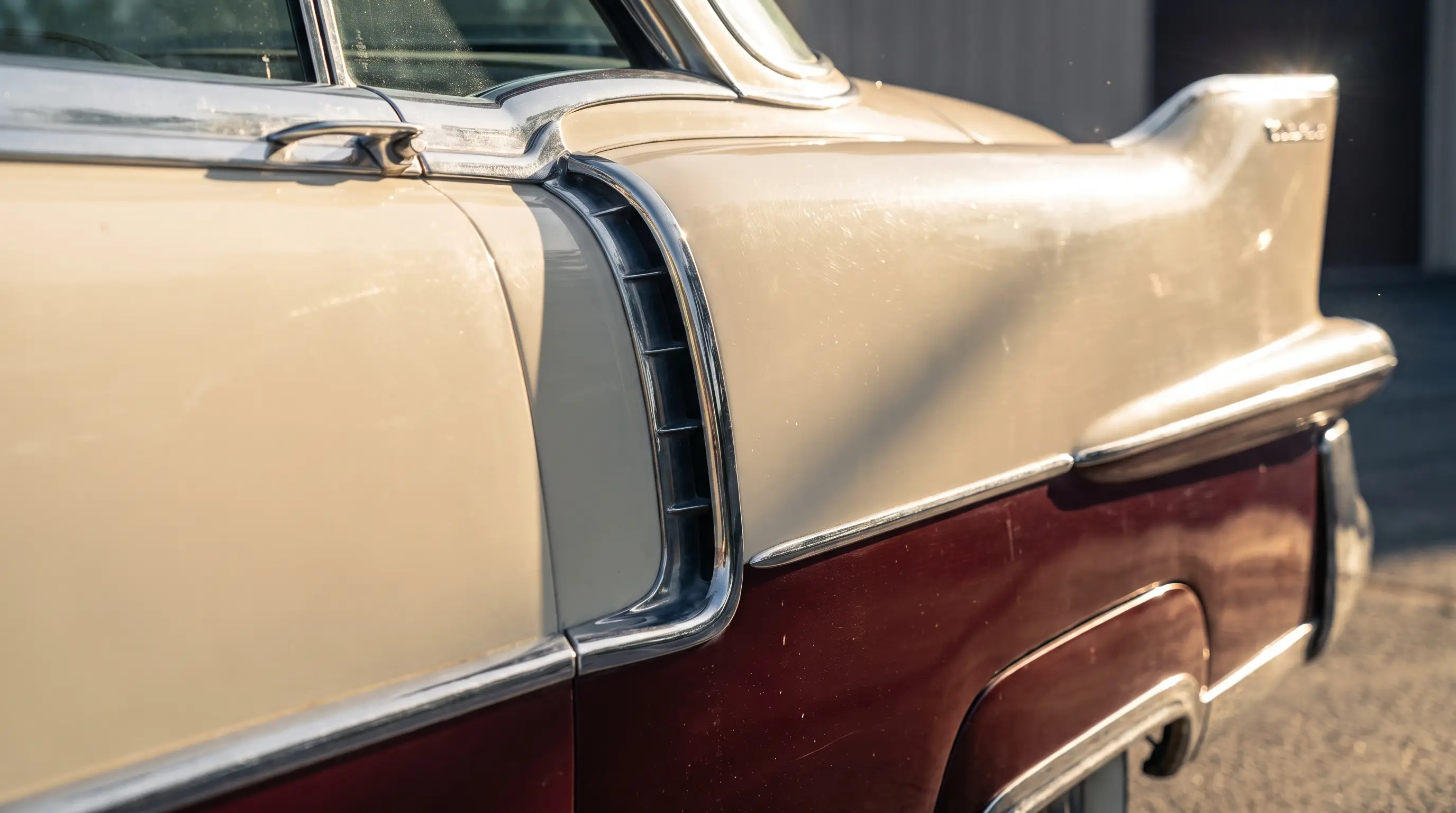
That distinction matters more than people think. A painted two-tone from the 1950s requires careful masking along a body crease that was designed into the sheet metal specifically to hide the tape line. A vinyl-roof two-tone from the 1970s is a completely different job, closer to upholstery work than paint work, and it changes what a restoration actually costs.
The front-wheel-drive 1967 through 1970 cars sit somewhere in between those two approaches. Some buyers ordered a painted roof in a contrasting shade, others stuck with a body-color roof and let the greenhouse glass do the visual separating instead. That variety makes the mid-century cars trickier to research than people expect, since two Eldorados from the same model year can wear completely different color logic depending on what the original owner checked on the order form.
Why the combination worked on this body
The Eldorado's proportions made two-tone paint look intentional rather than gimmicky, and that is not true of every car from the period. A long hood, a low beltline, and enough flat surface area on the doors gave a painter room to place a break line that actually followed the character lines pressed into the metal. Cheaper cars from the same years tried two-tone paint on bodies that were not designed for it, and the split ends up looking like an afterthought, a stripe slapped on rather than a shape the body was drawn around.
Cadillac's stylists were not being lazy here. They drew those creases specifically so a painter's tape line would have somewhere honest to sit. That is craftsmanship most people never notice, and it is exactly the kind of detail I look for when I am deciding whether a car in the shop deserves the extra hours a correct two-tone job takes.
Compare that to some of the independent luxury makers from the same years who tried two-tone paint on bodies with almost no natural break points. Those cars needed an applied trim strip or a molding just to give the eye a reason for the color to change. The Eldorado never needed that crutch, and the cleanest examples from any generation prove it.
What goes wrong on a modern repaint
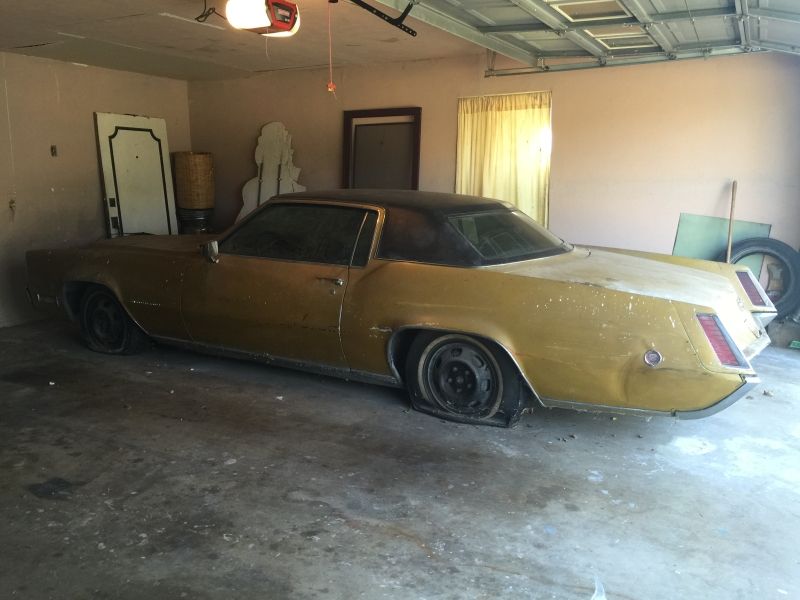
Most of the two-tone Eldorados I see coming through the shop have been repainted at least once, and the mistakes are consistent. Painters either place the break line a half inch off from where the factory crease sits, which throws off the whole visual balance, or they use modern basecoat-clearcoat paint that reads too glossy and uniform compared to the flatter factory finishes these cars originally wore. Neither mistake is obvious to a casual buyer. Both are obvious to anyone who has actually restored one of these cars and knows where the factory line lived.
Masking is where the real skill shows. You cannot eyeball a two-tone break on a compound curve and expect it to look factory correct. I measure off the original crease lines whenever they survive under old paint, and when they do not, I pull dimensions from a documented original example rather than guessing. A crooked break line is the fastest way to make an otherwise beautiful restoration look amateur.
"Anybody can spray two colors on a car. Getting the line to sit exactly where Cadillac's stylists put it, that is the difference between a repaint and a restoration."
- Jim Vasquez
What buyers should actually look for
If you are shopping for a two-tone Eldorado, check the break line against period photos for that model year before you fall in love with the car in front of you. A shop that rushed the masking job will show it, usually with slightly uneven overlap where the tape did not sit flush against a curved panel. Run a finger along the line if the seller allows it. You should feel almost nothing, just the faintest edge where two coats meet.
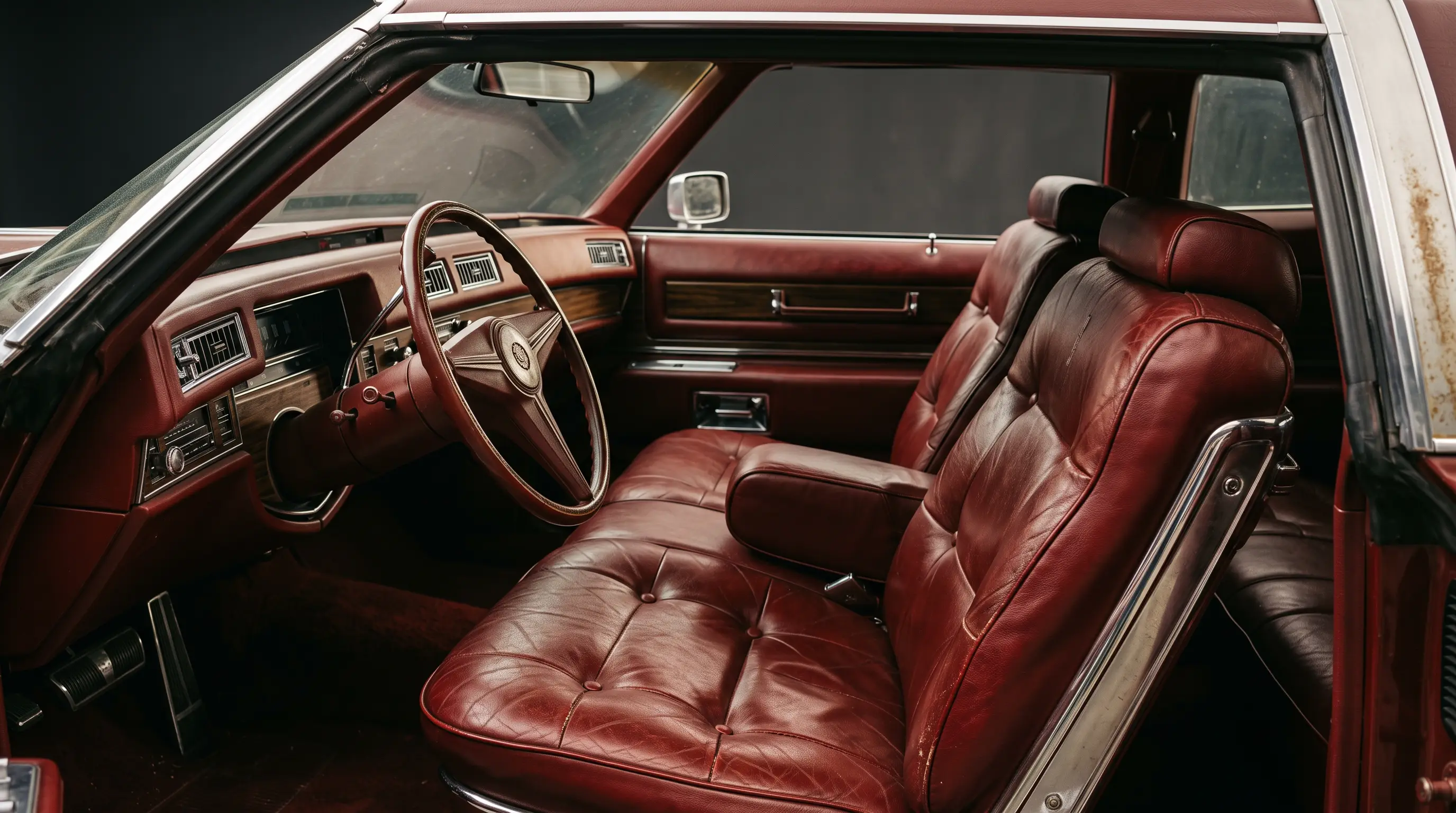
I have written before about the design decisions behind these body lines in our cadillac eldorado design retrospective, and it is worth reading if you want the full picture of why these cars were shaped the way they were before you start evaluating paint quality on top of that shape. The interior tells a related part of this story too, and a related story covers how cabin colors evolved alongside the exterior choices.
For anyone ready to go looking, there are usually a few Eldorados for sale now wearing an original or correctly restored two-tone scheme, and those are worth seeking out specifically rather than settling for whatever single-color car happens to be closest.
Why it still matters to collectors
Two-tone paint on an Eldorado is not just decoration, it is a record of how the factory intended the body to be read. A single-color repaint on a car originally built two-tone erases part of what the designers were trying to say with the sheet metal. That is why serious buyers pay attention to original paint codes and factory build sheets before committing to a purchase. The line between the colors tells you almost as much about the car's history as the VIN does, and getting it wrong on a restoration costs more than most owners expect once you factor in the labor to strip and redo the job correctly.
I tell every customer the same thing before they commit to a two-tone respray. Decide up front whether you are chasing a factory-correct combination or a personal favorite, because those are two different budgets and two different sets of research. A factory-correct job means tracking down the exact original code pairing for that specific model year, which sometimes means digging through old dealer literature rather than trusting a modern paint chip book. It takes longer and it costs more, but on a car like this, it is the difference people notice the moment they walk around it in daylight.