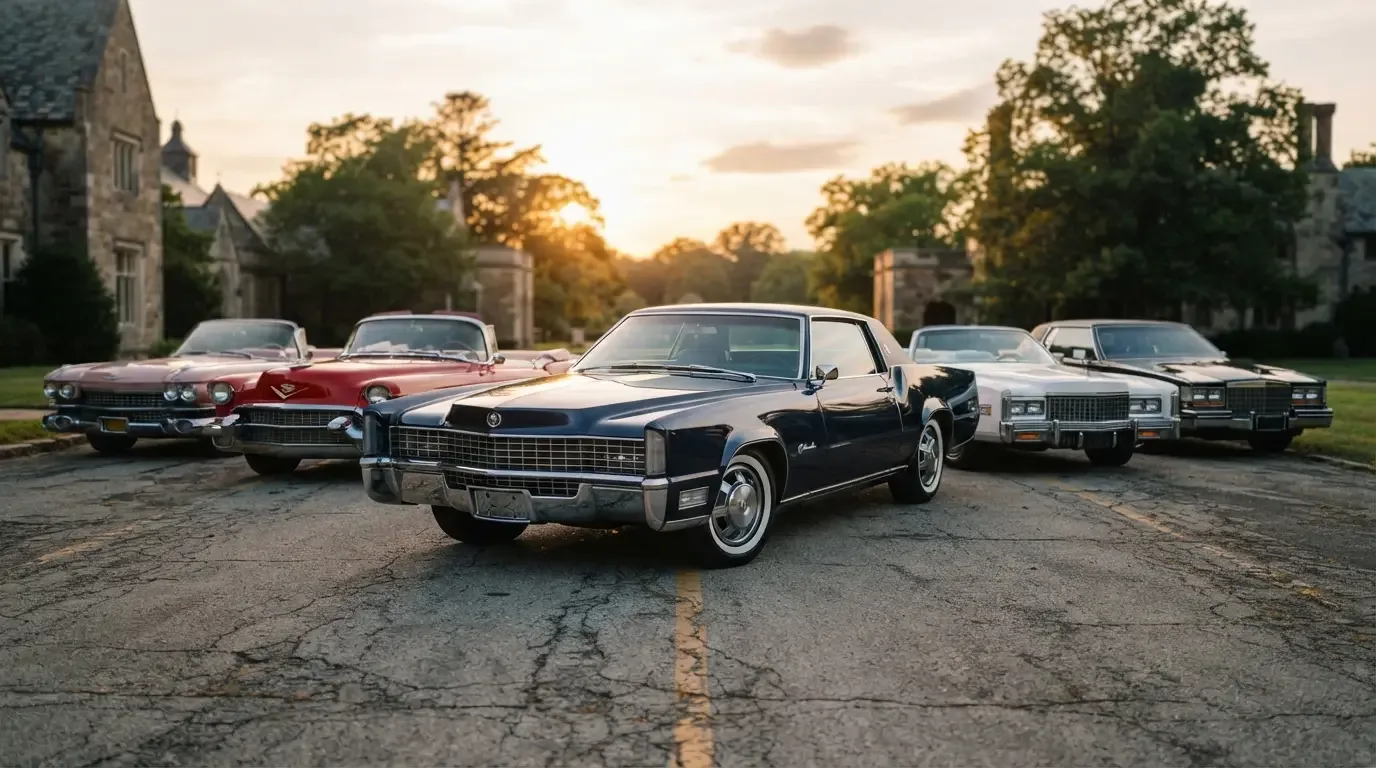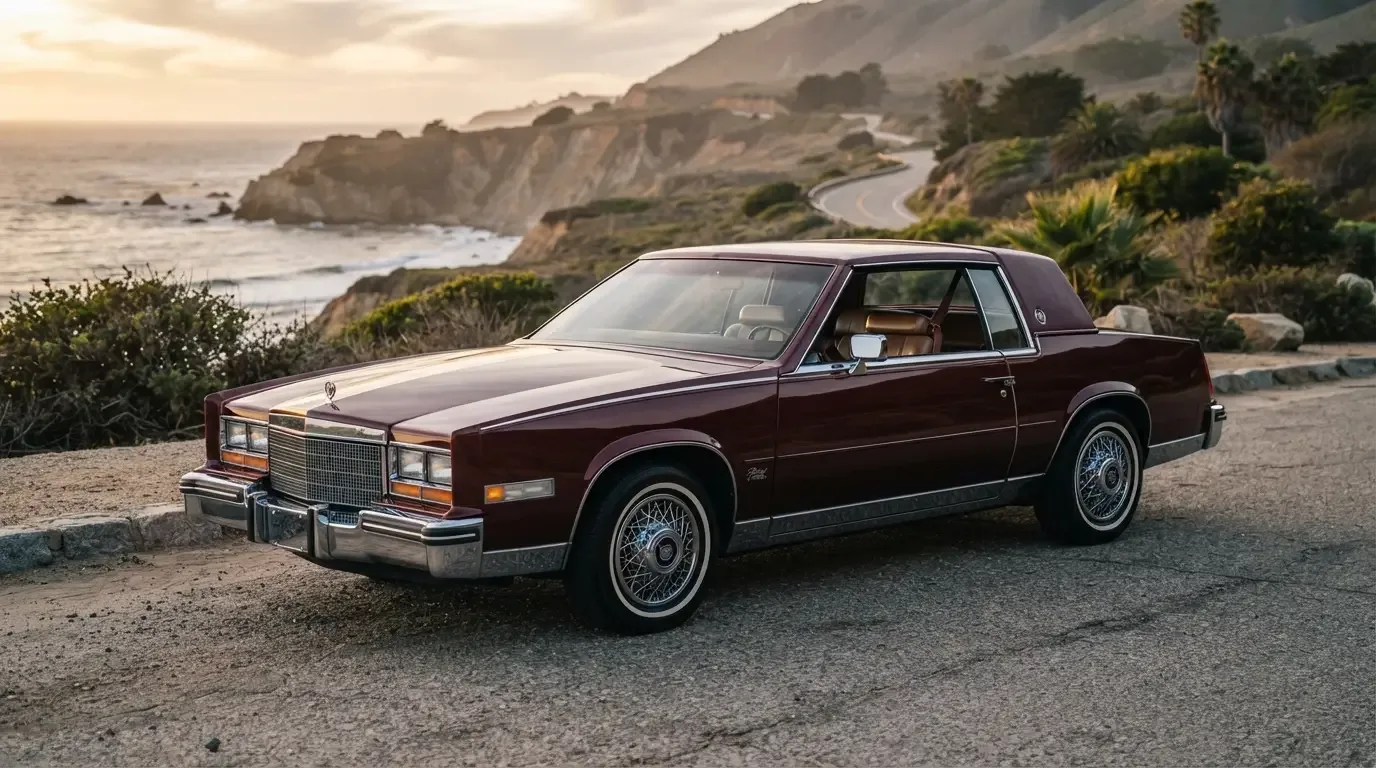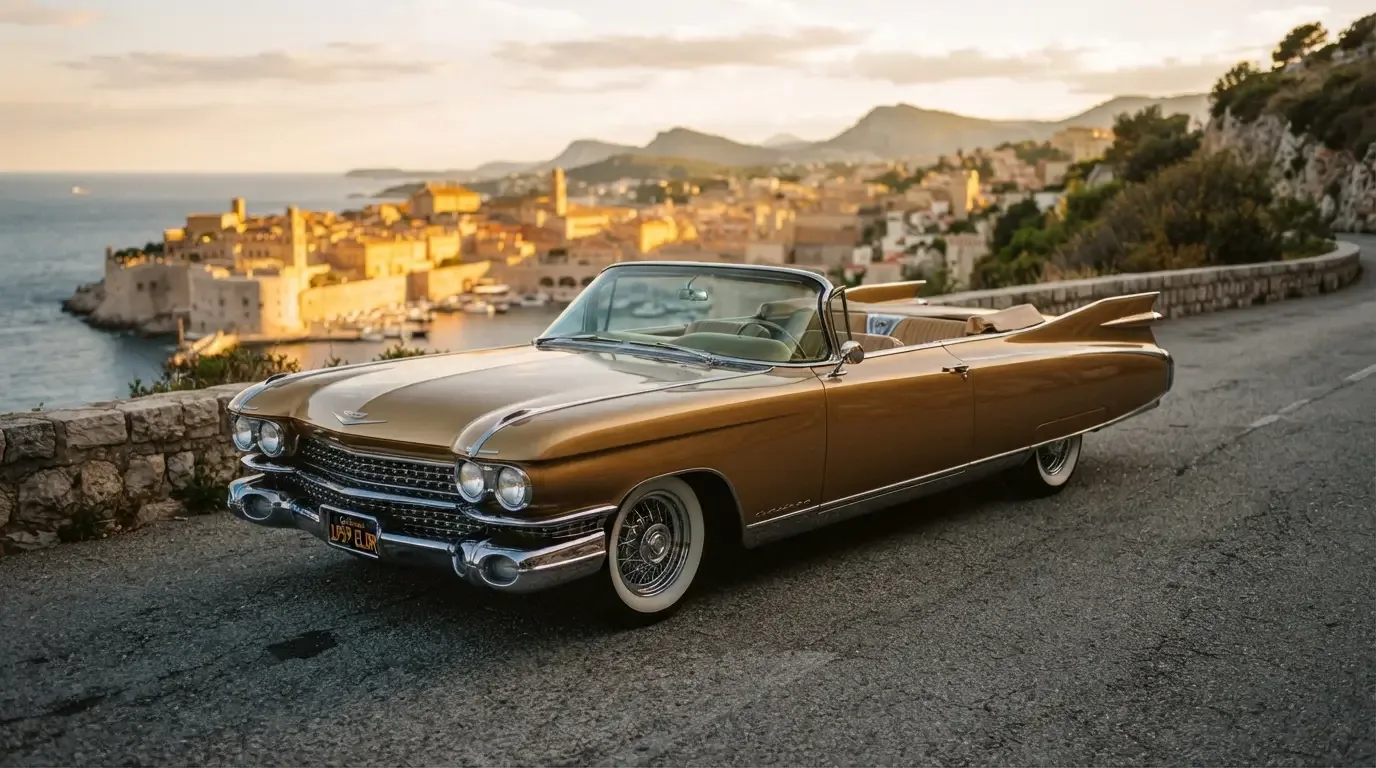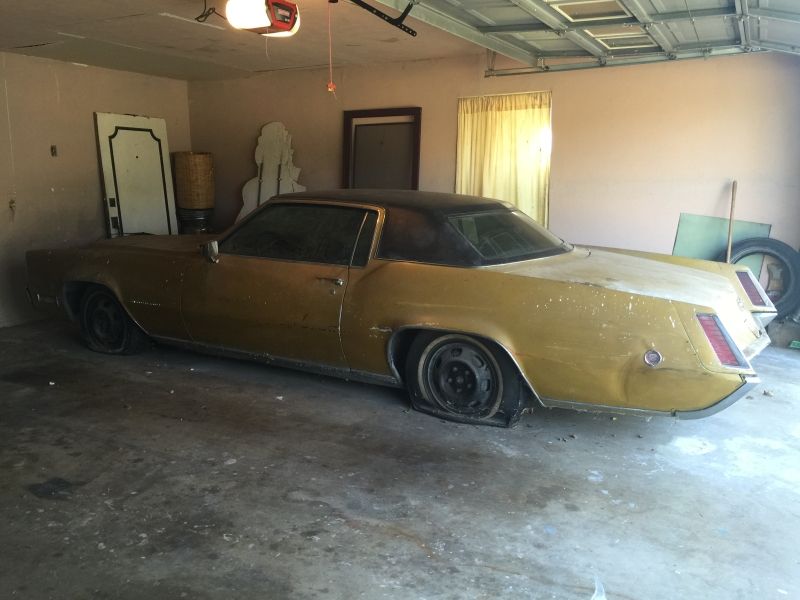
Ask why was cadillac eldorado created and the short answer is competition, plain and simple. General Motors had watched Ford and Lincoln chase the same wealthy buyer for years, and by the early 1950s Cadillac's own management decided the division needed something above the standard lineup, a car that existed purely to prove Cadillac could out-build anyone else in Detroit. That is the whole reason the Eldorado exists, and everything else about the car followed from that one decision.
The Motorama connection
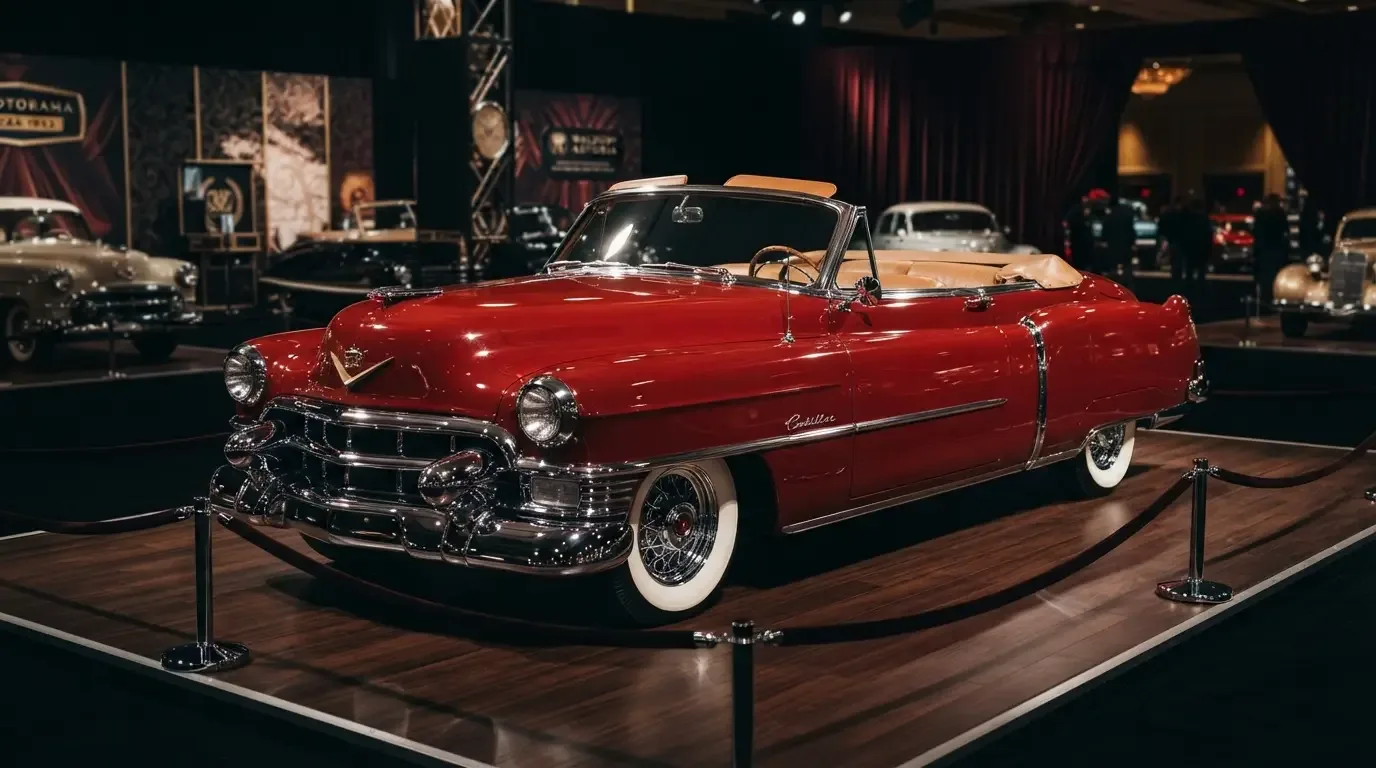
Cadillac did not dream up the Eldorado from nothing. GM had been touring concept cars around the country on its Motorama show circuit since the late 1940s, cars with wraparound windshields, low beltlines, and styling touches nobody could actually buy. Those shows drew huge crowds, and dealers kept hearing the same question: when can we order one of these. Cadillac's answer, eventually, was the 1953 Eldorado, a production car that borrowed the wraparound glass and clean lines straight off the Motorama floor. It wasn't cheap to engineer a one-off windshield curve for volume production, but Cadillac decided the marketing payoff was worth the tooling cost.
That curved glass wasn't just a styling flourish either. Bending a windshield that sharply at the corners was a real manufacturing headache in 1953, and Cadillac's engineers had to work with glass suppliers to get panels that would hold their shape and clarity without distorting the driver's view at the edges. Plenty of shops in Detroit could stamp sheet metal into new shapes without much trouble. Getting curved safety glass right at scale was a different problem entirely, and Cadillac spent real money solving it rather than watering down the show car's design to make production easier.
A halo car, not a profit center
Nobody at Cadillac expected the Eldorado to sell in real numbers, and it didn't. The first year moved 532 units, a rounding error next to the tens of thousands of Series 62 sedans Cadillac sold that same year. That was fine, because the Eldorado wasn't built to move volume. It was built to sit at the top of the price list and make everything below it look like a bargain by comparison. Any shop foreman will tell you the same trick works on a parts counter: put the premium item on the shelf where everyone can see the price tag, and the mid-grade option suddenly looks reasonable.
Dealers played along with the strategy on purpose. Salesmen would walk a customer past the Eldorado on the showroom floor before steering them toward a Series 62 or Sixty Special, letting the flagship's price tag do the persuading without a word needing to be said. It's an old trick and it still works today in plenty of businesses, not just car lots. Show the customer the expensive option first, and the merely nice option feels like good sense by comparison.
Internal GM rivalry pushed it along
Buick and Oldsmobile got their own limited wraparound-windshield specials the same year, the Skylark and the Fiesta. That wasn't a coincidence. GM's divisions competed hard against each other internally, and once one division got approval to build a halo convertible, the others wanted the same green light. Cadillac had the advantage of already sitting at the top of GM's brand hierarchy, so its version got the highest price and the most attention. The Skylark and Fiesta faded out after a couple seasons. Cadillac kept the Eldorado name going for 49 years, which tells you which division actually understood what it had built.
Part of that staying power comes down to how Cadillac treated the Eldorado after the launch year. Buick and Oldsmobile largely walked away from their limited convertibles once the novelty wore off, folding the styling cues back into regular production and moving on. Cadillac did the opposite, giving the Eldorado its own model code, its own marketing budget, and its own design language that evolved every few years instead of getting mothballed. That commitment is the real reason one division's one-year publicity stunt turned into a nameplate that survived seven full model redesigns and outlasted nearly every rival personal-luxury coupe on the market.
Prestige buyers needed somewhere to spend
Postwar America had a growing class of buyers with real money and nowhere obvious to spend it on a car. Standard luxury sedans didn't feel special enough for people who wanted their purchase to be noticed. Cadillac built the Eldorado to fill that gap directly, a car expensive and rare enough that owning one said something about the buyer without anyone needing to ask the price. That strategy worked because Cadillac backed it up with actual hand-finishing, unique trim, and options that weren't available anywhere else on the Series 62 line, not just a badge stuck on a standard car.
Power windows and a power-operated convertible top came standard on the Eldorado at a time when both were still optional extras, or unavailable entirely, on lesser Cadillacs. That's the difference between a real halo car and a trim package with a fancy name. Cadillac put actual engineering and actual cost into the Eldorado rather than just slapping chrome on a Series 62 and calling it special. Buyers in 1953 could tell the difference, and that's exactly why the strategy worked as well as it did.
"You can dress up a car with paint and a fancy name, but buyers in 1953 weren't stupid. The Eldorado worked because Cadillac actually built it different underneath the trim, not just on top of it."
- Mike Sullivan
The strategy outlived its original purpose
What started as a one-year marketing exercise turned into Cadillac's longest-running nameplate. By the time the 1960s rolled around, the Eldorado had become a fixture, and Cadillac kept reinventing it generation after generation rather than letting it fade like its GM cousins did. Anyone who wants the full timeline of how that reinvention played out across seven distinct generations should read the background at read the background, which walks through every major redesign from the tailfins to the Northstar years.
The Eldorado name itself carries its own history worth knowing too. Cadillac didn't pick it at random, and the story behind the name is worth a look too if you want the full context on how a legendary lost city ended up on a Cadillac trunk lid.
What started as a halo car built to sell everything else in the showroom ended up outliving the reasoning behind it. Cadillac kept building Eldorados because buyers kept wanting them, decade after decade, right up until 2002. If that history has you curious about buying one yourself, you can shop classic Eldorado listings at shop classic Eldorado listings and see how the whole 49-year run stacks up side by side.