
I get the same question in almost every email from a reader thinking about their first classic truck purchase: is a 1957 Ford F100 collectible in the way a Corvette or a Mustang is collectible, or is it just an old work truck that happens to be old enough to be interesting? The honest answer sits somewhere in between, and understanding where takes more than a glance at asking prices.
Car Features
7 min read
Collecting the 1957-60 F-100
Is a 1957 Ford F100 collectible the way a sports car is? A look at condition, originality, documentation, and configuration as the real value drivers.
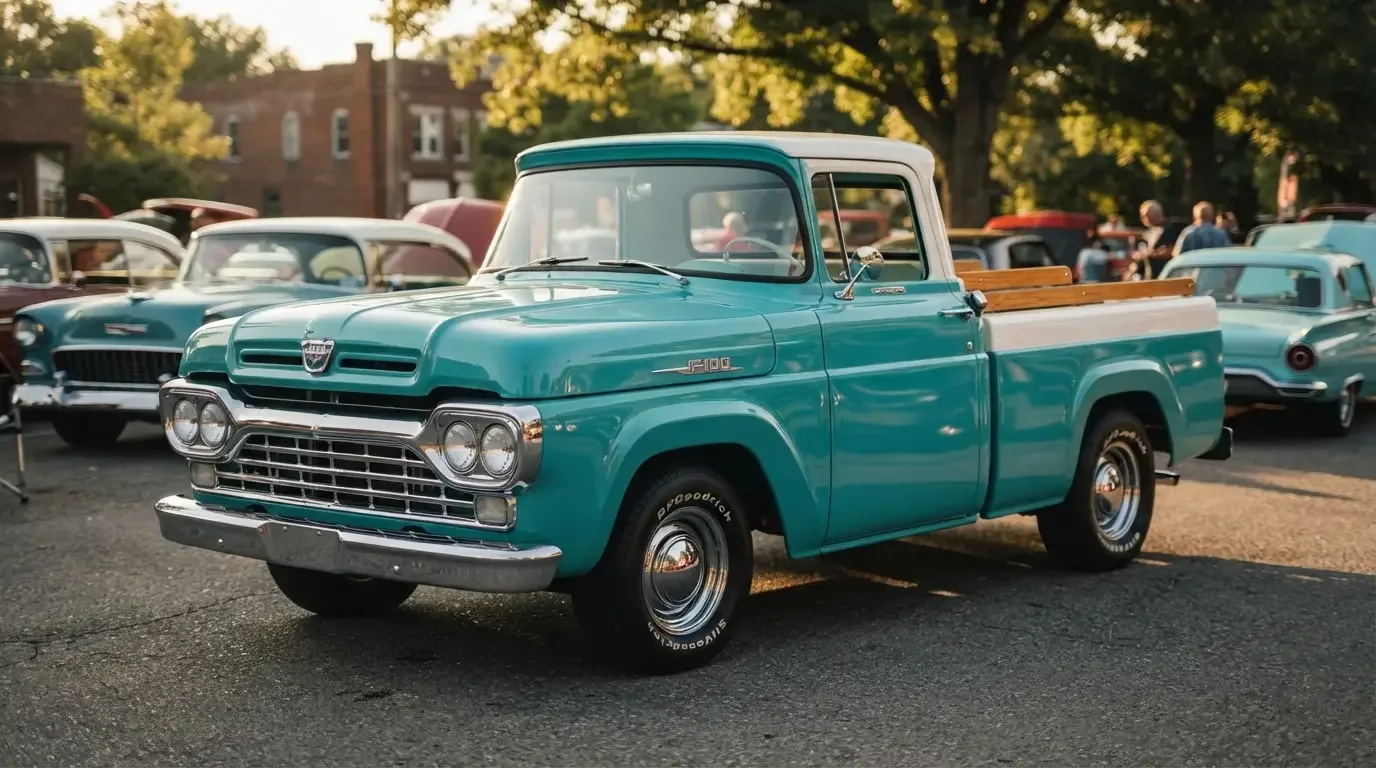
A different kind of collectible market
Classic trucks were late to the collector party compared to passenger cars from the same era. For decades, these were simply used vehicles that farms and small businesses ran into the ground and then replaced, not objects anyone thought to preserve. That history means the collector market for this generation developed on a different timeline and with a different value logic than, say, a two-seat sports car that was treated as special from day one.
What changed things was a combination of nostalgia and practicality. As the generation that grew up around these trucks reached the age and income to buy back a piece of their youth, demand climbed. At the same time, the trucks proved unusually well suited to modern customization, whether that meant a period-correct restoration or a full restomod with modern running gear under a vintage body. Both camps compete for the same pool of surviving trucks, which has pushed values up across the board over the past two decades.
What actually drives value here
Four factors dominate every real conversation about what a specific truck is worth: condition, originality, documentation, and configuration. Condition is the obvious one, covering everything from rust and frame integrity to how well a prior restoration was executed. Originality asks how much of the truck is factory correct versus replaced or modified. Documentation covers the paper trail, from build tags to old registrations to service records. Configuration accounts for engine, transmission, trim level, and bed style, all of which affect desirability independent of the truck's physical condition.
None of these factors operates alone. A truck can be in excellent mechanical condition and still command a modest price if it has no documentation and a heavily modified interior. Conversely, a rougher truck with an ironclad paper trail and rare original options can outsell a shinier, less documented example. Buyers who understand this nuance tend to make smarter purchases than those chasing shine alone.
| Value factor | What it covers | Why it matters |
|---|---|---|
| Condition | Rust, frame, prior repair quality | Determines usable baseline value |
| Originality | Factory parts versus replacements | Drives collector-grade pricing |
| Documentation | Build tag, records, ownership history | Verifies the truck's actual story |
| Configuration | Engine, trim, bed style | Sets desirability within the model year |
The restoration versus preservation question
New buyers often assume a full restoration is always the right move, and it is not. A well-preserved original truck, even one showing honest wear, can hold more collector interest than a restored example, particularly among buyers who value authenticity over shine. Restoration makes the most sense for trucks that are already too far gone to preserve honestly, where rust or prior damage has erased most of what made the original worth keeping intact.
The mistake I see most often is a buyer who restores a genuinely solid original truck simply because that is what they assumed collectors want. It can actually reduce a truck's appeal to the specific segment of buyers who prize originality above all else, even while it increases appeal to buyers who just want a nice-looking driver. Know which market you are building for before you start.
"The single biggest mistake I see is a buyer treating this like a Corvette market and applying the same rules. Truck collectibility runs on a different logic, where a rough original with good paperwork can beat a shiny restoration with none."
- David Mercer
Where the market is heading
Values across this generation have trended upward steadily rather than spiking, which is generally a healthier sign than the boom-and-bust patterns seen in some other collector categories. That gradual climb reflects genuine, broadening interest rather than speculation, and it suggests these trucks are settling into a stable place in the collector hierarchy rather than riding a temporary fad.
For buyers entering the market now, that stability is good news. It means a well-researched purchase today is unlikely to look foolish in five years, even if short-term prices fluctuate with the broader collector car economy.
How auction results should actually be read
Headline auction results get shared widely because they make good copy, but a single record sale tells a buyer almost nothing useful about what a typical, comparable truck is actually worth. That record-setting truck usually combines several rare factors at once, exceptional originality, a documented ownership history, a desirable configuration, and sometimes simple bidding-room energy on the day of the sale that will not repeat for the next similar truck that crosses the block. Treating that number as a baseline for your own truck is a common and expensive mistake.
A more useful approach is looking at a range of recent sales for genuinely comparable trucks, not just the single highest number that made headlines. That range gives a realistic sense of where a truck in a given condition tier actually tends to land, and it accounts for the natural variation between buyers, auction houses, and even the day of the week a sale happens to fall on. Patient research across several sales beats chasing a single splashy number every time.
The role of clubs and registries
Owner clubs and model-specific registries do quiet but genuinely important work in this market, cataloging known surviving trucks, tracking ownership changes, and in some cases maintaining informal production and options data that supplements the gaps in Ford's own surviving records. A truck with a documented history inside one of these registries carries a credibility that an undocumented truck simply cannot match, regardless of how good it looks in photographs.
New buyers sometimes overlook these resources entirely, treating a purchase as a purely private transaction between buyer and seller. Engaging with the relevant club or registry before finalizing a purchase, even just to ask whether anyone recognizes the specific truck, can surface history or red flags that neither party to the sale was aware of.
Getting the full picture
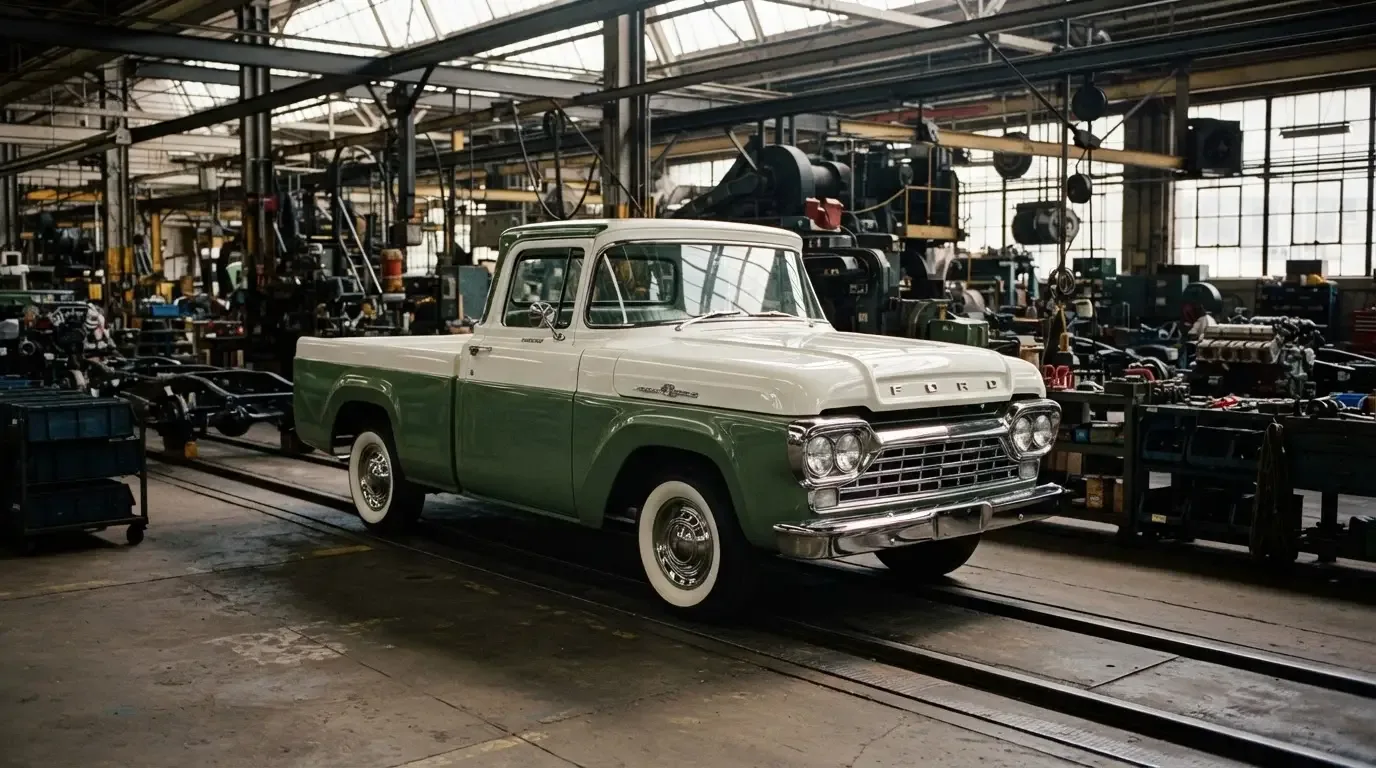
Collectibility does not exist in a vacuum from the truck's design and production history. For readers who want the whole picture of how this generation was built and why certain configurations are rarer than others, that background makes every value judgment discussed here easier to apply to a specific truck you are actually considering.
When you are ready to put this into practice, the best education is comparison shopping. Spend time seeing how prices and condition line up when you find a classic F-100 currently on the market, and use what you learn here to judge whether a given asking price reflects genuine value or just optimistic pricing.
Sources and notes
Related Reading
#classic truck collecting
#ford f-100
#1957 Ford F100
#restoration vs preservation
#truck market trends

About the author
David Mercer
Classic car market analyst with two decades of experience tracking collector car valuations, auction results, and investment trends.
Related Listings - Ford F-100
More in Car Features
Comments
Be the first to comment on this article.