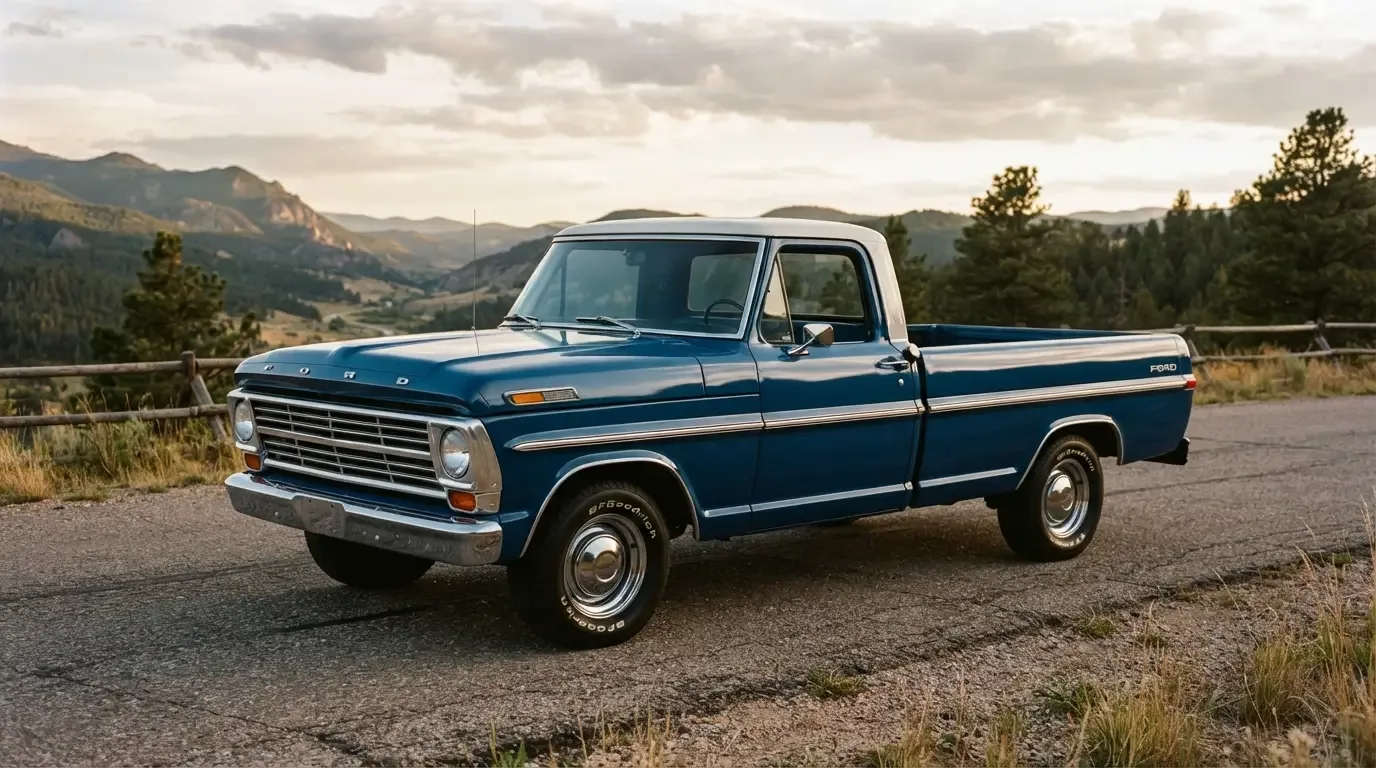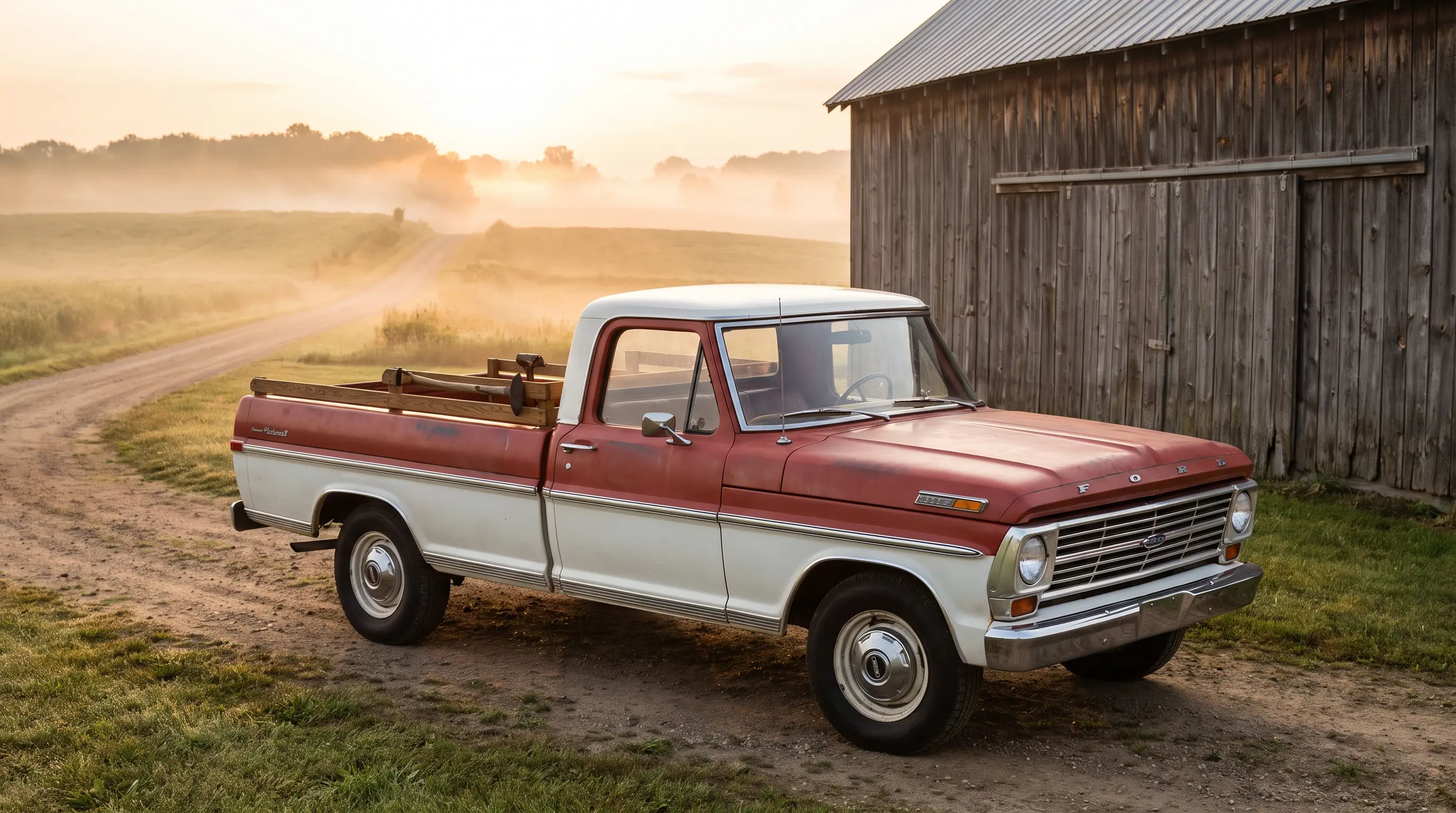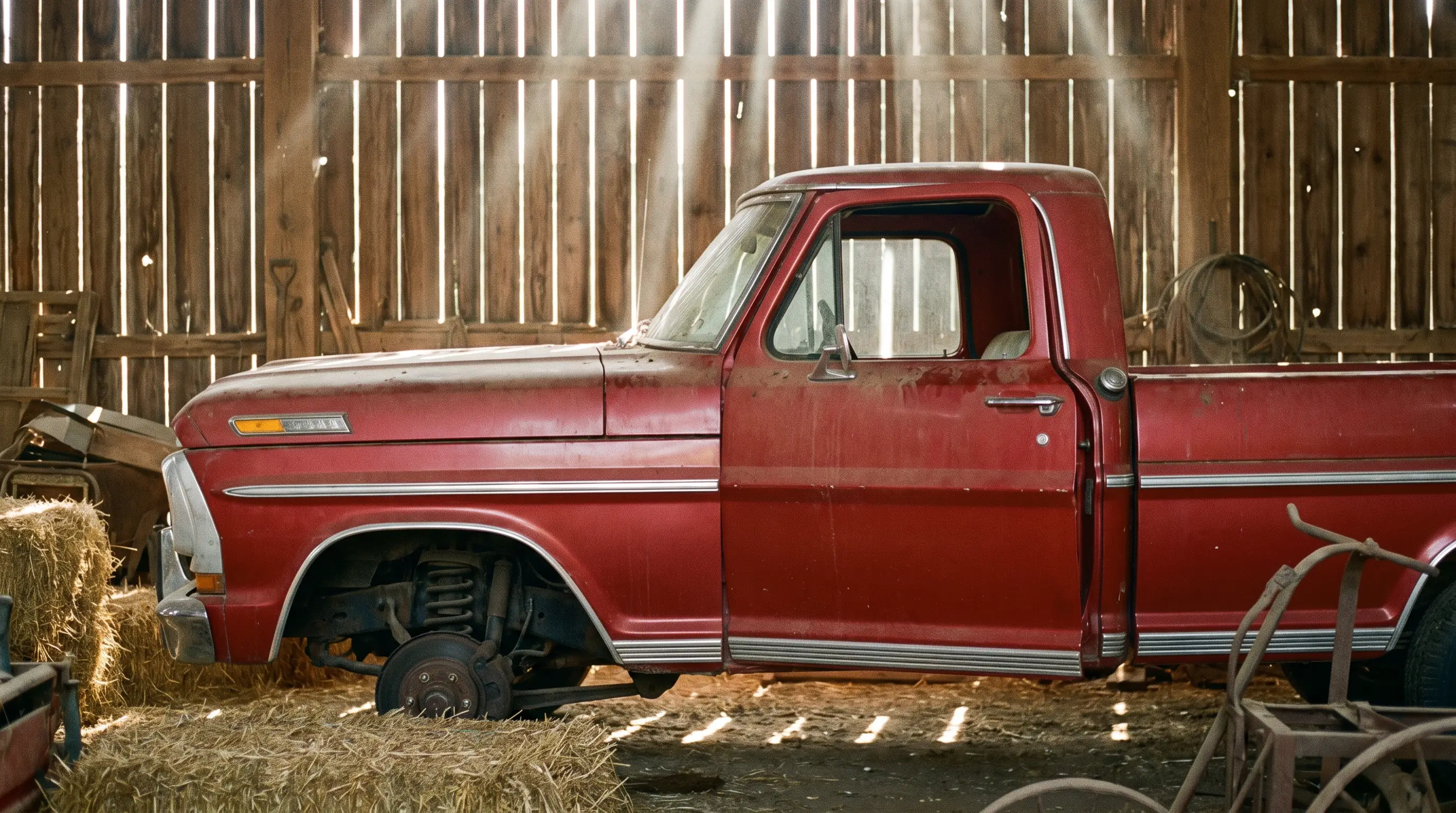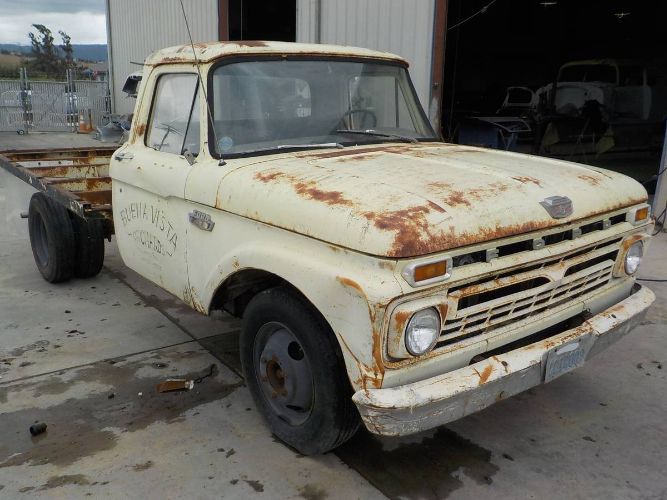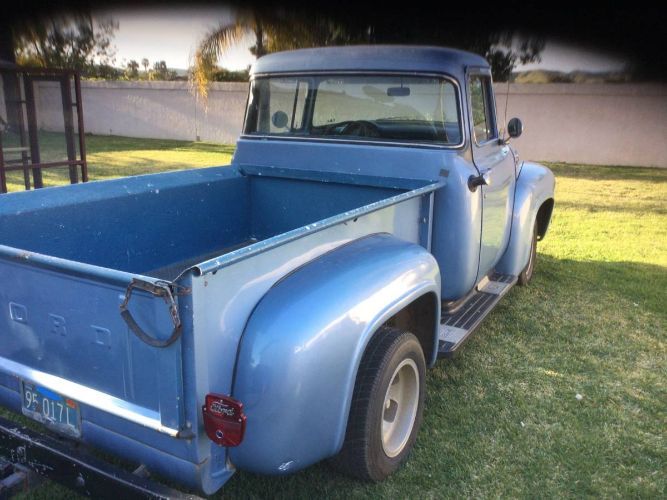
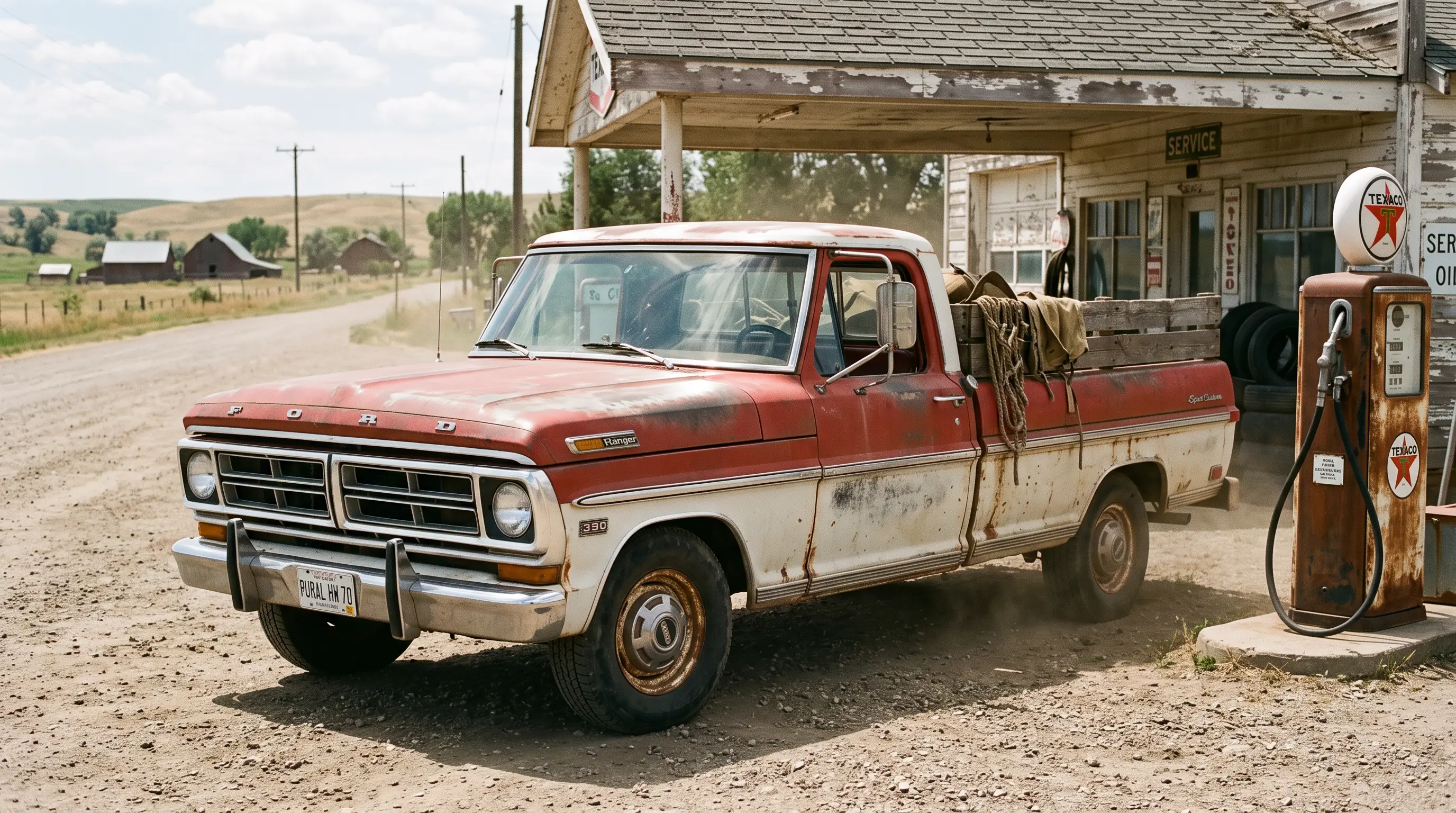
The Ford 390 V8 is one of those engines that gets more credit in casual conversation than the data quite supports, and dropped into a bumpside F-100, it is worth separating the legend from what the numbers actually show. This FE-series big-block became the top engine option across much of the 1967-72 F-100 run, and understanding what it actually delivered, and where it fell short, matters more than repeating the same folklore every truck forum has told for decades.
Where the 390 sits in the FE family
Ford's FE engine family covered a wide displacement range, and the 390 sat comfortably in the middle, sharing its basic architecture with engines Ford also used in passenger cars and even some early Mustangs. In truck applications, Ford tuned the 390 for torque delivery at lower engine speeds rather than outright horsepower, a sensible calibration decision given that the F-100 needed to move loads from a stop far more often than it needed to hold a high rpm.
Readers wanting the full context of how the 390 fit into the 1967 ford f100 story should look there for the complete generational picture, since the engine lineup evolved alongside the body and trim changes across those six model years.
The numbers that actually matter
Published horsepower and torque figures for the truck-spec 390 vary depending on the source and the year, partly because Ford shifted from gross to net power ratings during this period, a change that makes direct year-over-year comparisons genuinely misleading if you are not careful about which measurement standard applies. Period literature for the early-1970s F-100 puts the top-line 390 FE at roughly 255 gross horsepower and 376 lb-ft of gross torque, figures that would read noticeably lower once Ford adopted SAE net ratings. What is consistent across most documentation is that the 390 prioritized low-end torque over top-end power, which is the correct engineering tradeoff for a work truck rather than a highway cruiser.
Fuel economy, unsurprisingly, was never a strength. Owners running a 390 in a bumpside F-100 report single-digit to low-teens miles per gallon depending on load, driving style, and axle ratio, numbers that were unremarkable by the standards of the era but look genuinely rough against modern trucks.
| Spec | 390 cid FE V8 (truck spec) |
|---|---|
| Engine family | Ford FE big-block |
| Displacement | 390 cubic inches |
| Tuning priority | Low-rpm torque over peak horsepower |
| Common transmission pairing | C6 automatic, 4-speed manual |
| Typical use case | Towing, heavy hauling within half-ton capacity |
Where the legend outpaces the engineering
Truck forums love to frame the 390 as an unstoppable workhorse, and while the engine is genuinely durable when maintained properly, it is not without real weaknesses. The FE family's cylinder head design limits airflow at higher rpm compared to later big-block architectures, which caps the ceiling on how much power you can reasonably extract without extensive modification. Cooling system capacity on factory-spec trucks also runs marginal under sustained heavy load, particularly in hot climates, and more than a few 390-equipped F-100s have overheated on long grades with a trailer behind them.
None of this makes the 390 a bad engine. It makes it an honest one, built to a specific brief, and it performs that brief well. The failure mode worth understanding is thermal, not mechanical: these engines rarely grenade from abuse, but they will run hot if the radiator and fan clutch have not been kept in genuinely good condition, and prolonged overheating is what eventually causes the expensive problems.
A second, quieter weakness worth noting is oiling under sustained high-load conditions. The FE family's oiling system was adequate for its era but leaves less margin than later engine designs when running consistently near its thermal limit, which is one more reason cooling system health matters so much for anyone buying a 390-equipped truck today. An engine that never overheats rarely develops the secondary problems that show up in trucks with a neglected cooling system and years of marginal operation behind them.
"The 390 gets more credit for raw power than the dyno sheets support, but as a low-speed torque engine built for a work truck, it did exactly what it was designed to do."
- Emily Chen
How the 390 stacked up against Ford's own alternatives
Within Ford's own showroom, the 390 competed for buyer attention against the smaller 360 V8 and, on the lighter end, the base 240 inline six. The gap between the 360 and 390 in real-world towing capability was narrower than the displacement difference suggests, since both engines shared similar FE-family architecture at that point, and a well-tuned 360 could match a poorly maintained 390 in everyday use. The genuine advantage of stepping up to the 390 showed up specifically under sustained heavy load, climbing grades with a full trailer, where the extra displacement translated into a meaningful torque cushion the smaller engine simply did not have.
That distinction matters for buyers today trying to decide which engine actually suits their intended use. A truck that will see occasional light hauling gains little from the 390 over a 360, while a truck that regularly tows near its rated capacity benefits from the larger engine's additional margin. Ford's own dealer literature from the period made a similar case, framing the 390 as an option for buyers with a specific, demonstrated towing need rather than a default upgrade for anyone who wanted more power on paper.
What this means for buyers today
A well-maintained 390-equipped F-100 remains a genuinely satisfying classic to own, provided a buyer goes in with realistic expectations about fuel economy and cooling system maintenance rather than folklore about unstoppable big-block power. For deeper background on how this engine fit into the model's broader history, the full story covers the F-100 line from its earliest years through the end of production.
Buyers comparing engine options should treat the 390 as a strong middle-ground choice, more capable than the base six or small-block V8s for towing, but without the exotic status or premium pricing that a Cobra Jet variant might command in a different Ford application. Anyone shopping classic F-100s on the market should ask specifically about cooling system condition and service history on any 390-equipped truck, since that detail tells you more about the engine's real-world durability than the displacement badge on the fender ever will.
The verdict, stripped of nostalgia, is straightforward. The 390 is a competent, honest engine that did exactly what Ford's engineers designed it to do, moving heavy loads at low speeds without drama. It is not the mythical unbreakable powerhouse some corners of the hobby describe, and it is not a fuel-efficient or high-revving performer either. Judged against its actual design brief rather than an inflated reputation, it holds up well, and that distinction between what an engine was built to do and what people later claimed it could do is worth keeping in mind for any classic drivetrain, not just this one.