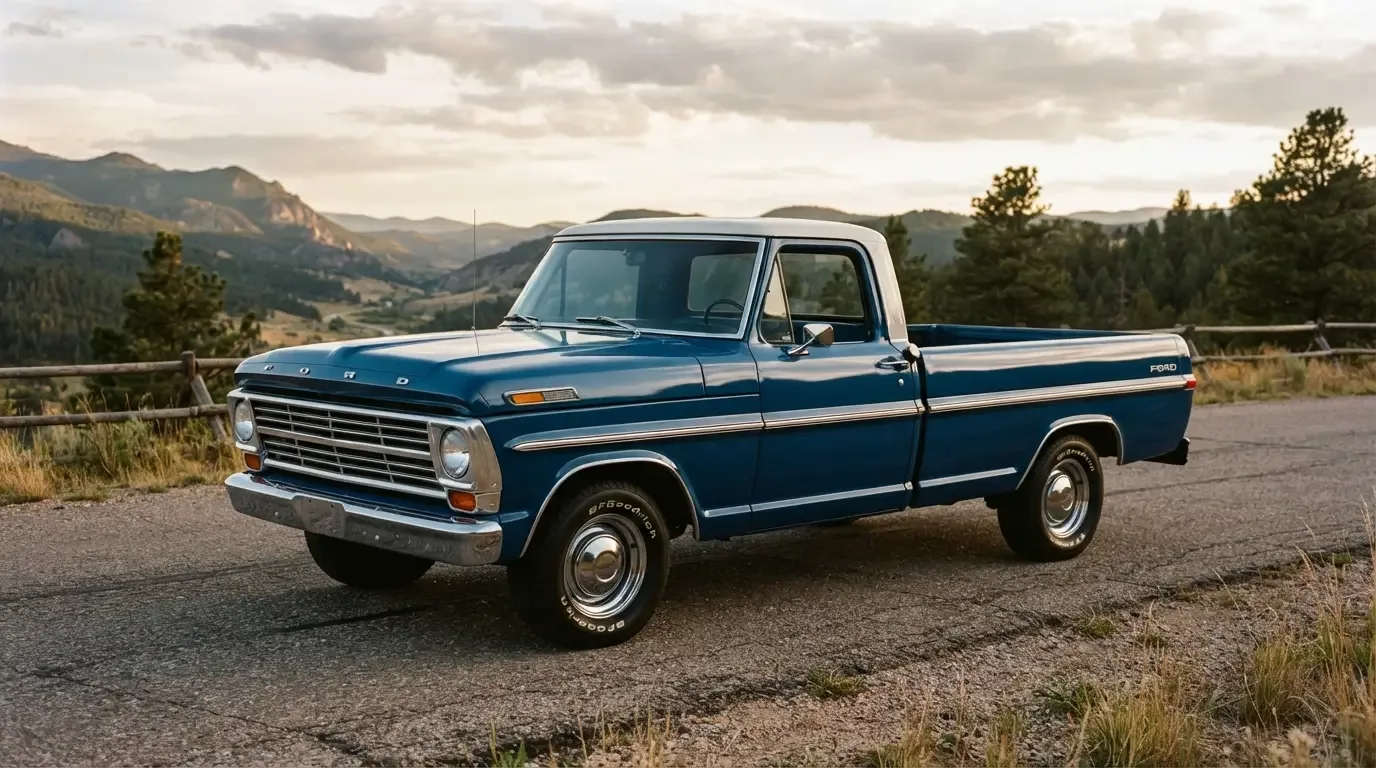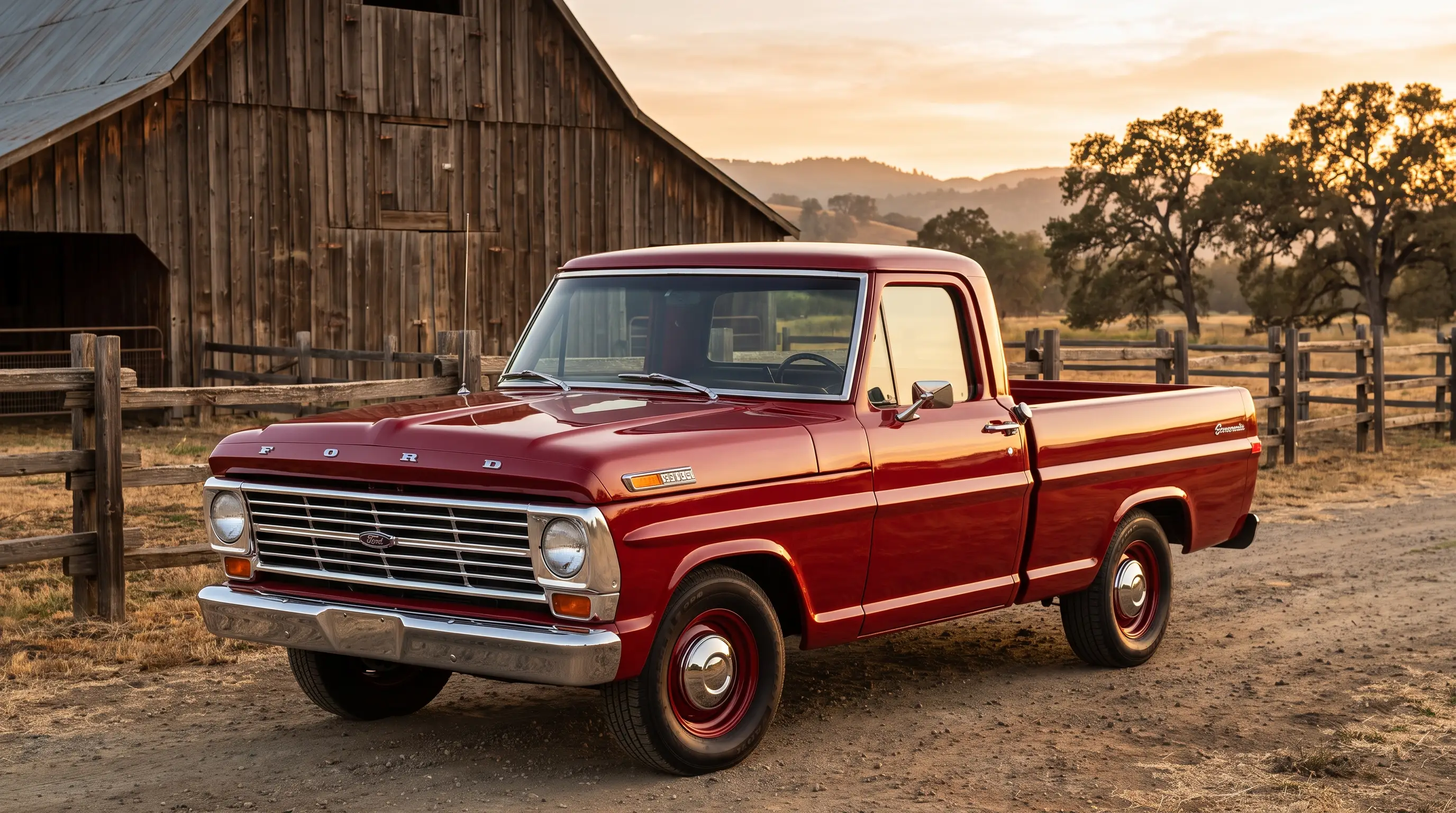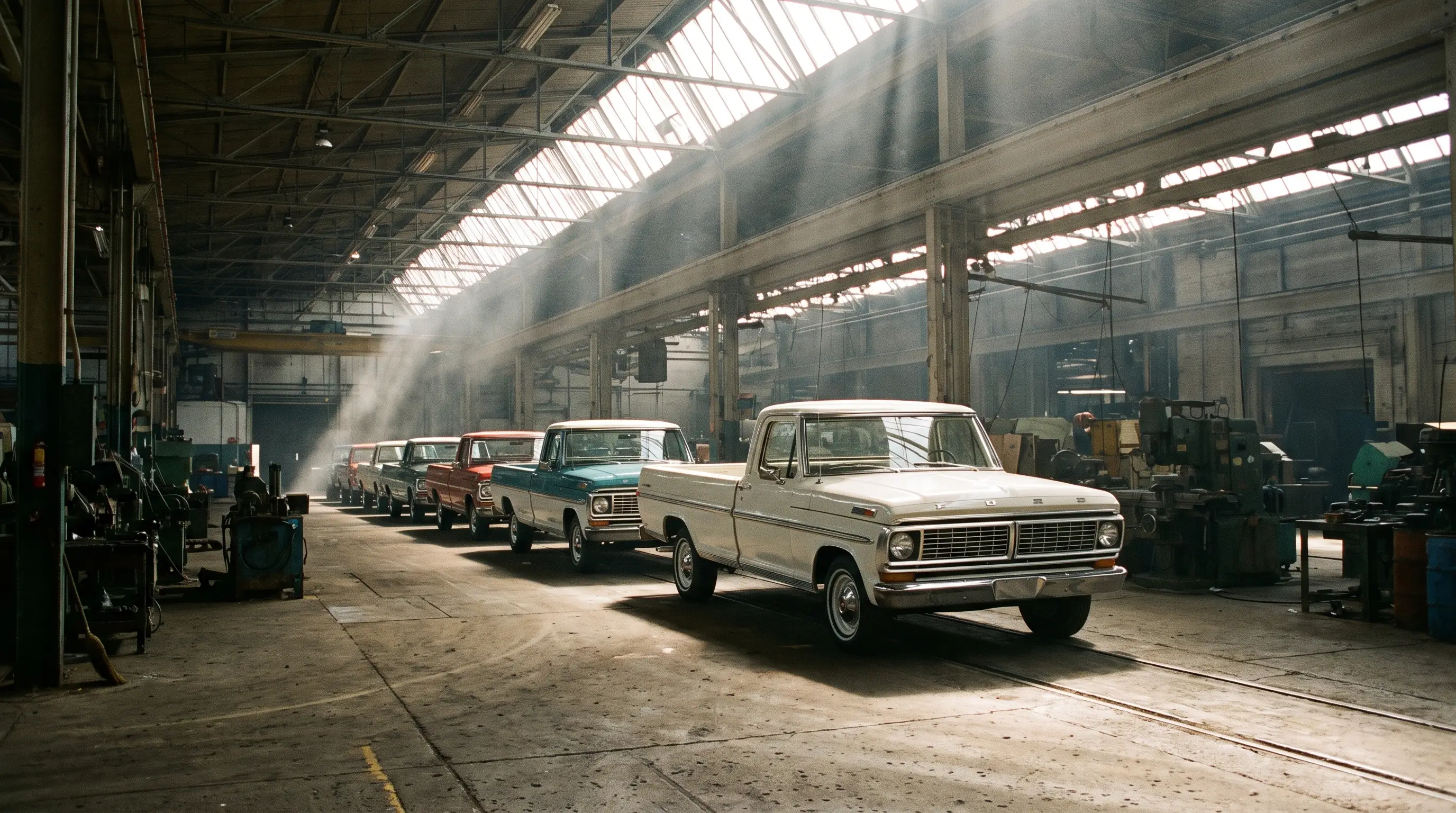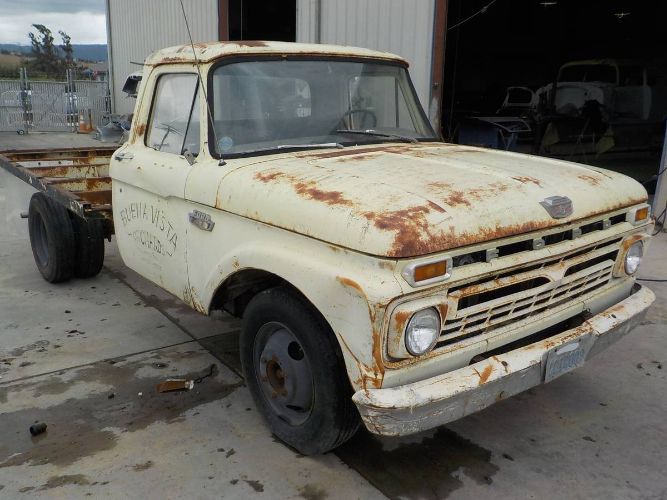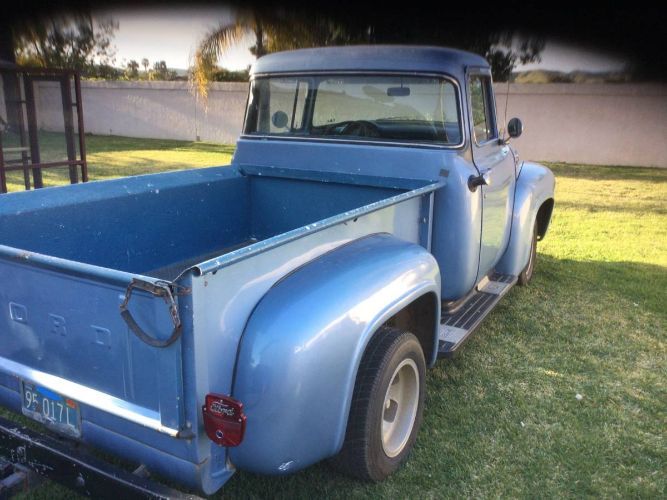
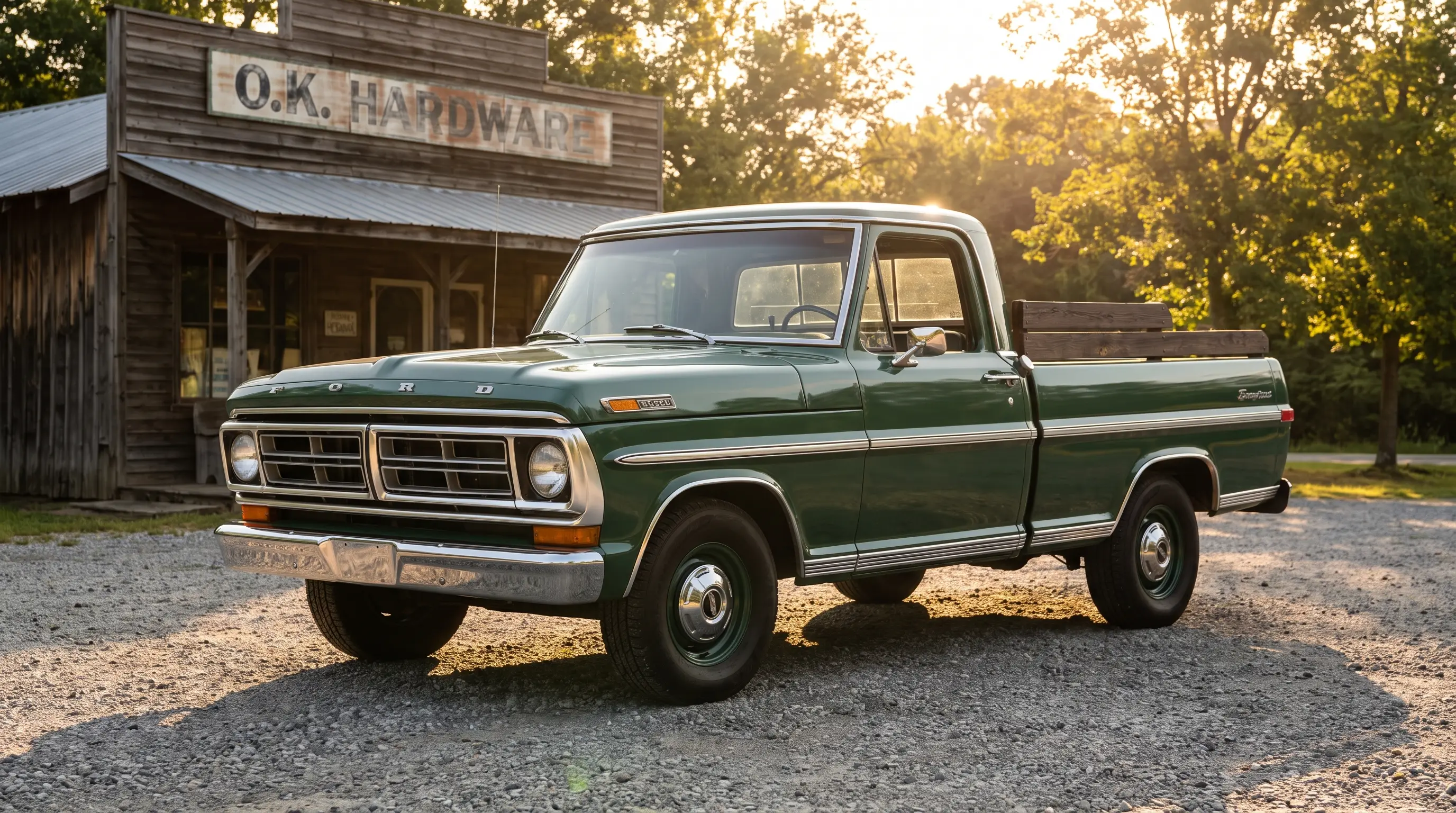
Among collectors who study the fifth-generation F-100 closely, one model year keeps surfacing as the quiet favorite: 1972. It closed out a six-year production run, and closing years in Ford's history often carry a refinement that earlier examples lack. The 1972 Ford F100 desirable reputation is not built on rarity or a headline feature. It rests on something more subtle, the accumulated fixes and small upgrades that only show up once a design has been in production long enough to mature.
As someone who spends most of my research time comparing build sheets and factory literature across model years, I find 1972 interesting precisely because it rewards close reading rather than casual glance. The truck looks nearly identical to a 1971 from across a parking lot. Under the skin, it is a different proposition.
The last year of a mature design
Ford introduced the fifth-generation body for 1967, and by the time 1972 rolled off the line, the factory had five years of production experience baked into the tooling, the assembly process, and the supplier relationships behind it. Early production runs of any new vehicle carry teething problems, minor fitment issues, and supplier parts still being refined. Late production runs benefit from all of that groundwork being finished. If you want the whole picture of how the generation evolved from its 1967 debut, the fuller account sits in our the whole picture feature.
Panel fit, paint consistency, and interior trim quality all improved measurably across the run, and 1972 sits at the top of that curve. Collectors who prize originality and factory-correct presentation often find late-run examples easier to certify as authentic, simply because Ford had ironed out the small variances that plague early production trucks.
Engineering refinements that separate 1972 from earlier years
Ford used the years between 1967 and 1972 to steadily improve the F-100's chassis and drivetrain packaging. By 1972, the engine bay accommodated a broader spread of V8 options with cleaner installation, and the electrical system had been revised to handle the growing list of factory options buyers were ordering, from power steering to air conditioning. None of these changes announced themselves with a press release. They accumulated quietly, model year over model year, and 1972 is where they culminate.
The interior tells a similar story. Seat padding, door panel materials, and dashboard layout all saw small revisions across the run, and the final year benefited from every one of them. A well-preserved 1972 cabin tends to feel noticeably more finished than an early 1967 example, even though both wear the same basic dashboard architecture.
Braking and suspension components also matured across the run as Ford responded to real-world feedback from fleet buyers and private owners alike. A 1972 truck rides and stops with more confidence than the earliest trucks of this generation, a difference that matters enormously to anyone planning to drive their classic rather than trailer it to shows.
What collectors actually look for in a 1972
Documentation matters more with these trucks than casual buyers expect. A 1972 F-100 with its original build sheet, window sticker, or dealer paperwork intact carries a premium over an equally clean truck with no paper trail, because that documentation proves the truck is exactly what it appears to be rather than a later reassembly of period-correct parts. Collectors chasing concours-level presentation treat paperwork as seriously as they treat sheet metal.
Color and trim combination matter too. Ford offered an expansive palette by 1972, and certain combinations that were rare when new have become genuinely scarce today, simply because fewer buyers ordered them and fewer of those trucks survived the decades since. A base-trim truck in a common color will always be more available than a Ranger XLT in an unusual factory hue, and the price gap between the two reflects that scarcity honestly.
| Detail | 1972 Ford F-100 |
|---|---|
| Generation position | Final year of the fifth generation, 1967 to 1972 |
| Key advantage | Most refined production run of the Bumpside body style |
| Engine options | 240 and 300 sixes, 302, 360, 390 V8 choices |
| Collector focus | Documentation, original trim combinations, panel fit |
| Followed by | Sixth generation Dentside beginning 1973 |
"When I evaluate a truck from this generation for authenticity, the late production examples give me the fewest surprises. Ford had worked out the kinks by then, and it shows in every panel gap I measure."
- Sarah Whitfield
The historical context behind the 1972 model year
1972 arrived at an interesting inflection point for the American truck market. Buyers were increasingly cross-shopping pickups against passenger cars for daily use, and Ford's factory option list reflected that shift with more comfort features than the truck had carried at its 1967 launch. A collector examining a 1972 example today is essentially looking at the moment the American pickup truck finished its transition from pure work tool to genuine daily driver, a transition that shaped every truck Ford built afterward.
That context adds weight to why serious collectors seek these trucks out specifically, rather than settling for any Bumpside-era example. The historical position of 1972, sitting right at the hinge point between eras, gives it a significance that goes beyond its sheet metal. If you want to see what is currently on the market, you can find a classic F-100 and compare condition and originality across the range of available trucks.
Why the reputation holds up under scrutiny
Desirability claims in the classic truck world often collapse once you check the paperwork. The 1972 F-100's reputation does not. It is grounded in verifiable production refinement, genuine historical positioning, and documentation patterns that reward careful buyers. For anyone building a collection with an eye toward authenticity rather than just curb appeal, 1972 remains one of the smartest years in the entire F-100 lineage to pursue.
There is also a practical argument that gets overlooked in the excitement over provenance and paperwork. A 1972 truck, being the newest example of its generation, generally has fewer decades of hard use behind it than a 1967 or 1968 truck bought new and driven daily through the early seventies. That is not a universal rule, since condition always depends on how any individual truck was stored and maintained, but as a broad pattern it holds. Buyers comparing two otherwise similar trucks often find the later example carries less accumulated wear on the chassis and drivetrain, simply because it had less time in active service before the collector market began taking notice of the generation.
None of this means earlier Bumpside trucks are lesser vehicles. A well-documented 1967 launch-year example has its own historical weight, being the truck that introduced the body style in the first place. But for buyers specifically weighing originality, panel fit, and drivetrain refinement against one another, the evidence consistently points toward the final year of production as the strongest all-around choice. That is the quiet consensus among researchers who spend their time comparing these trucks side by side rather than simply admiring them from a distance, and it is a consensus built on documentation rather than sentiment.