
A Ford F-100 popularity revival is playing out in real time, and most of it did not start in a garage. It started on a phone screen. Trucks that sat in barns for twenty years with a for-sale sign taped to the windshield are now getting more attention from a fifteen-second video than they ever got from a classified ad. I have watched this shift happen from the shop floor, and it has changed who walks through my door asking about an F-100.
Car Features
7 min read
How Social Media Revived the Classic F-100
A shop mechanic's view on how short-form video pulled the F-100 out of the barns and back into demand, and what that means for buyers today.
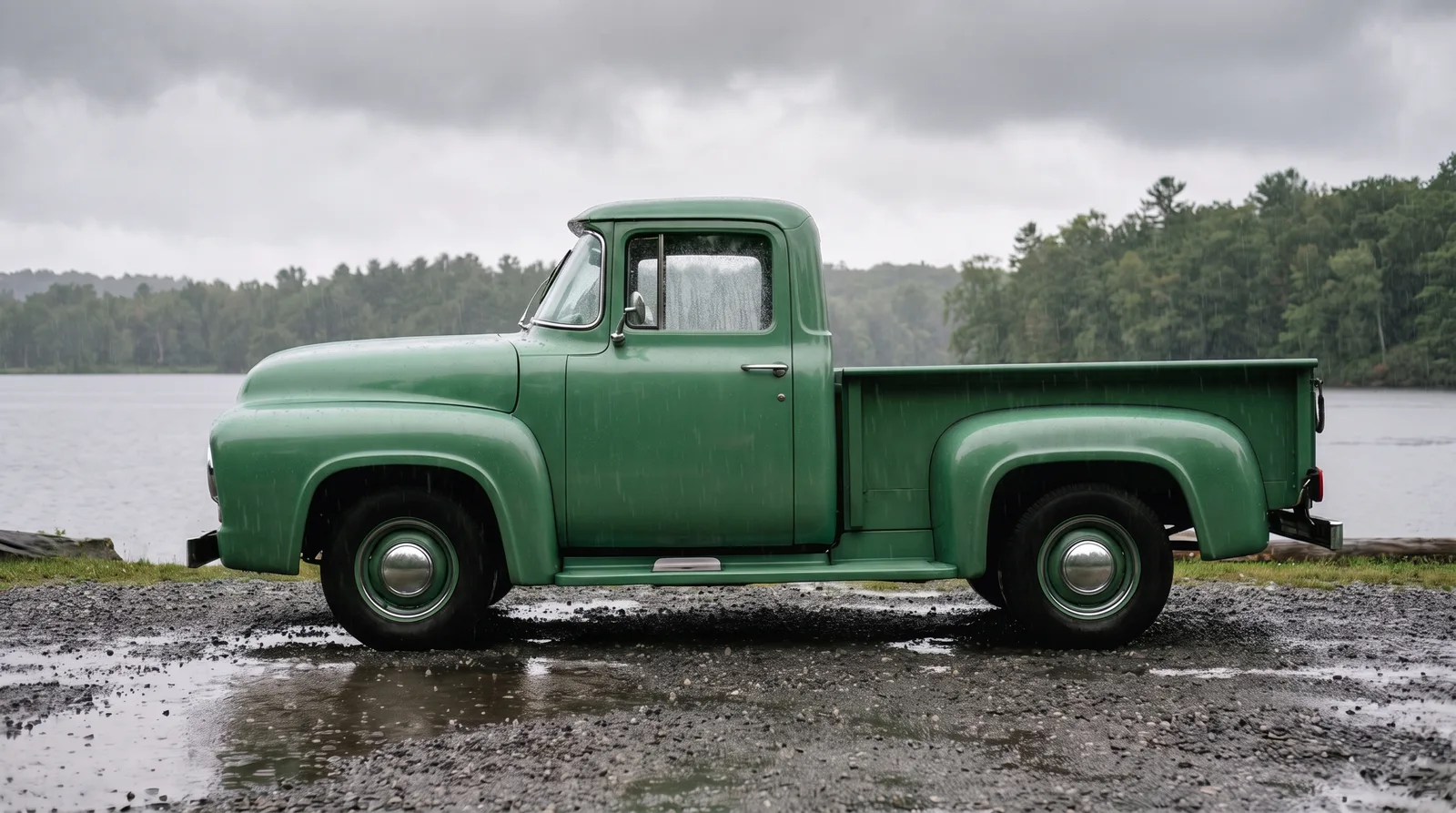
The phone did what the classifieds never could
For decades, finding an F-100 meant word of mouth, a swap meet table, or a newspaper with a blurry photo. That system worked fine if you already knew what you were looking for. It did nothing for the twenty-five-year-old who had never thought about a 1956 F-100 in his life. Social platforms changed the math. A short clip of a stepside truck starting up, or a before-and-after of a rusted cab getting new metal, reaches people who were never going to attend a car show. The algorithm does not care if the viewer knows what a straight axle is. It just serves the video to anyone who watched something similar, and a lot of those viewers stick around.
I am not going to pretend I understand the algorithm. I understand torque specs and rust repair, not engagement metrics. But I know what happens after one of those videos gets traction, because the phone in my shop starts ringing with people asking questions nobody asked five years ago. They ask about parts availability, about whether a certain cab style is rare, about what a fair price looks like. Five years ago those calls were rare. Now they are routine, and a good chunk of them trace straight back to something a customer watched the night before.
Who is actually buying these trucks now
The buyer pool looks different than it did when I started turning wrenches. It used to skew heavily toward guys in their fifties and sixties chasing the truck their dad had, or the one they wanted in high school and could not afford. That crowd is still buying, and they still know more about a 292 Y-block than most people will ever need to know. But now there is a second group showing up alongside them, younger, often with money from somewhere outside the car world entirely, and they found the truck online before they ever sat in one.
They are not always chasing nostalgia. Some of them just like how the truck looks parked outside a coffee shop, and that is fine by me. A truck getting driven and appreciated is better than one rotting in a field, whatever the reason someone bought it. What I have noticed is that this newer buyer tends to want the truck finished and functional rather than a long-term project, which has pushed demand toward trucks that are already sorted, not barn finds needing a decade of work.
"I've had customers pull up a phone screen and ask me to make their truck look like a video they saw an hour earlier. Ten years ago nobody walked in here with a reference like that. Now it's half my consultations."
- Mike Sullivan
The restomod crowd gets the spotlight, the stockers get the credibility
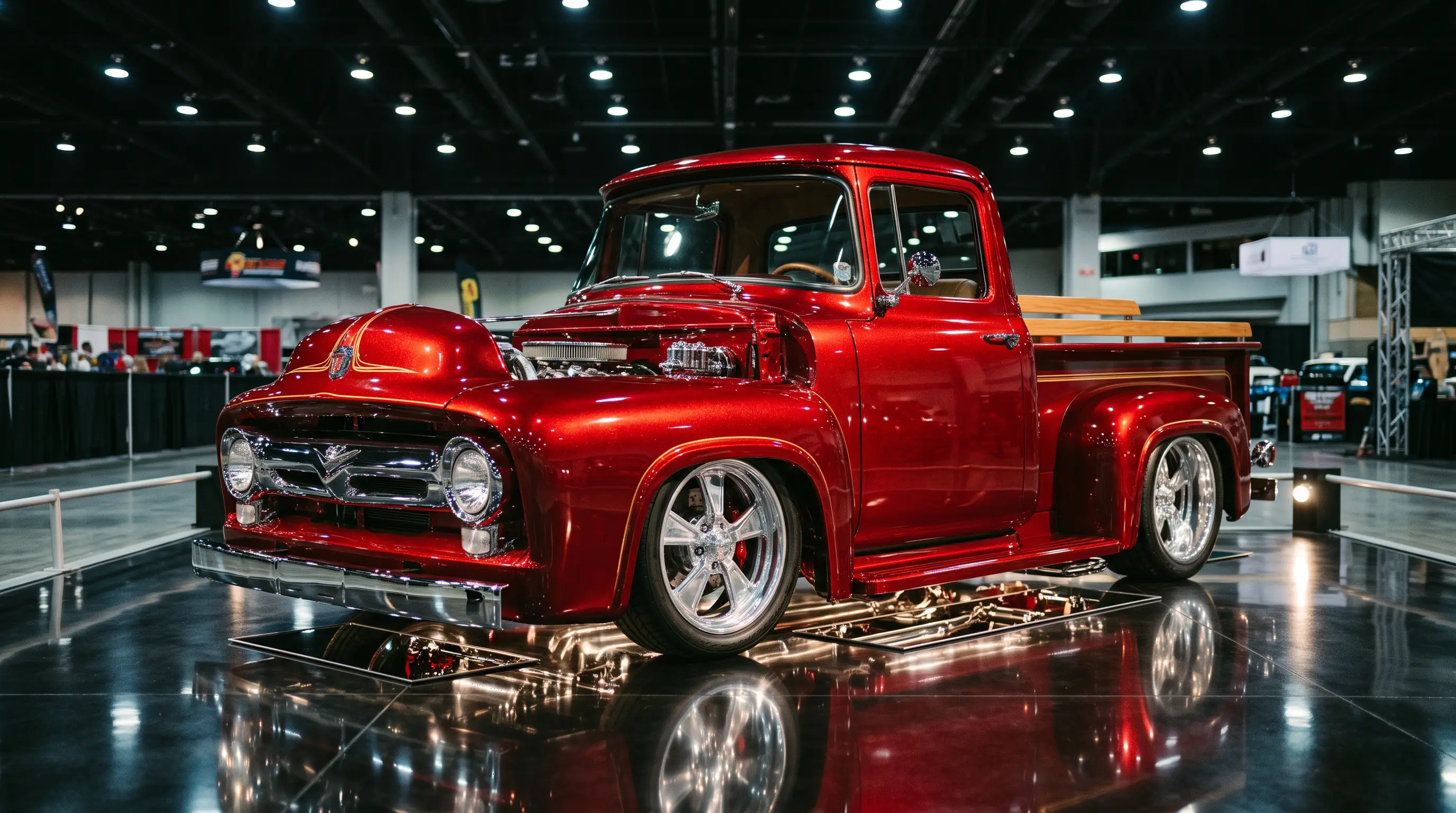
Most of what goes viral is restomod work. Modern drivetrains under a vintage body, disc brakes, air conditioning, paint that costs more than the truck did new. That stuff photographs well and drives well, so it is what spreads. If you want to understand where this started, the custom scene has been quietly building toward this for a long time, long before anyone was filming it for an audience.
But here is the thing that gets lost online: the stock and lightly restored trucks are what actually anchor the values. A correct, numbers-consistent 1953 F-100 in original configuration is not going to rack up a million views doing a burnout, but it is the truck that serious collectors and appraisers use as a benchmark. Social media pushes attention toward the flashiest builds, and that attention has a way of lifting the whole market, stock trucks included, even when the algorithm itself has no idea a matching-numbers truck is worth more than a resto-modded one with an LS swap under the hood.
What this means if you are shopping right now
Increased visibility has done what increased visibility always does to a limited supply of old trucks: it has pushed prices up, especially on clean, driver-quality examples in the 1953 through 1956 and 1967 through 1972 ranges, which happen to be the years that photograph best and that most of the viral content features. Rougher trucks and less popular years have not moved nearly as much, which if you are patient and not chasing a specific look, is where the value still sits.
A market built on attention does not always reward substance
I will say this plainly: some of what gets popular online is not built to last, mechanically or in terms of resale. A truck rushed through a build to hit a posting deadline is not the same as one built by someone who has spent thirty years learning what actually holds up on the road. Buyers new to the hobby do not always know the difference yet, and that is where they can get burned.
Still, I would rather have this problem than the alternative. Twenty years ago these trucks were disappearing, crushed for scrap or left to rot because nobody under forty wanted one. Now there is a real market, real demand, and enough buyers that a truck sitting in a barn actually has somewhere to go. Parts suppliers I have used for decades are stocking more inventory than they did ten years ago, which tells me this is not a short-lived trend. It is demand with money behind it, and that keeps small reproduction parts companies in business, which in turn makes every restoration easier for the next guy.
If you are ready to look, you can shop classic F-100 listings and see what is actually available rather than what is trending this week. The Ford F-100 popularity revival is real, it is not going away soon, and for those of us who have kept these trucks running through the lean years, it is honestly a relief to see them valued again.
Sources and notes
- Hagerty Insider - collector truck market trends
- Hagerty Valuation Tools - 1956 Ford F-100
- Wikipedia - Ford F-Series second generation
- Ford F100s - 1953-1956 second generation specs and values
- FORDification.net - 1973-1979 Ford F-Series production numbers
- Ford Truck Enthusiasts - production numbers discussion
Related Reading
Have a
Ford F-100
for Sale?
Reach thousands of serious classic car collectors across the US.
Sell It Here →
Are You a Classic Car Dealer?
List your full inventory and connect with targeted classic car buyers.
Join as a Dealer →

About the author
Mike Sullivan
Detroit-area muscle car enthusiast and restoration specialist with three decades of hands-on experience working on American iron.
Related Listings - Ford F-100
Comments
Be the first to comment on this article.