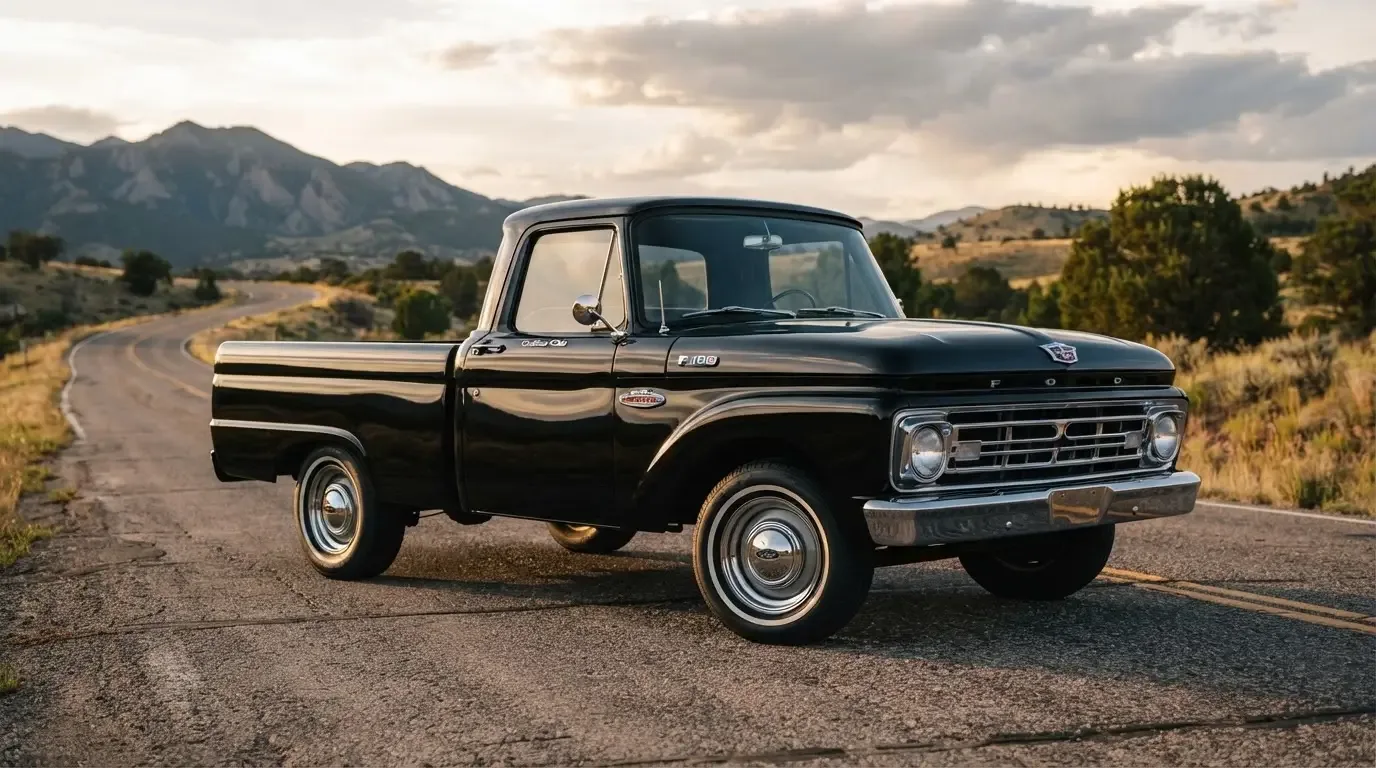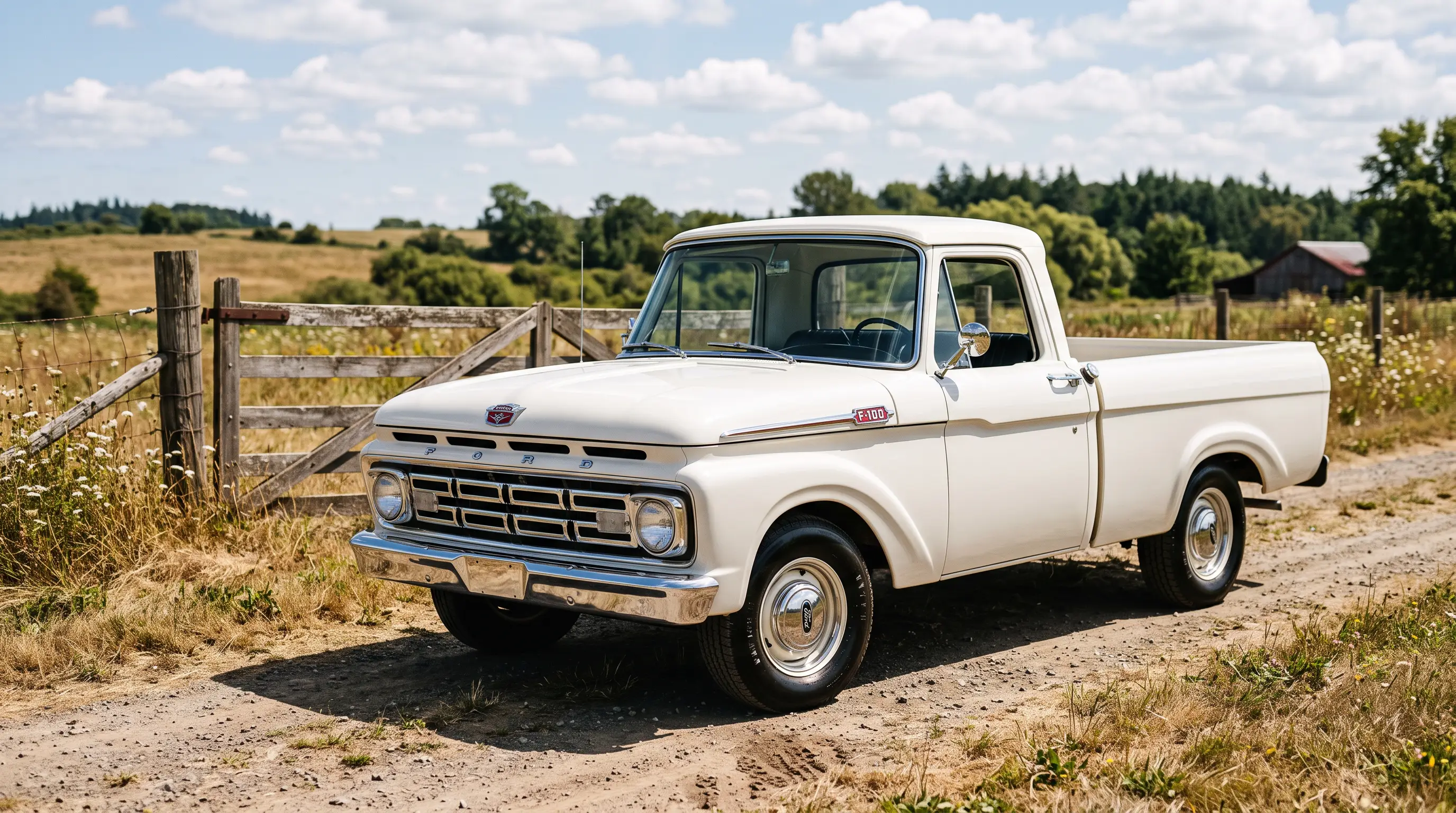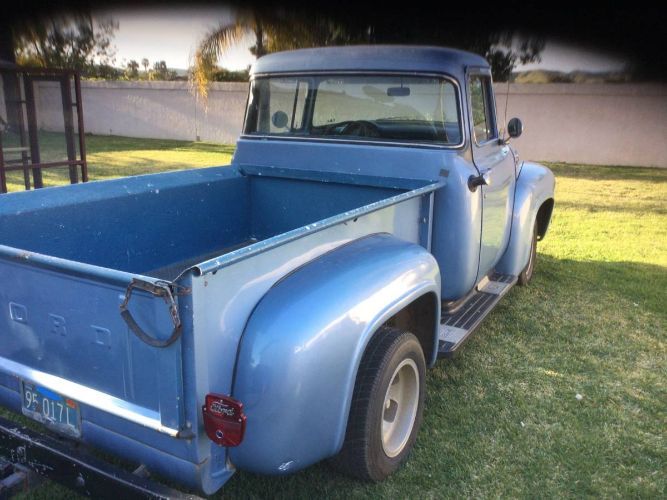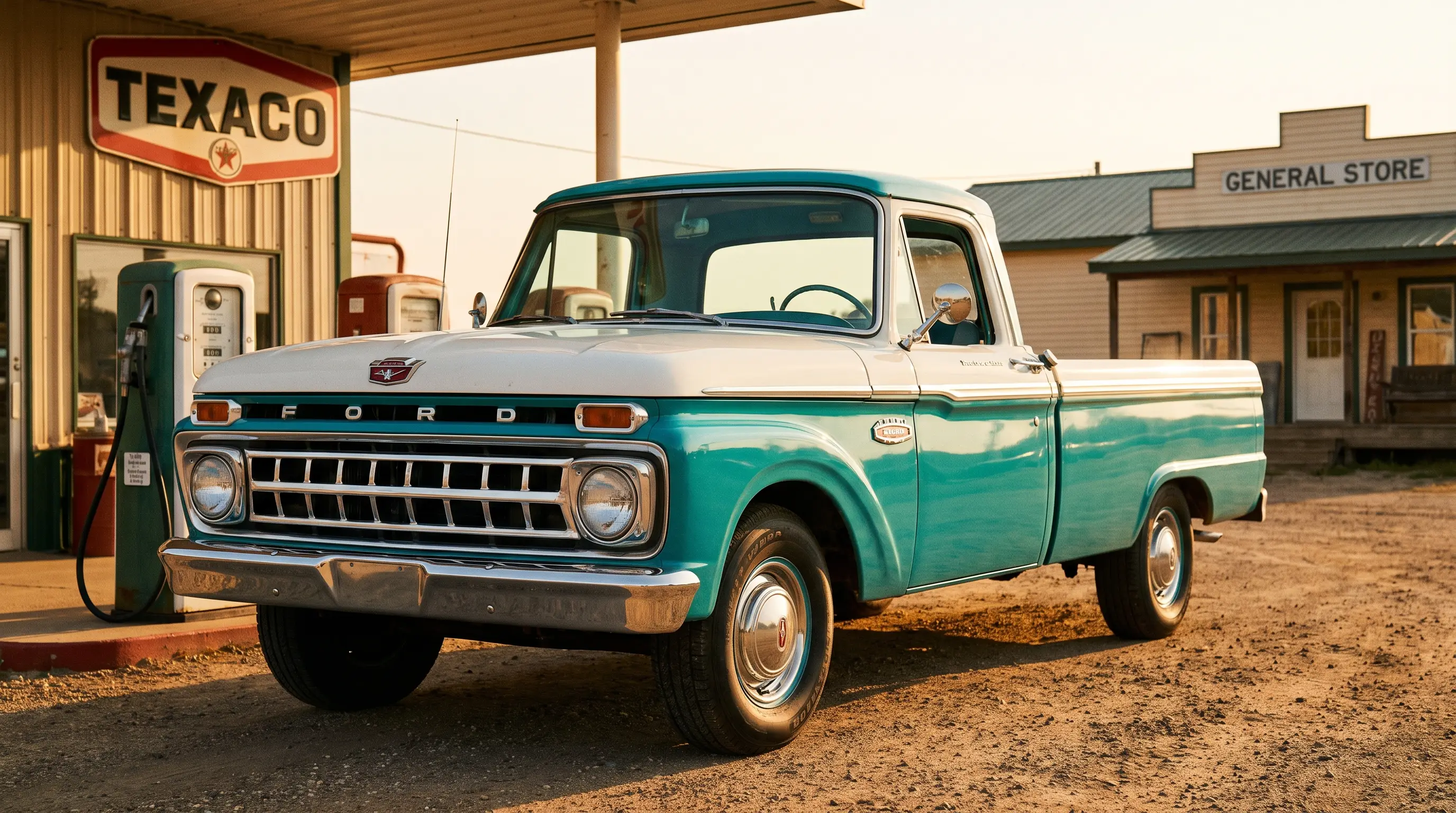
The Ranger name gets thrown around loosely by folks who only know Ford's compact pickup from the 1980s and beyond, but the badge started life a lot earlier and a lot humbler, as a trim package bolted onto the Ford F-100. If you have wrenched on enough of these trucks, you know the difference between a base work truck and a Ranger-trimmed example the second you open the door, and that difference tells you something real about how Ford was reading its customers back in the mid-1960s.
Not a model, a dress-up package
When Ranger showed up for the 1965 model year, it was not a separate truck. It was an appearance and comfort package layered on top of the standard F-100, aimed at buyers who wanted their truck to look and feel less like a stripped-down work rig and more like something they would not mind driving to church on Sunday. That distinction matters if you are working on one today, because underneath the extra chrome and upgraded cloth, a Ranger-trimmed F-100 is mechanically the same truck as a base model with the same engine options and the same running gear.
What actually separated a Ranger from a base truck
Pop the door on a Ranger-package truck and you would typically find brighter interior trim, full carpeting, two-tone upholstery, extra sound deadening that made the cab noticeably quieter on the highway, and in some configurations bucket seats with an optional center console, a genuinely upscale touch for a half-ton work truck in the mid-1960s. On the outside, Ranger trucks usually carried additional exterior brightwork and badging that set them apart from a plain-Jane work truck sitting next to them on the lot. None of it changed how the truck drove or how much it could haul. It changed how it felt to spend eight hours a day in the cab, which for a lot of buyers was worth paying extra for.
Working on one today
From a shop standpoint, the good news about Ranger-trimmed trucks is that nothing about the badge complicates a repair. Engine, transmission, brakes, and suspension parts interchange with any other F-100 from the same model years, so sourcing mechanical components is no harder than on a base truck. Where things get trickier is the trim itself. Original brightwork, badging, and specific upholstery patterns from a Ranger package are harder to find than generic replacement parts, and anyone restoring a Ranger truck to original spec should expect to spend more time hunting NOS or reproduction trim than tracking down a water pump or brake drum.
"Guys bring me a Ranger truck expecting it to be some different animal under the hood. It's not. Same six, same V8 options, same brakes as the base truck sitting three spots down. What you're paying extra for is quieter and it looks nicer, and there's nothing wrong with that, just know what you're actually buying."
- Mike Sullivan
How the badge fit into Ford's broader trim strategy
Ranger did not appear in isolation. Ford was in the middle of a broader shift across its whole truck lineup toward offering multiple trim tiers rather than a single take-it-or-leave-it work spec, and the Ranger package on the F-100 was part of that larger pattern. The same instinct that led Ford to build the Camper Special for a specific type of buyer also drove the Ranger package, an acknowledgment that pickup buyers were no longer a single homogenous group of fleet operators and farmers, but a market that included plenty of people cross-shopping a truck against a car for their daily driving needs.
What to check before you buy a Ranger badge
Because the Ranger name carries real cachet with buyers, it also draws its share of trucks wearing badges that were not there from the factory. Before paying a premium for a truck advertised as a genuine Ranger package, verify the trim tag and, where possible, any surviving factory documentation, since a base truck with a swapped badge and some added chrome can look convincing to anyone who does not know exactly what to check. That kind of verification matters more with these trucks than with a lot of other trim variations, precisely because the visual upgrades are straightforward enough to fake if a seller wants to inflate the asking price.
The wider context here fits into the whole picture of how Ford's F-100 lineup evolved through the 1961 to 1966 generation, adding trim and comfort options as buyer expectations shifted away from pure utility. For anyone shopping the used market, genuine Ranger trucks tend to command a bit more money, and that premium is fair given how much nicer the cab is to live with day to day. If you are hunting one, browse current listings to shop classic F-100 listings and always check the trim tag against the badge before you commit, because a real Ranger is worth the extra, and a fake one is not.
What I tell customers looking at these trucks
When somebody rolls a Ranger-badged F-100 into the shop for a pre-purchase inspection, I run the same mechanical checks I would on any base truck of the same year, brakes, frame condition, rust in the usual spots, engine compression if they will let me. The badge does not change any of that. What it does change is how much I tell them to budget for trim if pieces are missing or damaged, since replacing a cracked dash pad or a torn seat cover on a Ranger truck costs more and takes longer to source correctly than the same repair on a base truck. Buyers need to go in with that expectation clear, not discover it three months into a restoration when a part they assumed would be easy to find turns out to be anything but.
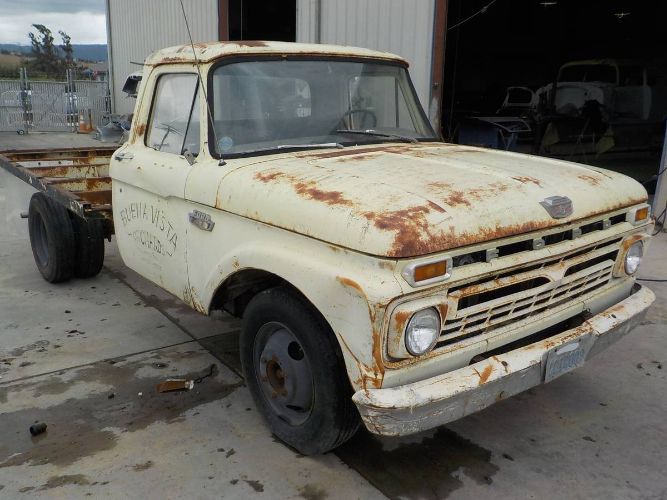
I also tell people not to overlook a base truck just because they had their heart set on a Ranger badge. A clean, mechanically sound base F-100 with no rust and honest miles is a better buy than a rough Ranger truck with a rotted floor and missing trim, every single time. The badge adds value when everything else checks out, it does not rescue a truck that has real problems underneath it. Too many buyers get fixated on the name and lose sight of the fundamentals, and that is exactly backwards from how you should be shopping this generation of truck.
Parts and labor, honestly assessed
On the mechanical side, expect roughly the same labor hours and parts costs on a Ranger truck as you would on any base F-100 from the same model year, since the drivetrain, brakes, and suspension are shared across the whole lineup. Where the bill grows is strictly in trim-specific pieces, and even then, the gap has narrowed over the years as reproduction suppliers have caught up with demand from collectors who specifically want a correct Ranger interior. It is still more work than a base truck, but it is no longer the parts-hunting nightmare it might have been a couple of decades ago, and that is worth knowing before you assume a Ranger restoration is automatically a much bigger financial commitment than a base truck build.