
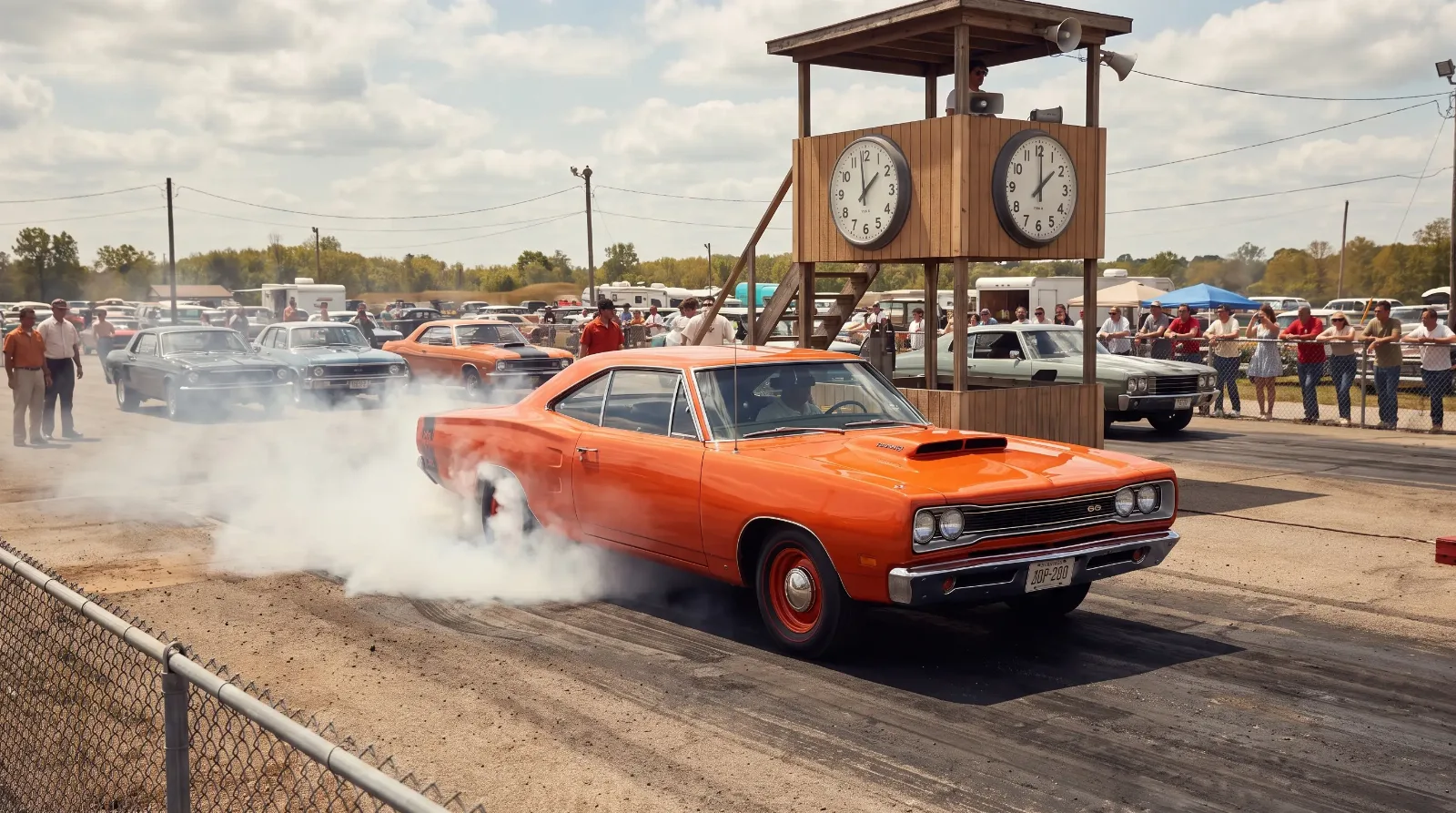
There is a certain kind of car that only makes sense at a drag strip, and the factory lightweights are the purest example. These were production cars in name only. Underneath, the manufacturers had done everything short of illegal to cut weight, because in stock-based drag classes weight was the enemy. Strip out the steel, hang aluminum where you could, dip the shell in acid to shave a few more pounds, and you had a car that ran a class number nobody else could touch. I have spent my life around builds that chase a vision over a spec sheet, and these cars are the factory version of exactly that.
Car Features
6 min read
Factory Lightweight and Experimental Drag Cars
Aluminum panels, acid-dipped shells and altered wheelbases. How the factory lightweight drag cars beat the class rules and bred the funny car.
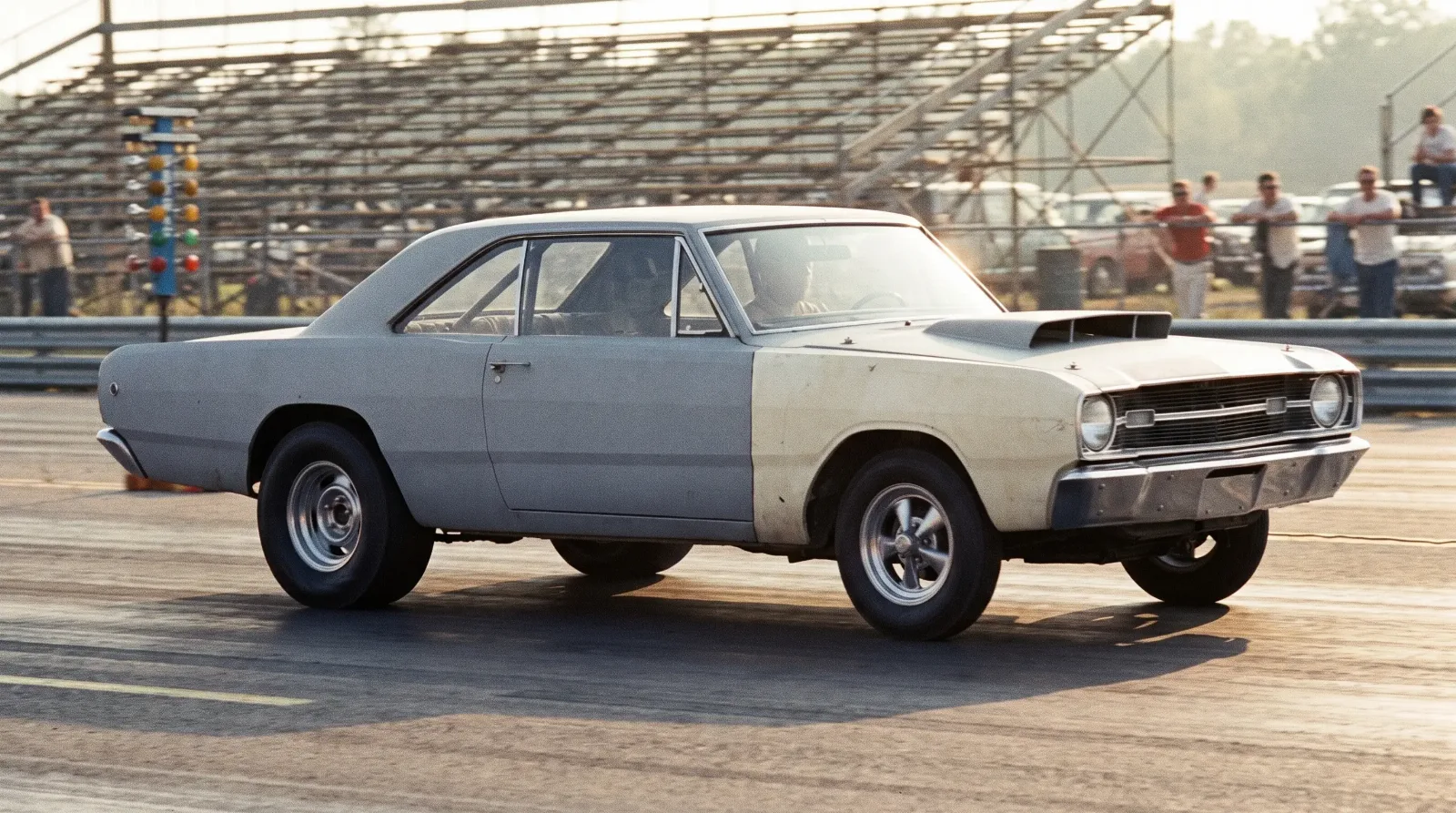
The lightweights are where Detroit stopped pretending these were street cars. They were weapons with a warranty disclaimer. To understand the class structure that pushed the factories this far, the drag racing history explained pillar lays out how the brackets worked. Here I want to walk through the cars and the tricks that built them.
Why weight was the whole game
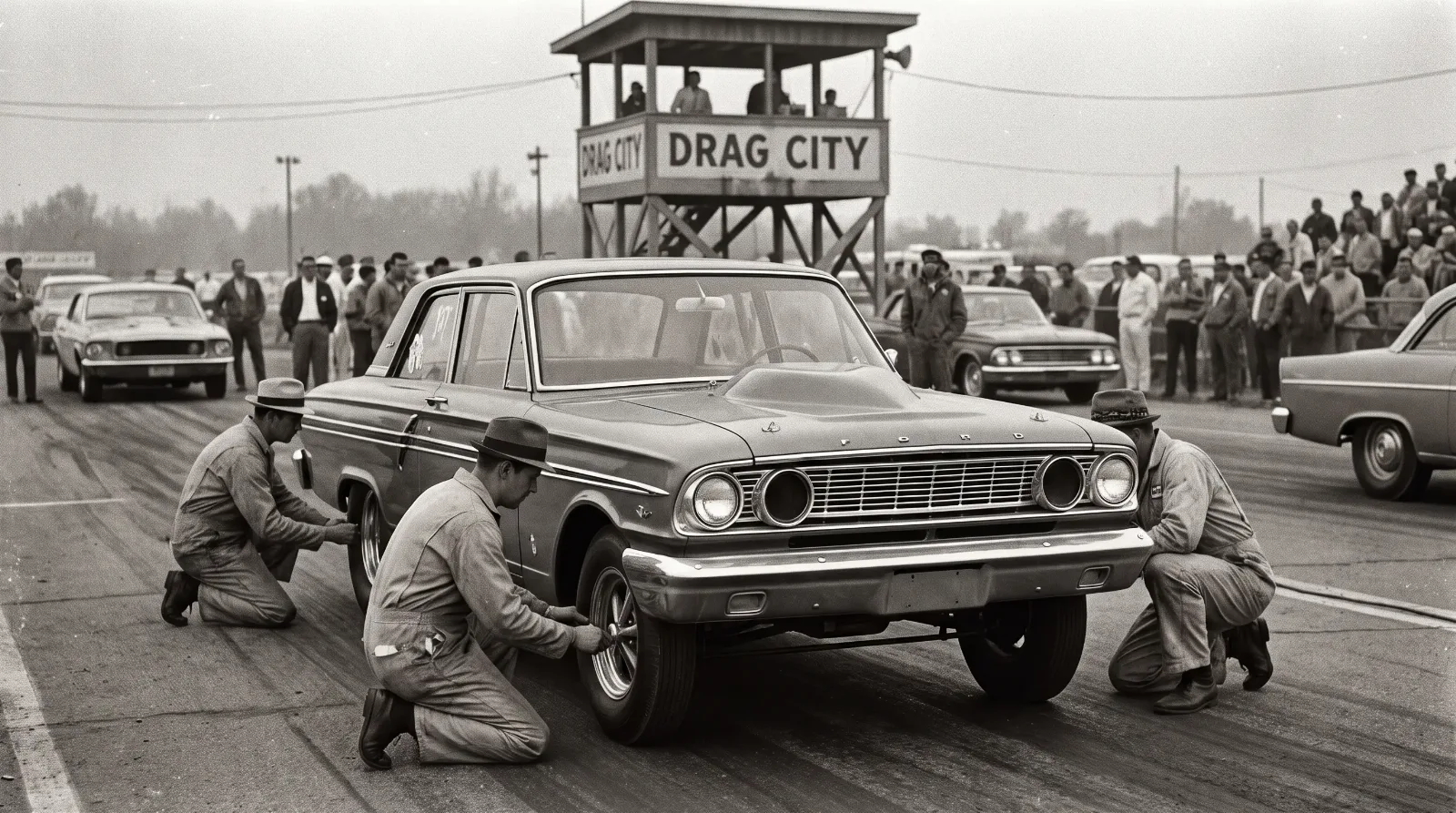
Stock and Super Stock classes sorted cars by a weight-to-horsepower formula. Since the factories could only push published horsepower so far without getting bumped into a tougher class, the smarter play was to attack the other side of the equation. Take weight out. Every pound you removed improved your ratio and your elapsed time, and none of it showed up on the horsepower rating.
So the engineering departments went hunting for pounds everywhere. Body panels, bumpers, glass, sound deadener, heater, radio, even the paint in some cases. The goal was a car that met the letter of the class rules while weighing far less than a normal production version. It was a loophole, and the factories drove a truck through it.
Weight distribution was the other half of the puzzle. It was not enough to make a car light. You wanted the weight sitting where it helped, which usually meant getting more of it over the rear tires for traction on the launch. That is why the batteries got relocated to the trunk, why the front sheet metal went aluminum, and eventually why the whole rear axle got moved forward on the wildest cars. A builder learns fast that a fast car is a balanced car. The factory teams knew it too, and they chased every trick that shifted the balance in their favor without breaking the letter of the rules.
Aluminum, acid, and plexiglass
The tricks became standardized quickly. Aluminum replaced steel on fenders, hoods, and front-end sheet metal. Front and rear bumpers got swapped for aluminum copies. Side and rear glass got replaced with thin plexiglass, which weighed a fraction of real safety glass. Interiors were gutted, with lightweight bucket seats and rubber mats where carpet used to be.
The most extreme step was acid-dipping. The factory or its contractor would submerge a body shell in acid to eat away metal thickness, leaving the panels thinner and lighter than anything that came down a normal line. It worked, though it left the shells fragile. These were not cars you daily drove. They were built to survive a season of quarter-mile passes and not much else.
The cars that defined the breed
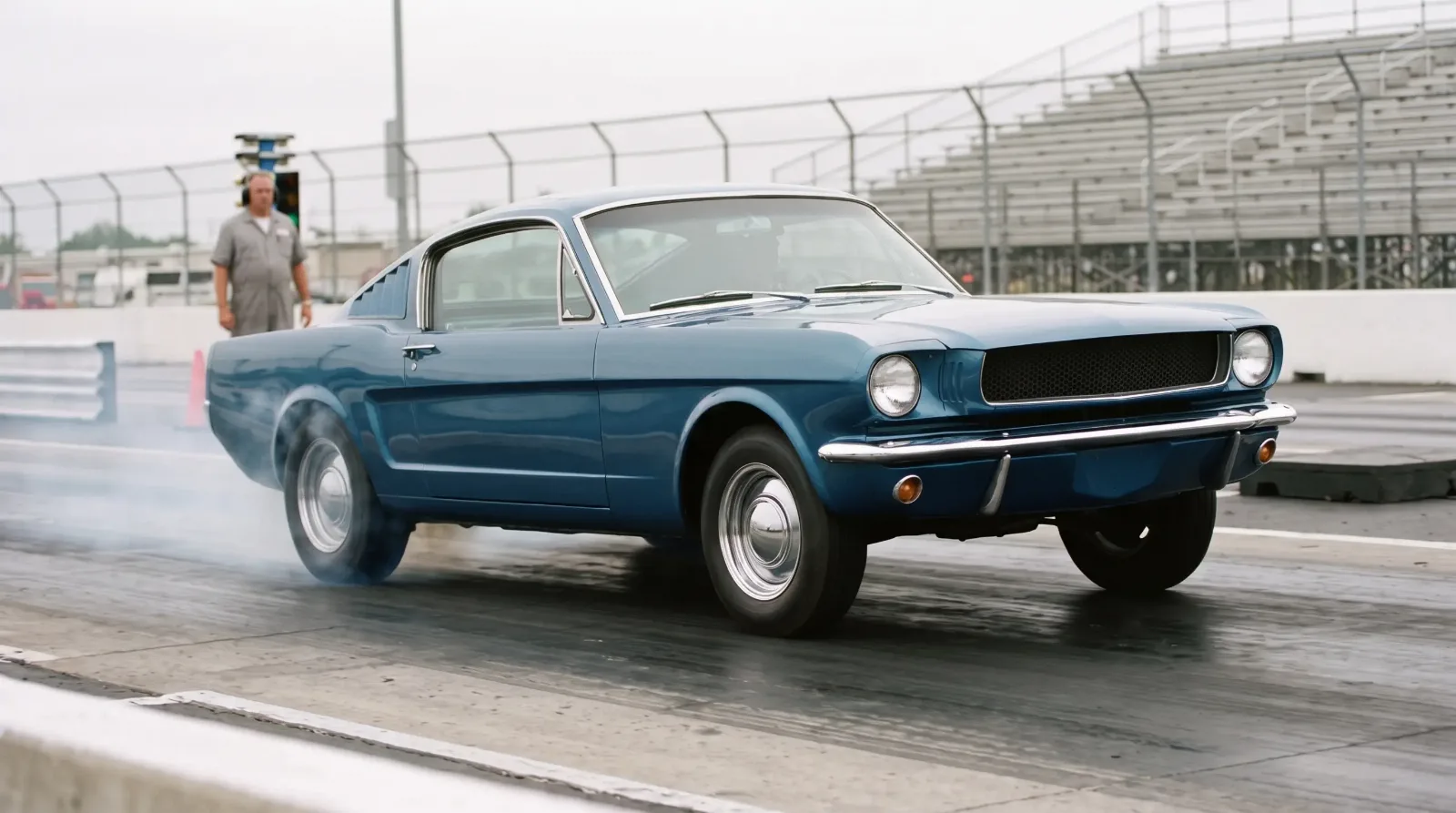
The early lightweights came from all three of the big players. Ford built lightweight Galaxies for 1963 with fiberglass and aluminum parts and the 427 engine, then took the idea further with the 1964 Thunderbolt, a Fairlane packed with a 427 high-riser and built in a run of about 100 cars. Chevrolet answered with the 1963 Z11 Impala, a 427 W-engine car with an aluminum front end, made in tiny numbers before GM pulled out of racing.
Chrysler was relentless. The Max Wedge cars used aluminum front-end panels to cut weight, and by 1965 the factory was building altered-wheelbase cars that moved the axles forward for better weight transfer. Those A/FX machines looked wrong on purpose, and they became the direct ancestors of the funny car. The line ends, for a lot of collectors, at the 1968 Hemi Darts and Barracudas, acid-dipped A-bodies with the 426 Hemi and a factory note that they were not for street use.
| Car | Year | Engine | Key lightweight trick |
|---|---|---|---|
| Ford Galaxie Lightweight | 1963 | 427 V8 | fiberglass and aluminum panels |
| Chevrolet Z11 Impala | 1963 | 427 W-series V8 | aluminum front end |
| Ford Fairlane Thunderbolt | 1964 | 427 high-riser V8 | fiberglass panels, plexiglass |
| Dodge and Plymouth A/FX | 1965 | 426 Hemi V8 | altered wheelbase, weight forward |
What the lightweights left behind
These cars did two things that outlived them. First, they pushed the sport toward purpose-built machines, because once you accept a car does not need to function as transportation, the funny car and the pro racer are only a few steps away. The altered-wheelbase cars are the missing link between a stock body and a full race car. Second, they made a genuine factory lightweight one of the most desirable American racing artifacts you can own.
Authenticity is everything with these. A real acid-dipped, aluminum-paneled factory car is worth a fortune, and there are far more clones and tributes than originals. Anybody chasing one needs documentation, and needs it verified by somebody who knows what a genuine shell looks like. The engineering behind these cars still impresses me. No computers, just a deep understanding of weight, traction, and exactly how the rulebook was written. To see how the different racing bodies competed to sanction all this, read the full story.
"A factory lightweight isn't a hopped-up street car. It's a race car the factory happened to give a title, built to a rulebook by people who knew every ounce mattered. Respect what they pulled off with no computer in the room."
Jim Vasquez
The lightweights represent the moment Detroit stopped hedging and built openly for the strip. Everything after them, the funny cars, the pro stockers, the modern factory drag programs, owes a debt to a handful of acid-dipped shells and the engineers who dared to build them.
Related Reading
Have a
Classic Car
for Sale?
Reach thousands of serious classic car collectors across the US.
Sell It Here →
Are You a Classic Car Dealer?
List your full inventory and connect with targeted classic car buyers.
Join as a Dealer →

About the author
Jim Vasquez
Southern California hot rod and custom car builder with roots in the traditional kustom kulture scene.
Comments
Be the first to comment on this article.