
People talk about the muscle car era like Detroit woke up one morning and decided to sell horsepower. It didn't happen that way. The factories got into racing on purpose, with budgets and engineers and a plan, because they figured out that winning on Sunday moved iron on Monday. I've pulled apart enough of the cars that came out of those programs to tell you the good ones were built by people who knew exactly what a rulebook allowed and squeezed every inch of it.
Car Features
6 min read
The Factory Racing Programs of the 1960s
How Ford Total Performance, Chrysler's Ramchargers, and GM's racing ban shaped the factory drag programs that built the muscle car era.
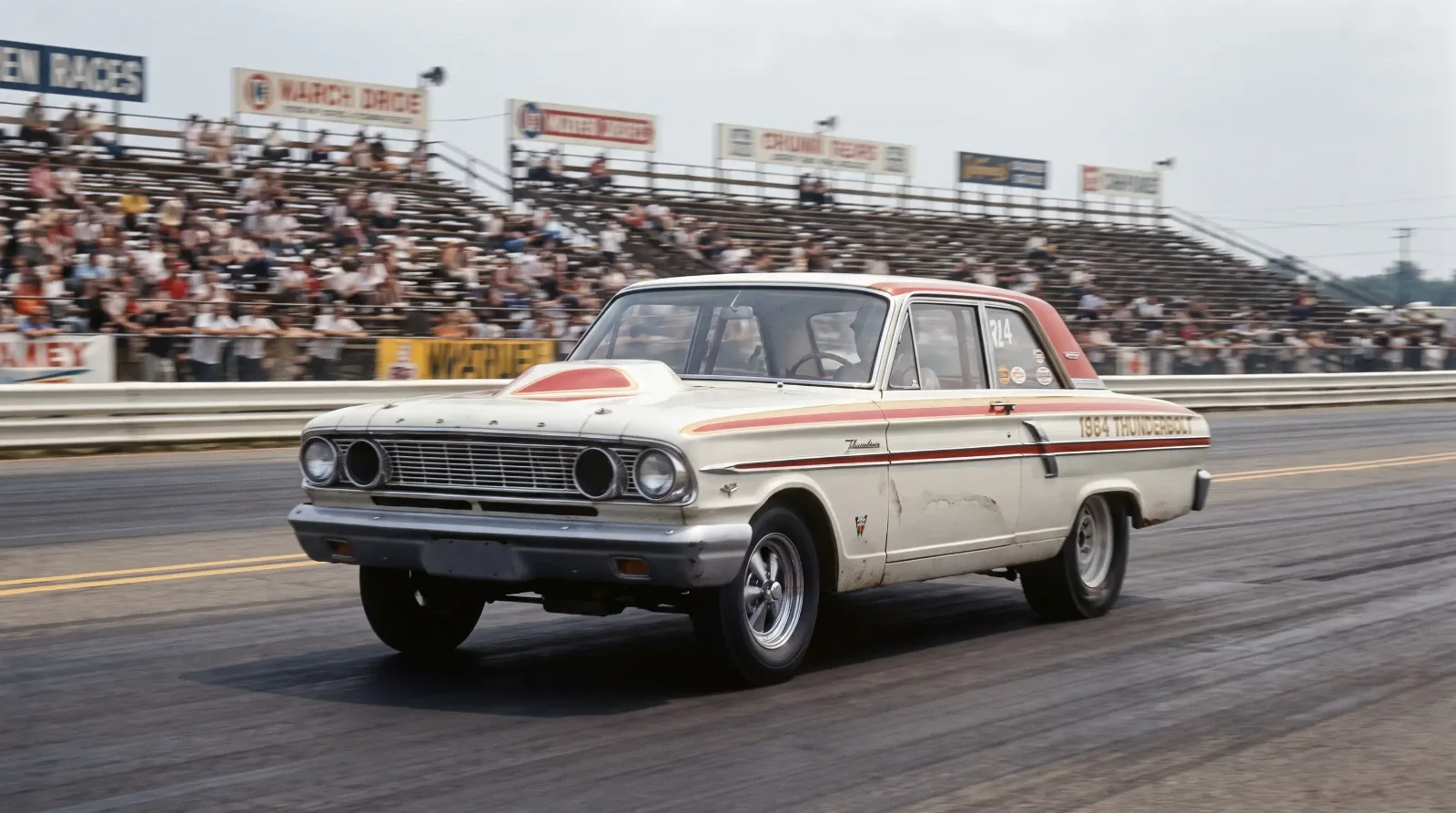
The 1960s factory racing programs are where the whole thing got serious. Ford, Chrysler, and General Motors each ran a different play, and the differences show up in the metal. If you want the wider our drag racing history guide covers the strips these cars ran on. This is about the corporate machine that built them.
Ford and Total Performance
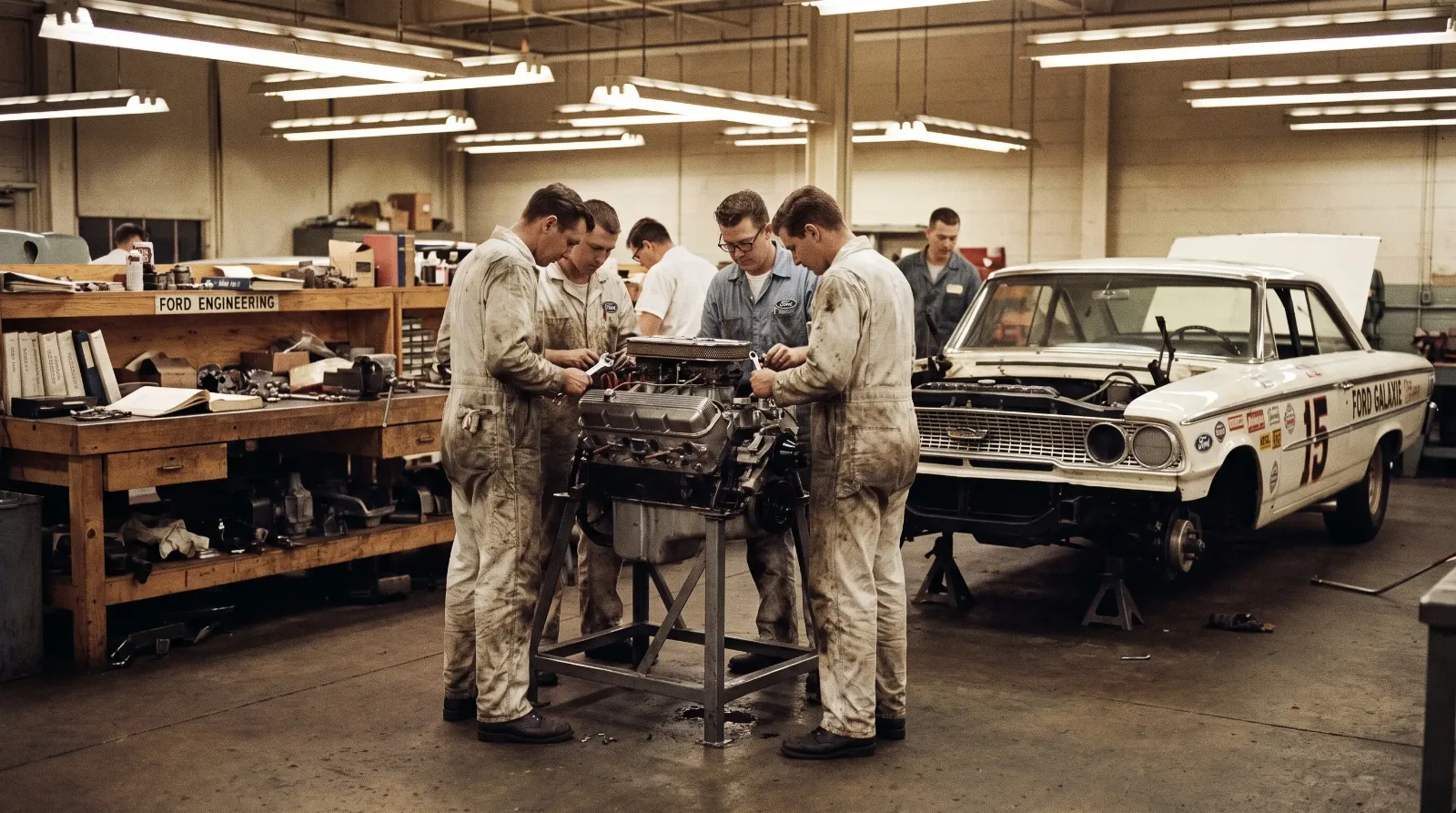
Ford made it official first, or at least loudest. Around 1962 the company kicked off its "Total Performance" campaign, the idea being that Ford would go racing in everything, everywhere, and win enough of it to make the point. Drag racing was one front of that fight.
The car that came out of it that still gets my respect is the 1964 Fairlane Thunderbolt. Ford took a midsize Fairlane, stuffed in the 427 high-riser, and gutted weight everywhere they legally could. Fiberglass, thin glass, deleted trim. It was a factory-built race car with a title, and it dominated Super Stock. Ford also ran lightweight Galaxies before that with the same 427 idea, big engine, small weight. The formula was blunt and it worked.
What made the Ford effort different was how open it was about being a marketing operation. Total Performance wasn't a skunkworks. It was a campaign, printed in the ads, tied to Le Mans and NASCAR and the strip all at once. Ford wanted you to connect the race car to the one in the showroom, and it spent real money making sure you did. The Thunderbolt was never going to be a volume seller. It was a rolling billboard, built in small numbers so Ford could say it won Super Stock and then sell you a Fairlane that shared the name.
Chrysler and the Ramchargers
Chrysler's program had a different flavor because it grew from the inside. A group of young Chrysler engineers formed a club called the Ramchargers, and they went drag racing on their own before the company leaned in behind them. That is not the usual corporate story. These were the guys designing the engines racing the engines on the weekend, and it showed in how quickly the parts got sorted.
The hardware moved fast. The Max Wedge cars, the 413 and then the 426 wedge in stock-appearing bodies, gave Dodge and Plymouth a genuine Super Stock weapon in the early sixties. Then in 1964 came the big one, the 426 Hemi, which arrived for NASCAR and the strip and rewrote what a factory engine could do. Chrysler's willingness to build a purpose-designed race engine and then sell just enough street versions to keep it legal set the template everybody copied.
GM and the ban that never quite stopped anything
General Motors is the odd one. GM had officially sworn off factory racing back in 1957 under an industry agreement, and in early 1963 it cracked down again, ordering its divisions out of direct racing support. On paper GM was on the sidelines for the hottest years of the muscle era.
On paper. Before the 1963 crackdown, Chevrolet built the Z11 427 lightweight Impala for the strip, and Pontiac ran its Super Duty 421 program hard. After the edict, that factory knowledge didn't evaporate. It went sideways, into dealer networks and privateer racers who got quiet help. GM's absence was real at the corporate level and mostly fictional at the parts counter. That gap is exactly why Ford and Chrysler owned the factory Super Stock headlines while GM's engineers pretended to look the other way.
You can still see the cost of that decision in the market today. The early Ford and Chrysler factory Super Stockers are legends with paperwork and race records behind them, because those companies stood behind the cars in public. The GM stuff from the same window is rarer and murkier, built in tiny numbers and often campaigned without the badge on the effort. Great cars, but they came up without the factory story to carry them, and a factory story is worth a lot when you're talking provenance decades later.
| Manufacturer | Program | Signature drag weapon | Approach |
|---|---|---|---|
| Ford | Total Performance (from ~1962) | 1964 Fairlane Thunderbolt, 427 | Corporate, all-out, marketed hard |
| Chrysler | Ramchargers and factory Super Stock | Max Wedge, then 426 Hemi (1964) | Engineer-driven from the inside |
| General Motors | Officially banned 1957, reaffirmed 1963 | Chevy Z11 427, Pontiac Super Duty 421 | Withdrawn on paper, alive at the dealer |
What the programs left behind
Here is what these programs actually did. They took racing out of the backyard and put it under a roof with a budget, and that changed the cars forever. The lightweight Super Stockers were never meant for the street, but the lessons went straight into the showroom muscle cars that were. Weight, cubic inches, the right axle ratio, the discipline of building to a class rule. All of it trickled down.
"A factory race program isn't about one fast car. It's about a company deciding to lose money on the strip so it can make it back in the showroom. The good ones knew exactly what that trade was worth."
Mike Sullivan
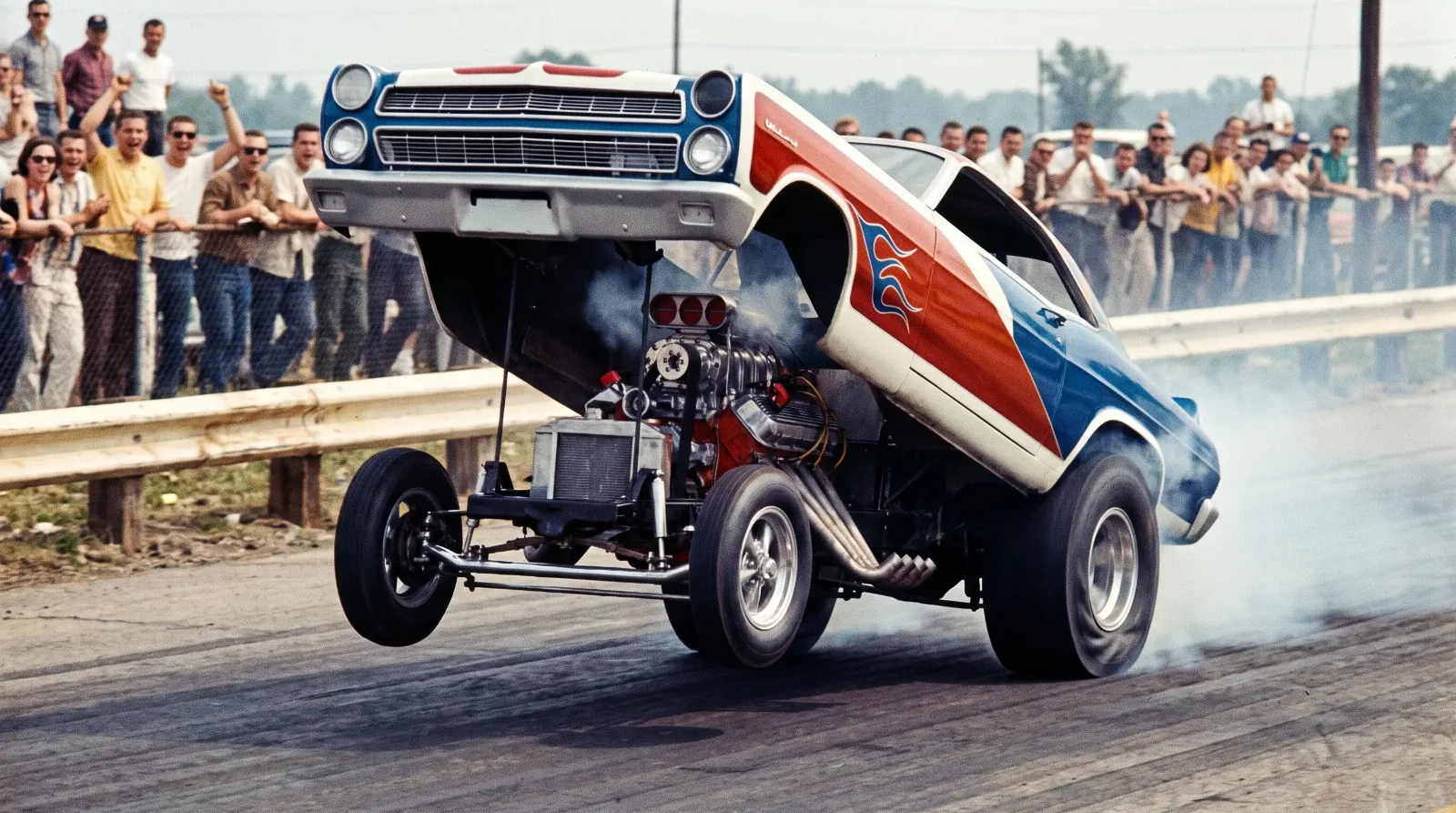
The programs also fed the next thing. Once the factories learned to build purpose-made race cars and get them legal, the door was open to the wilder machines that followed, the altered cars and the match racers that stopped pretending to be stock at all. For where that road led, read the full story of how the factory experiments turned into the Funny Car. The corporate programs of the sixties were the serious part. What came next was the fun part, and it started right here.
Related Reading
Have a
Classic Car
for Sale?
Reach thousands of serious classic car collectors across the US.
Sell It Here →
Are You a Classic Car Dealer?
List your full inventory and connect with targeted classic car buyers.
Join as a Dealer →

About the author
Mike Sullivan
Detroit-area muscle car enthusiast and restoration specialist with three decades of hands-on experience working on American iron.




Comments
Be the first to comment on this article.