Ferry Porsche's 356 vision began, by his own account, with a simple complaint: no one made the car he actually wanted to drive. Ferdinand Anton Ernst Porsche, known within the family and the company as Ferry to distinguish him from his father, had spent years building competition and touring cars for other manufacturers, yet the company that bore his family name had never built a sports car under its own badge. The 356 exists because he decided to close that gap himself, in circumstances that made the decision far riskier than it sounds in hindsight.
A company with no factory
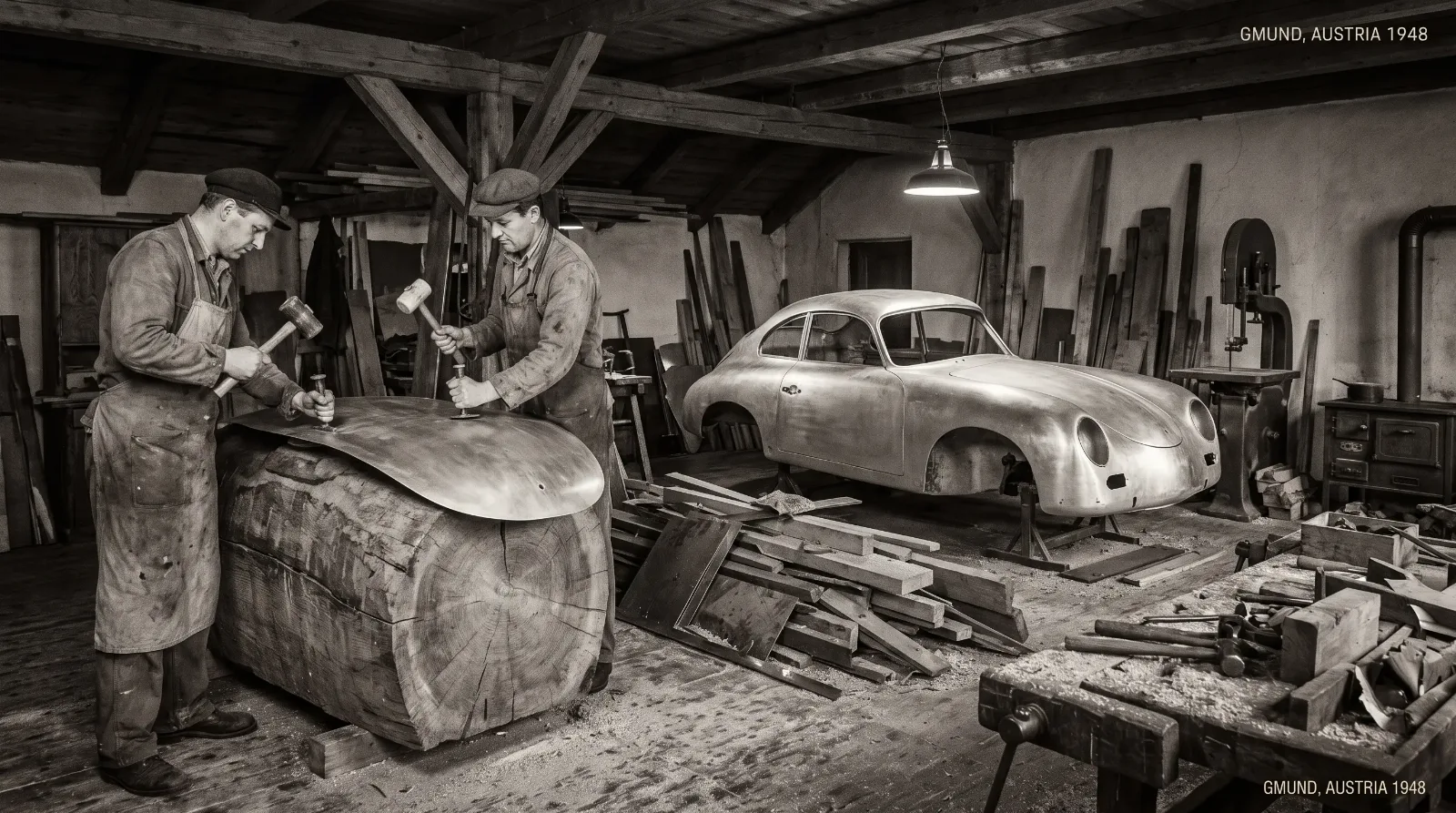
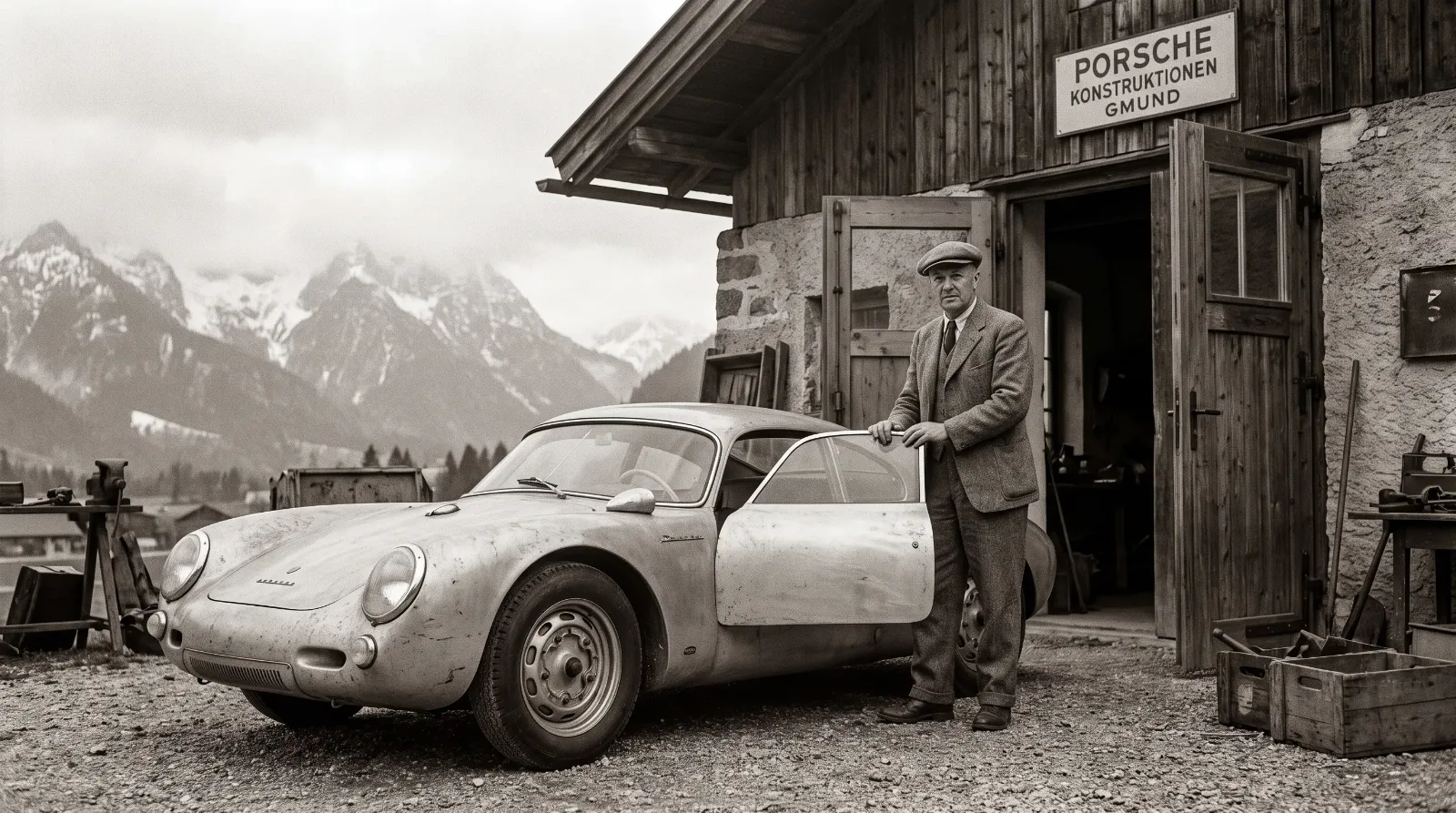
By 1947, the Porsche engineering firm was in a precarious position. Ferry's father, Ferdinand Porsche, had been detained by French authorities after the war over his wartime work, and the family's design consultancy, built on contract engineering for other automakers rather than manufacturing its own cars, had lost its prewar facilities in Stuttgart to Allied bombing and postwar occupation. Ferry Porsche was effectively running the business from a small workshop in Gmund, Austria, taking on contract work, including a Cisitalia grand prix car, to keep the firm solvent while his father's situation remained unresolved.
It was against that backdrop, not from a position of comfort, that Ferry Porsche committed the firm's limited resources to building a car under its own name for the first time. The decision required borrowing heavily against future contract income and betting that a small, light sports car built from largely proven parts could find buyers in a Europe still recovering from the war.
From the No. 1 prototype to a production car
The first car to wear the Porsche name, retrospectively known as the No. 1 and completed in 1948, was a mid-engine roadster, a configuration Ferry Porsche and his engineers abandoned almost immediately in favor of a rear-engine layout for the production car. That shift mattered enormously for what the 356 became: a rear-engine layout allowed Porsche to use largely unmodified Volkswagen mechanical components, the air-cooled flat-four, the transaxle, the torsion-bar suspension, which kept development costs and parts sourcing manageable for a company with almost no capital of its own.
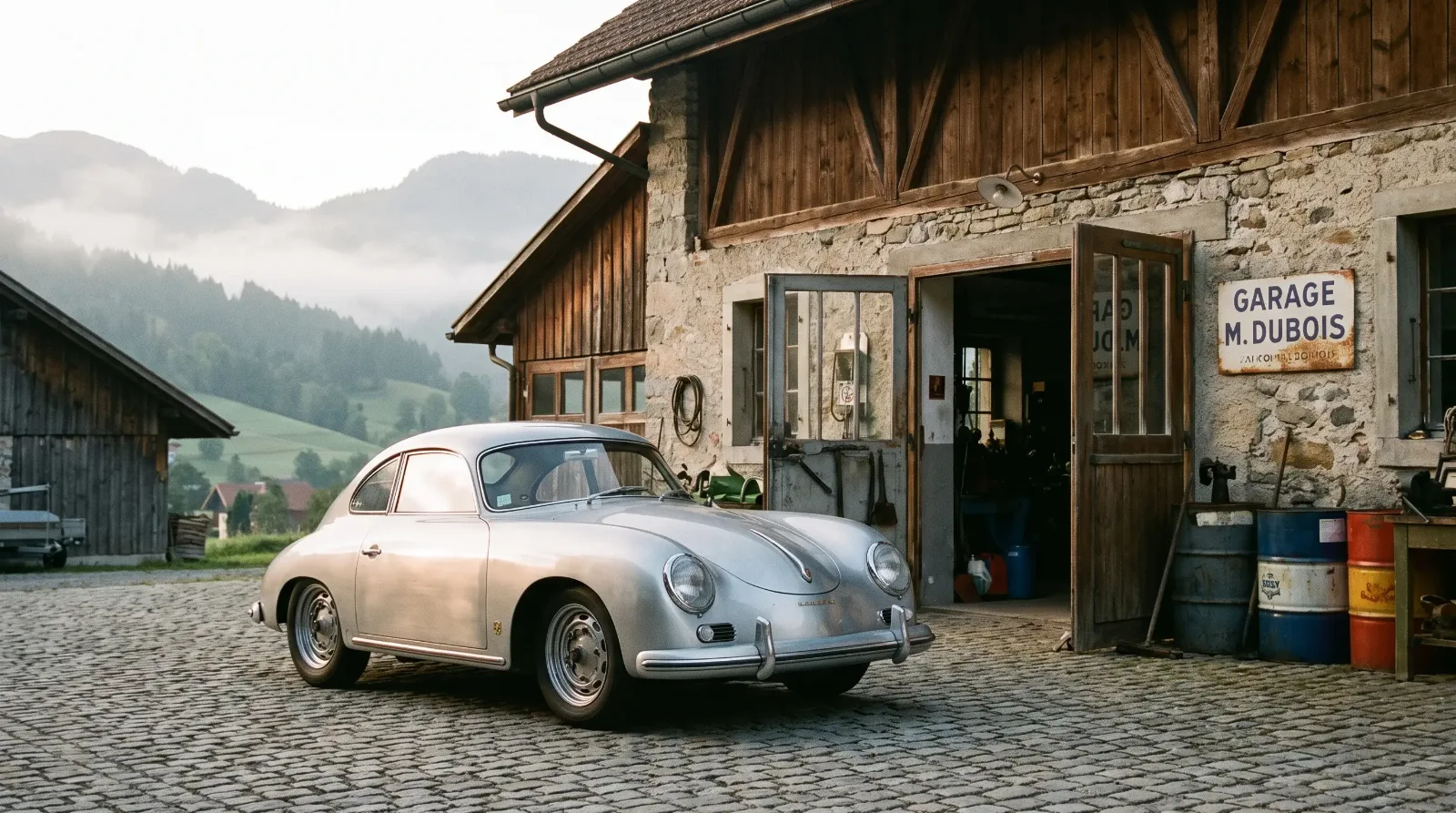
The production 356, built first in small numbers at Gmund with hand-formed aluminum bodies and then in volume at Zuffenhausen once the company returned to Stuttgart in 1950, was in every meaningful sense Ferry Porsche's specification made real: light, low, aerodynamically clean, and built around an engine layout that prioritized handling balance over raw power. The full account of that founding effort is told in where Porsche began, which follows the company from the Gmund workshop through its first commercial success.
Ferry Porsche's brief, in his own terms
Ferry Porsche described his motivation in terms that have been repeated so often in Porsche literature that they risk sounding like marketing copy, but the underlying logic holds up: he wanted a car light enough and efficient enough to be genuinely quick with a modest engine, rather than a car that achieved speed purely through displacement. That approach, favoring low weight and clean aerodynamics over raw cylinder count, was not simply a design preference. It was close to a necessity for a company with no access to a large, powerful engine of its own and every incentive to build something small and efficient from parts it could actually obtain in postwar Germany and Austria.
"What is easy to miss, looking at the 356 today, is how much of its character came from constraint rather than choice. Ferry Porsche did not set out to build a minimalist sports car as an aesthetic statement. He built one because that was the car a nearly insolvent firm with borrowed capital and Volkswagen parts bins could actually produce, and it turned out to be exactly the right car."
— Sarah Whitfield
A family business rebuilt around one product
It is worth remembering that Ferry Porsche was not simply an engineer with a personal preference. He was running a company his father had founded as a design consultancy, one that had never manufactured a car of its own before the 356. Committing that firm to volume production of a single model, rather than continuing to take contract engineering work for other manufacturers, was a strategic wager as much as an engineering one. If the 356 had failed to find buyers, Porsche as a car manufacturer would likely have ended before it began, and the firm would have remained what it had been before the war: a consultancy that designed cars for other people's badges.
The gamble paid off gradually rather than immediately. Early Gmund production ran to only a small number of cars a year, built largely by hand, and it took the move to Zuffenhausen and several years of steady demand before the 356 became a business Ferry Porsche could count on rather than a bet he had to keep defending to his own board and bankers.
The vision beyond the first car
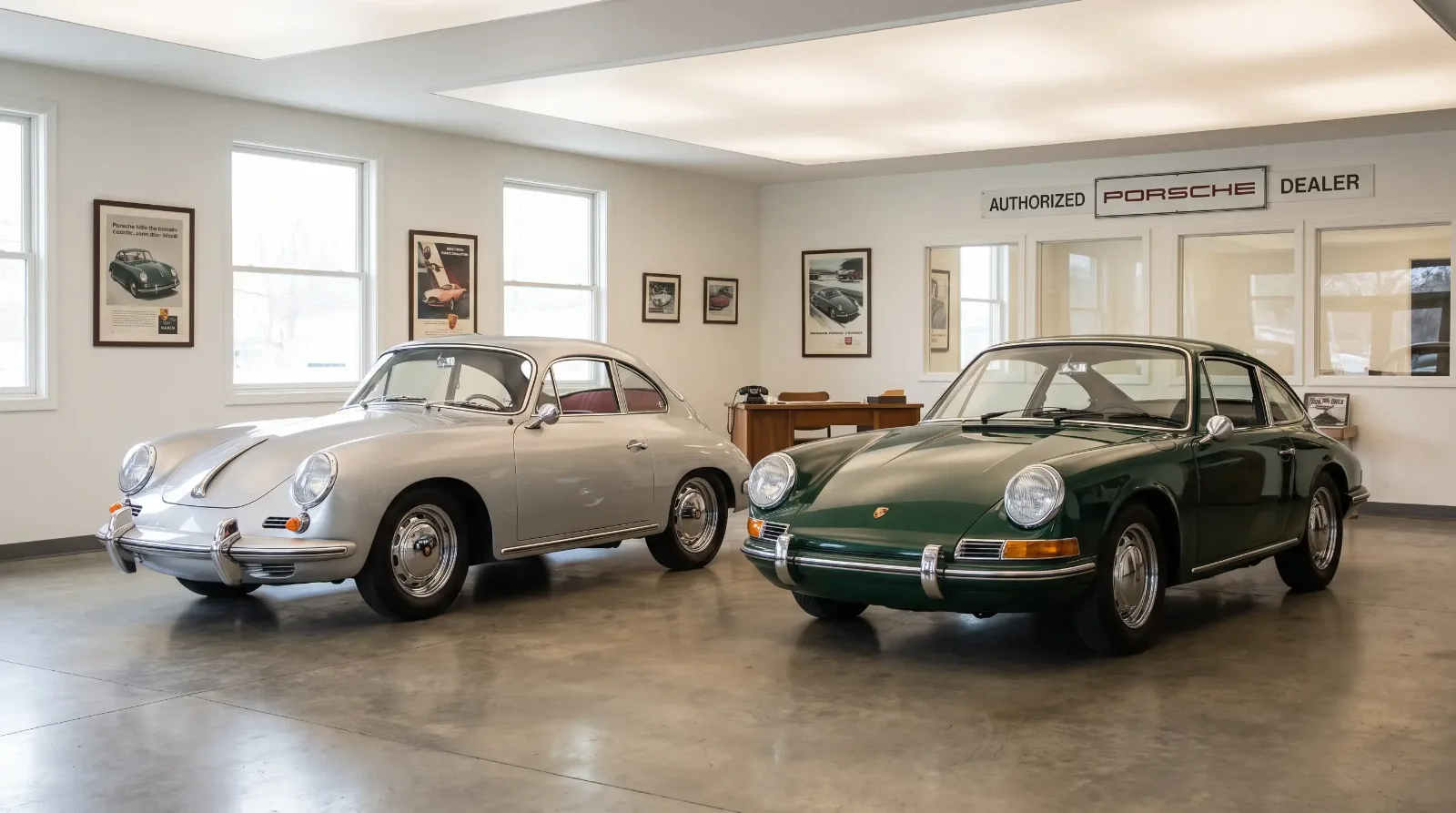
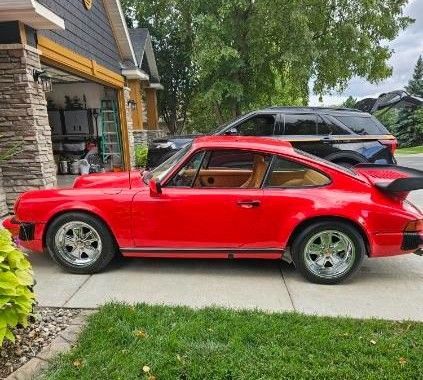
Ferry Porsche's insistence on light weight, careful aerodynamics, and a rear-engine layout outlived the 356 itself, carrying directly into the 911 and into the company's engineering culture for decades afterward. That continuity is easy to overlook because the 356 and its immediate successors look so different at a glance, but the underlying design logic, extract genuine performance from a small, efficient package rather than from sheer power, traces back to the specific postwar constraints Ferry Porsche was working under in Gmund.
What makes that vision worth revisiting now is how deliberately it rejected the alternative path available to him. Ferry Porsche could have chased his father's prewar reputation for large, powerful, and expensive machinery. Instead he built something small, efficient, and, for its era, genuinely affordable to produce, and that choice set the philosophical direction the company has followed ever since. For a closer look at that earliest period and the workshop conditions that shaped the very first cars, a companion piece covers the Gmund years in more detail.