
The Formula 350 Gen3 Firebird is the one a lot of people forget existed, and that is a mistake if you are shopping this generation on a budget. Pontiac brought the Formula name back for the third-generation body in 1987 after skipping it for the first five model years of that generation, and by the time it picked up the 350 V8 near the end of the run, it had turned into one of the best performance-per-dollar packages Pontiac ever built.
Car Features
6 min read
The Gen3 Formula Revival
The Formula name returned to the third-generation Firebird in 1987, and the late-run 350 TPI version is one of the best value performance buys of the era.
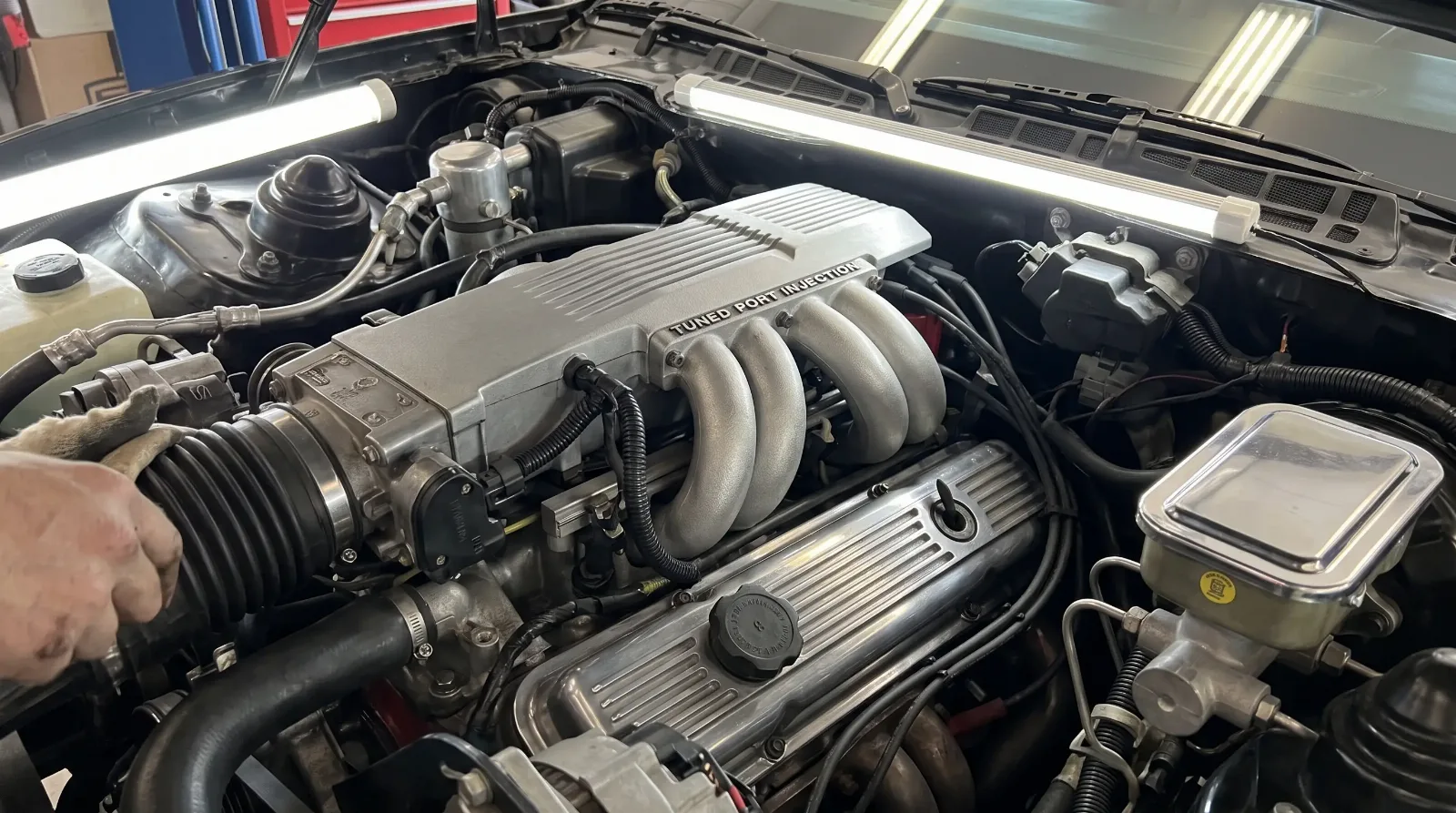
I have worked on more third-gen Firebirds than I can count, and the Formula cars from this era get overlooked next to the Trans Am and GTA because they look plainer sitting in a parking lot. Pop the hood and the story changes fast.
Why the Formula came back in 1987
Pontiac dropped the Formula trim when the third-generation Firebird launched for 1982, running just base and Trans Am models for the first several years. The Formula returned for the 1987 model year as a mid-level performance trim, positioned between the base car and the Trans Am, and it carried over the same core idea from the second generation: give buyers the mechanical content without the full appearance package. No functional hood scoops standing tall, no ground effects kit as aggressive as the Trans Am's, just a car built to move.
That formula, no pun intended, kept the price down relative to a comparably equipped Trans Am, which is exactly why the Formula deserves a look from anyone chasing performance on a real budget today. That positioning only makes sense against the bigger picture, and the complete Firebird saga covers how the nameplate got to this point before the Formula ever returned.
The 350 arrives
For most of the third generation, Formula buyers chose between the 305 cubic inch V8 in various states of tune, including throttle body injection and later tuned port injection versions. The 350 cubic inch L98 engine, GM's small block shared with the Corvette in this application, was actually available in the Formula from the trim's 1987 return, giving buyers a genuine step up in torque over the 305-equipped cars without moving all the way up to the Trans Am GTA's price point. Output crept up over the run, and the strongest factory-rated Formula 350s came in the final 1991 and 1992 model years.
The 350 TPI setup in these Gen3 cars used tuned port fuel injection, which traded some low-end throttle response for a broader, stronger torque curve that suited the Firebird's highway character well. Factory ratings ranged from around 210 horsepower in the earlier years of the option up to 235 horsepower by 1991 to 1992, with torque in the 315 to 340 lb-ft range that made the car feel stronger than the number on the window sticker suggested.
| Engine | Induction | Approx. output | Typical years in Formula |
|---|---|---|---|
| 305 V8 TBI (L03) | Throttle body injection | 170 hp | 1987 to 1992 |
| 305 V8 TPI (LB9) | Tuned port injection | 190 to 225 hp (auto vs manual) | 1987 to 1992 |
| 350 V8 TPI (L98) | Tuned port injection | 210 to 235 hp | 1987 to 1992, strongest in 1991 to 1992 |
How the Formula differed from the Trans Am GTA
By the late Gen3 years, Pontiac had introduced the Trans Am GTA as the range-topping trim, which meant the Formula settled firmly into the middle of the lineup rather than fighting for the performance crown. The GTA carried a more aggressive ground effects package, unique wheels, and a higher base price, but under the skin the mechanical content overlapped substantially with the Formula once a buyer optioned the 350 into either car. The real difference came down to trim level and appearance rather than a fundamentally different driving experience.
That overlap is exactly why the Formula 350 has quietly become a favorite among people who actually track this generation closely. You are not paying GTA money for GTA looks. You are paying Formula money for GTA-adjacent performance, which is a trade a lot of practical buyers are happy to make once they understand the comparison.
What sets a good one apart from a tired one
These cars are thirty-plus years old now regardless of trim, and the usual third-gen Firebird problems apply. Check the T-tops for leaks that have rotted the headliner and the carpet underneath. Check the rear window for delamination on the fastback glass, which is expensive to source correctly. And check the wiring harness in the engine bay, since the plastic insulation on these GM harnesses gets brittle with age and heat cycling, and a harness with cracked insulation near the injectors is a fire risk waiting to happen, not just an annoyance.
On the 350 specifically, confirm the car actually carries the factory-installed engine rather than a later 305-to-350 swap done by an owner chasing more power. Both are fine cars to own, but they are not the same car for documentation purposes, and the asking price should reflect which one you are looking at.
The value case today
A Formula with the 350 is not going to command Trans Am GTA money, and that is precisely the point. You get a genuinely strong running car, GM's small block torque delivered through a factory fuel injection system that holds up fine with basic maintenance, and a trim level that never got the marketing push the Trans Am received. That means the market has not caught up to what these cars actually are, mechanically speaking.
If you want the full picture of how the Formula name carried across both Firebird generations, the Formula story covers the earlier big-block cars this trim traces back to. And if suspension tuning matters as much to you as the engine does, a companion piece gets into what the WS6 package added to cars like this one. For the full arc of the nameplate from 1967 through the end of production, the complete Firebird saga puts this generation in context.
"Nobody at the cruise-in is fighting over a Gen3 Formula 350. That is exactly why it is still a good buy. Check the harness, check the T-tops, and drive the thing instead of babying it."
Mike Sullivan
Shoppers who want to compare a few real examples side by side before deciding on generation, trim, or engine combination can look at Firebird Formulas for sale to see what is currently on the market and how pricing tracks against condition.
Sources and notes
- Old Car Memories: 1987-1992 Pontiac Firebird Formula 350
- 3rdGenFormula.com: 1989 Formula technical specifications
- 3rdGenFormula.com: 1991 Formula technical specifications
- Camaro Wiki: GM Port Injection (TPI) history
- Wikipedia: Pontiac Firebird (third generation)
- Hagerty Valuation Tools: 1987 Pontiac Firebird Formula
Related Reading
Have a
Pontiac Firebird
for Sale?
Reach thousands of serious classic car collectors across the US.
Sell It Here →
Are You a Classic Car Dealer?
List your full inventory and connect with targeted classic car buyers.
Join as a Dealer →

About the author
Mike Sullivan
Detroit-area muscle car enthusiast and restoration specialist with three decades of hands-on experience working on American iron.
Related Listings - Pontiac Firebird




Comments
Be the first to comment on this article.