
Auction results over the past decade tell a consistent story about the first model year of Ford's small utility truck, and the story is upward. Ford Bronco 1966 collector value has climbed faster than most of its era mates from the mid 1960s, and the reasons are not mysterious once you look at what actually drives price in this specific slice of the classic market. This is a supply and demand problem with a first model year twist, and it rewards buyers who understand exactly which variables move a number.
Car Features
6 min read
Why 1966 Broncos Lead the Collector Market Today
Body style, engine, and documentation drive nearly all of the price spread on 1966 Broncos. Here is what the sales data actually shows about collector value.
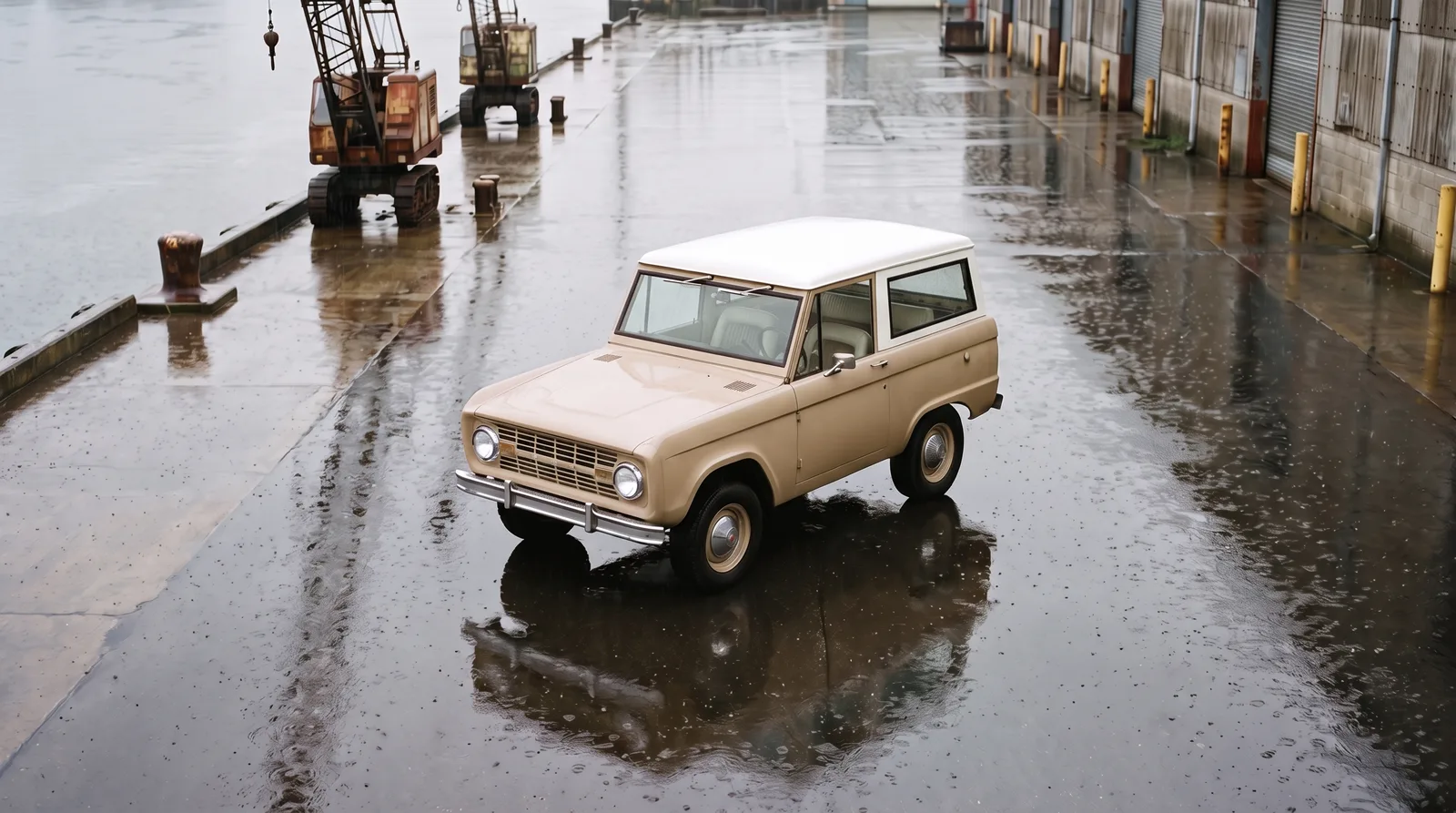
Why the first model year commands a premium
Every long running nameplate develops a first year effect, and the Bronco is no exception. 1966 was the launch year, the truck's simplest and least evolved form, and that scarcity plus historical significance combination consistently pulls a premium over later, more common configurations from the run. Buyers specifically hunting a 1966 rather than a 1967 or 1968 are paying for the distinction of owning the truck exactly as it first appeared, not for any meaningful mechanical advantage over the following couple of model years, which were largely similar under the skin.
That premium is not uniform, though. It concentrates most heavily on documented, well preserved examples. A rough 1966 with an unclear history does not automatically outprice a clean 1968 in comparable condition. First year status matters, but it is a multiplier on quality and documentation, not a replacement for them.
How the current market compares to a decade ago
Ten years ago, a clean 1966 Bronco was a solid but relatively niche collector purchase, competing for attention against a much wider field of mainstream muscle cars and full sized classics from the same era. That has shifted. Broader interest in classic four wheel drive trucks and off road capable vehicles has pulled the Bronco, and the 1966 model in particular, into a much more mainstream collector conversation. Auction houses that once buried these trucks deep in their catalog listings now regularly feature strong examples as headline lots, a shift that reflects genuine demand growth rather than simple inflation across the broader collector market.
That growth has not been perfectly smooth. Prices have occasionally cooled during broader economic downturns, the same pattern seen across most collector vehicle categories, before resuming their upward trajectory once conditions stabilized. Buyers entering the segment now should expect that same cyclical behavior to continue rather than assuming values move in a single straight line indefinitely.
The three variables that actually move price
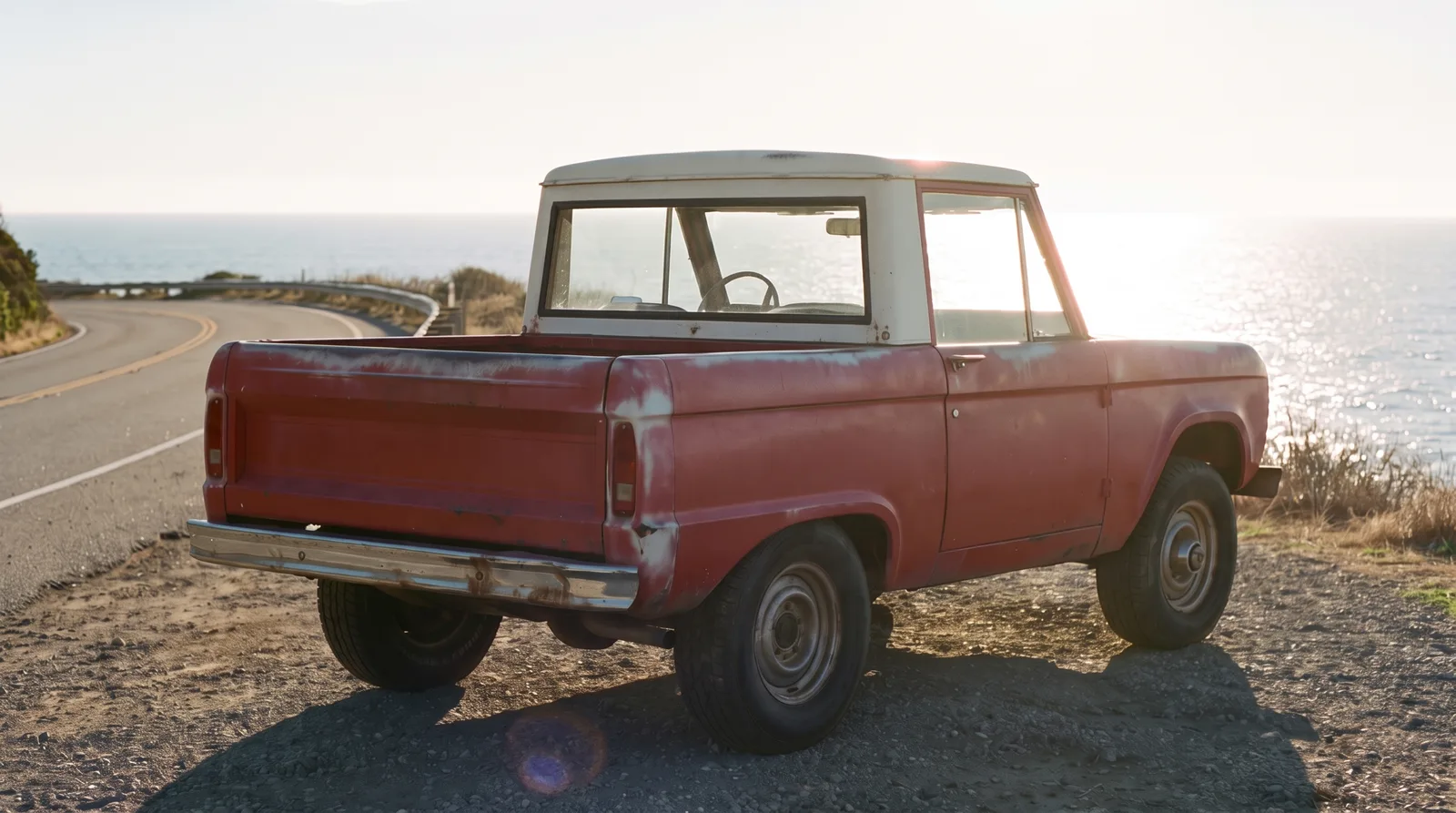
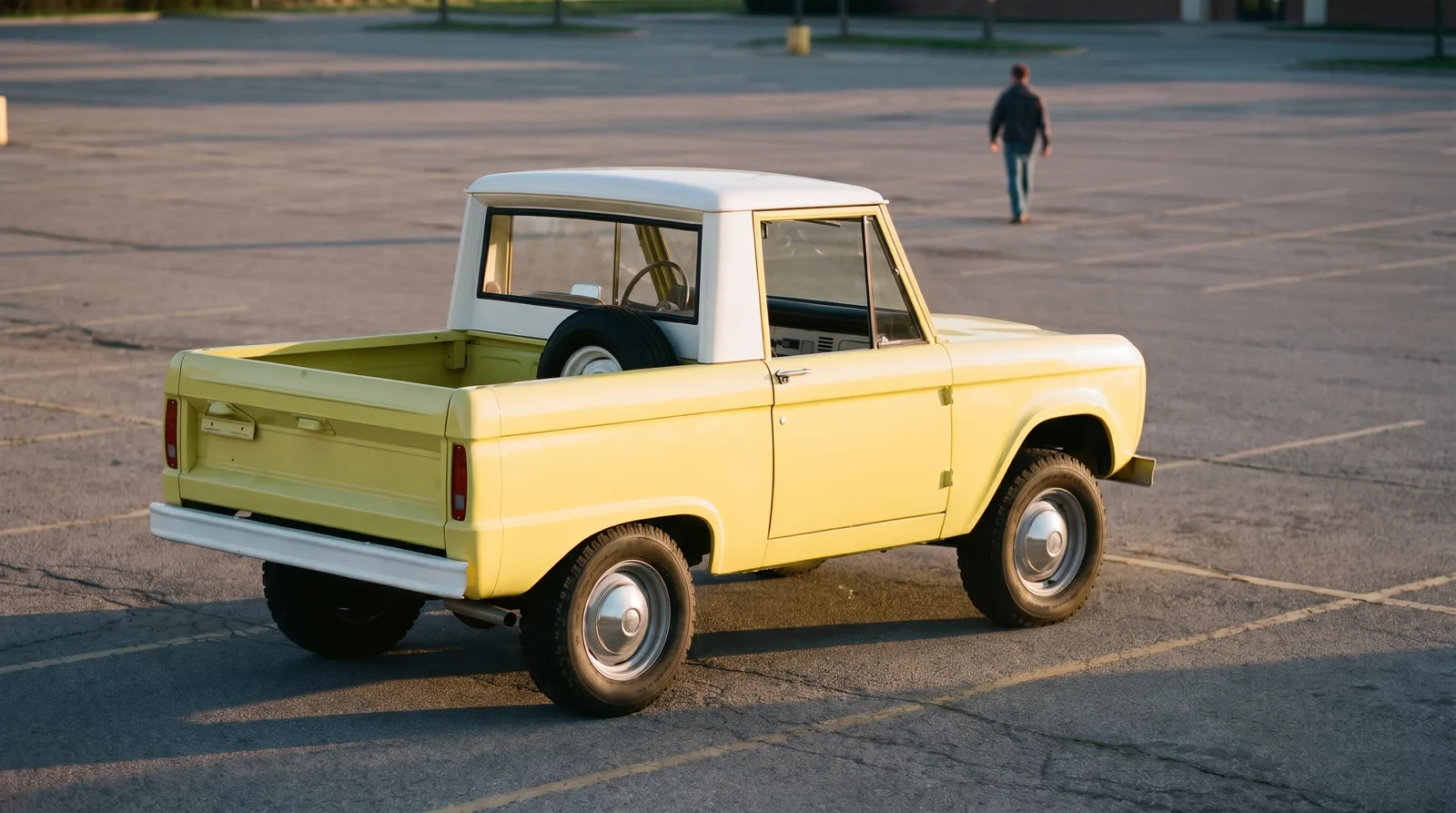
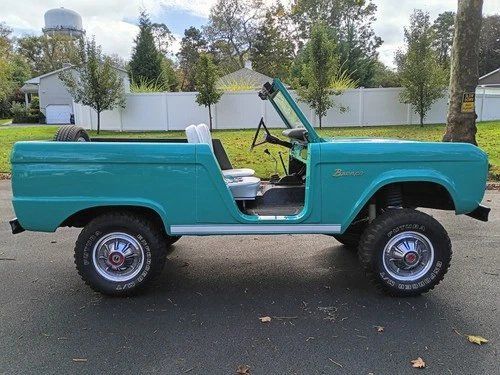
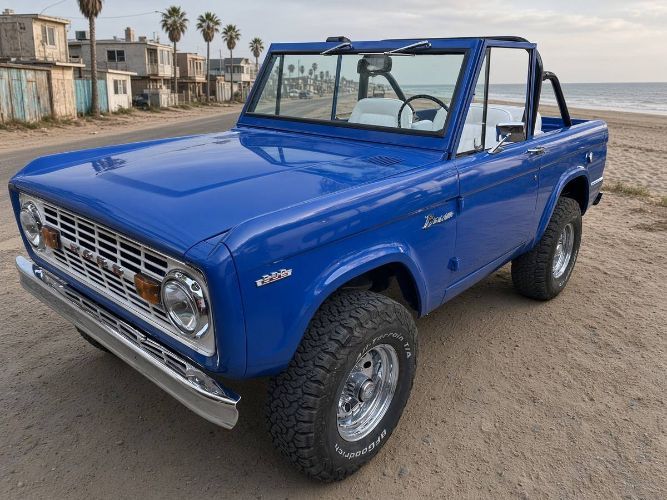
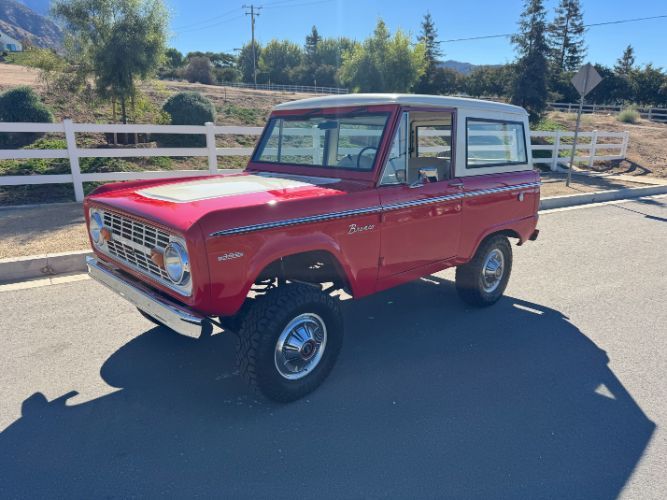
Across the sales data, three factors explain most of the spread between a 1966 Bronco selling for a modest sum and one selling for several times that. Body style is the first. Roadsters, being the rarest surviving configuration since so many were used hard and few survived without a top installed, tend to command different money than Wagons in comparable condition, and collectors should not assume one style is simply worth more than another without checking current results, since preference has shifted over time. Engine is the second. The 289 V8 option, added partway through the model year, is scarcer among 1966 production than the standard six, and scarcity plus desirability pushes documented V8 trucks higher. Documentation is the third, and arguably the most decisive. A truck with a verifiable build sheet, original title history, and clear provenance routinely outsells an equivalent truck with none of that paperwork, sometimes by a wide margin.
Condition still does the heaviest lifting
None of the scarcity factors above override plain condition. A numbers matching, mechanically sound truck with honest paint and a clean frame will consistently outperform a rarer configuration that needs significant structural work. Buyers chasing the first year premium sometimes overpay for scarcity while underweighting the cost of bringing a rough truck up to a usable standard. That gap between purchase price and total investment is where a lot of collectors lose money on paper even when the truck itself was a reasonable buy.
Reading the market correctly
The data suggests the smartest buys in this segment are not always the flashiest listings. A well documented six cylinder Wagon in strong original condition frequently represents better value per dollar than a modified or heavily restored V8 example with murky history, even though the V8 nameplate sounds more desirable on paper. Collectors focused purely on appreciation potential should weigh documentation and originality as heavily as body style or engine choice, because that is where the data consistently rewards patience over impulse.
"Everyone wants to talk about rarity like it is the whole story. It is one input. Paperwork and condition move these trucks more reliably than a scarce body style ever will, and the buyers who understand that are the ones who come out ahead five years later."
- David Mercer
For readers who want the fuller background on how the model came together before it became a collector fixture, the whole picture covers the original truck's development and launch in detail.
Comparing 1966 to the broader Bronco run
Placing 1966 values in context against later model years sharpens the picture further. The Bronco stayed in production through the mid 1990s across several distinct generations, and the earliest first generation trucks, 1966 among them, consistently draw the strongest collector interest within that broader run. Later first generation model years, largely similar under the skin through the early 1970s, trade at a real but smaller premium relative to more common configurations from the middle of that production span. Buyers occasionally assume any early Bronco carries comparable value to a 1966, but the data does not support treating the whole early run as interchangeable. The launch year specifically, not simply an early year generally, is what the market rewards most consistently.
That distinction is worth remembering for anyone comparing a listing described loosely as an early Bronco against one specifically confirmed as a 1966 model. The difference in asking price between the two is rarely arbitrary, and it tracks the same first year premium pattern seen across countless other collector nameplates.
What this means for buyers right now
Current market conditions favor buyers who do their homework before bidding. Values across the segment have not plateaued, which means waiting rarely produces a discount, but it does mean overpaying for a poorly documented truck is a real risk in an active market. Anyone serious about entering this space should study recent comparable sales closely rather than anchoring to asking prices, and should treat a clean paper trail as a genuine value driver rather than a nice to have. Buyers ready to move can find a classic Bronco and cross reference any listing's claims against the documentation standard the market has clearly come to expect.
Sources and notes
Related Reading

#Ford Bronco
#collector value
#classic truck market
#1966 Bronco
#Bronco auction results
#investment classics

About the author
David Mercer
Classic car market analyst with two decades of experience tracking collector car valuations, auction results, and investment trends.
Related Listings - Ford Bronco




Comments
Be the first to comment on this article.