
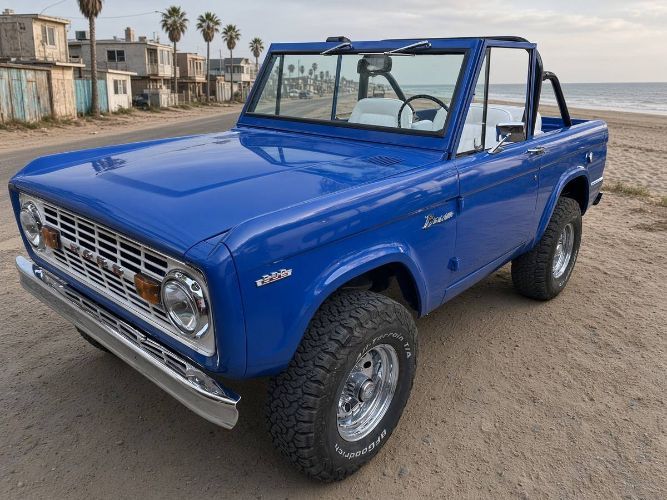
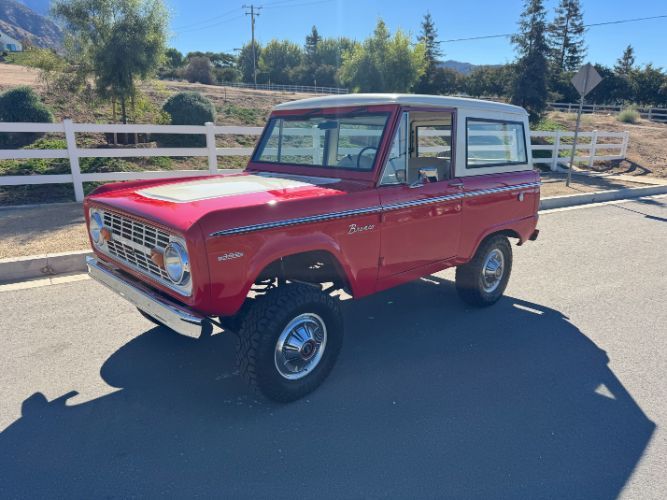
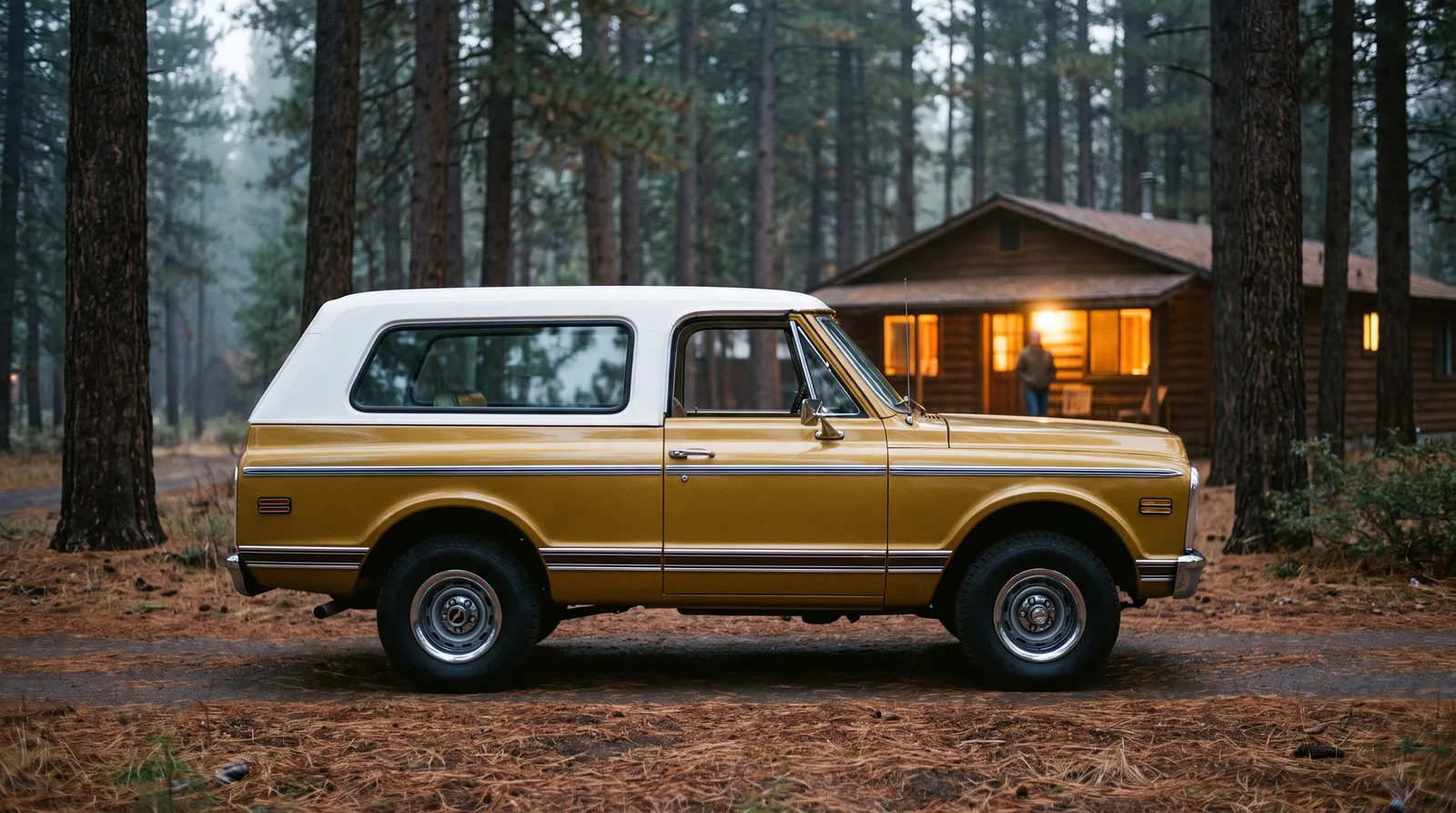
Strip a 1966 Bronco down to its shape and there is almost nowhere to hide. No swooping fender lines, no chrome sculpture, just flat panels meeting at right angles over a short wheelbase. That is not an accident and it is not a lack of ambition either. Ford Bronco 1966 design philosophy was built around function first, and once you have spent time under one of these trucks with a wrench in your hand, you start to respect just how deliberate that simplicity actually was.
Car Features
7 min read
The Boxy Simplicity Behind the 1966 Bronco Design
Flat panels, a dedicated frame, and a coil sprung front end were not shortcuts. They were the whole point of how the 1966 Bronco was engineered to work.
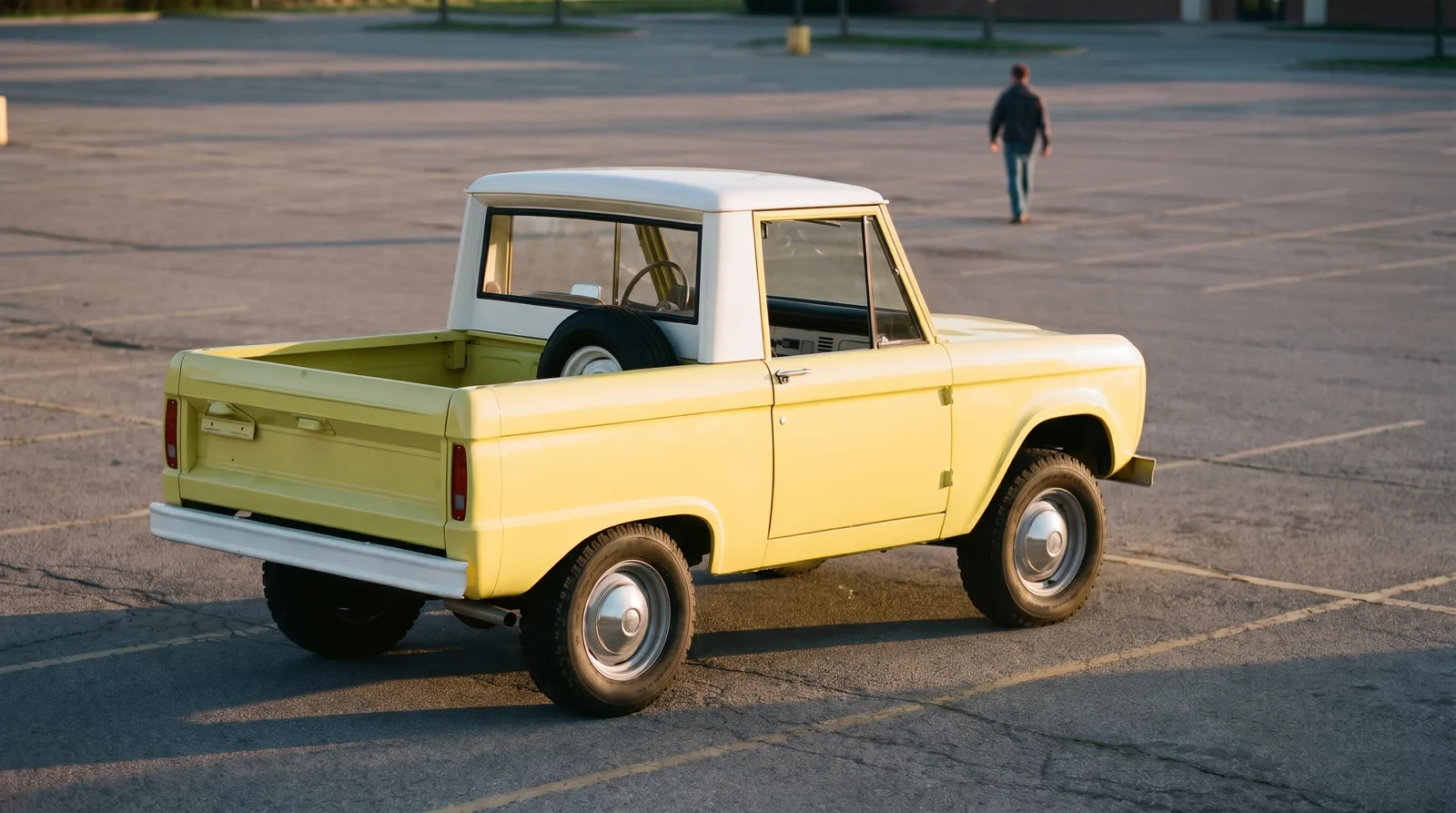
Flat panels are a decision, not a shortcut
A lot of people look at the boxy body and assume Ford just did not bother with styling. That is backwards. Flat panels are cheaper to stamp, cheaper to repair, and easier to fabricate replacement pieces for in the field, which matters enormously on a truck meant to take real abuse away from a dealership. Every crease in that body exists because it needed to be there structurally, not because a designer wanted a highlight line. Compare that to the compound curves on a Mustang built the same year in the same factory system, and the contrast tells you everything about what Ford's team was actually solving for on this truck.
Working on these panels confirms it firsthand. A dented flat section is straightforward to true back up with basic tools and patience. A compound curved fender from the same era demands a lot more skill and specialized equipment to get right. Ford's engineers were not chasing beauty contests with this shape. They were building something a rancher could repair himself with what he had in the barn.
The frame and suspension tell the same story
Under the skin, the Bronco got its own dedicated ladder frame rather than a cut down passenger car chassis, and Ford paired it with a coil sprung Mono Beam front axle instead of the leaf sprung setup common on trucks of the period. That coil front end was a genuinely unusual choice for a compact 4x4 in 1966, and it bought real articulation and a smoother ride over rough ground without sacrificing the durability a solid axle offers. It is the kind of decision that only makes sense if you assume the truck is actually going to be driven hard off pavement, not just photographed near a trailhead.
Three bodies off one honest platform
What really shows the discipline behind the design is how Ford stretched one frame and one basic cab structure into three distinct body styles, the enclosed Wagon, the half cab Sports Utility pickup, and the doorless Roadster, without compromising any of them structurally. That is harder to pull off than it sounds. A lot of manufacturers building multiple body variants off a shared platform end up with at least one weak link. The Bronco's three configurations all share the same fundamental toughness because the underlying architecture was engineered for the harshest version of the job first, then adapted upward for comfort, not the other way around.
"People call it boxy like that's an insult. I call it honest. Every panel on that truck is doing a job, and when you're the one fixing it thirty years later, you learn to appreciate an engineer who thought about the guy with the wrench instead of just the guy in the showroom."
- Jim Vasquez
Building for the field, not the shop
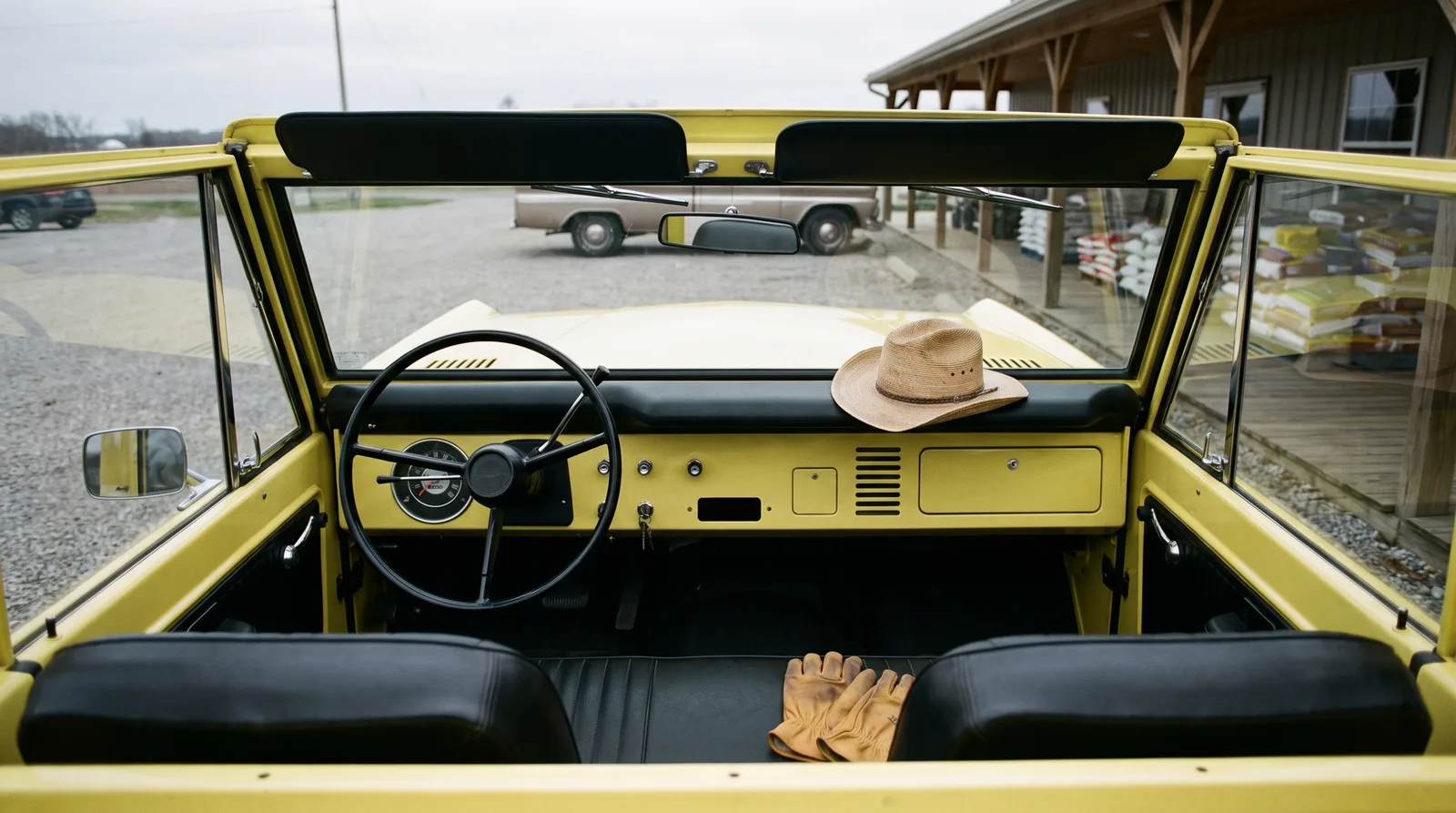
Spend enough time under one of these trucks and another pattern emerges. Fasteners are common sizes, accessible without specialized tools, and body panels bolt on rather than weld into a monocoque structure the way many contemporary cars did. That bolt on construction meant a damaged fender or door could be swapped in a farm shed with basic tools rather than requiring a body shop visit, a real advantage for the rural and working buyers Ford expected to make up much of the early customer base. Even the interior reflects the same thinking. Simple gauges, straightforward switchgear, and a dashboard designed for function over flair, all of it built around the assumption that whoever owned the truck might need to fix something themselves, far from a dealership, with whatever tools happened to be on hand.
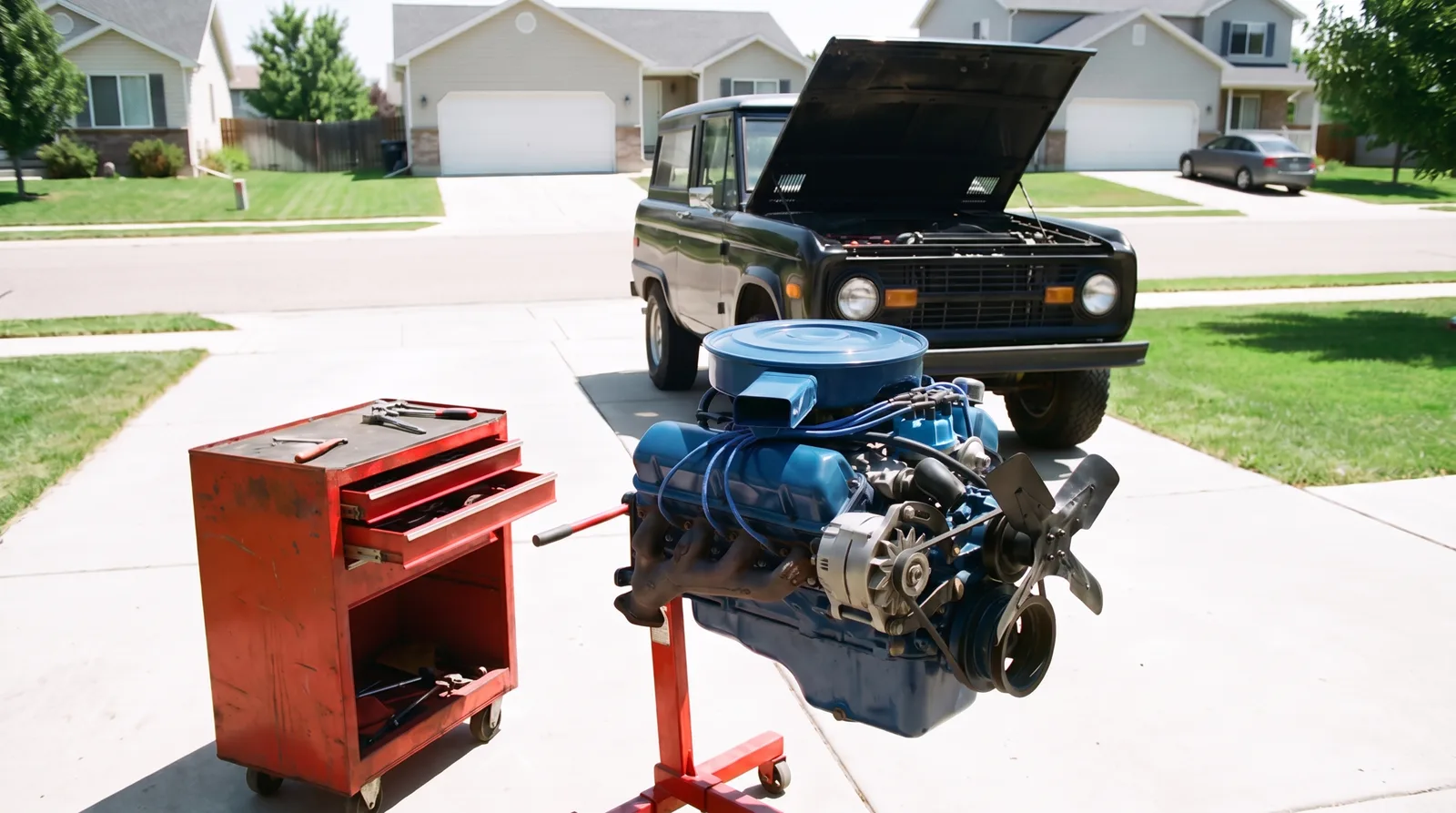
That same logic extended to the drivetrain layout. Ford kept accessory placement straightforward and serviceable rather than tucking components into hard to reach corners for the sake of a cleaner engine bay appearance. None of it was glamorous engineering. All of it was engineering aimed at a customer who needed the truck working again quickly, not sitting in a shop waiting on a specialist.
Why the shape still holds up
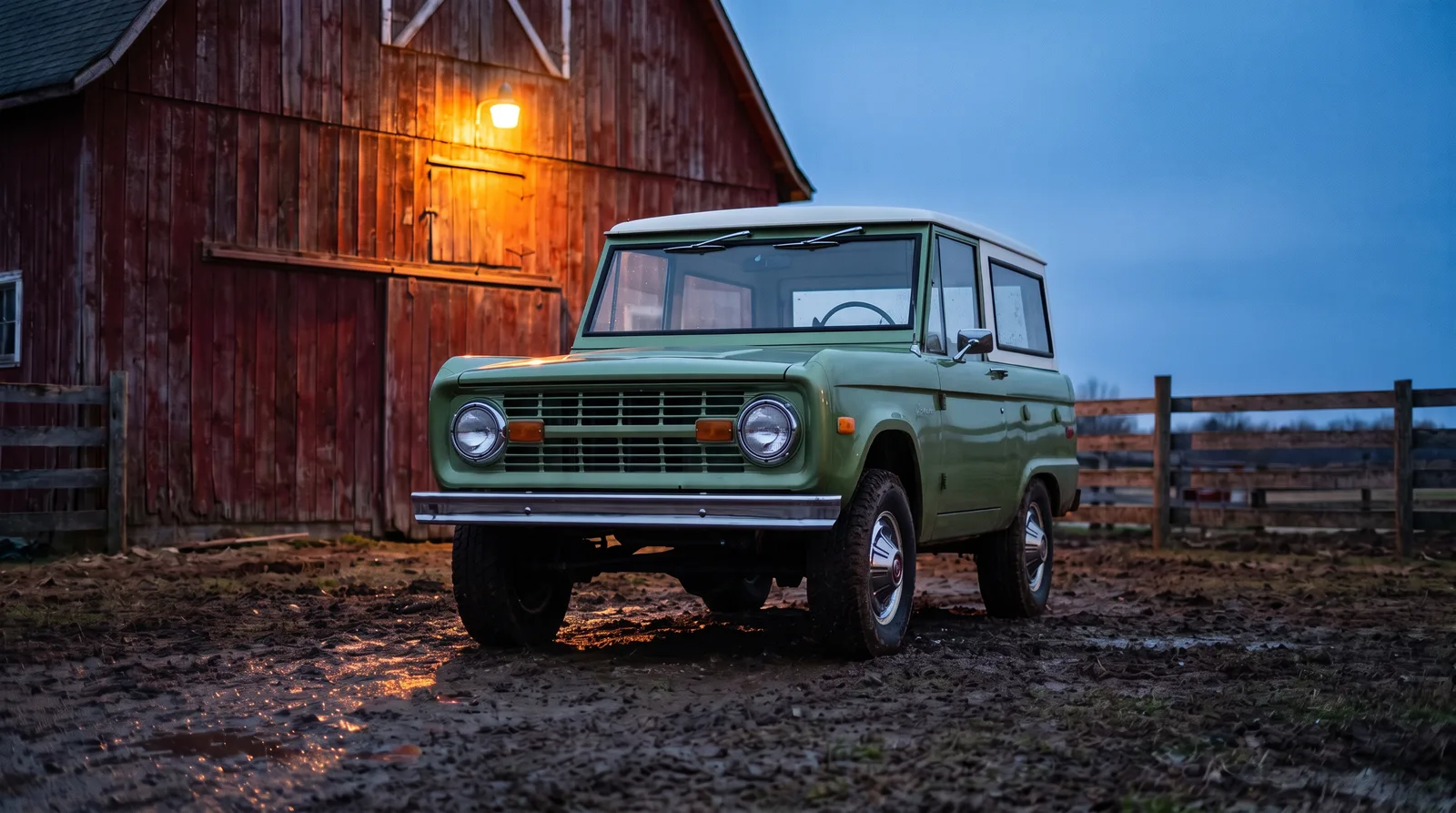
Design trends from 1966 have mostly aged into curiosities, chrome details and body lines that read as very much of their moment. The Bronco's boxy simplicity has aged differently. Because the shape was never chasing a trend, it never fell out of one either, and that is a big part of why the silhouette reads as timeless rather than dated to anyone looking at one today. It is also why the shape survived Ford's own later reinterpretations of the nameplate largely intact. When a design team decades later needed a starting point for a modern Bronco, they went straight back to this same boxy honesty rather than trying to modernize it into something else entirely.
For readers curious about how that design fit into the truck's broader launch, where this started covers the full development of the original model, including the engineering choices behind the shape covered here.
A shape built to be modified without fighting itself
The Bronco's simple, boxy structure also turned out to be unusually accommodating for owners who wanted to modify it, a fact Ford's original engineers likely did not set out to optimize for but benefited from all the same. Because the body panels are flat and the frame is a straightforward ladder design rather than something more integrated with the body, aftermarket bumpers, roll bars, and suspension components have bolted on cleanly for decades without requiring the extensive structural fabrication some other classic 4x4 platforms demand. That adaptability helped keep Broncos in active off road use long after many contemporaries had been retired, which in turn kept demand for parts and community knowledge alive continuously rather than letting it lapse and require rediscovery the way some more delicate platforms have.
What it means for anyone restoring one
Understanding why the truck was built this way changes how you approach a restoration or a repair. Fighting the boxy simplicity, smoothing it out, adding curves that were never there, misses the point of the design entirely. The trucks that respect the original engineering, panel gaps included, tend to hold their value and their credibility with people who actually know the platform. Anyone shopping for a project or a finished example should look closely at how faithfully the body and frame reflect this original functional intent before buying. There is always a range of honest and not so honest examples out there among current shop classic Bronco listings, and knowing what the design was actually trying to do makes it a lot easier to tell the difference.
Sources and notes
Related Reading

#Ford Bronco
#1966 Bronco
#Bronco design
#classic truck engineering
#Mono Beam suspension
#Bronco restoration

About the author
Jim Vasquez
Southern California hot rod and custom car builder with roots in the traditional kustom kulture scene.
Related Listings - Ford Bronco

Comments
Be the first to comment on this article.