
Every market has a ceiling until someone proves it wrong. The 1973 Ford Bronco spent decades priced like the utility truck it was built to be, then a handful of auction results over the past several years rewrote what buyers assumed this model year could command. Understanding those record sales, and more importantly what actually drove them, matters more to a serious buyer than the headline number alone.
Car Features
7 min read
Record 1973 Bronco Auction Sales
Record auction results for the 1973 Ford Bronco reflect documentation and build quality more than the truck itself, and buyers should weigh liquidity before chasing the headline number.

What "record" actually means in this segment
Auction records get reported as single numbers, but the number by itself tells you almost nothing about risk. A hammer price on a fully documented, professionally restored 1973 Bronco with matching numbers and a verified ownership chain is not comparable to a similar-sounding price on a truck with incomplete records. Before treating any headline figure as a market signal, an appraiser has to separate the truck from the paperwork behind it, because the paperwork is frequently what the money is actually paying for.
That distinction is easy to lose in casual conversation about the segment. Two trucks can look nearly identical in photographs and still sell tens of thousands of dollars apart because one carries build sheets, period photographs, and a documented restoration history, while the other relies on a seller's word.
The trucks that actually moved the ceiling
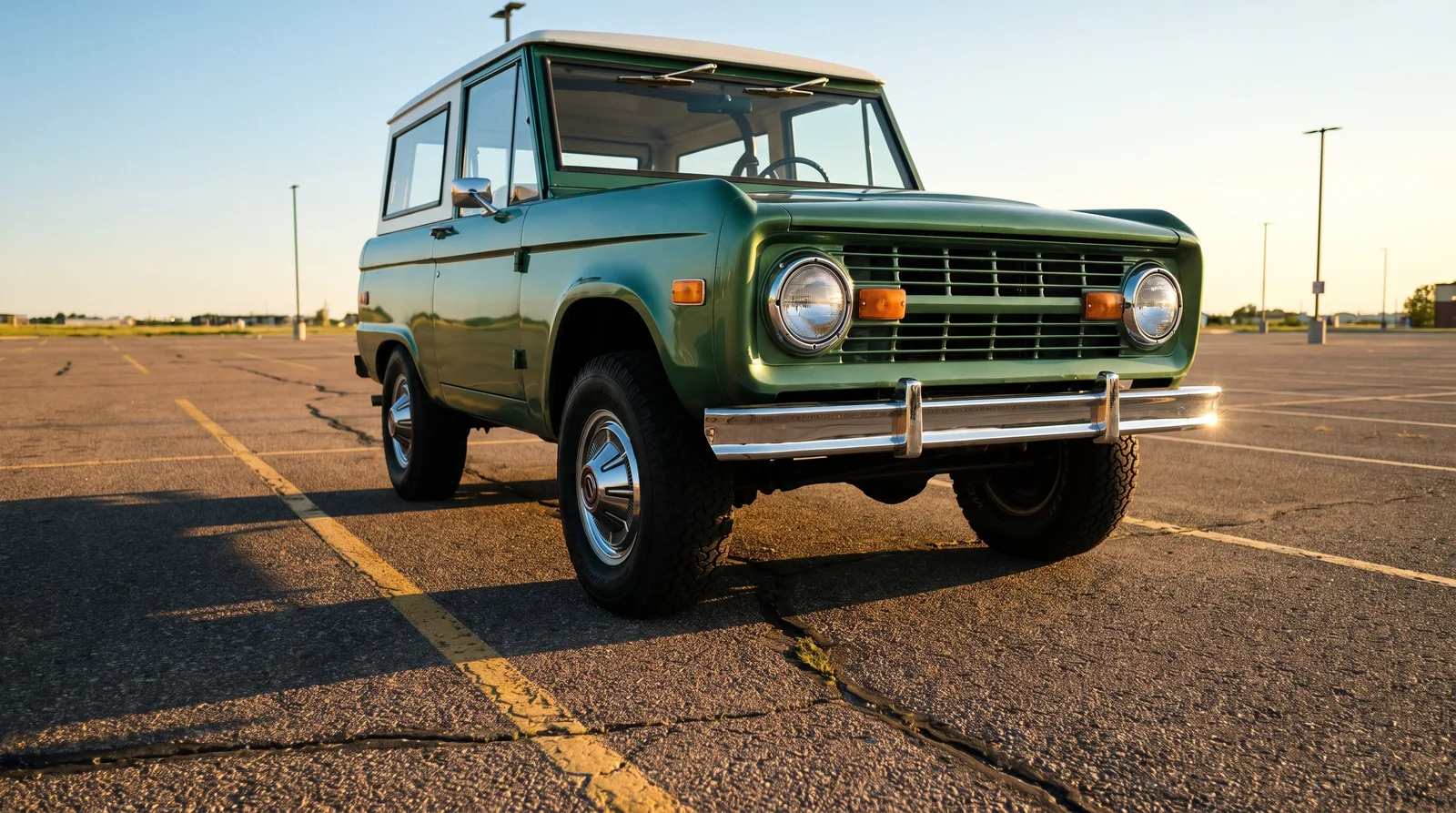
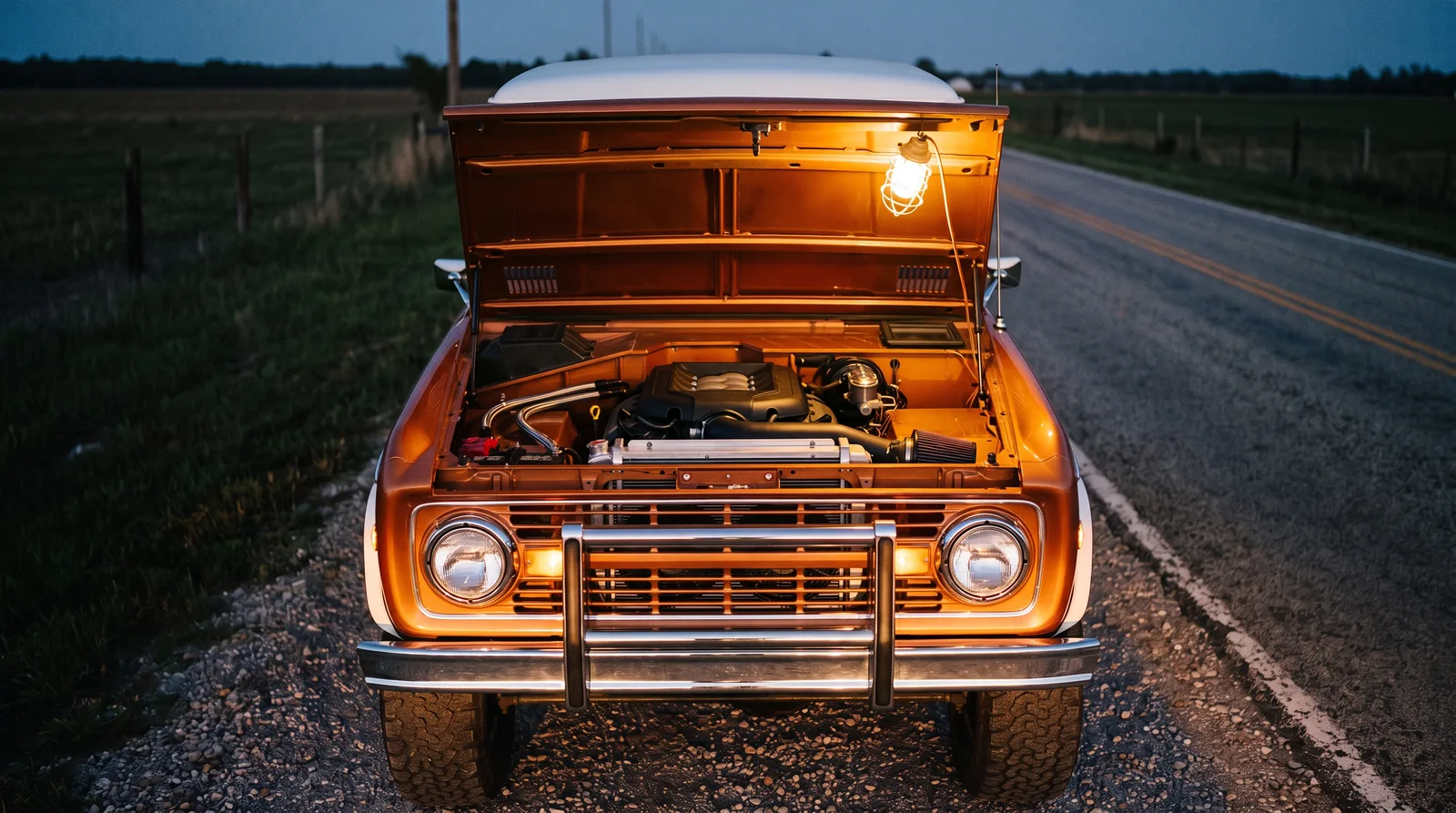
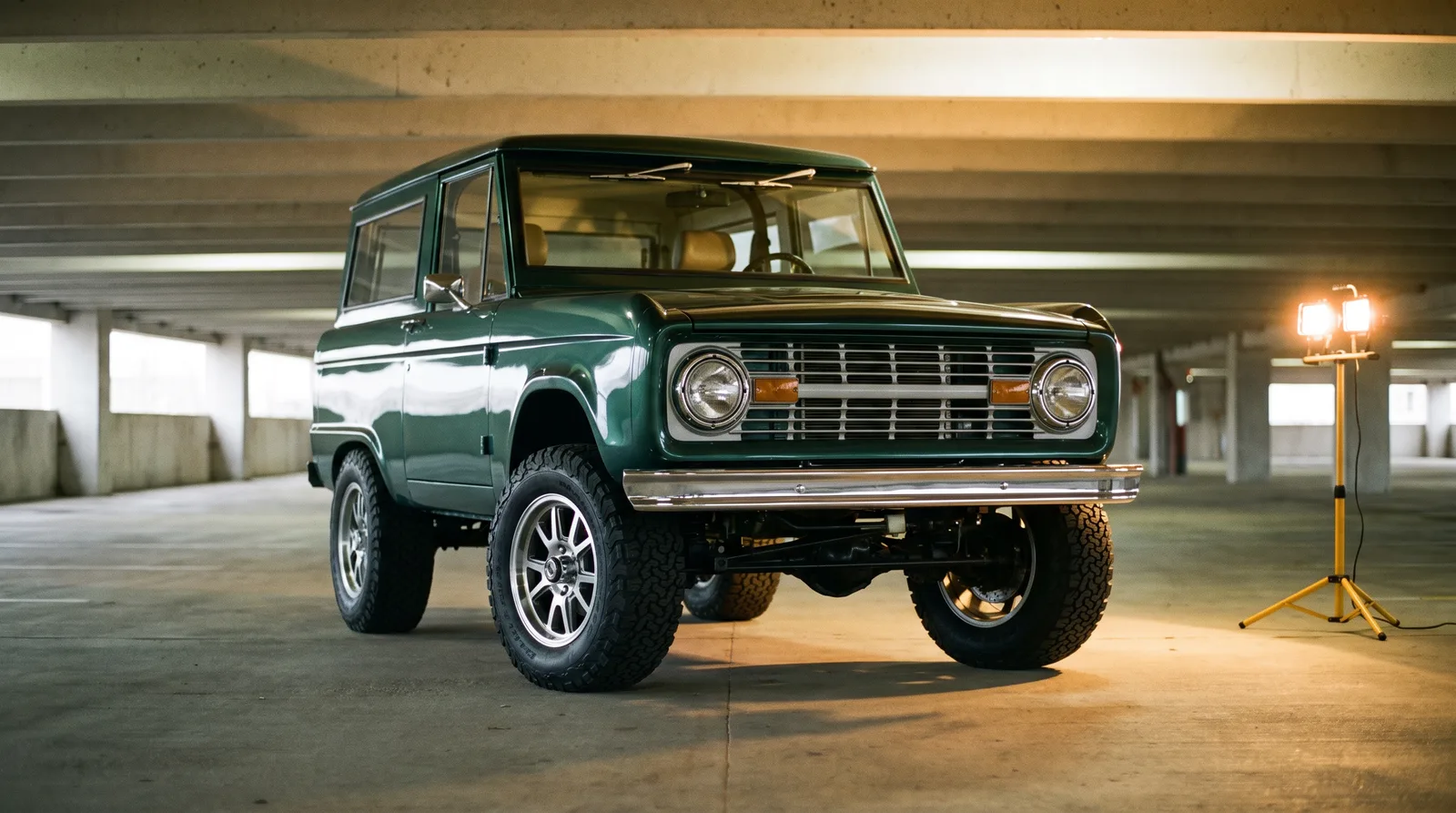
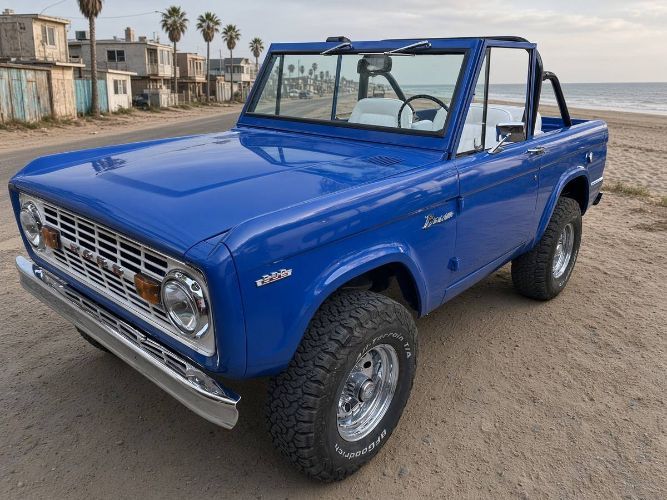
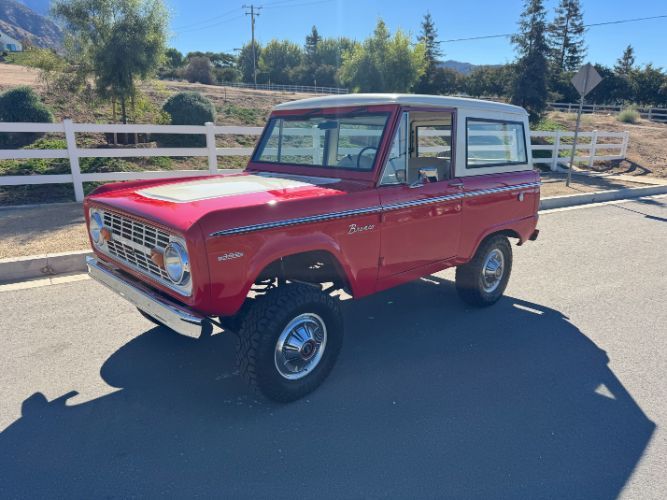
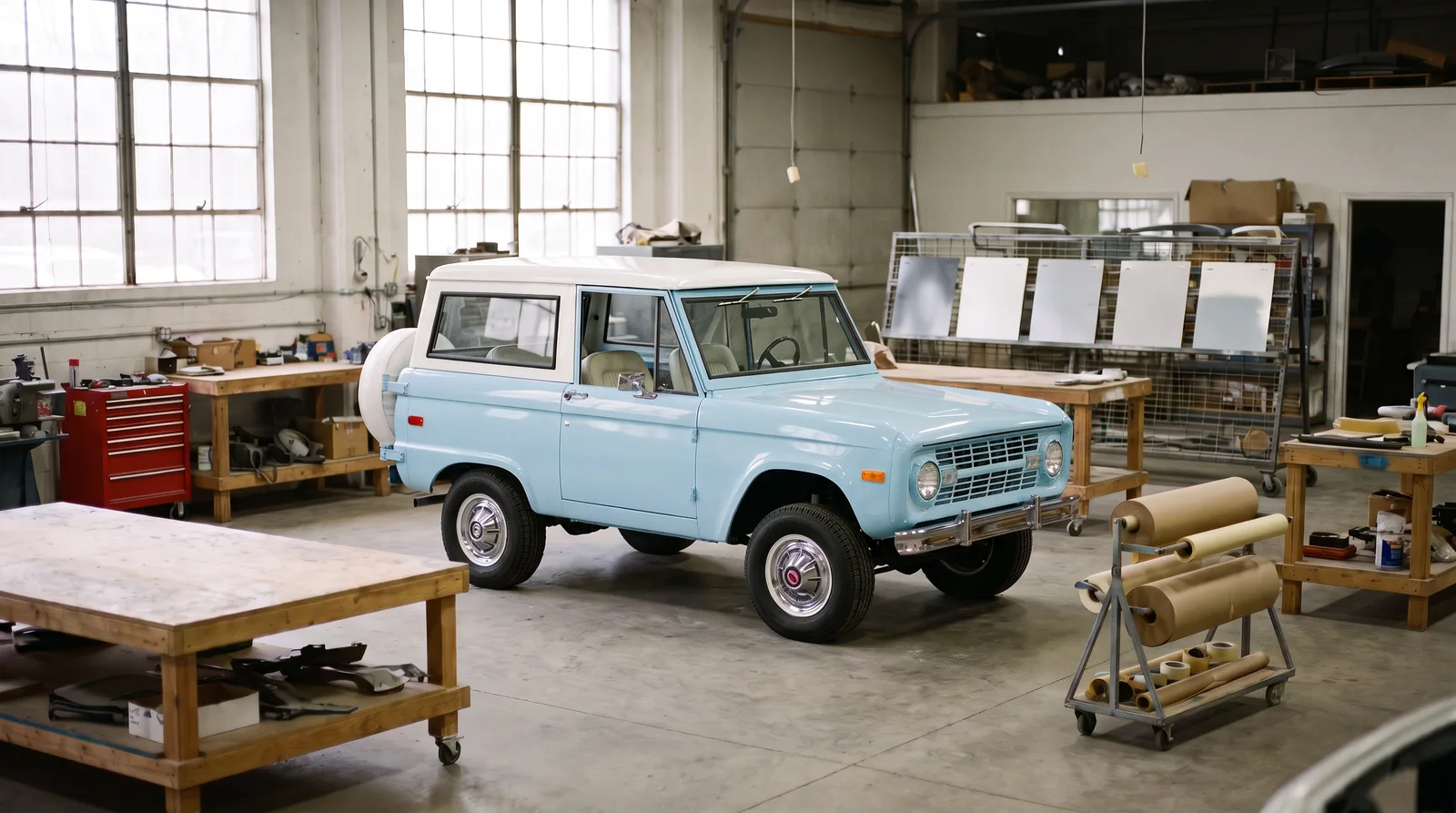
The results that reset expectations for the 1973 Bronco share common traits. They were nearly all restomod or high-end restoration builds rather than unmodified originals, reflecting the broader shift in buyer taste toward trucks that combine period looks with modern drivability. Several came from recognized specialty builders whose name alone functions as a form of quality assurance for bidders unfamiliar with evaluating a build firsthand, and results reported through major houses such as Barrett-Jackson, Mecum, and RM Sotheby's have shown six-figure hammer prices for the strongest of these builds in recent seasons, though exact figures vary by specific lot and should always be checked against the auction house's own results archive before being cited as a benchmark.
Unmodified, numbers-matching 1973 Broncos in strong original condition have also climbed, though less dramatically than the headline-grabbing custom builds. That gap between original and modified pricing has narrowed somewhat in recent seasons but remains a real factor in how these trucks get valued at auction.
| Condition category | Typical auction behavior | Primary value driver |
|---|---|---|
| Unrestored, documented original | Steady, moderate growth | Originality and matching numbers |
| Professionally restored to stock spec | Consistent bidder interest | Quality of restoration documentation |
| Builder-name restomod | Highest and most volatile results | Shop reputation and build quality |
| Unverified or partial history | Wide bid variance, frequent no-sale | Buyer risk discount |
Reading the fine print behind a big number
A serious buyer treats any reported auction record as a starting point for questions, not a conclusion. What was the reserve. Did the truck actually sell or simply receive a high bid that fell short. Was buyer's premium included in the reported figure. These details routinely get dropped from casual coverage and social media reposts, and the gap between a true hammer price and a headline number can run into five figures once fees and unmet reserves are accounted for.
Documentation quality drives value more than almost any other single factor in this segment. A truck with a continuous ownership chain, original window sticker or dealer invoice, and photographic history through a restoration will consistently outsell a mechanically similar truck lacking that paper trail, sometimes by a wide margin. Buyers chasing the next record sale should weight documentation ahead of cosmetic presentation when comparing two otherwise similar trucks.
Regional differences in how records get set
Not every record sale happens at a marquee national auction house. Regional sales, particularly in markets with strong concentrations of Bronco enthusiasts, have occasionally produced results that rival or exceed what a broader national audience might pay, driven by a small number of highly motivated local bidders competing directly against each other. Those results deserve extra scrutiny before being cited as a market benchmark, since a thin bidder pool at a regional sale can produce an outlier price that does not necessarily reflect broader demand.
Conversely, a truck that fails to meet reserve at a major national auction can sometimes find a buyer afterward through a private treaty sale at a number never publicly reported, meaning the visible record book understates what serious money is actually willing to pay for the right truck. An appraiser working this segment has to track both the public numbers and the quieter private transactions to form an accurate picture, rather than relying solely on headline auction results.
Liquidity is the part nobody advertises
A high sale price at one auction does not guarantee a buyer will find similar demand when it comes time to sell. The 1973 Bronco market, even at its strongest, remains a niche within a niche, and liquidity for six-figure restomod builds is thinner than for more broadly collected classics. A buyer paying record money for a truck should assume a resale window measured in years rather than months if market conditions shift, and should treat any comparison to broader classic truck indices with skepticism, since this specific model year and body style trades on its own dynamics.
That is not a reason to avoid the segment. It is a reason to buy with a downside scenario already worked out rather than assuming today's record price is a floor. For anyone researching ford bronco 1973 auction records before bidding, the practical read is this: the ceiling has risen, real documented sales prove it, but the ceiling applies mostly to the best-documented, best-built examples, not to the category as a whole. Our detailed 1973 ford bronco history covers the specification and production background that separates a genuine, well-documented truck from one relying on a good story.
"A record sale tells you what one buyer paid for one truck on one day. It doesn't tell you what your truck is worth. I've seen sellers quote a headline number from a completely different condition category and expect it to apply to their unrestored project. It doesn't work that way."
- Marcus Feld
Comparing the segment to broader classic truck trends
It helps to put the 1973 Bronco's auction results in context against the wider vintage truck market rather than reading them in isolation. Several categories of American 4x4 have seen comparable appreciation over the past decade, driven by the same broad forces: rising interest in outdoor recreation aesthetics, a wave of buyers who grew up wanting these trucks as kids and now have the means to purchase them, and a limited, non-renewable supply that shrinks slightly every year regardless of demand.
What sets the Bronco apart within that broader trend is the intensity of the restomod culture built specifically around it, which has pulled valuations for the best modified examples further ahead of the pack than a simple supply and demand story alone would predict. A buyer comparing a 1973 Bronco's price trajectory against a contemporary pickup or a different manufacturer's SUV from the same era should expect the Bronco's modified segment to command a real premium tied to that specific cultural attention, not just general classic truck appreciation.
Where the market goes from here
For a closer look at one of the specific builds that helped push valuations upward, see a related story covering a standout example from this segment. Whether the current price ceiling holds, climbs further, or corrects depends heavily on the broader classic truck market and the continued supply of clean donor trucks feeding the restomod pipeline. Buyers who want exposure to this segment without paying record-setting premiums can still find reasonably priced entry points by comparing current Broncos for sale now against the documentation standards outlined here, buying condition and paperwork first and hoping for appreciation second.
Sources and notes
Related Reading
Have a
Ford Bronco
for Sale?
Reach thousands of serious classic car collectors across the US.
Sell It Here →
Selling a classic? Here's how: the best sites to sell a classic car
Are You a Classic Car Dealer?
List your full inventory and connect with targeted classic car buyers.
Join as a Dealer →

About the author
Marcus Feld
Accredited collector-car appraiser who reads the market through hammer prices, condition tiers and risk.
Related Listings - Ford Bronco
Comments
Be the first to comment on this article.