
Ford bronco later gen restomod builds used to get eye rolls from purists who thought a full-size Bronco only mattered as a stock survivor. I have spent a long time under these trucks with a wrench in my hand, and I get the objection, but I do not share it anymore. The full-size Bronco was built as a work truck first, and work trucks were always meant to be adapted to whoever owned them. Restomodding one is not a betrayal of the platform. It is the platform doing what it was built to do.
Car Features
7 min read
Restomodding the Full-Size Bronco
A wrench-turner's honest take on why the full-size Bronco became a restomod favorite and what separates a good build from a wasted truck.
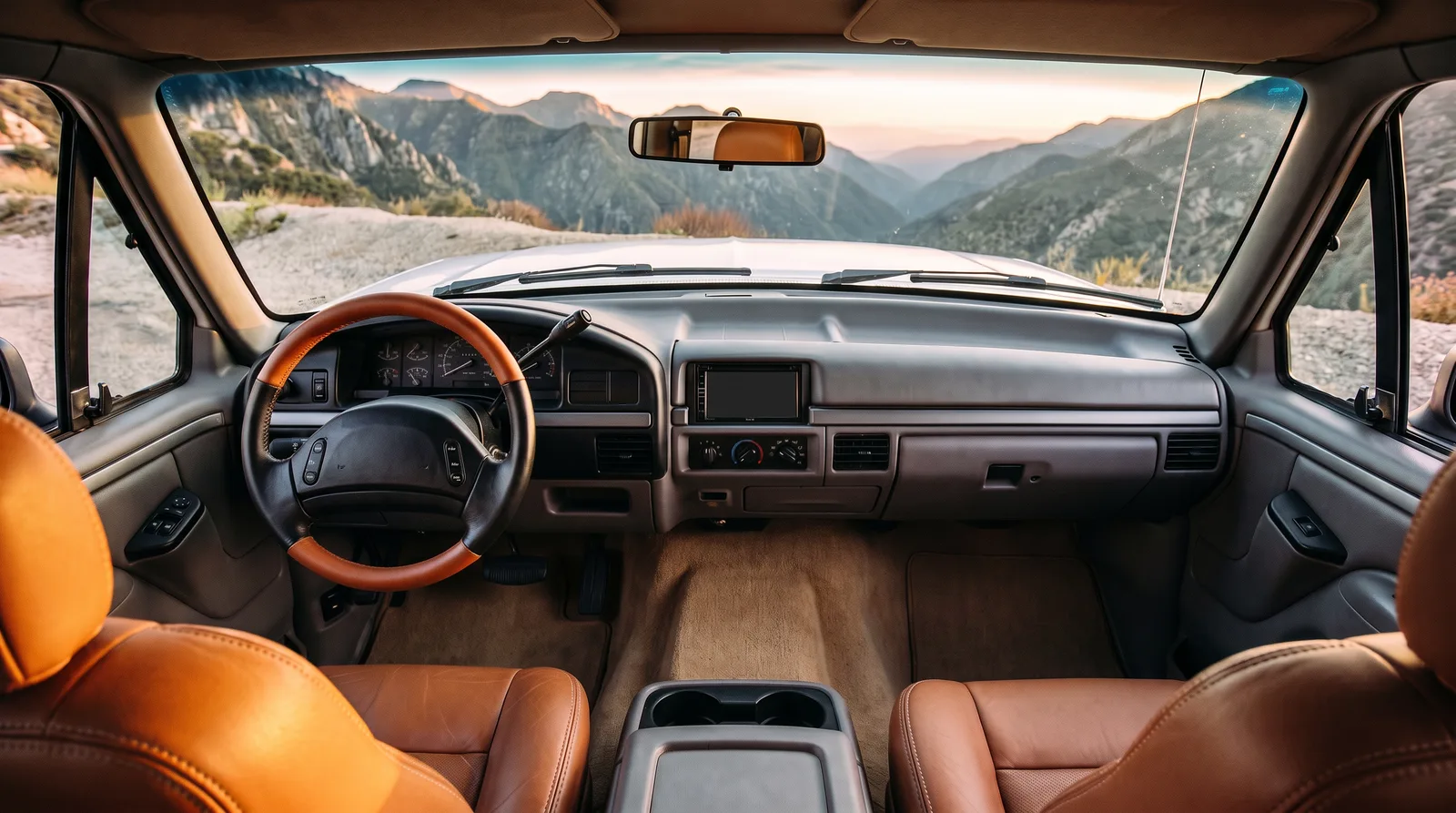
Why this generation became a restomod favorite
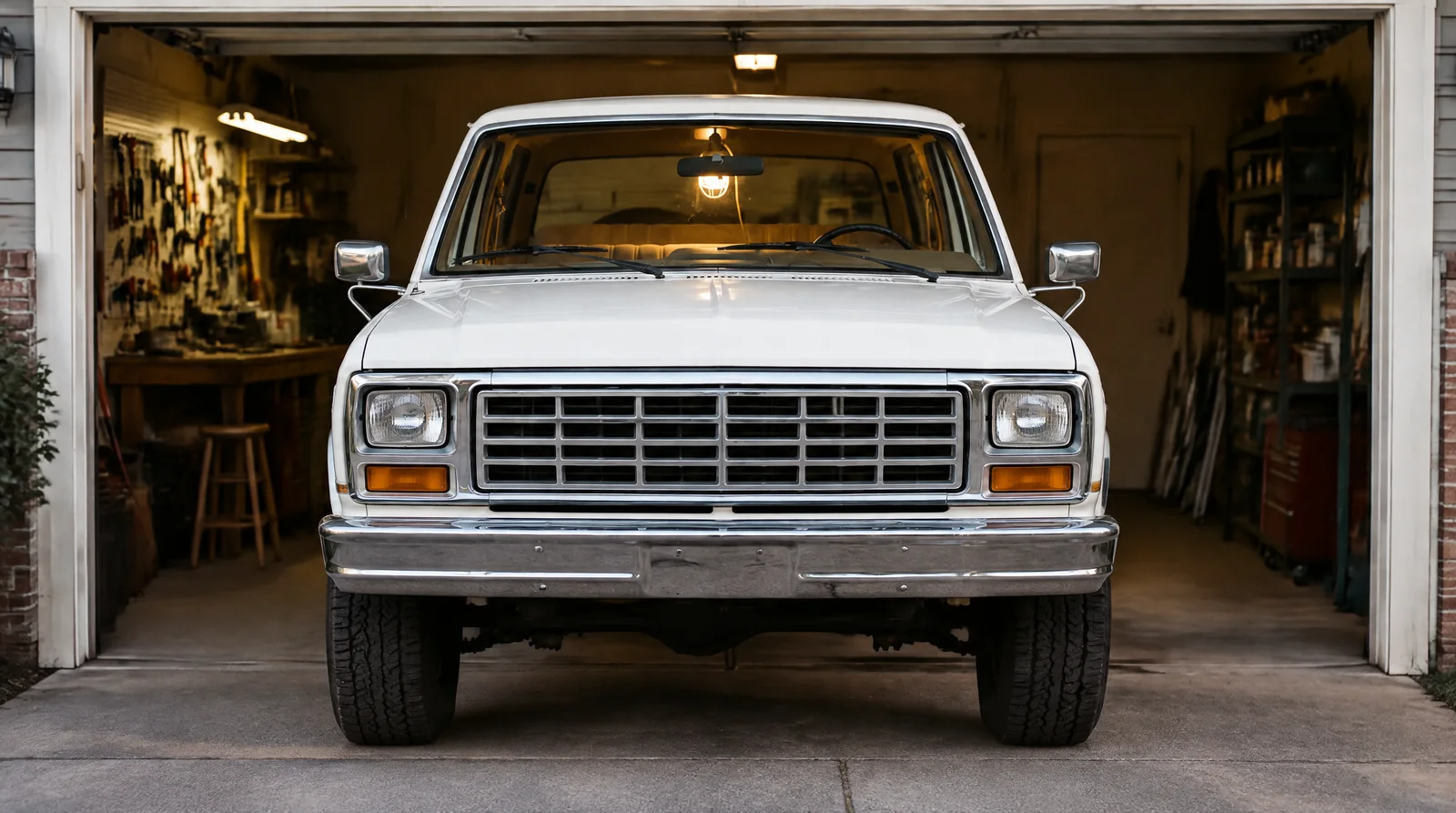
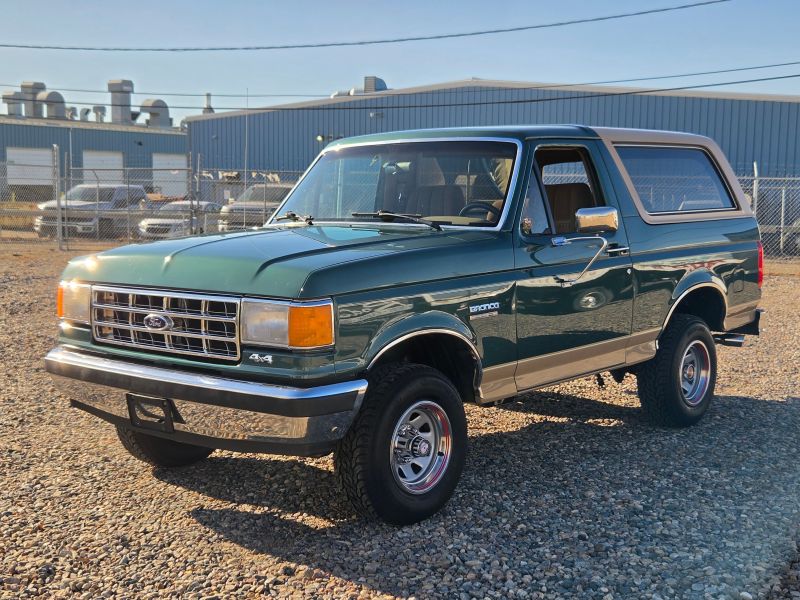
The 1980 to 1996 Bronco shares its chassis, running gear, and cab structure with the F-Series pickup of the same era, which means the aftermarket support built for those trucks mostly bolts straight onto a Bronco too. That parts commonality is the real reason this generation took off as a build platform ahead of the early Bronco, which uses a shorter, more unique chassis with a much thinner parts catalog behind it. When a builder wants modern brakes, updated suspension geometry, or a fuel-injected engine swap, the full-size Bronco gives them a much easier road to get there than the earlier trucks do, and that ease of sourcing shapes the whole culture around it.
The donor truck question
Every restomod project starts with the same practical decision: which truck becomes the donor. Availability of rust-free, structurally sound full-size Broncos is not unlimited, especially outside the dry-climate states, and builders competing for the same pool of solid trucks have driven up donor prices right alongside the finished-build market. A builder shopping for a project truck today is competing with buyers who just want a stock survivor, and that overlap has changed how the whole hobby prices raw material. Ten years ago a rough-but-solid Bronco with tired paint and a worn interior was a bargain few people wanted. Now it is exactly what a serious builder is hunting for, and the price reflects that shift.
What separates a good build from a wasted truck
I have seen builders take a rust-free, all-original truck and cut it apart for a build that could have started from a rougher donor instead. That is the mistake that actually bothers me, not the restomod concept itself. A truck with straight, unmolested sheet metal and a documented history is worth more left closer to stock, or at minimum worth preserving before any structural cutting starts. The trucks that deserve the restomod treatment are the ones that were already rough: sun-baked paint, tired interior, an engine that has seen better decades. Starting there means you are not erasing anything worth keeping.
What tends to actually change
The builds I respect most keep the exterior honest to the era while updating what actually matters for daily driving comfort and reliability. That usually means a fuel-injected V8 in place of the original carbureted engine, a modern overdrive transmission, and disc brakes on all four corners instead of the original rear drums. Interior work runs from mild, keeping the factory dash and just adding better seats, to full custom builds with air conditioning and sound deadening that the original truck never had. None of that is a mystery process, and I am not going to walk you through torque specs here, because that is not what this piece is for. What matters editorially is that the direction of these builds is consistent: comfort and drivability without losing the truck's shape.
"A restomod isn't cheating. Guys act like bolting in disc brakes erases history. The history is the shape, the frame, the way it sits. Everything else was always going to wear out and get replaced by somebody."
- Mike Sullivan
The market is starting to reward it
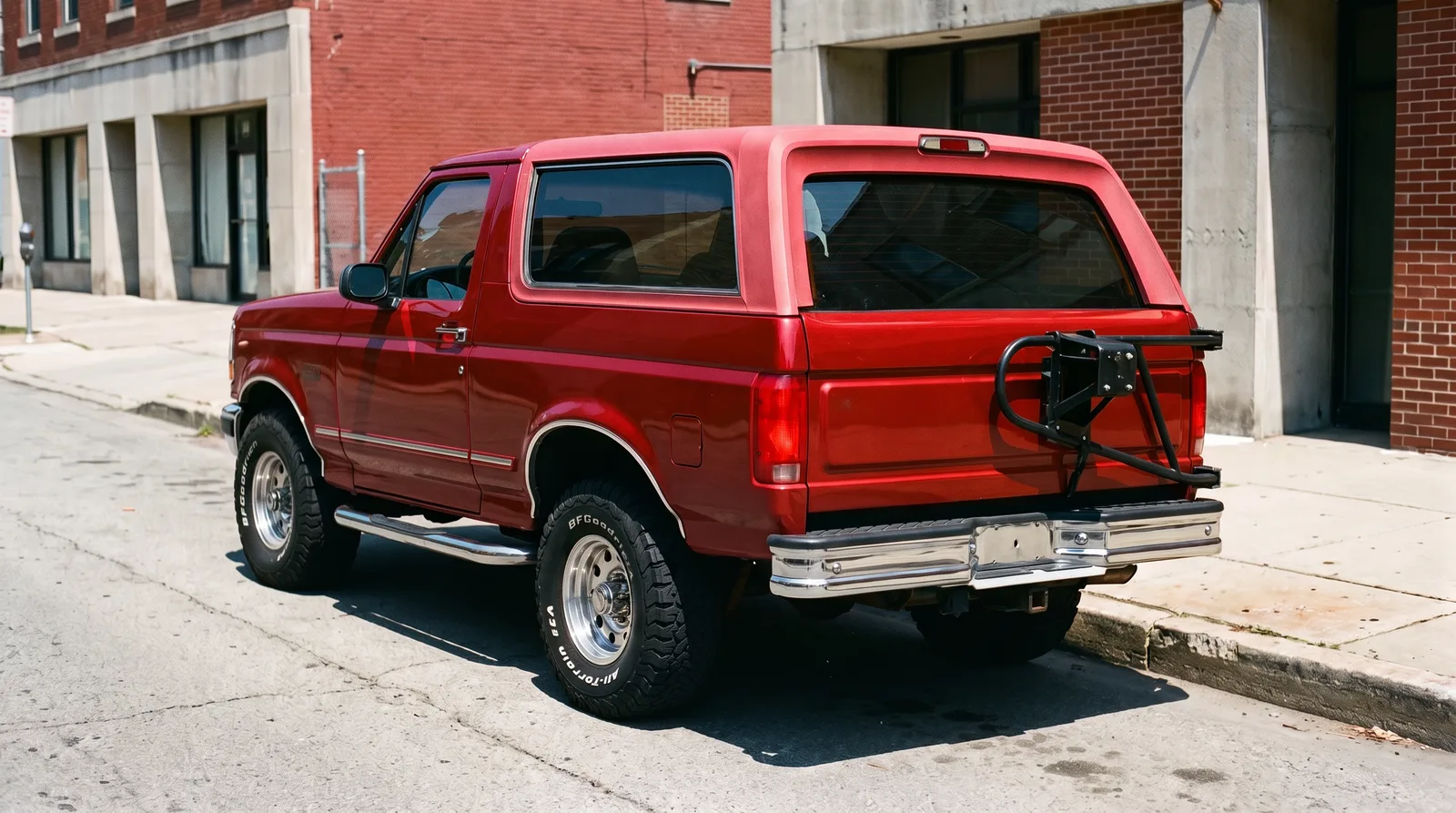
Restomod full-size Broncos with quality work and clear documentation of what was changed are now selling for real money, often more than a comparable original truck in similar cosmetic condition. Buyers want the look without the compromises of forty-year-old components, and a well-executed build delivers exactly that. The catch is that quality varies enormously, and a bad restomod, one with mismatched panel gaps or a drivetrain swap done without proper support work, can be worth less than a straight stock truck. Buyers should treat a restomod listing the way they would treat any custom work: ask who did it, ask for records, and look underneath before trusting the paint job on top.
What to check before buying a restomod Bronco
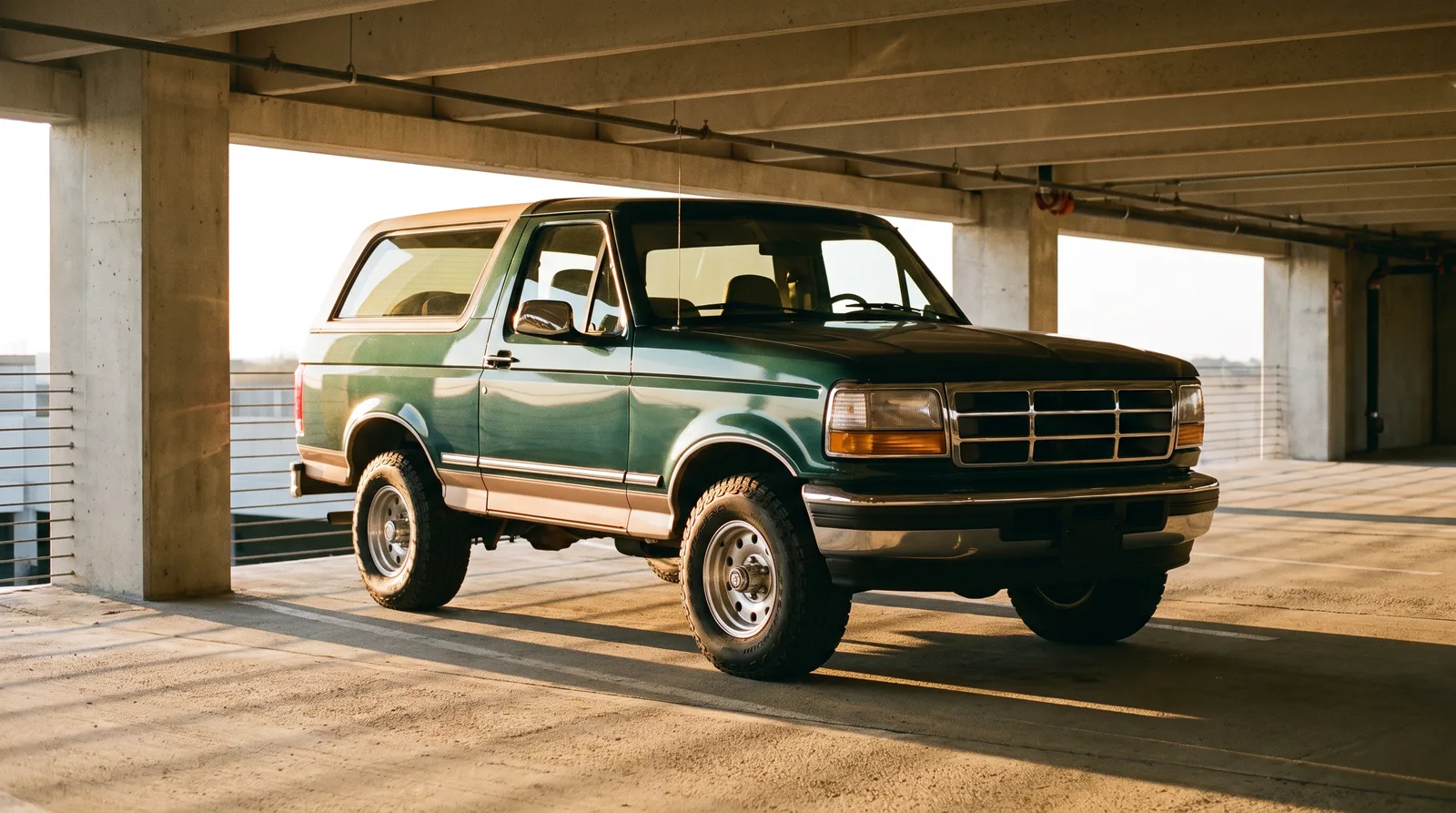
For context on how this generation of Bronco fits into Ford's broader history, the full story covers the production years these builds are based on. The final year of the platform has its own story too, and it is worth a look too if you want to understand why 1996 trucks in particular hold their own premium among builders.
How the culture split into two camps
Walk any Bronco show and you will see the split play out in real time. One camp sticks close to period-correct presentation, keeping wheels, paint, and interior trim consistent with what a factory truck actually wore, and treats any deviation as a mark against the build no matter how well executed the work is. The other camp treats the Bronco as a starting canvas and does not much care whether a judge at a concours event would approve, because the goal was never to win that kind of award. I have friends firmly planted in both camps, and honestly the trucks from each group taught me things the other group would not have thought to try. The period-correct builders taught me patience and sourcing discipline. The restomod builders taught me that a lot of what we treat as sacred about these trucks is really just what Ford happened to have on hand in 1985, not some untouchable design principle.
Neither camp is going away, and the market has room for both because they are not really competing for the same buyer. Someone chasing a numbers-matching, unmolested truck for a concours field is never cross-shopping a restomod with a modern fuel-injected engine and disc brakes at all four corners. They want different things from the same platform, and the full-size Bronco is flexible enough as a starting point to satisfy both without either camp needing to convince the other they are wrong.
Where this leaves buyers today
A good restomod full-size Bronco gives you a truck that looks like 1988 and drives like something built two decades later, and that combination has real appeal for people who want to use the truck rather than trailer it to shows. If that is the direction you are headed, you can shop classic Bronco listings and start comparing stock trucks against builds already in progress before deciding which path fits your budget and your patience.
Sources and notes
Related Reading
Have a
Ford Bronco
for Sale?
Reach thousands of serious classic car collectors across the US.
Sell It Here →
Selling a classic? Here's how: where to sell your classic car online
Are You a Classic Car Dealer?
List your full inventory and connect with targeted classic car buyers.
Join as a Dealer →

About the author
Mike Sullivan
Detroit-area muscle car enthusiast and restoration specialist with three decades of hands-on experience working on American iron.
Related Listings - Ford Bronco




Comments
Be the first to comment on this article.