
Most collectors chasing ford bronco rarest engine combos are not hunting for a specific horsepower number. They are hunting for a build sheet that almost nobody else ordered, a combination of engine, body style, and options that was rare the day it left the factory and got rarer with every truck that got scrapped, wrecked, or engine swapped over the following decades. Value in this corner of the market is about documentation and scarcity, not raw output.
Car Features
7 min read
The Rarest Bronco Engine and Body Combinations
From V8-equipped roadsters to big block half cabs, the rarest Bronco engine and body combinations reward documentation over enthusiasm.
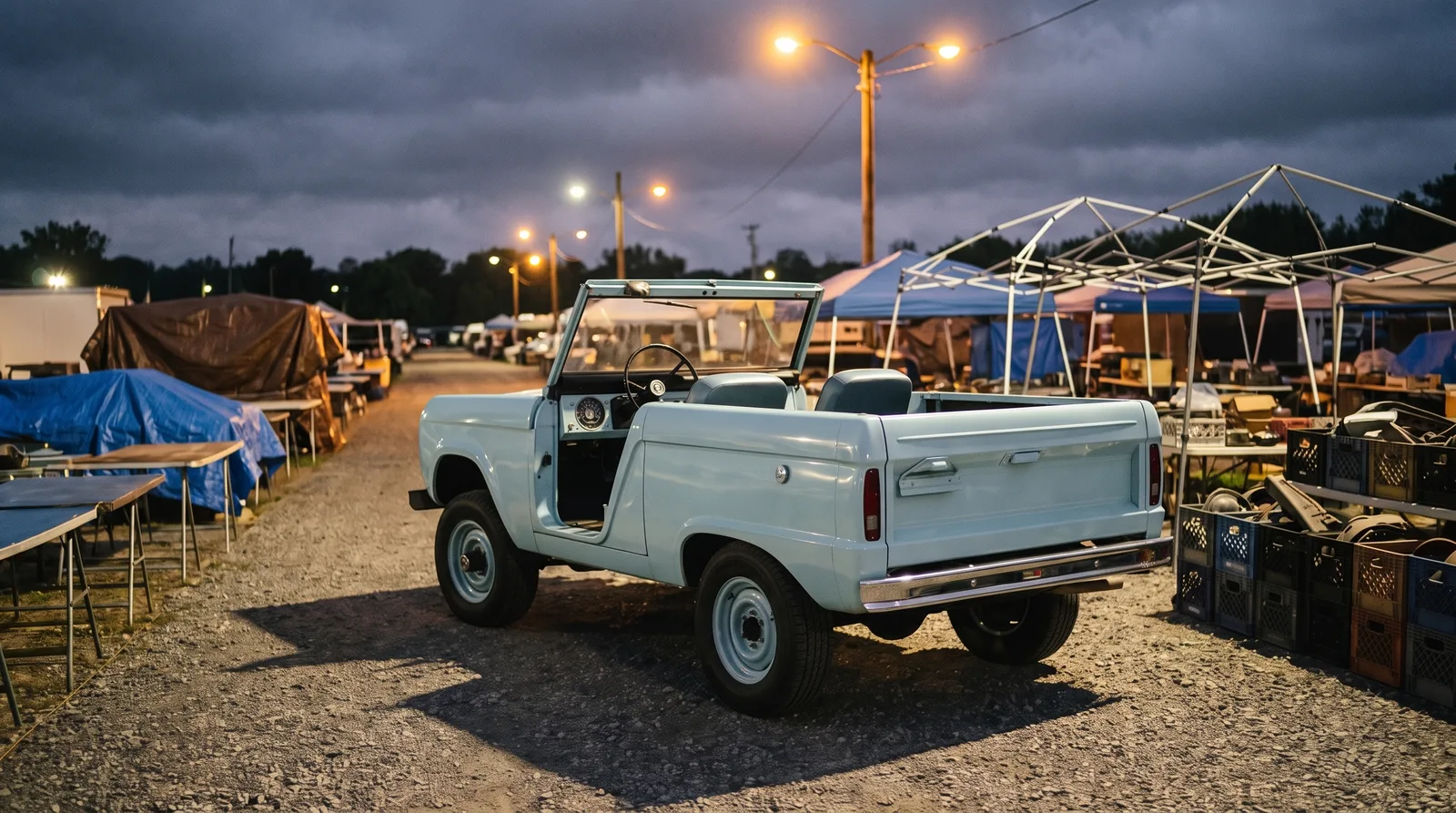
The roadster with a V8, an odd couple by design
The 1966 to 1968 doorless roadster body style was already a low volume outlier in Ford's lineup, and most surviving examples wear the base six cylinder engine that came standard. A documented roadster ordered new with the optional 289 or early 302 Windsor V8 is a genuinely uncommon find, combining two rarities that rarely overlapped in period buyer preferences. Buyers choosing the stripped down roadster tended to prioritize simplicity and low cost, which usually meant the base six, so a V8 roadster represents a buyer going against the grain of how that body style was typically ordered.
Documentation matters enormously here. A claimed factory V8 roadster without a build sheet or verifiable VIN decode carries real risk, since engine swaps on these trucks over sixty years are common and undocumented substitutions are easy to make look plausible to an inexperienced eye.
Half cab trucks with V8 power
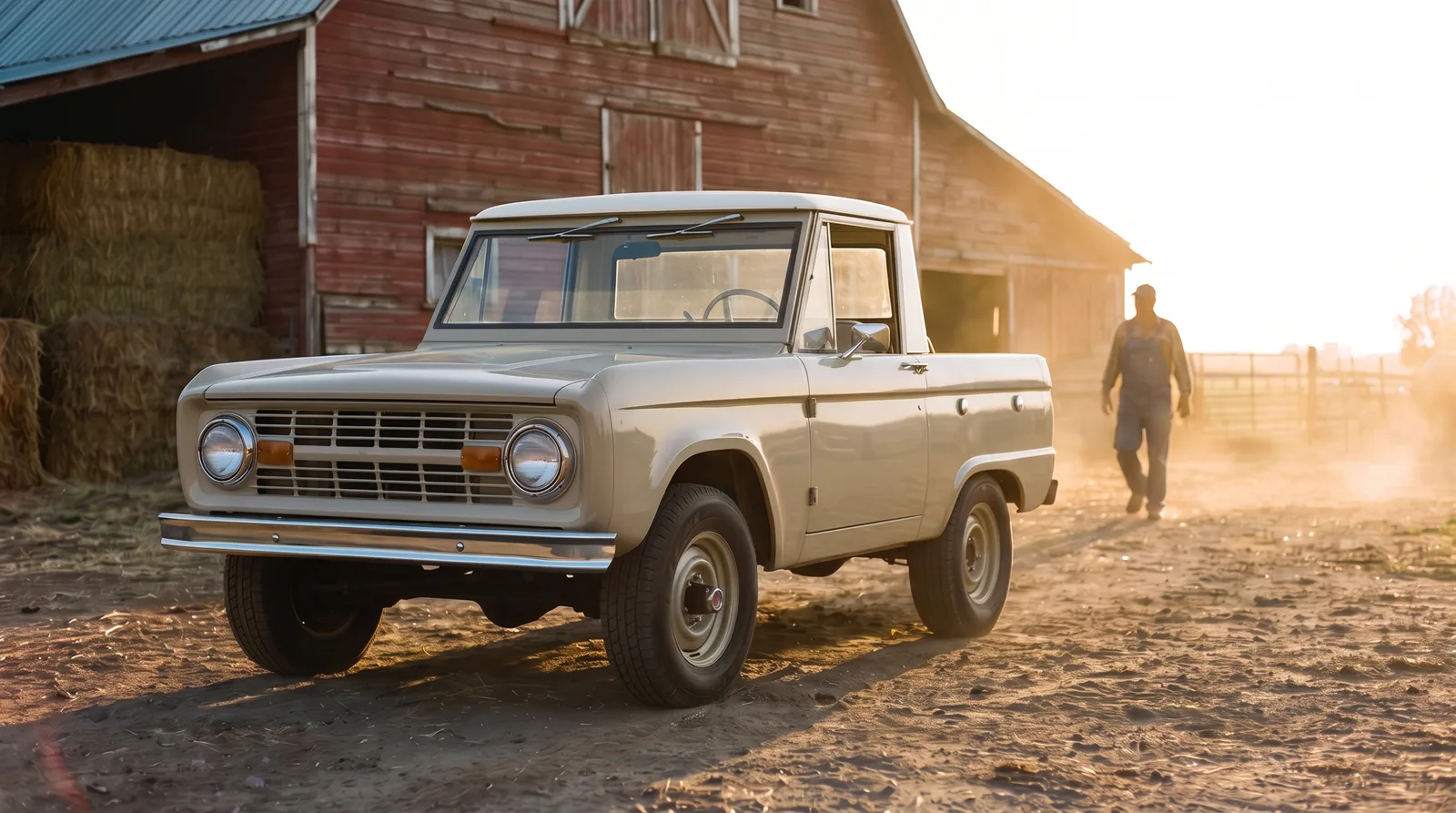
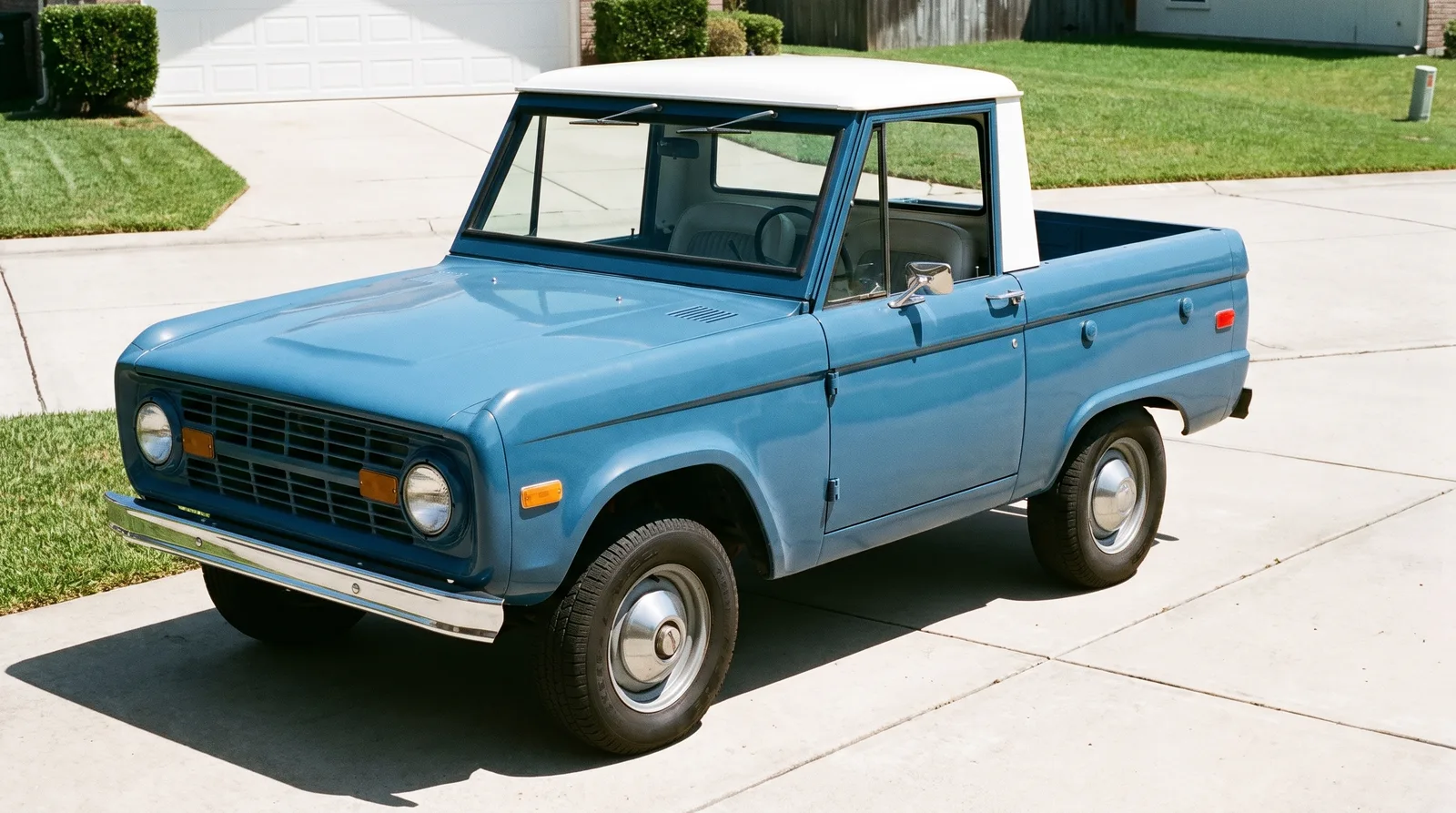
The half cab pickup body only existed on the first generation truck and was gone from the lineup after the 1972 model year, so any half cab paired with the optional 289 or 302 Windsor V8 rather than the standard six is already chasing two separate scarcities at once. These combinations were never a high volume order, since buyers wanting a half cab for work duty often specified the base six for cost reasons, leaving V8 half cabs as a genuine minority build even within an already less common body style. On the full size 1978 to 1996 trucks, which came in only a single enclosed wagon body, the rarest engine chases instead center on the earliest 351 Windsor equipped trucks from 1982 and any surviving low production trim packages, since Ford never offered a true big block in the Bronco at any point in its run. For the full history of how half cab bodies and engine offerings developed together across the Bronco's lifespan, our ford bronco half cab retrospective covers that ground thoroughly.
Why rarity here does not always mean desirability
It is worth saying plainly that rare is not automatically valuable in every case. A rare combination that was rare because buyers actively avoided it, an underpowered engine paired with a heavy body style, for instance, does not carry the same appraisal premium as a rare combination that resulted from genuine buyer preference for something special. Appraisers weigh why a combination is scarce, not just that it is scarce, before assigning any premium to it.
"I get calls every month from somebody convinced they have the rarest Bronco in the country. Maybe one in twenty actually does. The rest have a VIN that tells a different story than the engine sitting in the truck right now."
- Marcus Feld
How to actually verify a rare combination
Confirming a genuinely rare engine and body combination takes more than a good story. Start with the VIN decode, which on these trucks encodes the factory engine assignment. Cross reference that against casting numbers stamped into the block itself, since a numbers matching engine should align with what the VIN claims was originally installed. From there, a build sheet or dealer invoice, when one survives, is the strongest possible confirmation, though survival rates on that kind of paperwork after sixty years are low enough that its absence should not automatically disqualify an otherwise well documented truck.
Marque specific registries and club archives are worth checking too. Long running Bronco clubs have compiled production data and known survivor lists over decades that can sometimes confirm or contradict a rarity claim faster than working through Ford's original records alone.
Why replicas and tribute builds complicate the picture
Beyond honest mistakes about a truck's original configuration, the market for rare engine and body combinations has also attracted deliberate tribute builds, trucks assembled decades later to replicate a rare original configuration using period correct parts sourced from other vehicles. These builds can be excellent, well executed pieces of work, and some owners are entirely upfront that their truck is a modern recreation of a rare factory combination rather than an original survivor. Problems only arise when that distinction gets blurred, intentionally or not, at the point of sale.
A buyer specifically chasing a documented original rare combination needs to ask direct questions about build history early in the conversation, not after money has changed hands. A well built tribute truck is a legitimate and often more affordable way to enjoy a rare configuration's look and feel, but it should never be priced or represented as if it carries the same documentation as a verified factory original.
The role of clubs and registries in settling disputes
When a rarity claim is genuinely contested, longstanding Bronco clubs often turn out to be the deciding factor rather than any single document. Decades of member submitted production data, survivor lists, and photo archives give these organizations a broader view of what actually left the factory in a given combination than any individual owner or appraiser is likely to have on hand. A claim that looks plausible in isolation can fall apart quickly once compared against a club registry showing that particular combination was never recorded as built, or conversely gain real credibility when the registry confirms a small handful of known survivors matching the description.
Buyers serious about a rare combination purchase are well served by reaching out to the relevant club before finalizing a deal, not after. That step costs nothing but a little time and can save a buyer from a very expensive mistake built on an unverifiable story.
What this means for buyers and sellers
If you believe you own a genuinely rare engine and body combination, the burden of proof sits with you at sale time, and doing that homework before listing the truck pays off directly in what a serious buyer is willing to offer. If you are shopping for one of these rare combinations rather than selling, patience matters more than almost anything else, since these trucks do not come to market often and rushing a purchase without verification is how buyers end up overpaying for an undocumented claim. Whether you are hunting a documented rarity or a solid, honest driver, you can see what is currently available and Broncos for sale now to compare real listings against what the market is actually asking.
Rarity in this hobby rewards patience and paperwork more than enthusiasm. The trucks with the best documented, most genuinely uncommon combinations are worth the wait, and the ones without paperwork are worth a healthy dose of skepticism no matter how good the story sounds.
Sources and notes
Related Reading
Have a
Ford Bronco
for Sale?
Reach thousands of serious classic car collectors across the US.
Sell It Here →
Selling a classic? Here's how: compare the places to sell classic cars
Are You a Classic Car Dealer?
List your full inventory and connect with targeted classic car buyers.
Join as a Dealer →

About the author
Marcus Feld
Accredited collector-car appraiser who reads the market through hammer prices, condition tiers and risk.
Related Listings - Ford Bronco
More in Car Features
Comments
Be the first to comment on this article.