
Look at recent auction results and one pattern jumps out immediately: ford bronco body style values move independently of nearly everything else on the spec sheet. Two trucks with the same engine, same year, and similar condition can land tens of thousands of dollars apart once you factor in which body style each one wears. That is not noise in the data. It is the single clearest signal in this market right now.
Car Features
6 min read
How Body Style Drives Bronco Values
Half cab and roadster Broncos now command real premiums over comparable wagons, and the reasons come down to survivorship and a maturing collector market.
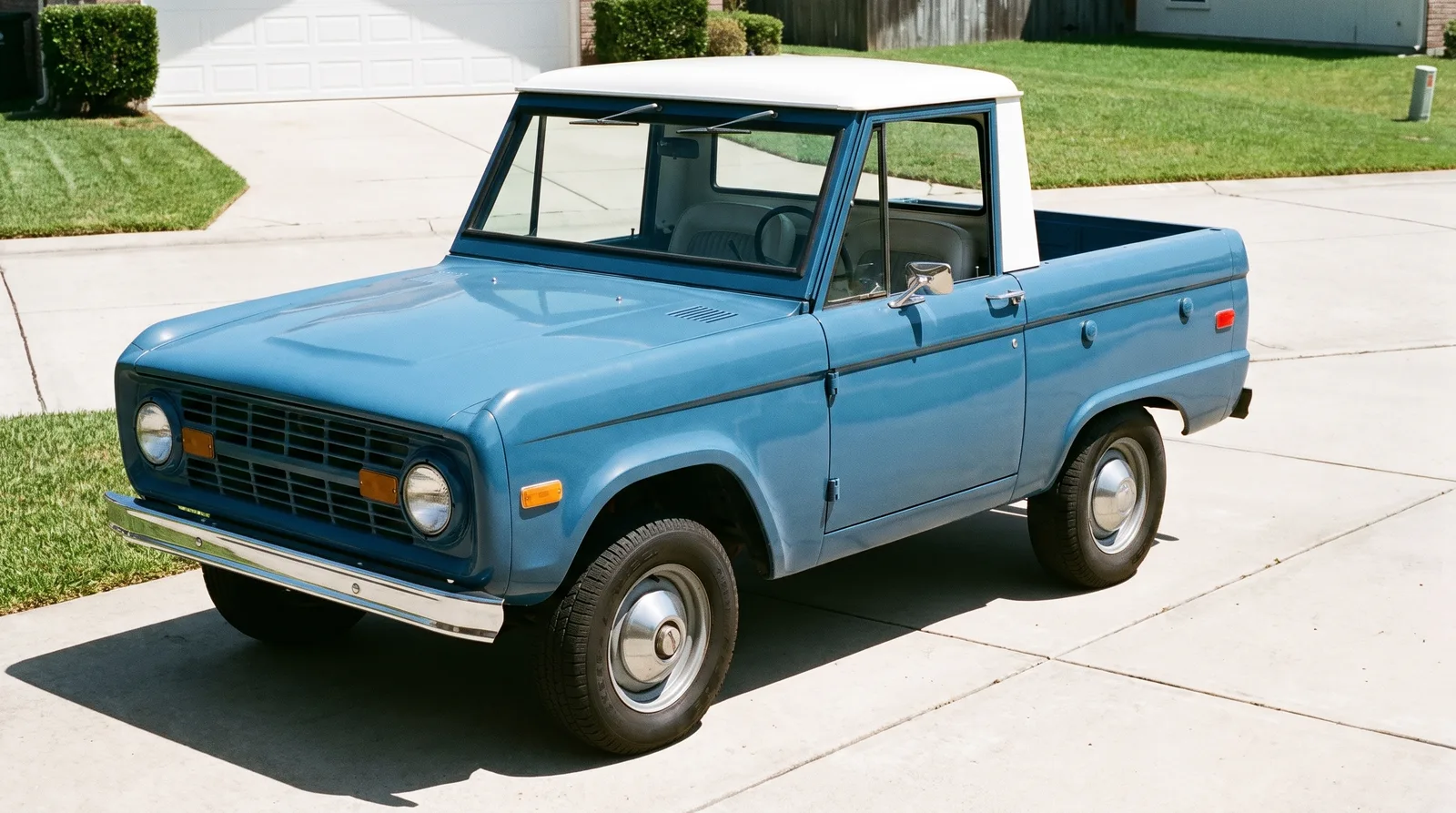
The half cab premium nobody predicted a decade ago
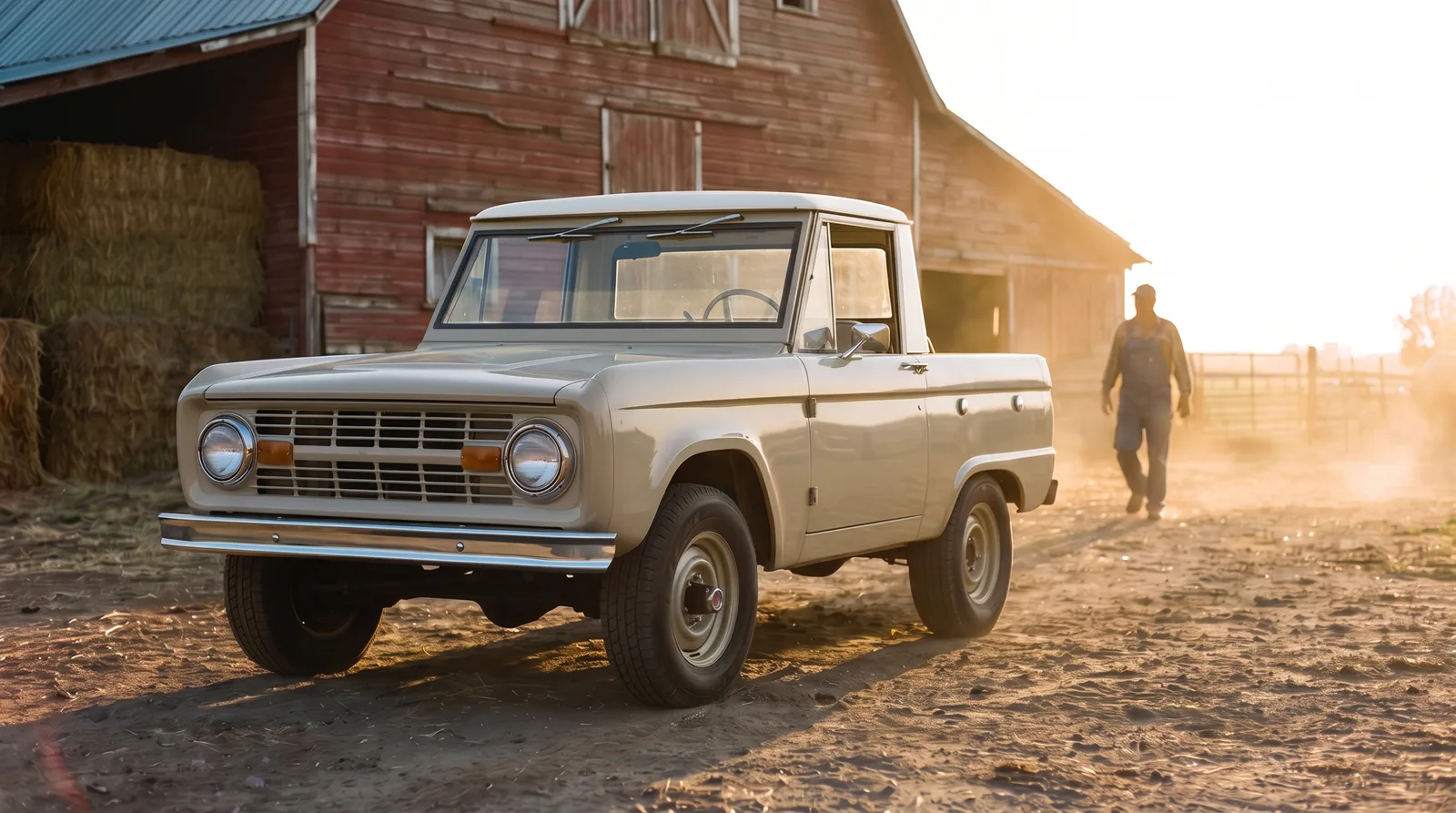
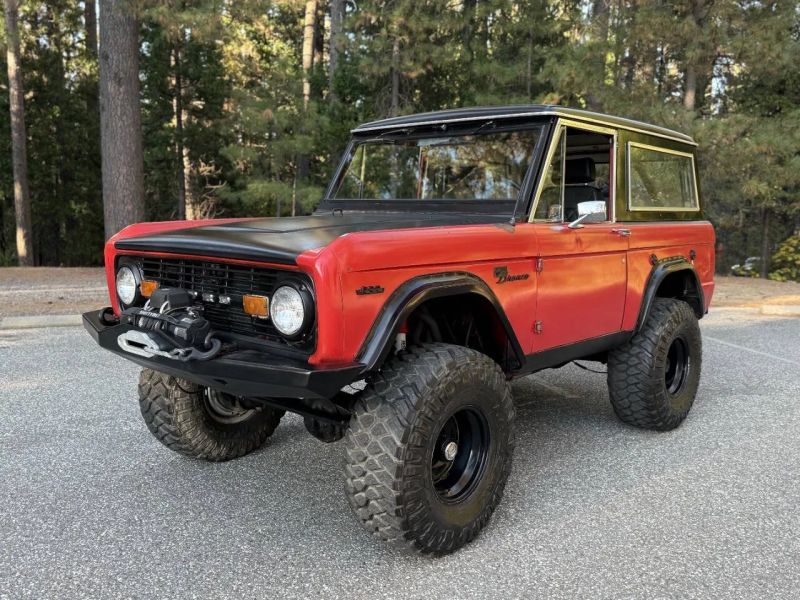
Ten years ago, the wagon body Bronco was the default collector target and the half cab pickup style was treated as a workmanlike also-ran. That has flipped. Half cab trucks in good condition now regularly out-price comparable wagons at auction, driven largely by scarcity. Fewer half cabs were built to begin with, and fewer still survived decades of open bed exposure to weather and use without rusting out or getting modified beyond recognition.
Scarcity alone does not set a price, demand has to meet it, and collector demand for half cabs has grown as buyers who already own a wagon look for a second, rarer body style to add to a collection. That secondary demand curve is exactly what pushes prices up faster than supply can respond.
Roadster and early wagon values, a different story entirely
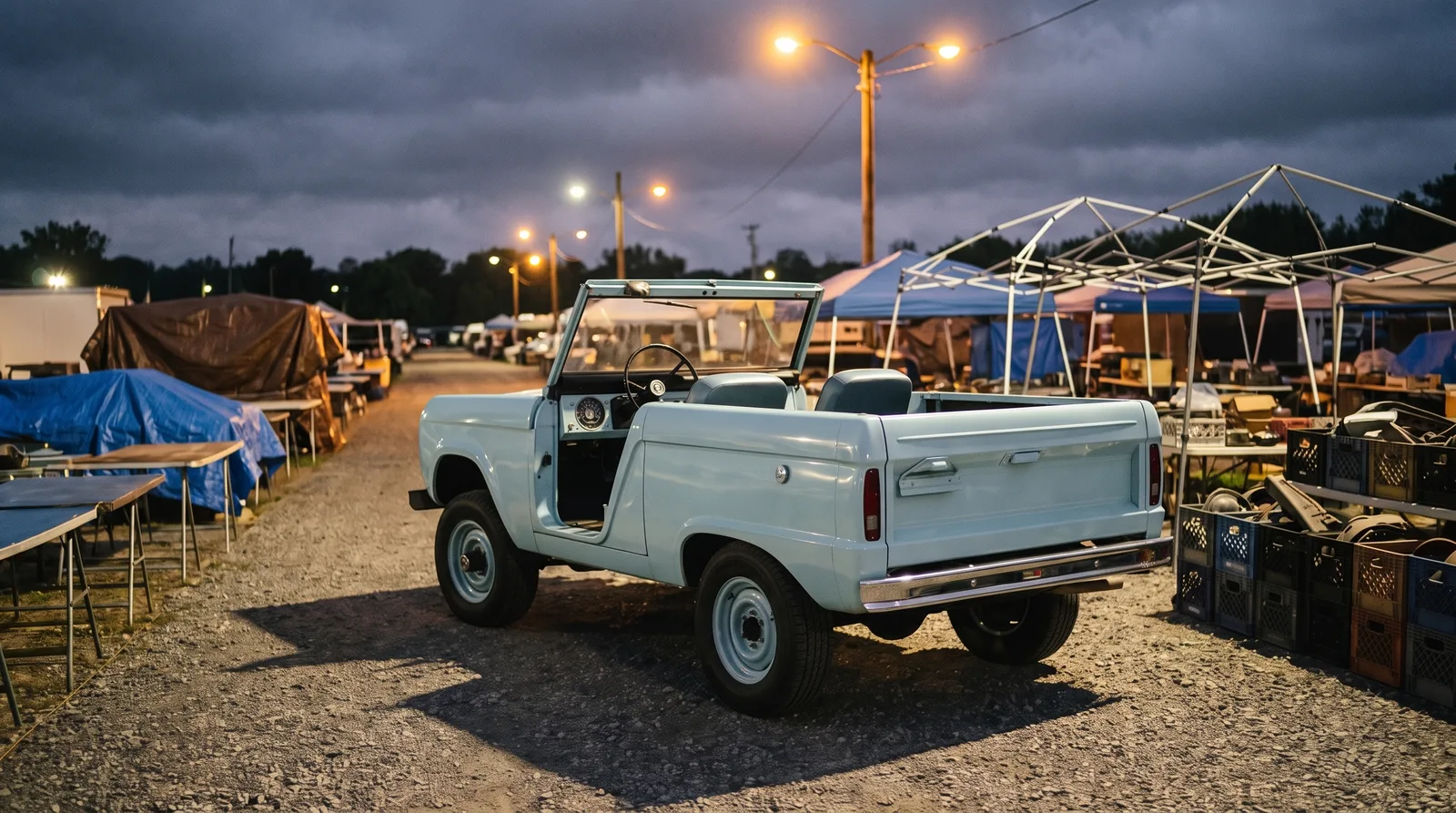
The doorless 1966 to 1968 roadster body style sits in its own category almost entirely disconnected from the rest of the lineup. So few were built and even fewer survive in unmolested condition that comparable sales are rare enough to make consistent pricing difficult. When one genuinely correct example comes to market, it draws attention well beyond the usual Bronco buyer pool, pulling in collectors who care more about historical rarity than usability.
Standard wagons, by contrast, are the most common surviving body style and price accordingly. That does not mean wagons are cheap, strong examples still command real money, but the ceiling on a wagon sale sits meaningfully below what a documented half cab or roadster can reach in the same condition tier.
Full size body styles and a market still finding its footing
The 1978 to 1996 full size Broncos have taken longer to develop a clear body style hierarchy in the collector market, partly because that generation only ever came in one basic body configuration rather than the varied lineup of the early trucks. Values there track more closely with trim level, engine choice, and originality than with any body style premium, which makes that generation a more straightforward, if less dramatic, market to analyze.
"Ten years ago I would have told a buyer the wagon was the safe play every time. Today the data says otherwise. Scarcity is doing more work in this market than nostalgia is, and the numbers back that up."
- David Mercer
What is actually driving the shift
Part of this reshuffling comes down to simple survivorship. Open bed half cabs and doorless roadsters were more exposed to weather damage over sixty years than fully enclosed wagons, so the pool of clean survivors shrank faster for those body styles even though fewer were built in the first place. Combine low original production with low survival rates and you get a scarcity multiplier that a straightforward wagon never faces to the same degree.
The other factor is collector maturity. Buyers who entered this market a decade ago with a single Bronco purchase are now often shopping for a second or third truck specifically to round out a body style collection, and that kind of buyer is far less price sensitive than a first time buyer shopping on a budget. That demand segment did not really exist at scale until recently, and it shows up directly in the sales data.
| Body style | Relative scarcity | Current market position |
|---|---|---|
| Roadster (1966-1968) | Extremely rare | Highest ceiling, thin sales data |
| Half cab | Rare | Rising premium over wagon |
| Wagon/sport utility | Most common | Steady, lower ceiling |
| Full size (1978-1996) | Single body configuration | Trim and originality driven |
How condition tier changes the calculation
None of this body style premium data means much without pairing it against condition. A rough, project grade half cab needing full frame and body work does not automatically out-price a well sorted, driver quality wagon, even though the half cab carries the rarer body style. Condition and originality still set the floor and ceiling within each body style category, and the scarcity premium applies most cleanly when you are comparing trucks of roughly similar condition to each other.
Buyers who skip that step and assume body style alone dictates price end up either overpaying for a rough rare truck or underestimating what a genuinely excellent common one deserves. The smartest approach treats body style as a multiplier on top of a baseline condition assessment, not a standalone pricing factor that overrides everything else about the truck's actual state.
Regional market variation adds another layer
Body style premiums also shift depending on where a truck is being sold. Rust belt markets, where open bed half cabs and even wagons suffered heavier corrosion over the decades, tend to show wider premiums for clean surviving examples of any body style simply because the local supply of unmolested trucks is thinner. Dry climate markets in the Southwest, by contrast, have more surviving trucks across every body style, which can compress the premium somewhat since buyers have more direct comparisons available within driving distance.
Serious buyers increasingly shop nationally rather than locally for exactly this reason, willing to arrange transport for the right truck rather than settle for whatever body style happens to be available regionally. That shift toward a national rather than regional market has itself contributed to tighter, more consistent pricing on rare body styles over the past several years.
What this means if you are buying or selling
If you already own a wagon and are considering trading up, understand you are trading into a smaller, thinner market for half cabs and roadsters, where finding the right truck can take real patience. If you are selling a documented half cab, do not assume comparable wagon sales tell you what your truck is worth, the body style premium is real and current data supports pricing it accordingly. For background on how these body styles developed alongside engine offerings across the truck's history, read the background before you make a buying or selling decision.
Whichever body style fits your budget and goals, watching current listings rather than relying on outdated price guides is the only reliable way to gauge this market right now. You can browse classic Bronco listings and see how body style is actually reflected in today's asking prices.
Sources and notes
Related Reading
Have a
Ford Bronco
for Sale?
Reach thousands of serious classic car collectors across the US.
Sell It Here →
Selling a classic? Here's how: where to sell your classic car online
Are You a Classic Car Dealer?
List your full inventory and connect with targeted classic car buyers.
Join as a Dealer →

About the author
David Mercer
Classic car market analyst with two decades of experience tracking collector car valuations, auction results, and investment trends.
Related Listings - Ford Bronco
More in Car Features
Comments
Be the first to comment on this article.