
Ford Bronco roadster collectibility is a subject I get asked about more than almost any other early-Bronco question, usually by someone who just found one at an estate sale or a small-town dealer and wants to know if they should write the check. The doorless roadster, no factory soft top or hard top fitted as standard, is the body style that separates casual Bronco interest from serious collecting, and the reasons come down to numbers, condition, and risk, which is how I look at every car that crosses my desk.
Car Features
7 min read
Why the Doorless Roadster Is the Rarest Prize
An appraiser breaks down ford bronco roadster collectibility, why documentation matters more than scarcity, and how to spot a converted wagon wearing roadster styling.
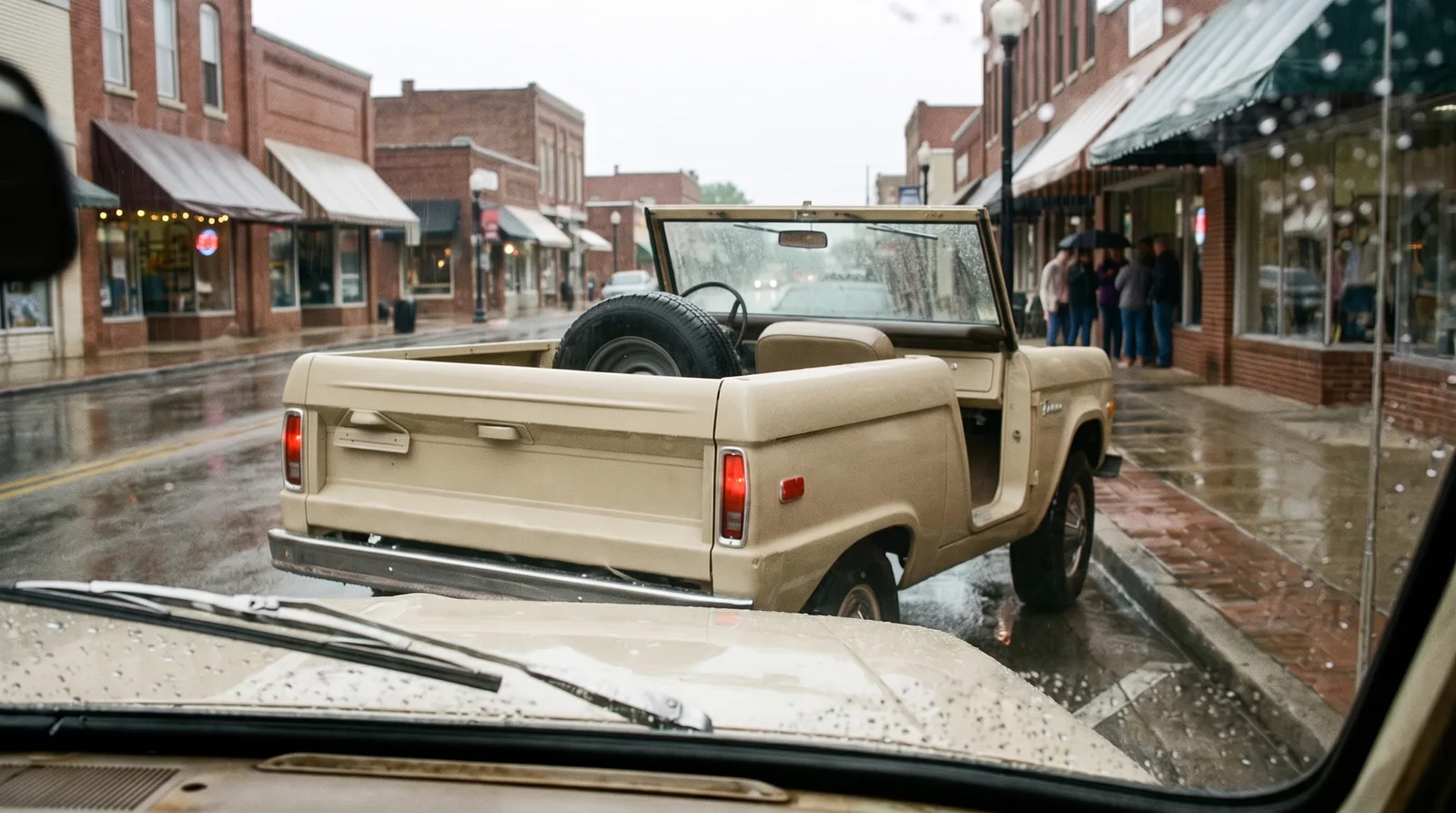
What "roadster" actually means on an early Bronco
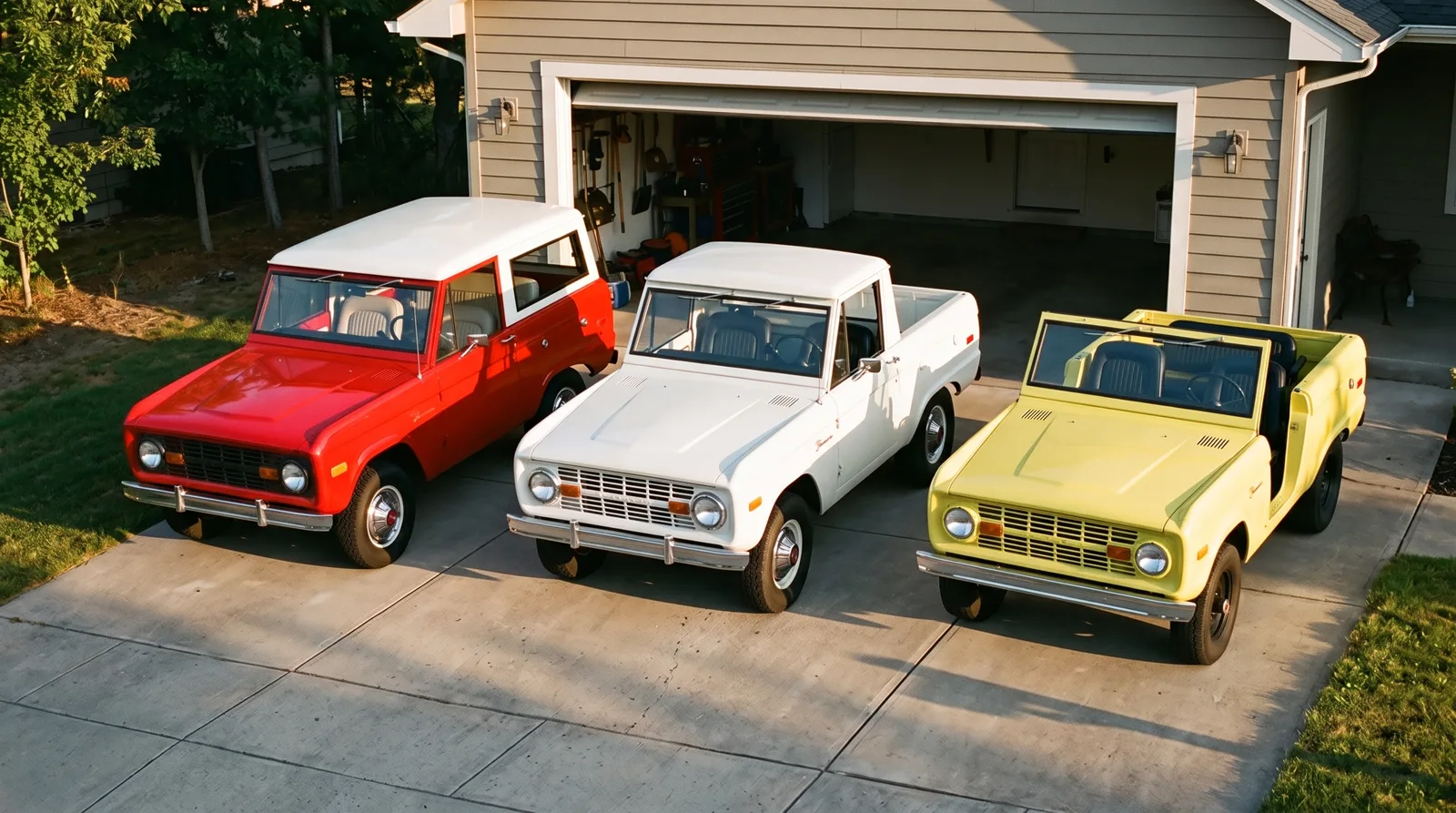
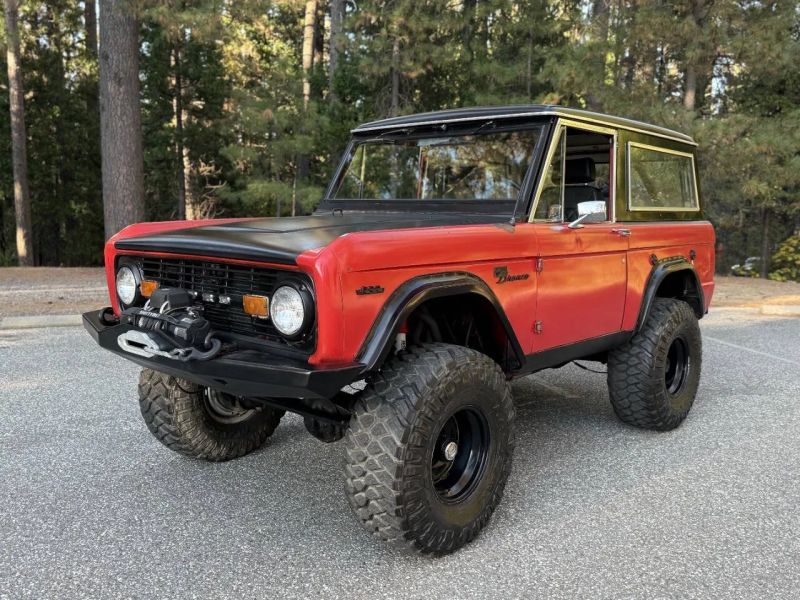
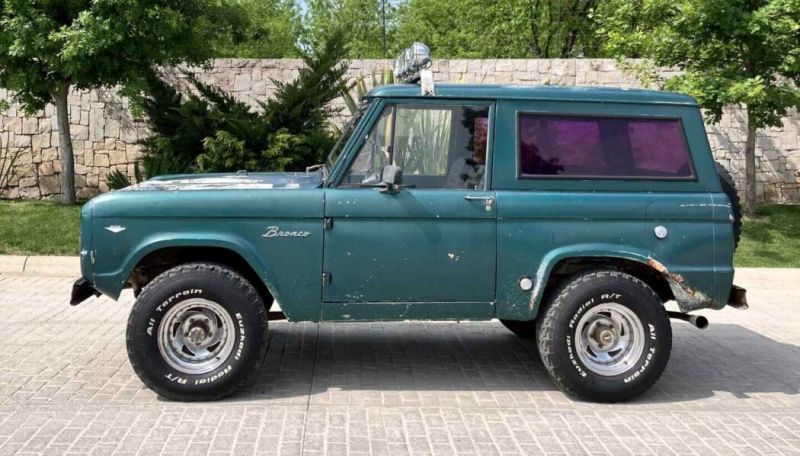
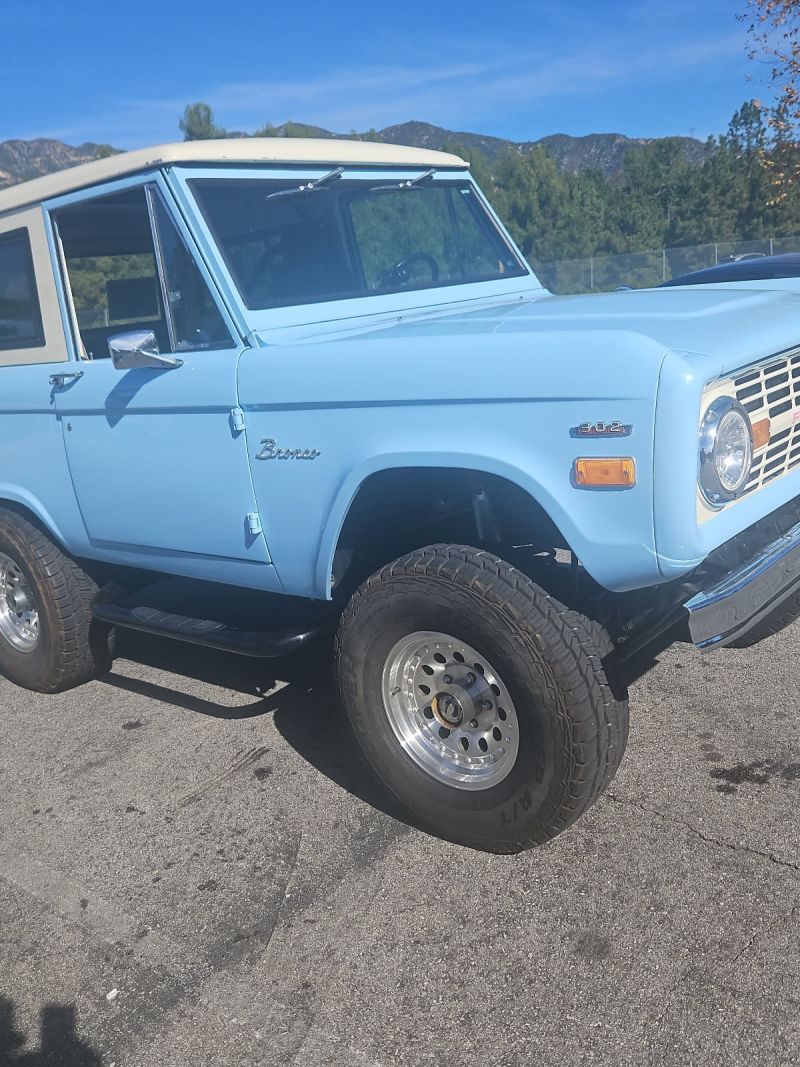
Ford's original Bronco lineup offered three configurations built on the same 92-inch wheelbase chassis: the fully enclosed U15 wagon, the U14 half cab pickup, and the U13 roadster. The roadster came without doors and without a top as standard equipment, stripped down closer to a farm and trail utility vehicle than the family wagon most people picture. Buyers who wanted weather protection had to add it themselves, which is exactly why so few roadsters survive in original, unmodified form. Owners bolted on doors, added tops, and changed the truck into something more livable, erasing the factory configuration in the process.
That is the central risk in this segment. A roadster today with doors installed may have started life exactly that way from a dealer accessory list, or it may have been converted decades later by an owner who wanted a more practical daily driver. Telling the difference requires real documentation, and documentation is where value lives or dies in this market.
Why scarcity alone does not set the price
I appraise cars for a living, and the mistake I see most often is buyers assuming rare automatically means valuable. Rarity is a starting point, not a conclusion. A roadster with no paper trail, mismatched panels, or an undocumented drivetrain swap is a compromised car regardless of how few were built. The premium collectors pay for roadster status only holds up when the truck can prove it is what it claims to be.
Condition risk runs higher on roadsters than on wagons for a structural reason, not just a cosmetic one. Without doors and a permanent top, these trucks saw harder outdoor use and more weather exposure over their working lives. Floor pans, rocker panels, and the areas around the windshield frame take the brunt of that exposure. A pre-purchase inspection on a roadster needs to go further than a wagon inspection, because the failure points are different and often hidden under a fresh coat of undercoating.
How I frame the buy decision
Four factors drive my appraisal on any roadster: documented originality, drivetrain matching, structural condition beneath the surface, and liquidity, meaning how quickly a similar car has actually sold at the number being asked. A roadster can score well on rarity and still score poorly on liquidity if the buyer pool for that specific condition and price point is thin. That mismatch is where sellers get frustrated watching a "rare" car sit unsold for months.
My advice to a serious buyer is simple. Pay for provenance before you pay for the body style itself. A documented roadster with a clean structural inspection and a believable ownership history is worth the premium. An undocumented one wearing roadster styling cues is a wagon-plus-risk, and it should be priced accordingly, not at the top of the market simply because the seller calls it rare.
"I have watched buyers pay roadster money for a car that was really a converted wagon with the doors removed last year. Documentation is not paperwork for its own sake. It is the difference between buying the real thing and buying a story."
- Marcus Feld
The downside case every buyer should run first
Before I sign off on any roadster purchase for a client, I ask what happens if the documentation turns out thinner than represented. Can the truck still be sold at a reasonable loss, or does the value collapse entirely once the roadster premium is off the table? That downside scenario matters more than the upside story in this niche, because the upside is already priced into the ask. The downside is what determines whether the deal is actually sound.
Insurance and appraisal costs also run higher on a documented roadster than on a common wagon, and that ongoing cost belongs in the decision, not just the purchase price. A serious collector budgets for annual appraisal updates, agreed-value insurance riders, and secure storage, all of which protect the premium you paid to own the rarer body style in the first place.
The story of how this whole configuration came to exist is worth reading before you shop. It helps to understand where this started, because Ford's original positioning of the roadster against the wagon and half cab explains why so few survive in factory condition today. Once you have that context, go compare real asking prices on classic Bronco for sale listings against documented recent sales, and treat any gap between the two as a warning sign rather than an opportunity.
What I look for on the truck itself
When I walk around a roadster in person, I start at the cowl and the base of the windshield frame, because that is where water collects when there is no top to shed it. I look under the carpet, not just at the carpet. I check whether the door hinge mounting points on the body show factory paint and factory hardware or drilled aftermarket holes, since that tells me whether doors were ever part of the original build or added later. None of this is glamorous work. It is the same discipline I would apply to any collector vehicle where the story matters as much as the sheet metal.
| Appraisal factor | Why it matters on a roadster |
|---|---|
| Documented originality | Confirms the doorless, topless configuration was factory, not a later conversion |
| Drivetrain matching | Supports the sale price and protects resale value down the line |
| Structural condition | Roadsters saw more weather exposure with no permanent top or doors |
| Liquidity | Determines how quickly the truck sells at the number you actually want |
Buyers sometimes assume a specialist inspection is optional on a car this small and simple. I disagree. The roadster's mechanical layout is straightforward, but the provenance question is not, and that is exactly the kind of problem a generalist inspection tends to miss. Pay for the right eyes on the car once, rather than discovering the gaps after the title has changed hands.
My bottom line
A documented, structurally sound roadster is one of the strongest long-term holds in the early Bronco market, and I tell clients that without hesitation. An undocumented one wearing the look without the paperwork is a gamble dressed up as a sure thing. Know which one is in front of you before the money changes hands.
Sources and notes
Related Reading
Have a
Ford Bronco
for Sale?
Reach thousands of serious classic car collectors across the US.
Sell It Here →
Selling a classic? Here's how: compare the places to sell classic cars
Are You a Classic Car Dealer?
List your full inventory and connect with targeted classic car buyers.
Join as a Dealer →
#Ford Bronco
#Bronco roadster
#classic truck appraisal
#first-gen Bronco
#Bronco collectibility
#Bronco values

About the author
Marcus Feld
Accredited collector-car appraiser who reads the market through hammer prices, condition tiers and risk.
A documented roadster will outrun any Blazer at auction, I'd wager. Chevy fellas, y'all can argue.