
The ford bronco halfcab revival did not happen because some marketing department decided the body style needed a comeback. It happened in shops and driveways, one truck at a time, because guys who wrench on these things for a living finally got tired of every early Bronco conversation starting and ending with the wagon. I have had a half cab on my lift more times in the last several years than in the two decades before that combined, and the reasons are all mechanical and practical, not sentimental.
Car Features
7 min read
The Half-Cab Bronco's Cult Comeback
A wrench-turner explains the ford bronco halfcab revival, why builders overlooked the body style for decades, and what to check before buying one now.
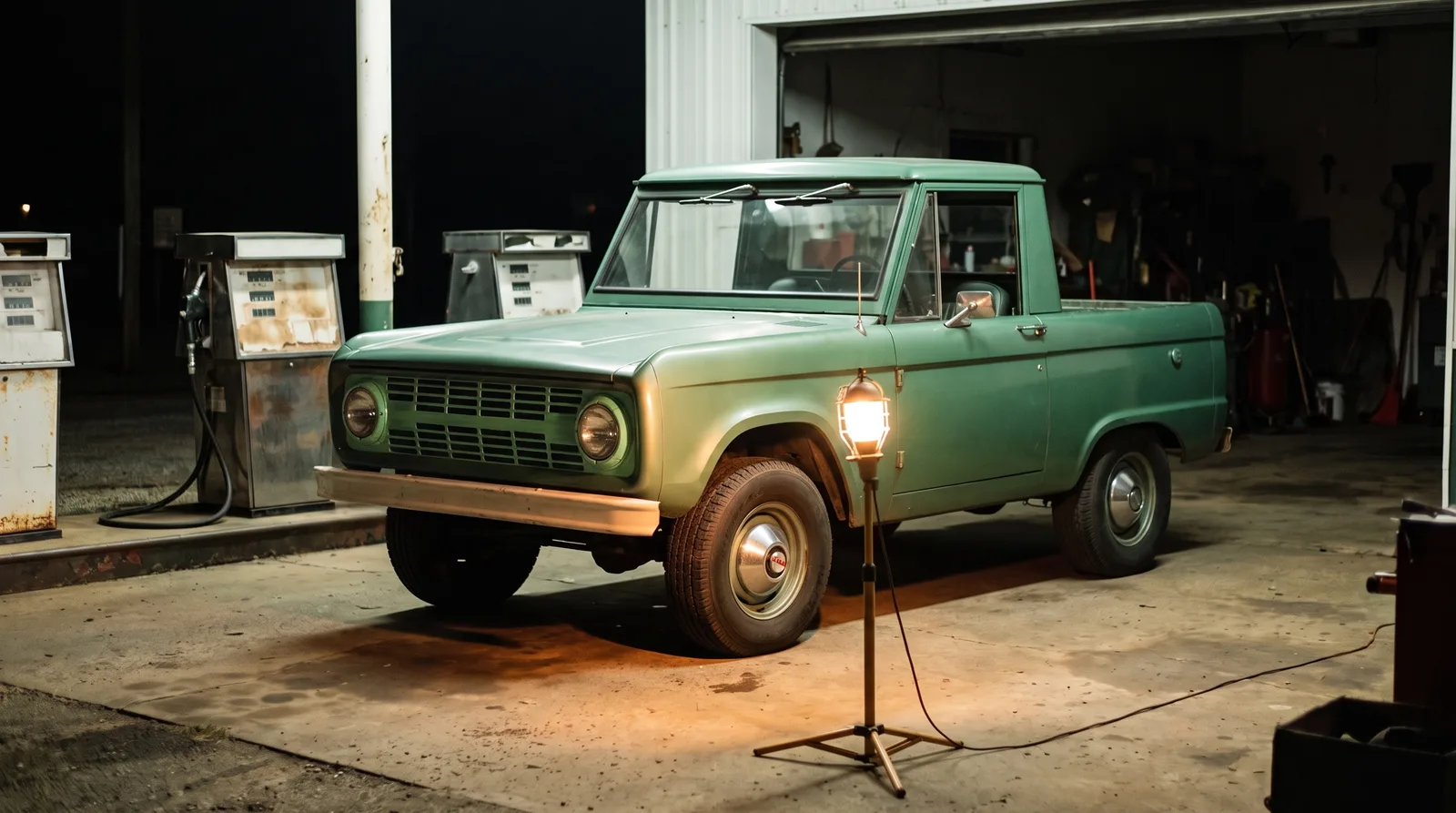
What a half cab actually is, for anyone new to this
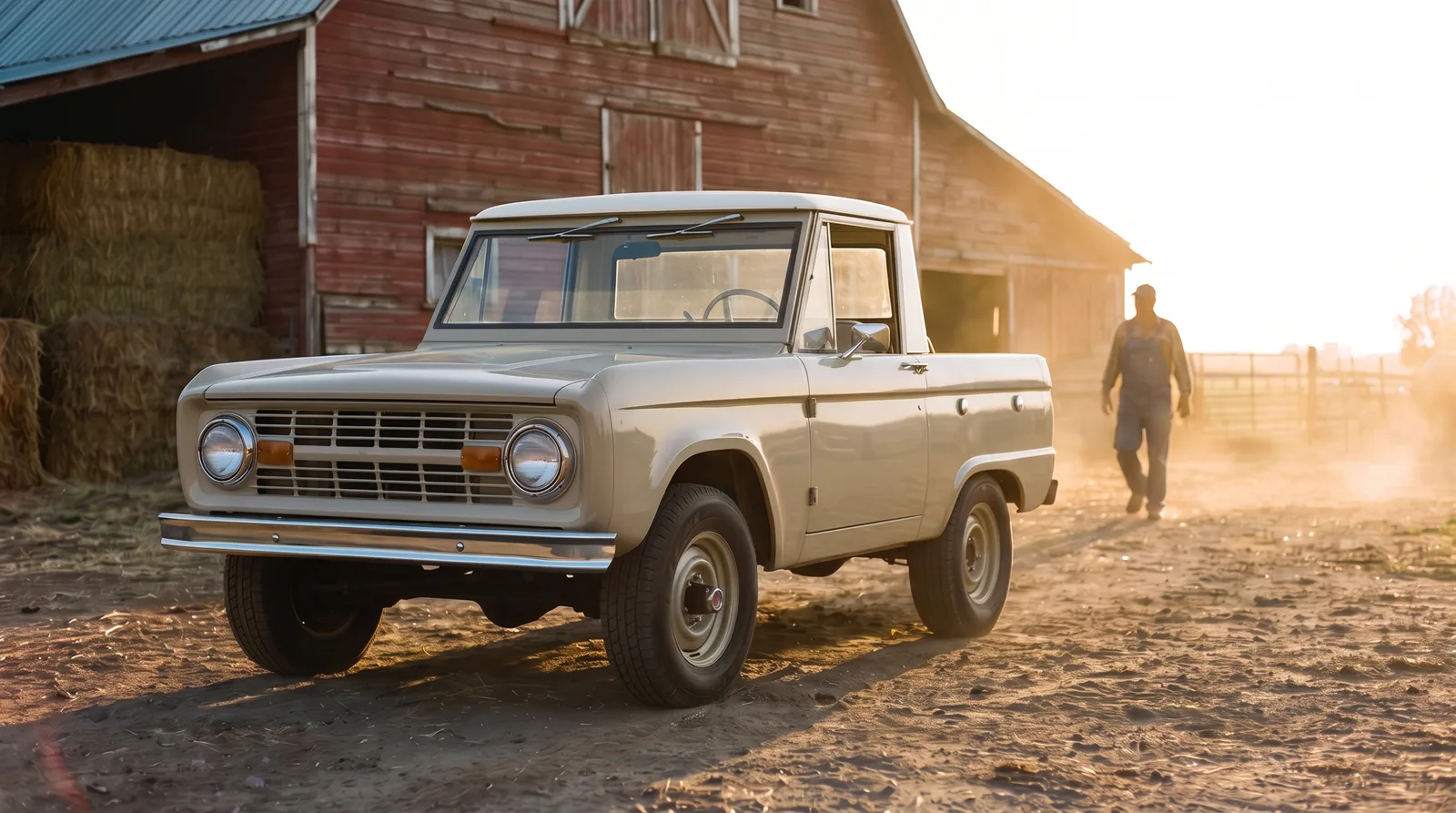
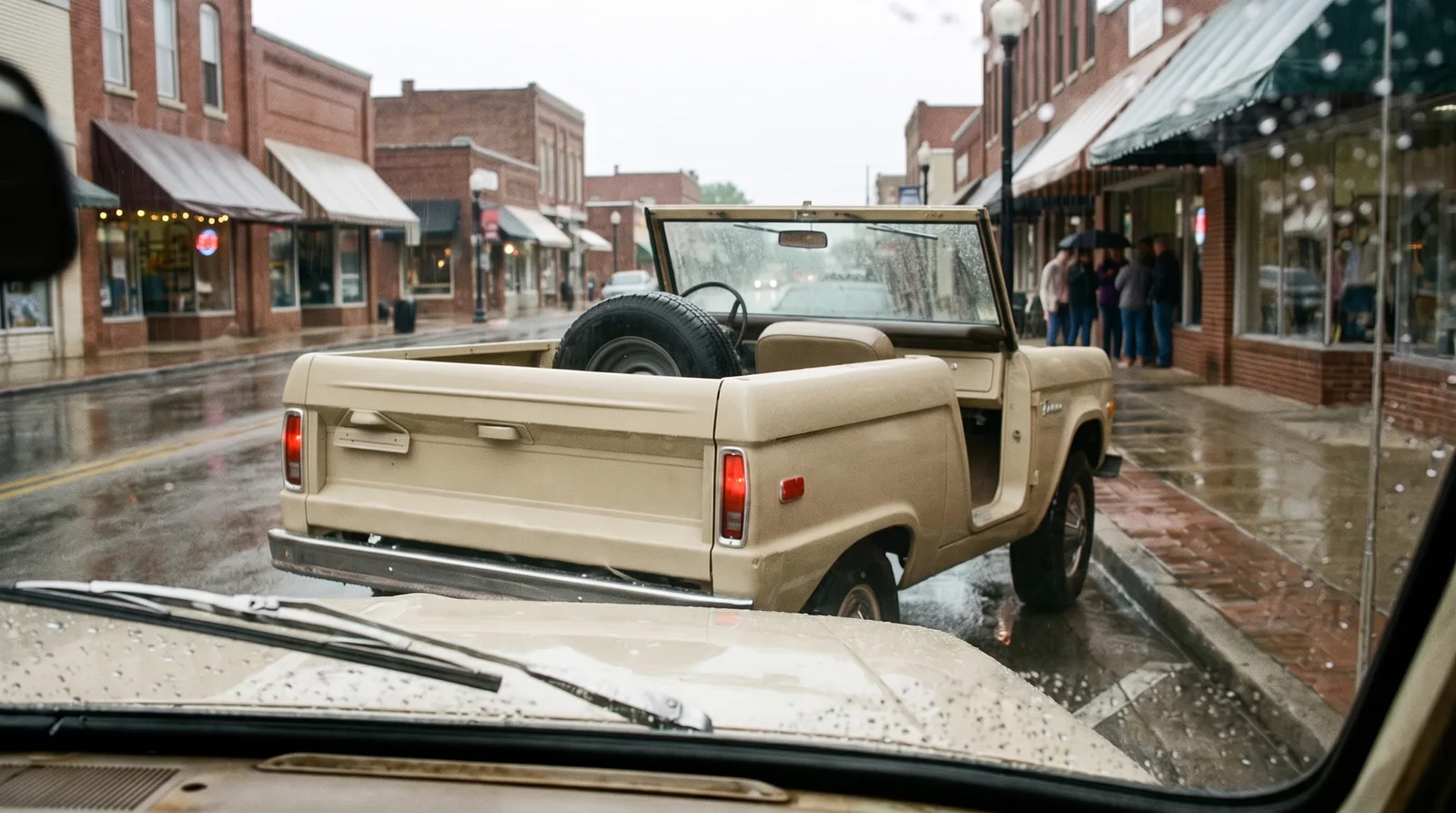
Ford built the first-gen Bronco on the same 92-inch wheelbase chassis in three body configurations: the enclosed wagon, the doorless roadster, and the half cab, which paired a short pickup bed with the standard Bronco cab. It split the difference between a hauler and a trail truck, and for most of its life it got overlooked by buyers who wanted either full weather protection or the stripped-down roadster look. Nobody was building a following around the half cab back then. It just quietly sold in smaller numbers and got put to work.
That working-truck history is exactly why the half cab is interesting to me now. These trucks were bought to be used, not preserved, which means the ones that survived tend to have real stories under the paint, patched beds, welded brackets, the kind of honest wear that tells you somebody actually needed this truck for something.
Why builders started paying attention
A few things lined up at once. Prices on clean early wagons climbed to a point where a lot of buyers got priced out of the segment entirely. Roadsters were already scarce and expensive, and getting more so. That left the half cab sitting in the middle, underpriced relative to its actual rarity, and builders who had been in this hobby long enough to remember when wagons were cheap too started circling back to it.
From a shop perspective, the half cab is also a genuinely satisfying truck to work on. The open bed simplifies a lot of the rust repair and floor work compared to a fully enclosed wagon, where water tends to hide in seams you cannot see until you cut something open. I am not going to walk through repair steps here, that is not what this piece is for, but I will say the half cab rewards careful, patient bodywork in a way that keeps a builder coming back to it.
The community did the heavy lifting
What really pushed this revival forward was not any single shop or builder. It was Bronco clubs and online forums where owners started comparing notes, sharing build photos, and slowly building a shared appreciation for a body style that had been treated as the forgotten middle child for most of its existence. Once enough people started asking "wait, how many of these are actually left," the half cab stopped being a curiosity and started being a target.
I want to be straight with anyone reading this who is thinking about buying one right now hoping to flip it. The half cab market is still thinner than the wagon market. Fewer trucks trade hands, and fewer buyers are actively looking, which means patience matters more here than in almost any other corner of the early Bronco world. This is a truck you buy because you want it, not because you are confident you can sell it next spring.
"Guys ask me why I'd rather find a rough half cab than a clean wagon. Because the wagon's already been figured out by everybody. The half cab still has room for somebody who actually knows the truck to get it right."
- Mike Sullivan
What to look for if you are buying one now
Check the bed and cab mounting points first, since separate bed and cab sections on this configuration can develop different rust patterns depending on how the truck was stored and used. Look at whether the drivetrain matches the era of the truck, and be honest with yourself about how much of the truck's story you can actually verify versus how much you are taking the seller's word for. None of that is unique to the half cab, but it matters more here because there is less of a deep comparable-sales record to lean on than there is for the wagon.
If you want the full story on how the half cab fits alongside the wagon and roadster in Ford's original lineup, that background is worth reading before you shop. And when you are ready to actually look at trucks, go browse classic Bronco listings and pay attention to how long half cabs sit compared to wagons. That gap tells you a lot about where this market actually is right now, not where the enthusiasm suggests it should be.
What it costs to do it right
I get asked a lot whether a half cab is a cheaper project than a wagon. It depends entirely on the individual truck. The open bed design can simplify certain repairs, but a neglected half cab that sat outside for thirty years still needs the same attention to the frame and the cab floor that any early Bronco needs. What tends to make the half cab a better value proposition is the purchase price relative to condition, not the cost of doing the work once you own it. Buy smart on the front end and the project math works in your favor. Buy a rough truck at wagon money because somebody called it rare, and you have made the same mistake buyers make in every corner of this hobby.
I have also seen half cabs get overbuilt, more chrome and more paint than the truck's honest character calls for. That is a personal taste thing, but from where I sit, part of what makes this body style worth chasing is that raw, working-truck feel. Polish it too hard and you lose the thing that made people fall for it in the first place.
Where this goes next
I do not think the half cab is going to catch the wagon in raw popularity, and honestly I hope it does not. Part of what makes it appealing right now is that it is still a builder's truck, bought by people who want to do the work and understand what they have, not a truck bought purely as a speculative asset. That keeps prices grounded and keeps the community around it small enough to actually know each other. Enjoy that while it lasts, because every corner of this hobby eventually gets discovered.
Sources and notes
Related Reading
Have a
Ford Bronco
for Sale?
Reach thousands of serious classic car collectors across the US.
Sell It Here →
Selling a classic? Here's how: where to sell your classic car online
Are You a Classic Car Dealer?
List your full inventory and connect with targeted classic car buyers.
Join as a Dealer →
#Ford Bronco
#first-gen Bronco
#Bronco half cab
#Bronco restoration culture
#classic truck builders
#Bronco community

About the author
Mike Sullivan
Detroit-area muscle car enthusiast and restoration specialist with three decades of hands-on experience working on American iron.
Related Listings - Ford Bronco
Comments
Be the first to comment on this article.