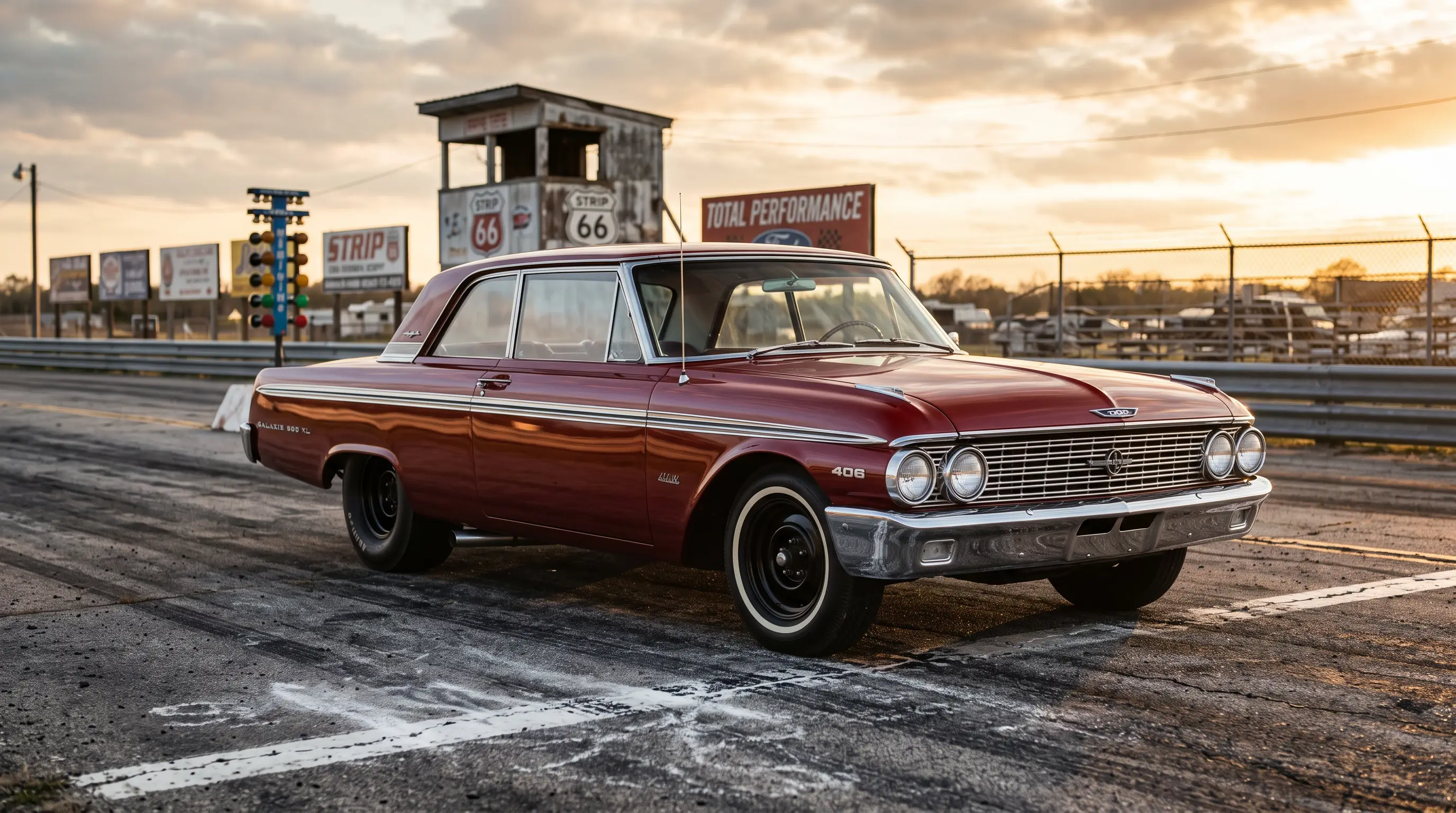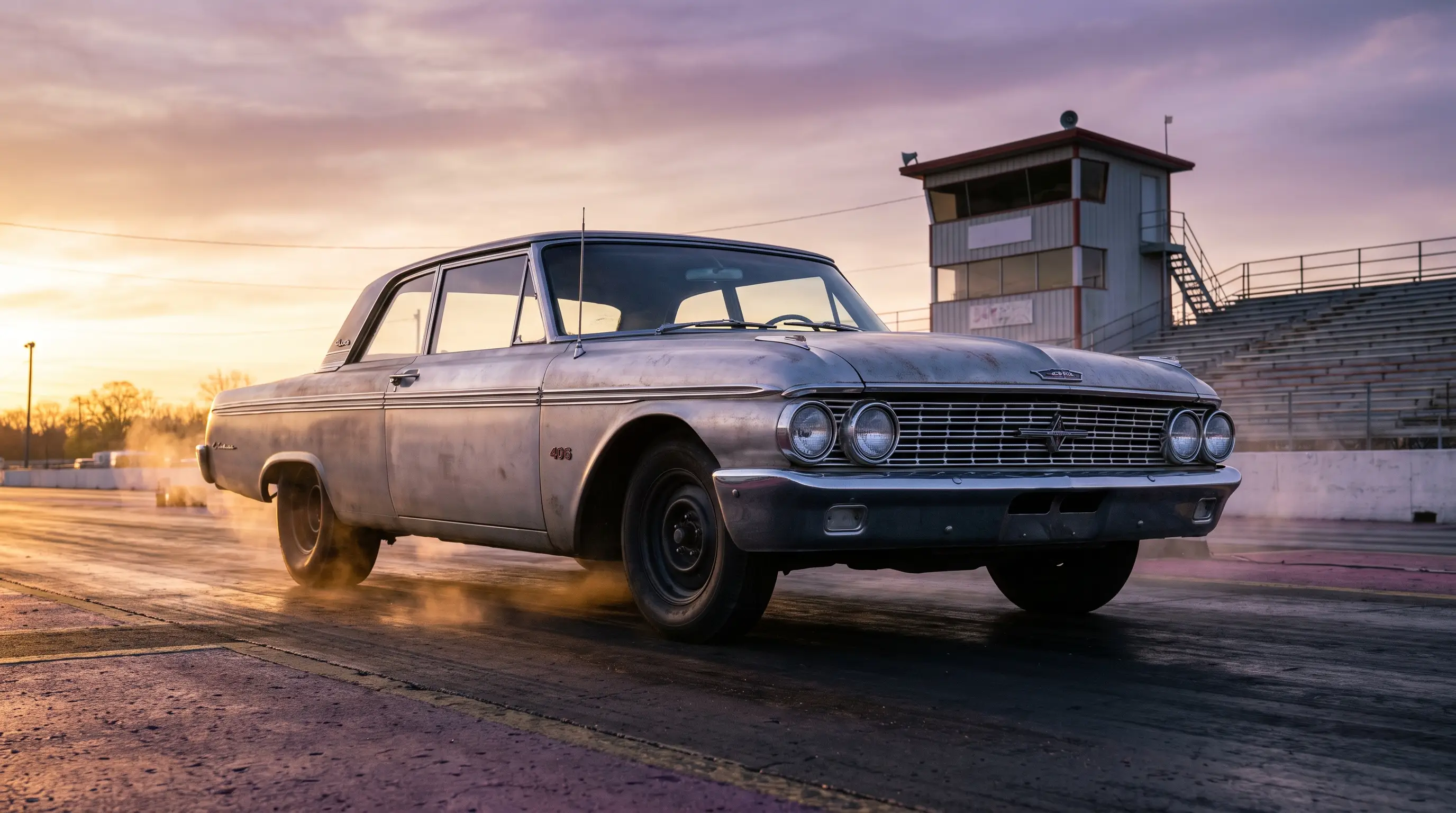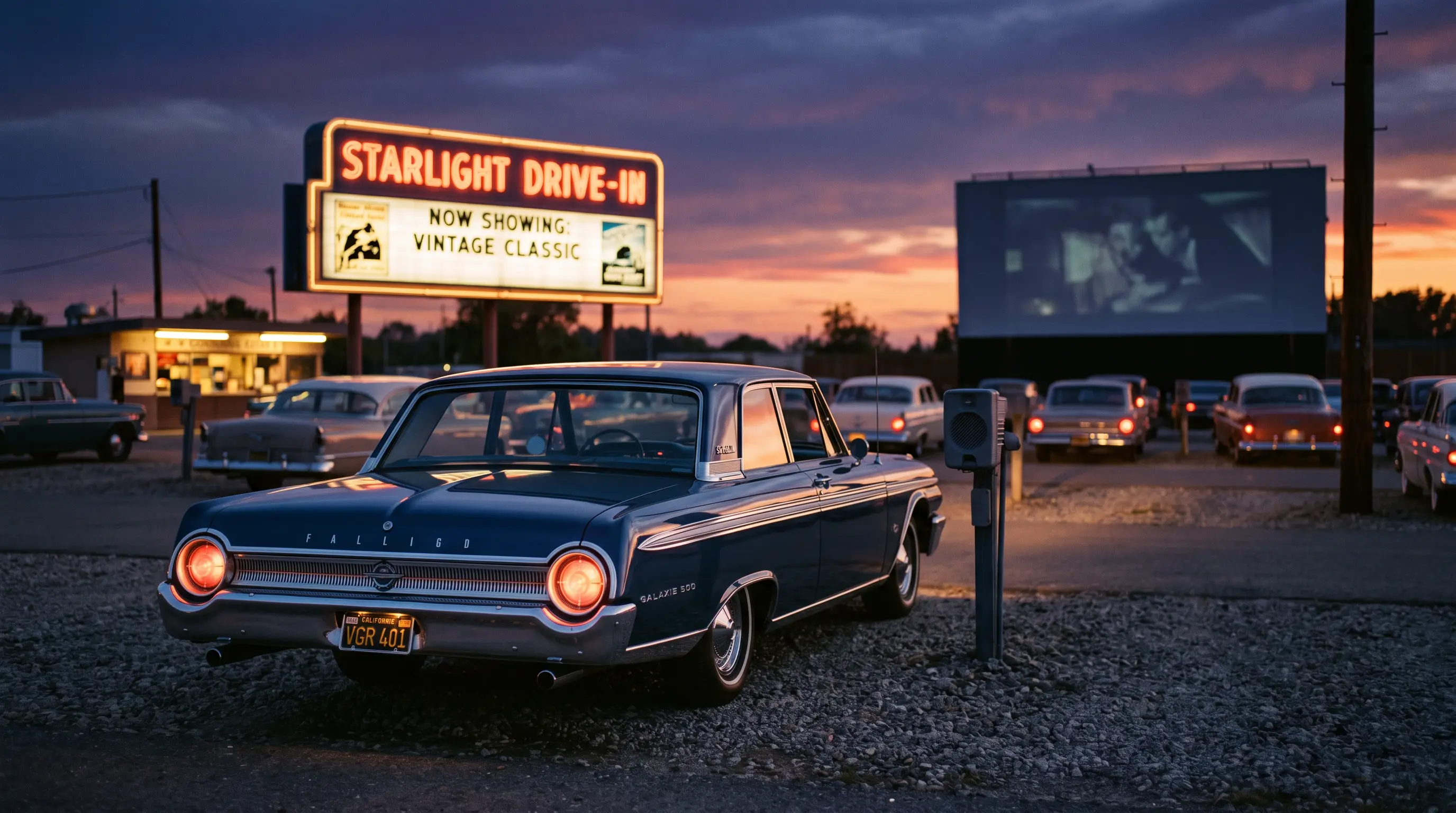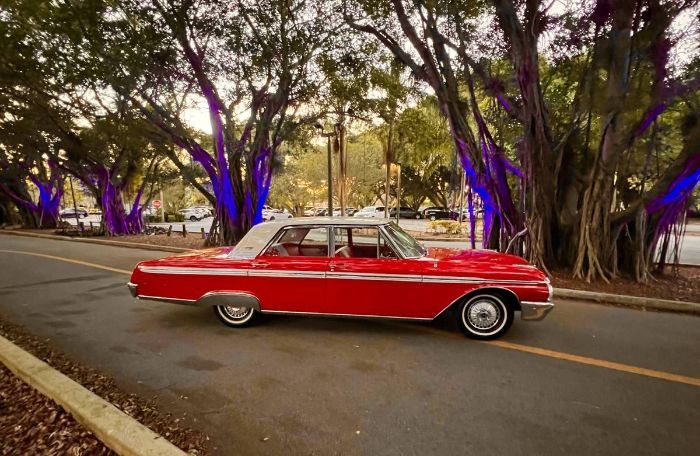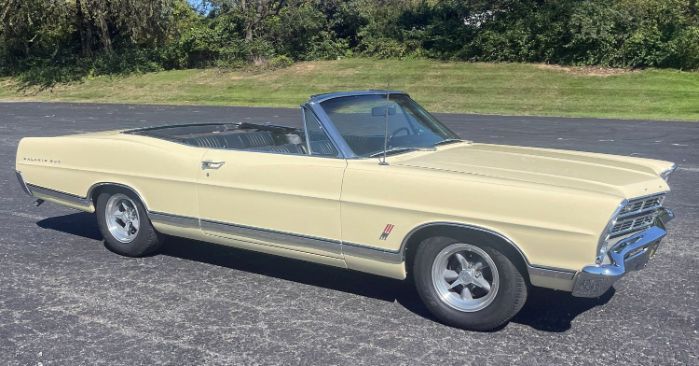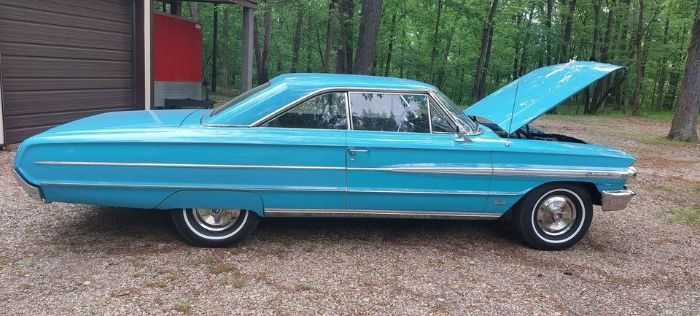
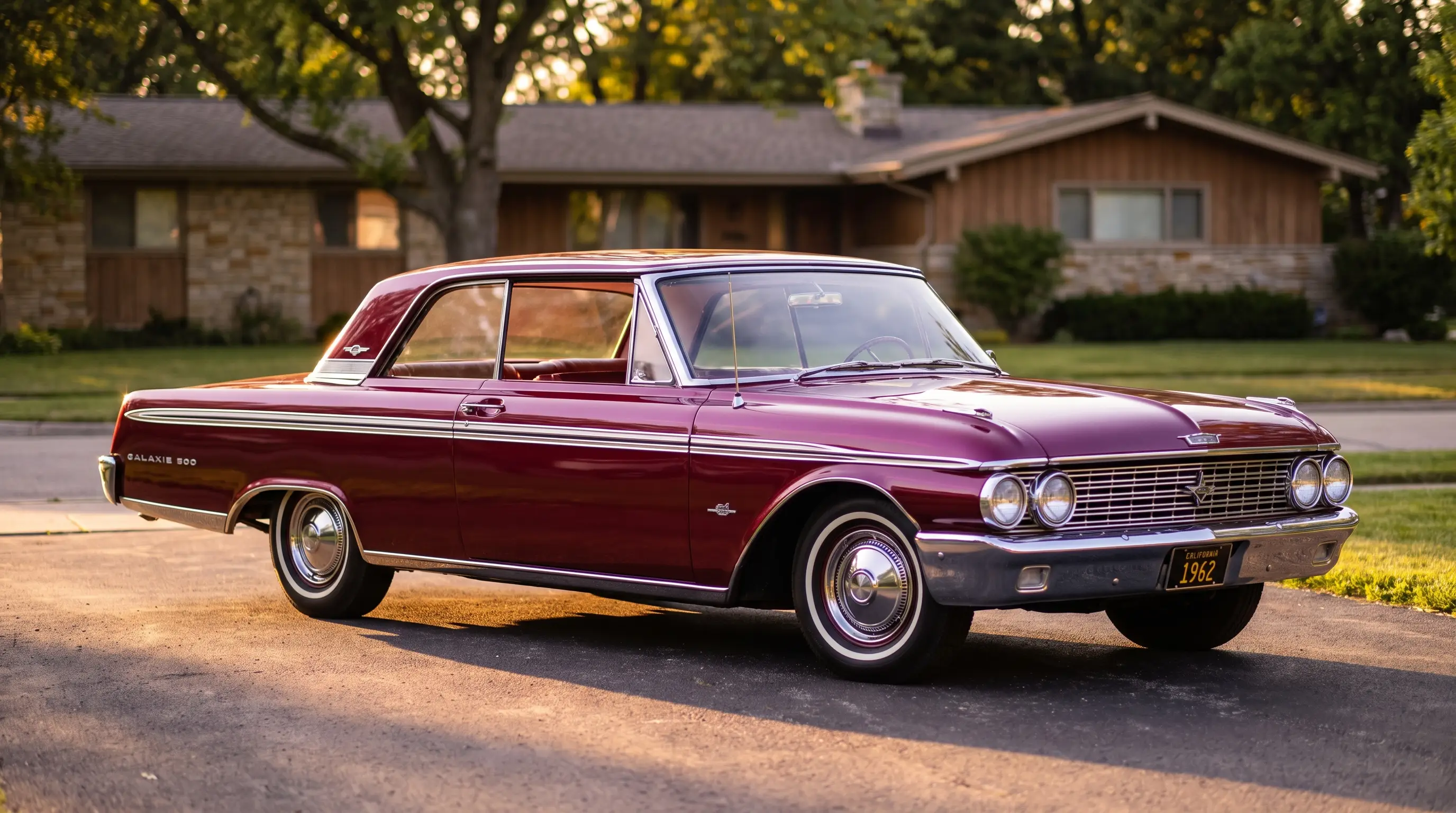
Cataloguing a ford galaxie 1962 club victoria hardtop feature properly means treating the car the way a museum treats an artifact, not as a nostalgia piece but as a specific, documented object with a specific place in Ford's model hierarchy that year. The Club Victoria name identified the two-door hardtop body within the Galaxie 500 line, a pillarless design that Ford had used since the early 1950s to describe hardtops that combined a coupe's sporty roofline with a genuine four-place interior. In 1962 it sat as one of the more desirable body styles in the lineup, and it deserves a closer look than it usually gets.
What "Victoria" actually meant on the order form
Ford's naming convention in this era divided its hardtop offerings by door count, with Club Victoria denoting the two-door version and Town Victoria denoting the four-door version. This was not marketing flourish, it was a genuine trim and body designation that appeared on the build sheet and the window sticker, distinguishing the pillarless hardtop from the standard sedan bodies that shared the same basic Galaxie platform. Buyers who wanted the clean, glass-heavy look of a hardtop without a center pillar interrupting the roofline specified the Victoria designation when ordering.
For the broader context of where this body style fit into the 1962 model year, our complete history lays out the full lineup, but the Club Victoria deserves individual documentation because it represents a specific manufacturing and design choice that the base sedan bodies did not share.
The engineering behind a pillarless roof
Building a genuine hardtop in this era required real engineering commitment, since removing the B-pillar meant the door frames and the roof structure had to carry loads that a sedan's central pillar normally handled. Ford's body engineers reinforced the rocker panels and door frames accordingly, and the result was a car that looked lighter and more open than its sedan counterpart while carrying a small weight and cost premium to achieve that look. This is a detail that period buyers rarely thought about consciously but that any concours judge examining a surviving Club Victoria today should understand, since incorrect reinforcement or replacement panels are one of the more common deviations found on cars that have had bodywork done without reference to the original specification.
The glass area on the Club Victoria was also genuinely larger relative to the sedan, another consequence of the pillarless design, and it changes the interior's entire character, letting in more light and giving the cabin an airiness that the four-door sedan versions simply do not have.
Trim and interior appointments specific to the model
Within the Galaxie 500 line, the Club Victoria typically carried the nicer interior treatments Ford reserved for its hardtop bodies, including specific upholstery patterns and trim finishes that differed from what a buyer would find in a base Galaxie sedan. Documenting these details precisely matters for anyone trying to verify an original, unrestored interior against what Ford actually shipped that year, since aftermarket reupholstery over the decades has erased a lot of the original pattern and material information that would otherwise help authenticate a car.
A properly documented Club Victoria will show consistency between its build sheet trim code, its data plate, and its physical interior, three pieces of evidence that should all agree with each other. When they do not, that is usually the first sign that a car has had non-original work done somewhere along the way.
How the Club Victoria compared within its own family
Sitting the Club Victoria alongside its stablemates within the 1962 lineup clarifies exactly what buyers were paying for. Next to the standard Galaxie 500 sedan, the Club Victoria offered the pillarless roof and its associated visual lightness at a modest price premium. Next to the top-tier Galaxie 500 XL, which added bucket seats and a center console as a sportier statement, the Club Victoria read as the more formal, more broadly appealing choice, a car that could serve as a family's primary vehicle while still carrying the visual interest of a genuine hardtop. This positioning explains why the Club Victoria sold in healthier numbers than some of its flashier siblings, appealing to buyers who wanted style without committing fully to a sport-trim identity.
Documenting a period-correct example also means paying attention to the small hardware details that differ between these closely related body styles, door handle and window mechanism variations, weatherstripping specific to a pillarless design, and trim moldings sized to fit the Victoria's particular glass area. None of these details show up on a casual walk-around, but they matter enormously to a researcher trying to confirm whether a given car left the factory exactly as its paperwork claims.
Why this body style rewards careful documentation
The Club Victoria's combination of a desirable body style, a genuine engineering distinction from the sedan, and specific trim appointments makes it a body style worth documenting carefully rather than lumping in generically with "1962 Galaxie 500." Collectors and researchers who take the time to verify build sheets, data plates, and original trim codes on a Club Victoria are rewarded with a fuller, more accurate picture of what Ford actually built that year, and that kind of precision is exactly what separates a properly documented restoration from a car that merely looks the part.
If a genuine, well-documented example of this body style is what you are after, you can browse classic Galaxie listings and look specifically for cars whose paperwork actually supports the Club Victoria designation rather than taking a seller's description at face value.
A final note worth recording for anyone building a research file on this body style concerns condition assessment specifically. Because the Club Victoria's structural reinforcement around the door frames and rockers was purpose-built for the pillarless design, rust or accident damage in these areas compromises the car's structural integrity in ways that are less forgiving than equivalent damage on a sedan body, which still has a center pillar to share the load. A thorough inspection of any surviving Club Victoria should treat these reinforced areas as a priority, checking for factory-correct repair or reinforcement rather than generic patch panels that were never engineered for a pillarless roof's particular stresses. Judges and serious buyers alike should weight this structural honesty as heavily as they weight paint and trim originality, since a beautifully finished car built on a compromised structure is, in the end, a less honest artifact than a rougher one that has kept its bones intact.
"A car is only as trustworthy as the paperwork that follows it. The Club Victoria's real story lives in the build sheet and the data plate, not in what a seller remembers being told thirty years ago."
- Sarah Whitfield