
The 1963 Galaxie 500 XL occupies an odd, useful spot in the market for full-size Fords, a car built to sell buyers on bucket seats and a console before big-block performance was even part of the pitch. That combination of everyday livability and genuine muscle underneath makes it one of the more interesting values in the Galaxie lineup today, and one that gets overlooked by collectors chasing the more famous racing variants of the same model year.
Car Features
6 min read
The 1963 Galaxie 500 XL: Bucket-Seat Big-Block Glamour
The 1963 Galaxie 500 XL paired bucket seats and a console with an optional 427, and it remains an underrated value against the model year's more famous racing variants.
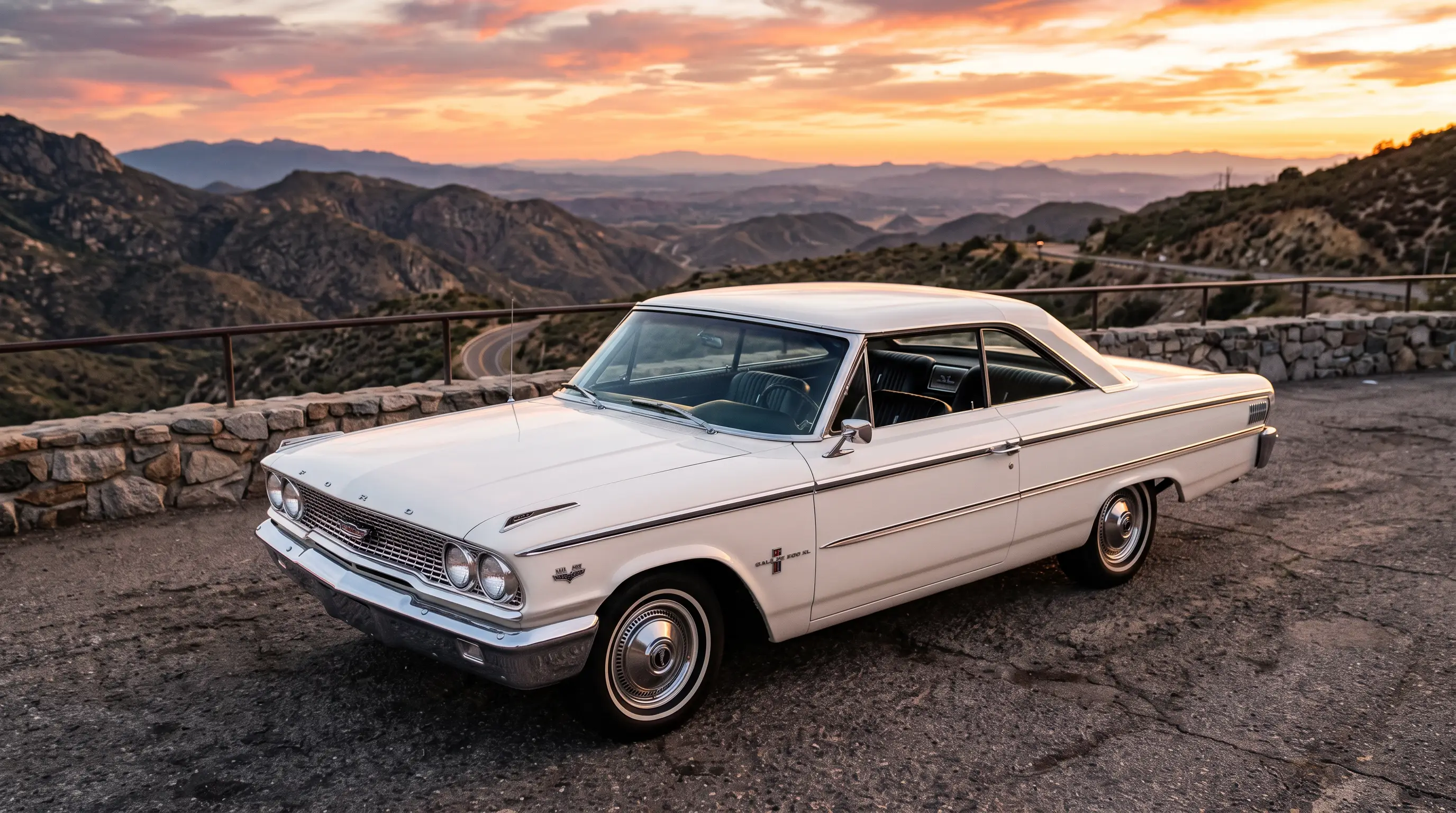
What the XL package actually added
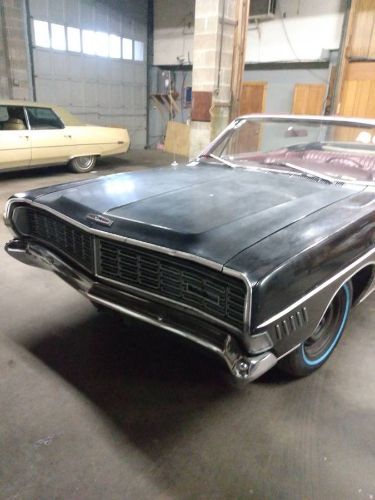
Ford introduced the 500 XL as its top trim within the Galaxie range, a package built around bucket seats, a center console, and interior trim aimed at buyers who wanted the look and feel of a sportier personal car without giving up the full-size Galaxie's space and comfort. For 1963, the XL sat above the standard Galaxie 500 in both trim and price, marketed as the model for buyers who wanted their family sedan to also look the part at a country club or a drive-in. It was available across the coupe and convertible body styles, and buyers could pair the XL trim with a wide range of engines, from the standard six-cylinder up through the 427 for those who wanted the appearance package matched with genuine straight-line performance.
That flexibility, appealing to Ford's sales department at the time, is exactly what makes the 500 XL an interesting car to evaluate today. A base six-cylinder XL and a 427-powered XL wear nearly identical bucket-seat interiors and badge work, but they occupy completely different tiers of the current collector market, which means buyers need to look past the trim badge and confirm exactly what is actually under the hood before assuming a car's value.
Market position against the rest of the lineup
Against the wider 1963 Galaxie lineup, the 500 XL sits in a middle tier of collector interest, above a plain Galaxie 500 sedan in desirability but generally below the documented racing-connected variants like the lightweight drag cars or numbers-matching 427 R-code hardtops with strong provenance. That positioning makes sense given what the XL actually was: a comfort and style package first, with performance available as an option rather than the entire point of the car. Buyers looking for a Galaxie that is genuinely pleasant to drive on a regular basis, rather than a dedicated period race car, often find the XL trim hits a sweet spot the plainer models do not.
Convertible XL models generally track a similar pattern to the wider collector market, where open-top variants of most 1960s American performance and luxury models tend to command a premium over comparable hardtops, though exact figures move with condition, documentation, and originality more than with body style alone.
| Spec | 1963 Galaxie 500 XL detail |
|---|---|
| Trim position | Top trim within the Galaxie range |
| Signature features | Bucket seats, center console, XL badging |
| Body styles offered | Hardtop coupe, convertible |
| Engine range | Six-cylinder base through 427 optional |
What buyers should actually check
Because the XL package could be paired with almost any engine Ford offered that year, verifying a specific car's original configuration matters more here than with a single-purpose model like the lightweight drag Galaxies, where the whole point of the car was one specific build. A build sheet or Marti-style documentation, where available for the model year, is the difference between paying for a genuinely factory 427-equipped XL and paying that same premium for a car with a later engine swap dressed up to look the part. Sellers do not always volunteer that distinction, and buyers who skip the paperwork stage of due diligence are the ones most likely to overpay for a car that only looks like the real thing.
Condition of the bucket-seat interior and console hardware also carries outsized weight in valuing an XL specifically, since these were the parts that actually defined the trim level, and replacement or reproduction parts for the console and seat hardware are neither cheap nor always correct in fit and finish compared to surviving original components.
"The XL badge tells you what a buyer wanted to feel like driving the car in 1963. What it does not tell you is what engine is actually between the fenders, and that gap is exactly where value gets made or lost in this market."
- David Mercer
How the XL fit into Ford's broader strategy
The 500 XL package was part of a larger industry shift in the early 1960s toward marketing personal luxury and sportiness within full-size cars rather than treating those qualities as the exclusive domain of smaller specialty models. Ford was not alone in reading the market that way, and rival manufacturers pursued similar bucket-seat, console-equipped trims across their own full-size lineups during the same period, but the Galaxie 500 XL was one of the more successful executions of the idea, selling in meaningful numbers rather than remaining a niche curiosity. That commercial success is part of why surviving XL models remain reasonably available today compared to the far scarcer purpose-built racing variants, giving the collector market a healthier supply to draw from.
That relative abundance is a genuine advantage for buyers entering the hobby, since it means a well-documented, straight XL is not nearly as hard to locate as some of the model year's rarer variants, and prices have historically reflected that greater supply. Anyone comparing total cost of ownership between an XL and a documented racing-pedigree Galaxie should factor in not just the purchase price but the relative ease of sourcing parts and comparable sales data, both of which favor the more commonly produced XL trim.
Where the value sits today
For collectors weighing where to put their money inside the 1963 Galaxie lineup, the 500 XL offers a genuinely usable, visually distinctive car at a price point generally more accessible than the documented racing variants, provided the buyer does the homework to confirm engine and drivetrain authenticity before paying a premium tied to a specific configuration. It is not the car that made headlines at Daytona or the drag strip, but it is arguably the model that best represents what Ford was selling to its actual customer base in 1963: comfort, style, and an available dose of real performance in one package. That everyday relevance is exactly why the trim deserves more attention from collectors than it typically gets, sitting as it does in the shadow of louder, more famous variants from the same model year. For our complete history of the model year and how the XL fit into the wider lineup, the full retrospective covers the context in more depth, and current inventory is worth a look if the XL has you shopping seriously, available at browse classic Galaxie listings.
Sources and notes
Related Reading


Have a
Ford Galaxie
for Sale?
Reach thousands of serious classic car collectors across the US.
Sell It Here →
Are You a Classic Car Dealer?
List your full inventory and connect with targeted classic car buyers.
Join as a Dealer →

About the author
David Mercer
Classic car market analyst with two decades of experience tracking collector car valuations, auction results, and investment trends.
Related Listings - Ford Galaxie


Comments
Be the first to comment on this article.