
I have had both rooflines up on a lift in my shop, and I will tell you straight, the ford galaxie 1963 boxtop vs fastback argument gets settled a lot faster with a tape measure and a set of eyes on the sheet metal than it does on a forum thread. Guys argue about which one is the "real" 1963 Galaxie like there is a wrong answer. There is not. There is a right car for what you actually want to do with it, and knowing the difference between a genuine fastback and a boxtop somebody dressed up to look like one will save you from getting burned.
Car Features
7 min read
Boxtop or Fastback: The 1963 Galaxie Roofline Divide
A builder's-eye breakdown of the notchback versus fastback roofline debate on the 1963 Galaxie, how to spot a faked conversion, and why honest beats rare.
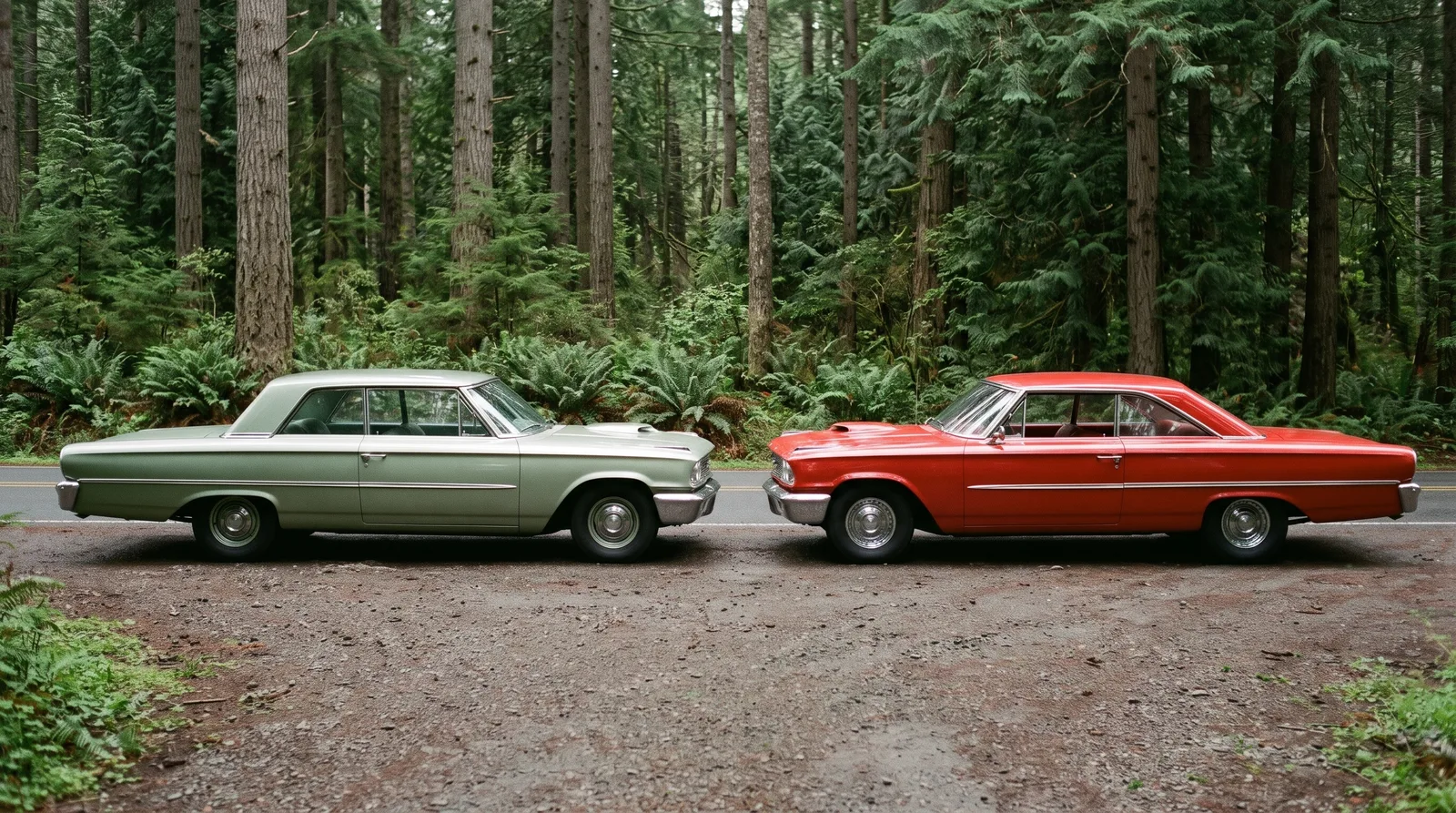
What actually separates the two rooflines
The boxtop, what most people just call the notchback, carries the squared-off roof and near-vertical backlight Ford had been running on its full-size cars before 1963. The fastback, officially the Sports Hardtop, sweeps that roofline back in one continuous curve down toward the trunk. Above the beltline these are two different roofs, with different rear glass and a different greenhouse. Below the beltline the styling was unchanged. This is not a trim option you bolt on. It is a structural difference built into the body from the factory, and that matters enormously once you are the guy trying to source replacement panels or explain to a buyer why a car does not match its own paperwork.
I bring that up because I have seen boxtop cars in rough shape get "converted" toward a fastback look using aftermarket or donor panels, almost always done badly, almost always obvious to anyone who has actually worked on a factory original. The rear glass angle never quite sits right, the seams where the roof meets the quarters do not line up the way a stamped-from-one-piece factory roof does. A builder who tries to shortcut this conversion is not saving a customer money, he is selling them a car that will never pass a knowledgeable set of eyes at a show or a private sale.
Period-correct versus poseur
Here is my actual opinion, and I know it will annoy some people. A well-preserved boxtop is a more honest car than a sloppily built fastback clone, every time. I would rather put a customer in a clean, documented notchback than sell them a "fastback" that started life as a boxtop and got cut apart in somebody's garage to chase a nicer silhouette. Poseur cars get exposed eventually, usually at the worst possible moment, like when a buyer's own builder pulls a rear quarter panel off during a restoration and finds factory seams that do not match what the roofline is supposed to be.
That said, a genuine factory fastback in solid original condition is worth going out of your way for, because of the aerodynamic story behind the roofline, a lower shape Ford's NASCAR teams welcomed after the boxtop's drag and lift problems, which gives the car a documented reason to exist beyond just looking good. I will note that this is not a rarity argument in the way people assume, since Ford actually built more fastback Sports Hardtops than notchback hardtops across the 1963 Galaxie 500 and 500 XL lines combined; the fastback's appeal is the racing pedigree and the roofline itself, not low production. Readers who want the full context on why that roofline showed up mid-year in the first place can find read the background on the whole 1963 model year, not just the roof.
| What to check | Boxtop (notchback) | Genuine fastback (Sports Hardtop) |
|---|---|---|
| Roofline profile | Squared, near-vertical rear glass | Continuous sweeping curve to the trunk |
| Production | Fewer built than the fastback | Outsold the boxtop hardtop, so plenty exist; verify seams and roof carefully |
| Conversion risk | Low, rarely worth faking | Higher, check for mismatched panel seams |
How I check a car before I touch it
Before any bodywork starts, I run my hand along the transition where the roof meets the quarter panel on both sides, looking and feeling for a factory seam versus a patched one. Factory work is consistent side to side. A car somebody has modified rarely is, because doing this job right requires jigs and tooling most home builders do not have access to. I also check the fit of the rear glass opening and the roof-to-quarter joints on both sides, since a mismatched fastback conversion often shows a gap or a step where a genuine factory car sits flush. None of this takes long once you know what you are looking at, and it is the difference between quoting a customer honest restoration work and quoting them a fix for a problem the car's own history created.
If a customer comes to me wanting the performance side of the 1963 story rather than just the roofline, I usually point them toward the engine that actually made that year matter on track. There is worth a look too covering the R-code big-block that shared the same model year as this roofline debate, and honestly, a documented R-code car with either roofline is a better build than an undocumented fastback clone regardless of which side of this argument you land on.
What this means for a real build budget
Customers come into my shop with a number in their head for what a 1963 Galaxie build should cost, and the boxtop versus fastback decision changes that number more than almost anything else on the car. A notchback build is usually the more predictable job because I am not chasing fastback-only roof and rear glass parts. A genuine fastback build costs more up front to source correctly, and it should, because you are paying for the body style with the racing history behind it, not paying extra for somebody's shortcut.
Where builders get customers into trouble is quoting a fastback conversion as if it were a straightforward bodywork job instead of what it actually is, a full structural fabrication project requiring jig work most shops are not set up to do correctly. I have turned down that job more than once, not because I cannot cut metal, but because I will not sign my name to a car that is going to get called out the first time somebody who knows what they are looking at gets underneath it. A customer who wants a fastback and does not have a genuine one should buy a genuine one. It is that simple, and any builder telling you otherwise is telling you what you want to hear instead of what is true.
"I do not care which roofline you like better. I care whether the car in front of me is honest. A clean boxtop with real papers beats a fastback somebody faked, and any builder who tells you different is trying to sell you the fake one."
- Jim Vasquez
Whichever side of the boxtop versus fastback debate you land on, the only way to actually settle it for your own project is to go put your hands on real cars and check the seams yourself. A current run of shop classic Galaxie listings from this model year will turn up both rooflines, and there is no substitute for that hands-on inspection before you commit shop time or real money to a build.
Sources and notes
- 1963 Ford Galaxie 500 Sports Hardtop specs - Automobile Catalog
- 1963 Ford Galaxie 500XL Sports Hardtop specs - Automobile Catalog
- Production of 1963 Boxtop R-Code Galaxie - FordFE.com Forum
- Rare 1963 Ford Galaxie 500 XL R-Code - ClassicCars.com Journal
- Ford Galaxie - Wikipedia
Updated November 5, 2026: Corrected: the 1963 1/2 fastback and the boxtop differ above the beltline (roof and rear glass), not in the quarters or trunk lid, and the fastback Sports Hardtop outsold the boxtop hardtop, so it is not the scarcer body style.
Related Reading
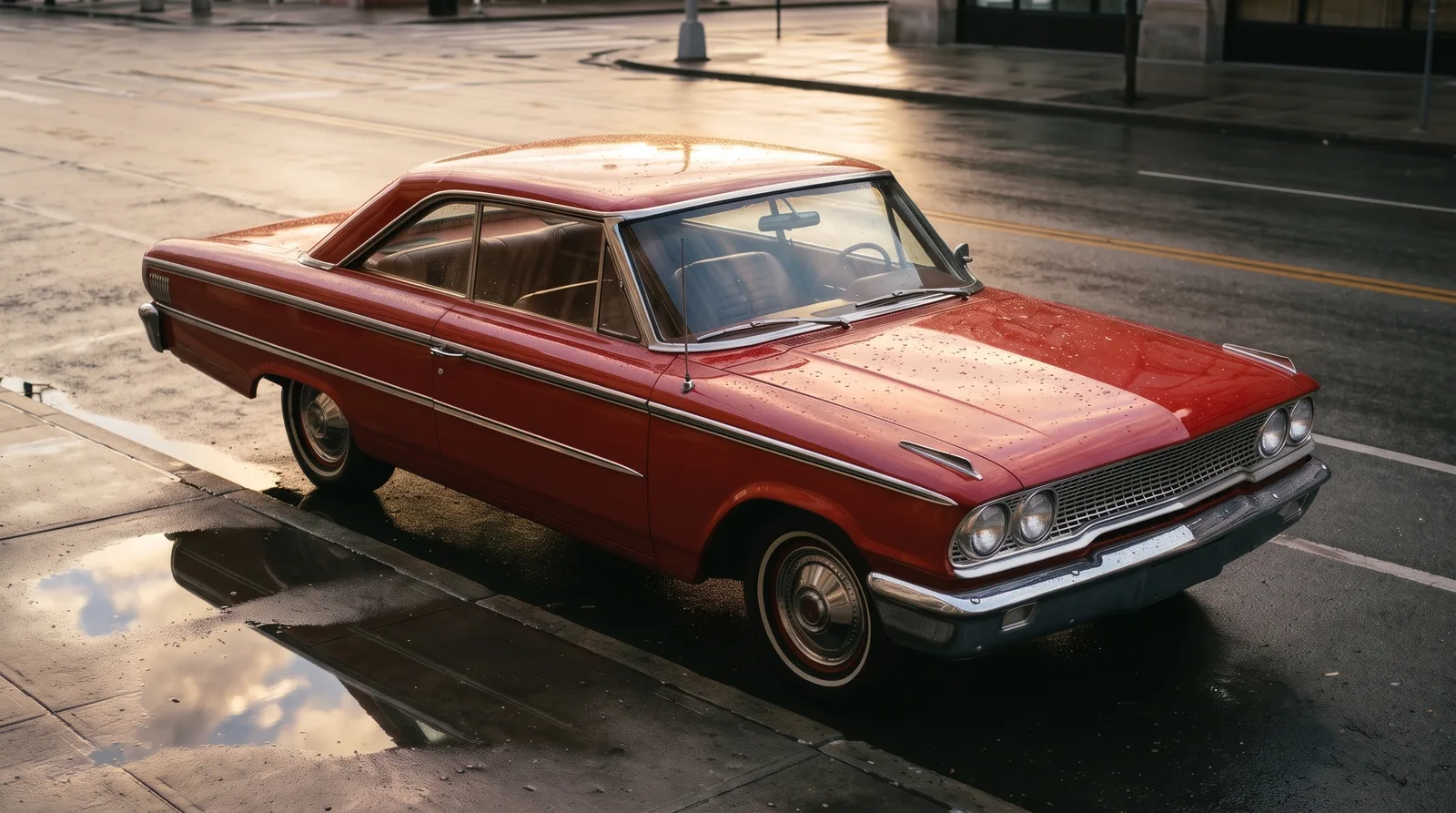
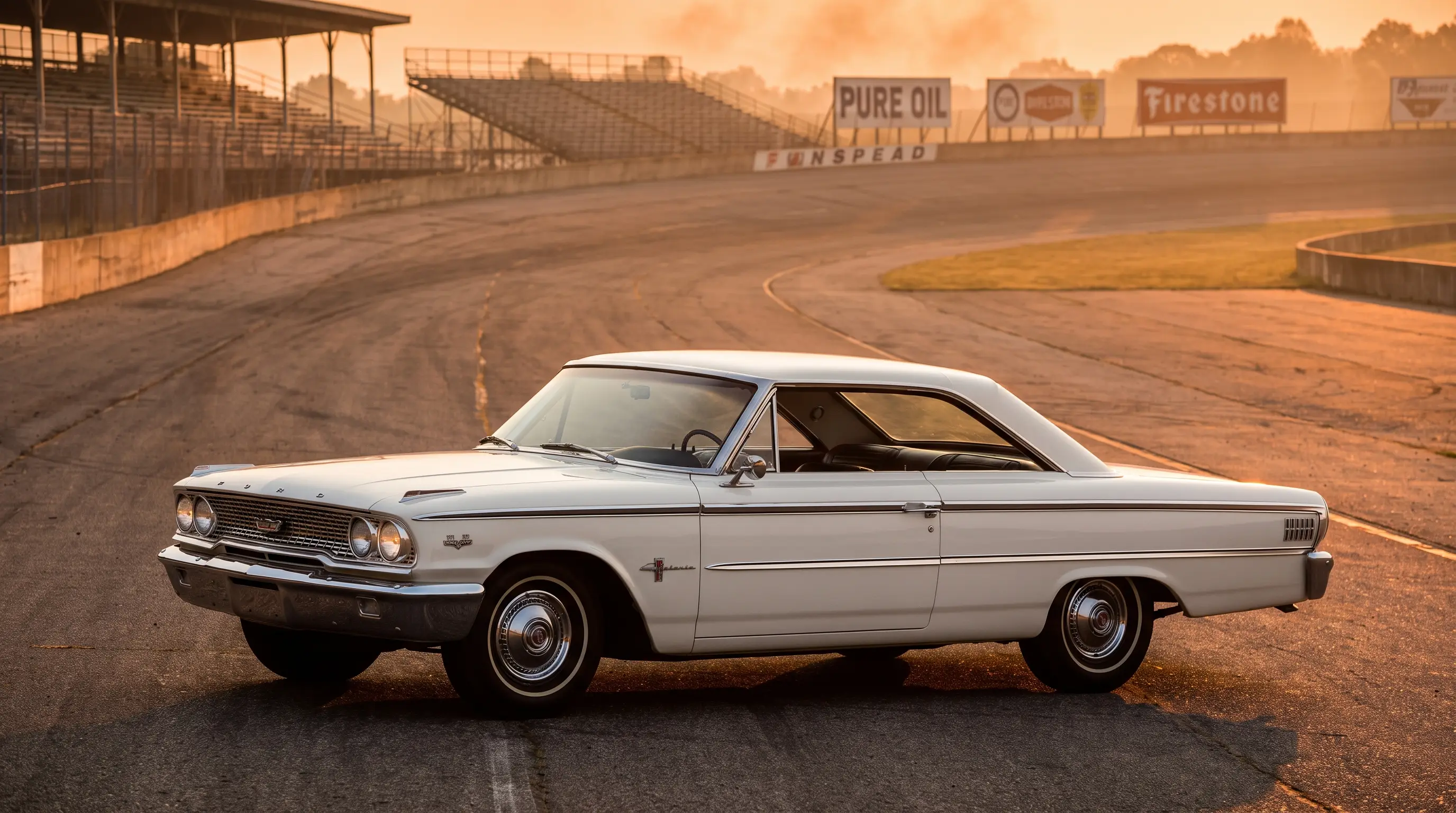
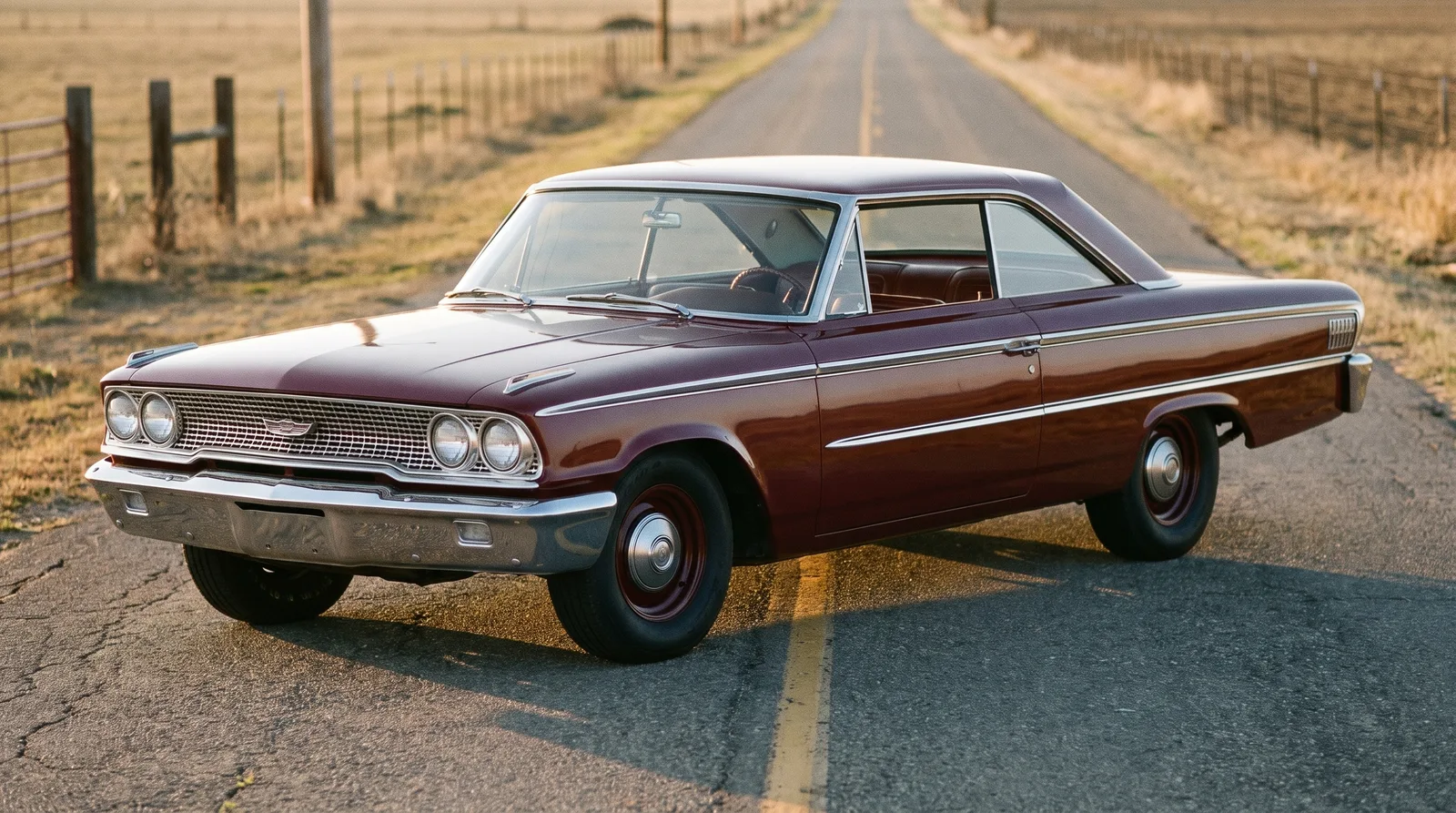
Have a
Ford Galaxie
for Sale?
Reach thousands of serious classic car collectors across the US.
Sell It Here →
Selling a classic? Here's how: the best sites to sell a classic car
Are You a Classic Car Dealer?
List your full inventory and connect with targeted classic car buyers.
Join as a Dealer →

About the author
Jim Vasquez
Southern California hot rod and custom car builder with roots in the traditional kustom kulture scene.
Related Listings - Ford Galaxie




Comments
Be the first to comment on this article.