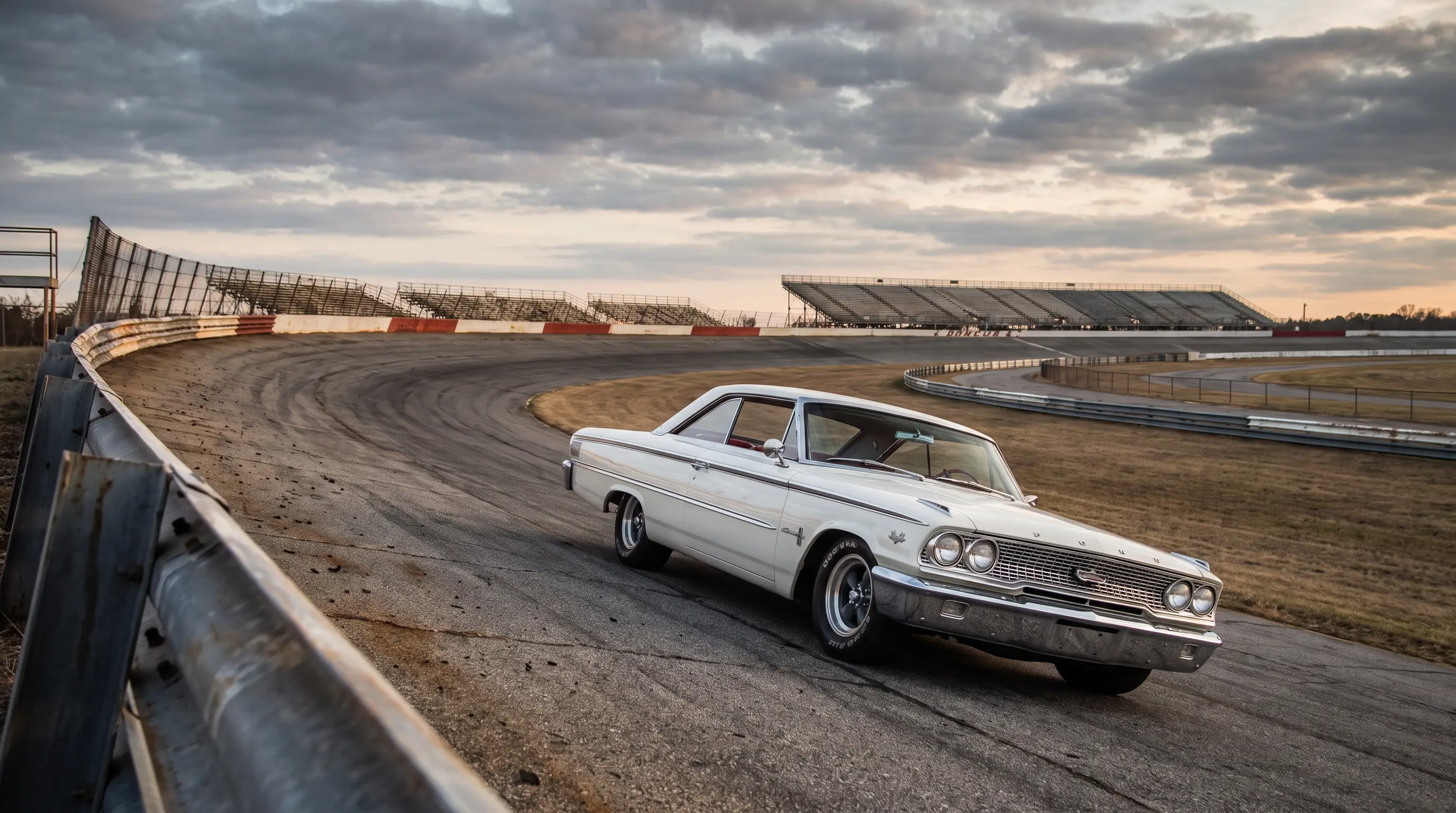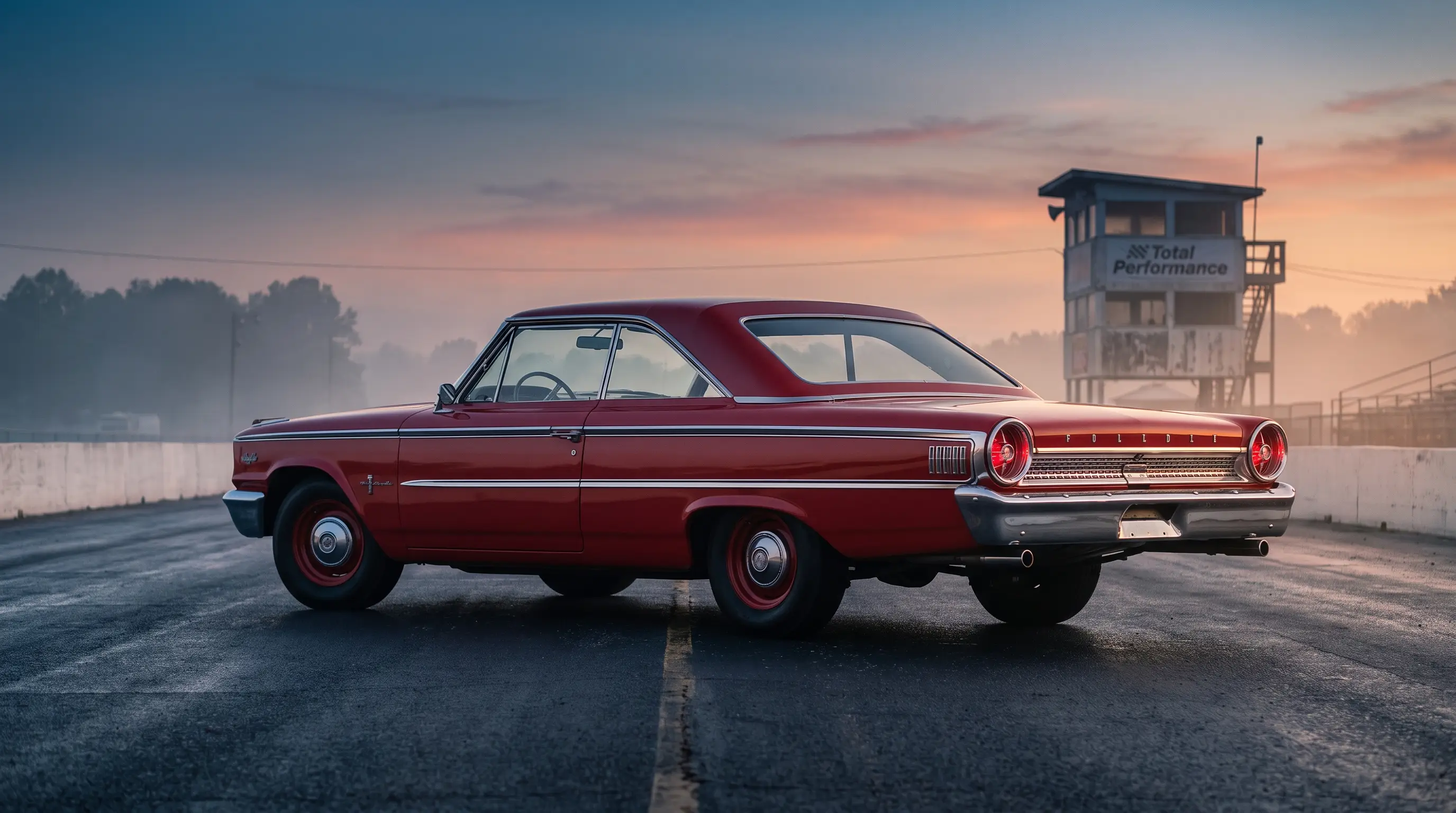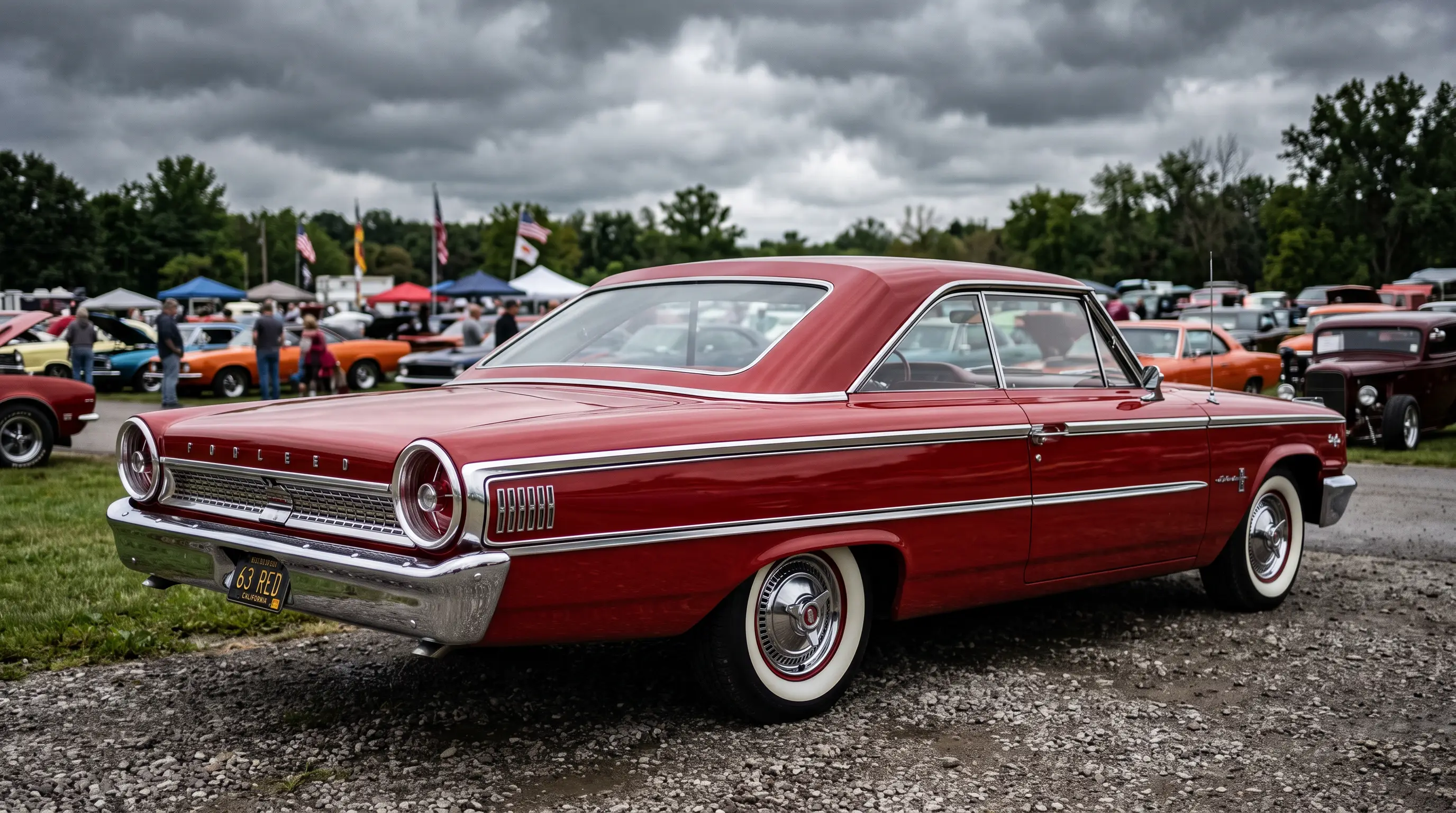
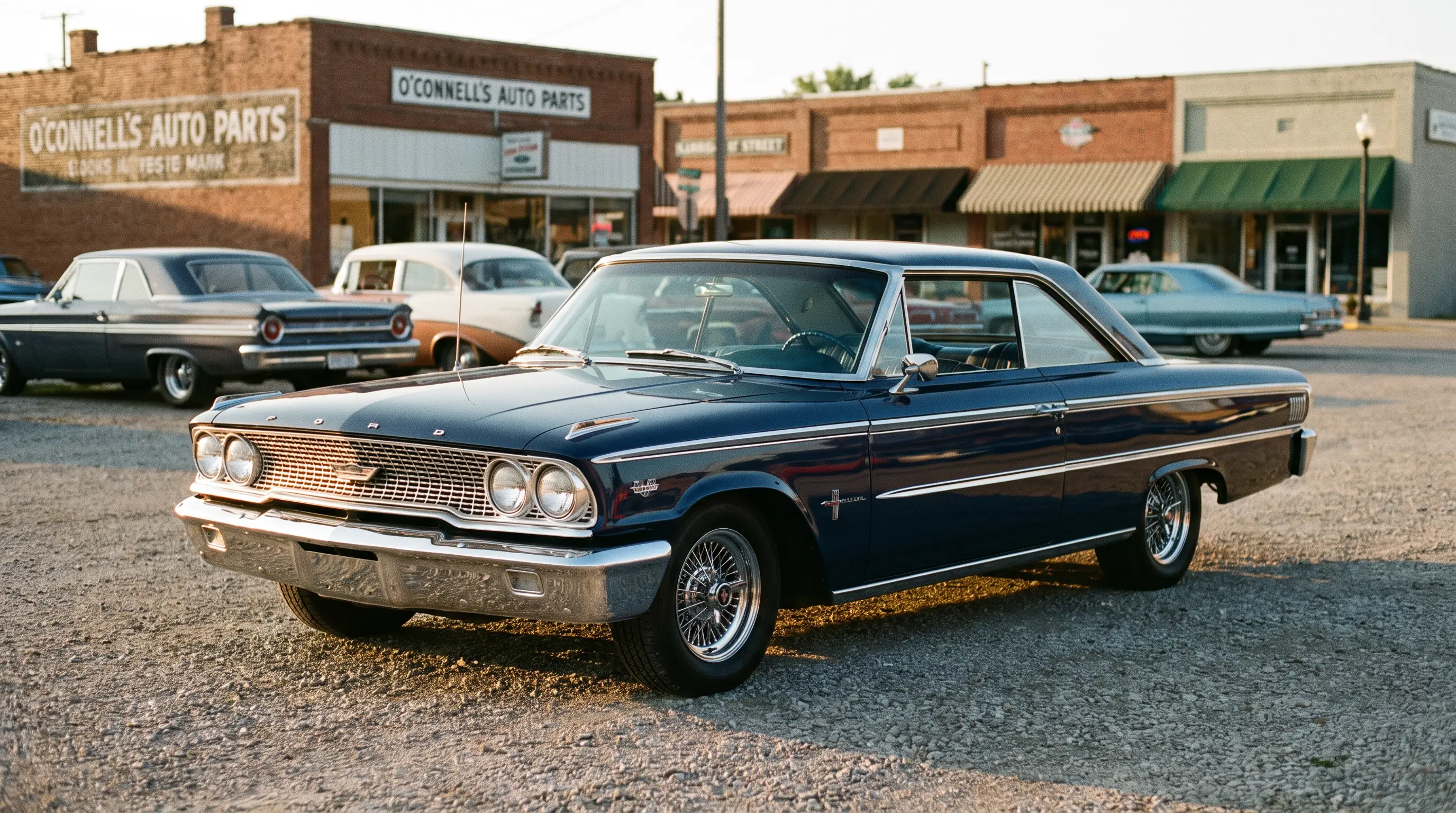
The ford galaxie 1963 scene and ownership today looks quite different from the factory racing story that made this model year famous, and understanding that difference matters for anyone thinking about joining the community rather than just admiring it from a magazine page. Owning one of these cars now is less about chasing a championship legacy and more about maintaining, researching, and slowly building a documented history around a car that has usually passed through several hands since it left the factory.
Who actually owns these cars now
The current ownership base for 1963 Galaxies splits fairly cleanly into a few groups: long-time Ford full-size enthusiasts who have owned examples of this body style for decades, newer collectors drawn specifically by the NASCAR and drag racing history covered elsewhere in this coverage, and a smaller group of restorers and investors treating well-documented cars as a genuine asset class. Each group approaches ownership differently, the long-time enthusiast usually values originality and driving the car, while the history-focused newer collector often prioritizes documentation and correctness above all else.
Club membership numbers for full-size 1960s Ford organizations have held reasonably steady even as the broader classic car hobby has shifted toward younger enthusiasts drawn to different eras entirely. That steadiness says something about the depth of attachment this specific generation of Ford owners has to their cars, a loyalty built up over genuinely long ownership periods rather than short-term collector interest.
What the community actually does together
Regional Ford clubs organize the bulk of what keeps this ownership scene alive day to day, technical knowledge sharing about parts sourcing, which has gotten harder as the supply of good original components has thinned over the decades, judging standards for concours-level events, and increasingly, informal research networks that help owners verify or challenge claimed history on specific cars. This last function has become more important than it used to be, as the market has grown more sophisticated about demanding documentation rather than accepting a seller's word.
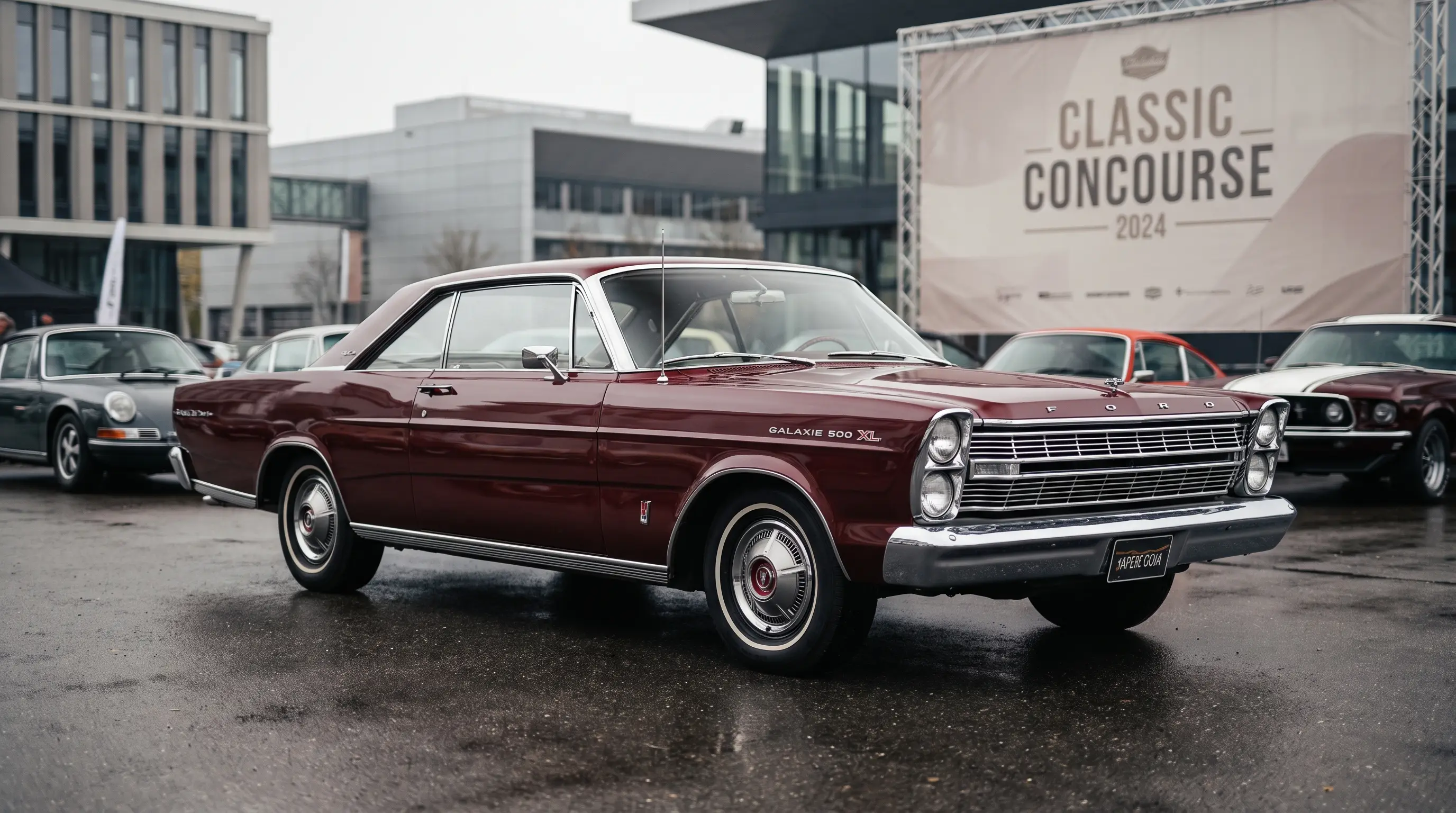
National and regional shows dedicated to 1960s Fords remain a primary gathering point, and it is at these events, more than anywhere else, where the deeper history of specific cars, which chassis raced where, which cars carry genuine Holman-Moody connections, gets discussed, cross-referenced, and sometimes corrected by owners who have spent years researching a single car's past.
| Ownership Group | Typical Priority |
|---|---|
| Long-time full-size Ford enthusiasts | Originality, regular driving, decades-long ownership |
| History-focused newer collectors | Documentation, competition provenance, correctness |
| Restorers and investors | Asset value tied to verified history and condition |
| Clubs and shows | Parts networks, judging standards, research verification |
"I've watched owners spend years chasing down a build sheet or a single photograph that confirms what their car actually did in 1963. That patience is the real culture of this hobby. It isn't about flipping cars fast, it's about slowly proving what you already believe is true."
- Sarah Whitfield
Online research has changed the ownership experience
Where an owner researching a 1963 Galaxie's history twenty years ago was limited to whatever club newsletters, personal contacts, and physical archives they could access, today's owners have digital forums, scanned period magazines, and searchable auction and registry databases that have made cross-referencing a car's claimed history dramatically easier than it used to be. That shift has been mostly positive for the hobby, exposing exaggerated or outright false history claims faster than word of mouth ever could, though it has also raised the bar for what counts as adequate documentation in a way that occasionally frustrates owners of genuinely significant cars who simply never had reason to compile formal paperwork decades ago when nobody was asking for it.
Social media groups dedicated specifically to 1960s full-size Fords have become an unexpectedly useful extension of the traditional club structure, connecting owners across regions who would never have crossed paths at a physical show, and occasionally surfacing photographs or documents from family archives that add real detail to a specific car's history. This kind of crowd-sourced research has quietly become one of the most productive tools available to anyone trying to establish or challenge a 1963 Galaxie's claimed background.
There is a downside worth acknowledging honestly. Online enthusiasm sometimes runs ahead of actual evidence, with a plausible-sounding theory about a car's history spreading through a forum or group faster than anyone bothers to verify it against a primary source. Experienced researchers in this space have learned to treat online-sourced claims the same way they treat a seller's verbal story, interesting as a lead, not acceptable as proof on its own, and the most respected voices in these communities are usually the ones who consistently insist on that distinction rather than getting swept up in an appealing but unconfirmed narrative.
What keeps people in the hobby long term
Ask a long-time 1963 Galaxie owner why they have stuck with the same car, or the same general era of Ford, for twenty or thirty years, and the answer rarely centers on investment value. It is usually about a specific relationship with a specific machine, the sound it makes, the memory of a first drive, a connection to a parent or grandparent who owned one originally. That emotional core is what sustains club membership and show attendance even during stretches when the broader collector market cools off or shifts its attention toward other eras. Newer collectors drawn in purely by the NASCAR and drag racing history covered elsewhere in this coverage often find themselves developing that same deeper attachment over time, once they have owned a car long enough to know its particular quirks and to have put real miles on it themselves rather than just admiring it from a distance.
That is ultimately what keeps this specific ownership scene healthy. It is not propped up by speculative buying. It is carried forward by people who genuinely like these cars, who are willing to do the research and the maintenance work that keeping a sixty-year-old Ford running properly requires, and who pass that enthusiasm on to the next generation of owners at every show, swap meet, and club meeting where the conversation turns, as it always eventually does, back to 1963.
Advice for anyone considering ownership now
Someone considering a 1963 Galaxie today should expect a learning curve that goes well beyond mechanical maintenance. Parts availability for specific trim and performance components has narrowed over the decades, which makes club networks genuinely valuable rather than optional for anyone planning to keep a car in proper condition long term. Researching a specific car's documented history, even for a plain street example without any claimed race connection, adds real depth to ownership and often uncovers small details, a dealership, an original owner's name, a regional detail, that make the car feel like a specific piece of history rather than a generic old Ford.
The scene around this model year rewards patience and genuine curiosity more than it rewards fast money, and that is exactly why it has held together as steadily as it has. For the full background behind why this year draws such sustained interest, the 1963 ford galaxie story covers the complete picture this ownership culture has grown up around.
Anyone ready to join that community can look at classic Galaxies on the market right now, though the same advice applies here as everywhere else in this coverage, ask for documentation, join a club before you buy if you can, and treat the research as part of the ownership experience rather than a chore to skip.