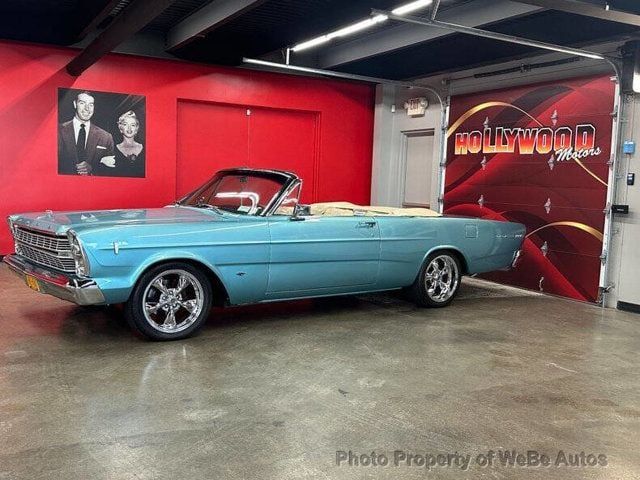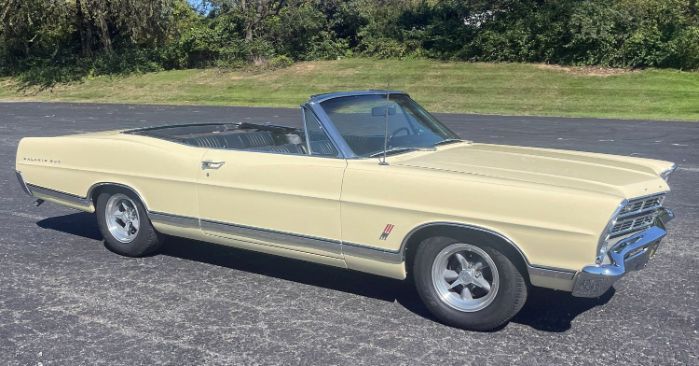
Look at auction results for full-size 1964 Fords over the last several years and one trim level consistently pulls a premium over everything else in the lineup: the Galaxie 500 XL. The numbers tell a clear story about why the ford galaxie 1964 500 xl sport luxury package still commands buyer attention today, and it comes down to a combination that was rare when new and rarer still in surviving, unmolested condition now.
What the XL package actually bought in 1964
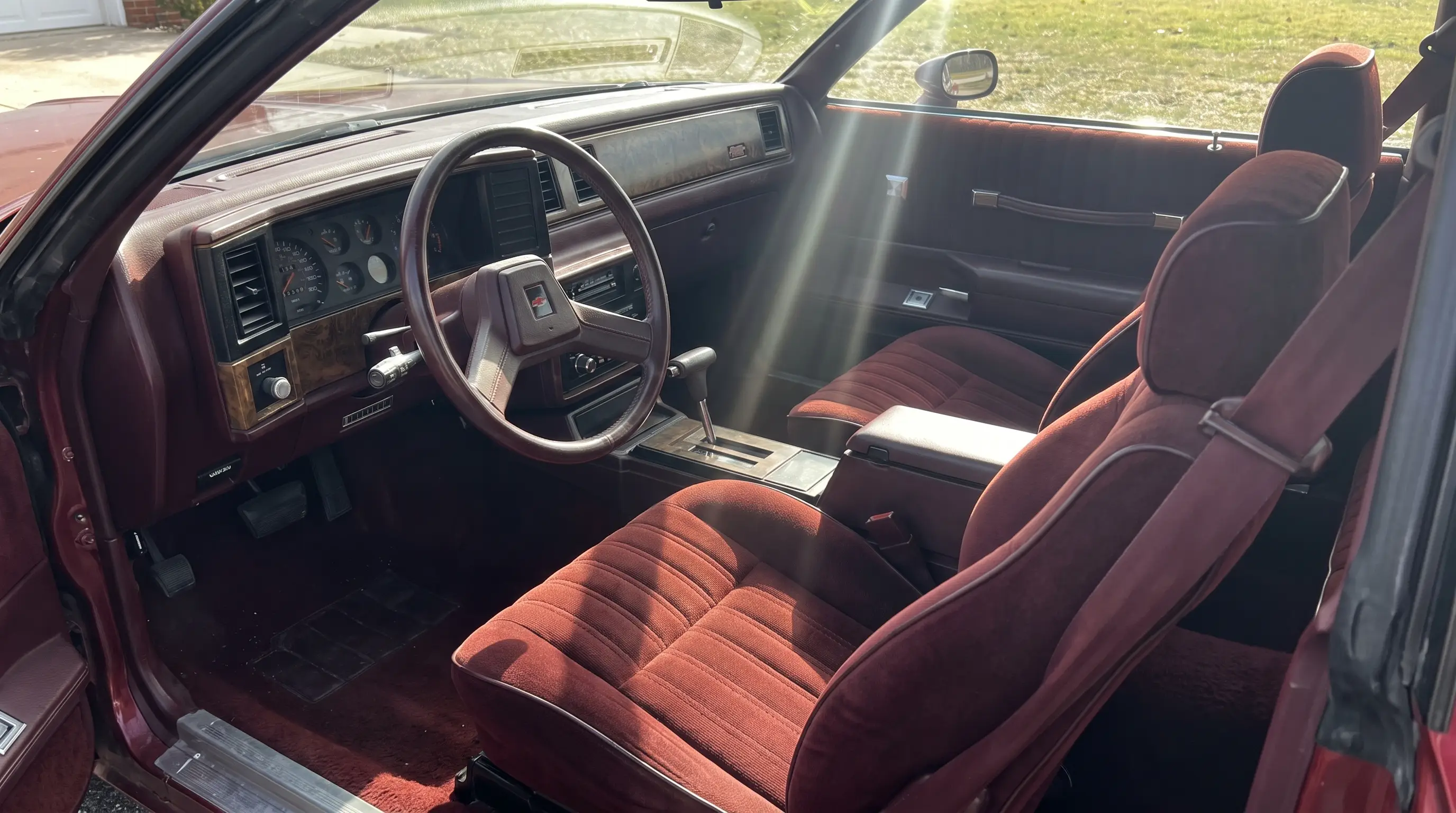
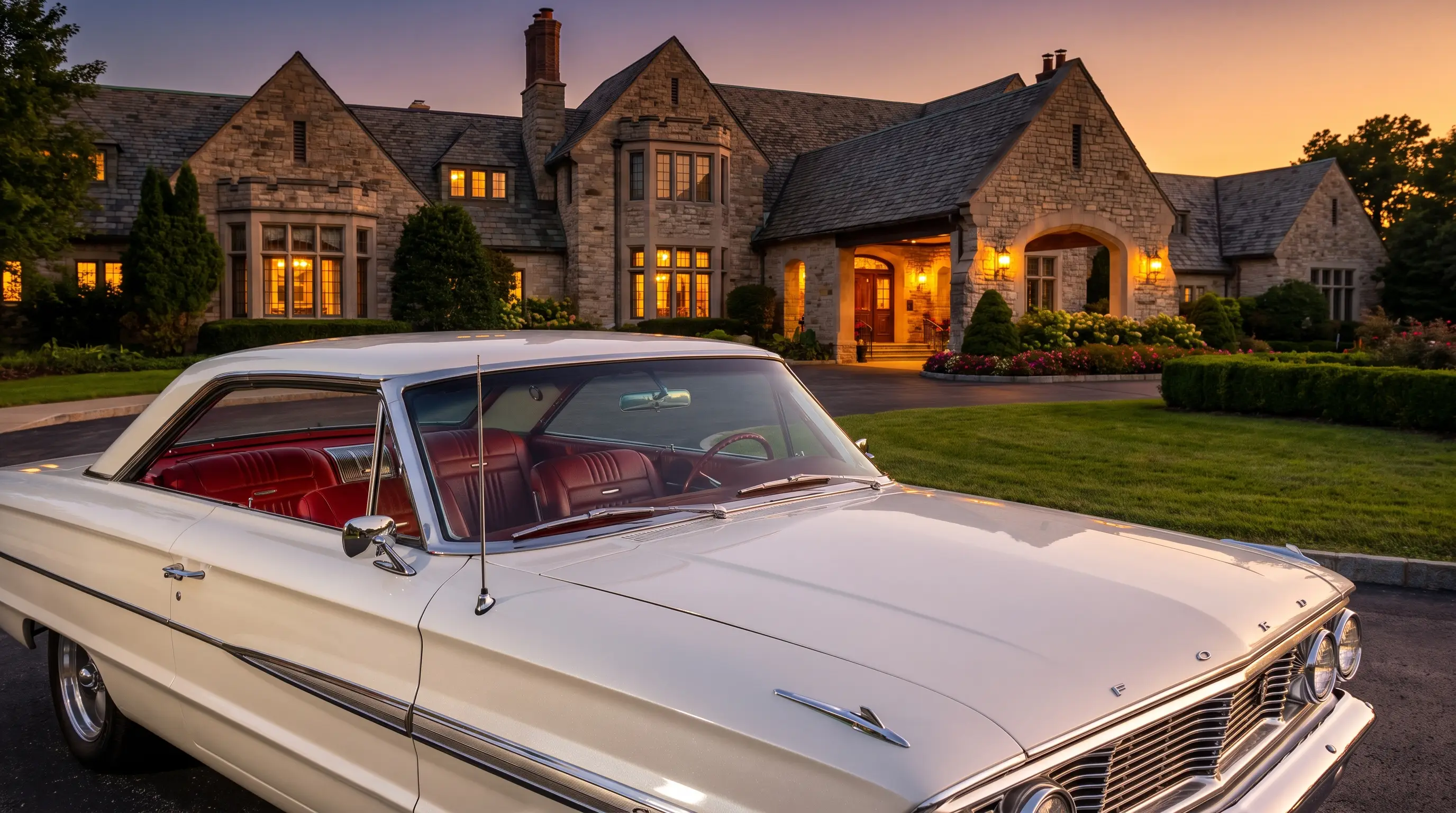
The 500 XL sat at the top of the Galaxie lineup as the sport-luxury trim, positioned above the standard Galaxie 500 with bucket seats and a center console as the defining visual signature, a genuine departure from the bench-seat layout that dominated full-size Ford sales at the time. The interior treatment extended to unique upholstery patterns, a distinct steering wheel, and additional brightwork inside and out that separated the XL from a standard 500 at a glance. This was Ford positioning a full-size car as something closer to a personal luxury coupe than a family sedan, years before that category fully matured into its own market segment.
From a buyer's standpoint in 1964, the XL package was a meaningful step up in price over the standard 500, and that price premium shows up directly in production numbers. XL models made up a distinct minority of overall Galaxie production that year, with roughly 88,000 XL-trimmed cars built across body styles against well over 500,000 standard Galaxie 500s, which is the foundational fact behind everything the collector market does with this trim level today.
Why scarcity alone does not explain the premium
Plenty of rare trim levels from this era do not command strong premiums, because rarity without desirability is just an obscure footnote. The 500 XL avoids that trap because the package genuinely appealed to buyers who wanted a sportier full-size Ford without stepping down to a smaller, less comfortable car, and that appeal has translated directly into modern collector interest. Buckets and a console read as a performance and luxury statement today just as clearly as they did in 1964, which is not true of every period option that has aged into obscurity.
The other factor driving value is documentation. An XL with its original console, correct upholstery pattern, and factory badging intact is verifiably a different car from a standard 500 with aftermarket bucket seats bolted in later to chase the same look. Buyers researching this trim level should always confirm the door tag codes and original interior configuration before paying an XL premium, because the visual cues alone, buckets and a console, are not difficult to replicate on a car that was never built that way from the factory.
| Factor | Standard Galaxie 500 | Galaxie 500 XL |
|---|---|---|
| Seating | Bench seat | Bucket seats with console |
| Interior trim | Standard upholstery | Unique upholstery and brightwork |
| Steering wheel | Standard | Distinct XL-specific wheel |
| Market position | Family sedan | Sport-luxury full-size coupe |
| Collector premium | Baseline | Consistently higher at auction |
"The XL premium isn't nostalgia pricing. It's a documented, repeatable pattern across enough auction results that you can build a valuation model around it, and that's rare for a trim option this old."
- David Mercer
How this compares across the broader full-size Ford market
Context matters here, because the 1964 XL premium does not exist in isolation. Across the full-size domestic market of this era, sport-luxury sub-trims from other manufacturers have followed a similar pattern, commanding premiums over standard trims roughly proportional to how distinct their equipment package actually was and how well that equipment survives verification today. The Galaxie 500 XL fits comfortably within that broader pattern rather than standing out as an anomaly, which is actually a point in its favor from an analytical standpoint. A trim premium that only exists for one specific car in one specific market is a red flag worth investigating. A premium pattern that shows up consistently across a manufacturer's comparable products in the same era is a much more defensible basis for a valuation.
That said, the Galaxie 500 XL has one advantage some competing sport-luxury trims from the period lack: a large enough surviving population that meaningful auction data actually exists to analyze. Some comparably rare period trims from smaller-volume manufacturers have so few surviving, documented examples that pricing data is closer to guesswork than analysis. The XL, while genuinely scarce relative to standard Galaxies, survives in sufficient numbers that a buyer today can actually compare multiple recent sales rather than relying on a single outlier transaction to set expectations.
Buying advice for this specific trim
For anyone shopping this trim level today, the honest read is that a genuine, well-documented 500 XL is worth paying a premium for, provided the paperwork backs up the claim. What is not worth paying a premium for is a Galaxie 500 with aftermarket bucket seats and a console retrofitted to chase the same look, since that car carries none of the production scarcity that actually drives XL values. The gap between those two cars in price should be significant, and buyers who cannot verify the difference should assume the lower valuation until proven otherwise. The full story on this model year covers the broader production context if you want to understand where the XL fit within Ford's overall 1964 lineup.
My general guidance for this segment: buy the documentation as much as the car. A correctly optioned XL with clean records is a defensible long-term purchase. A cosmetic clone dressed to look like one is a bet on nobody ever checking the door tag, and that is not a bet worth making at XL-level prices.
Where the market goes from here
Full-size 1964 Fords broadly have held steady rather than spiked in recent years, but the 500 XL specifically has shown more consistent upward movement than the standard trims around it, driven by a collector base that increasingly values documented rarity over raw horsepower alone. That trend looks durable rather than speculative, since it tracks a genuine, verifiable production scarcity rather than a passing fashion in the market. If you are considering adding one to a collection, browse classic Galaxie listings now and compare XL asking prices directly against standard 500 examples to see the premium in real time rather than just in auction archives.
One final data point worth flagging for anyone building a serious valuation model around this trim: condition still moves the number more than trim level does at the extremes. A rough, incomplete XL will not outsell a pristine, well-documented standard 500 despite the trim premium, because collectors buying at the top of this market are paying for overall quality first and trim scarcity second. Treat the XL premium as a multiplier on a baseline condition-driven value, not a fixed dollar amount that applies regardless of the car underneath it.
Sources and notes
- Car of the Week: 1964 Ford Galaxie 500XL - Old Cars Weekly
- What does XL stand for on Ford Galaxie 500? - AHG Auto Service
- This 1965 Galaxie 500 XL Is Xtra-Lively - Ford Authority
- 1964 Ford Galaxie 500XL Club Victoria full range specs - Automobile Catalog
- 1964 Ford Galaxie 500 - Hagerty Valuation Tools