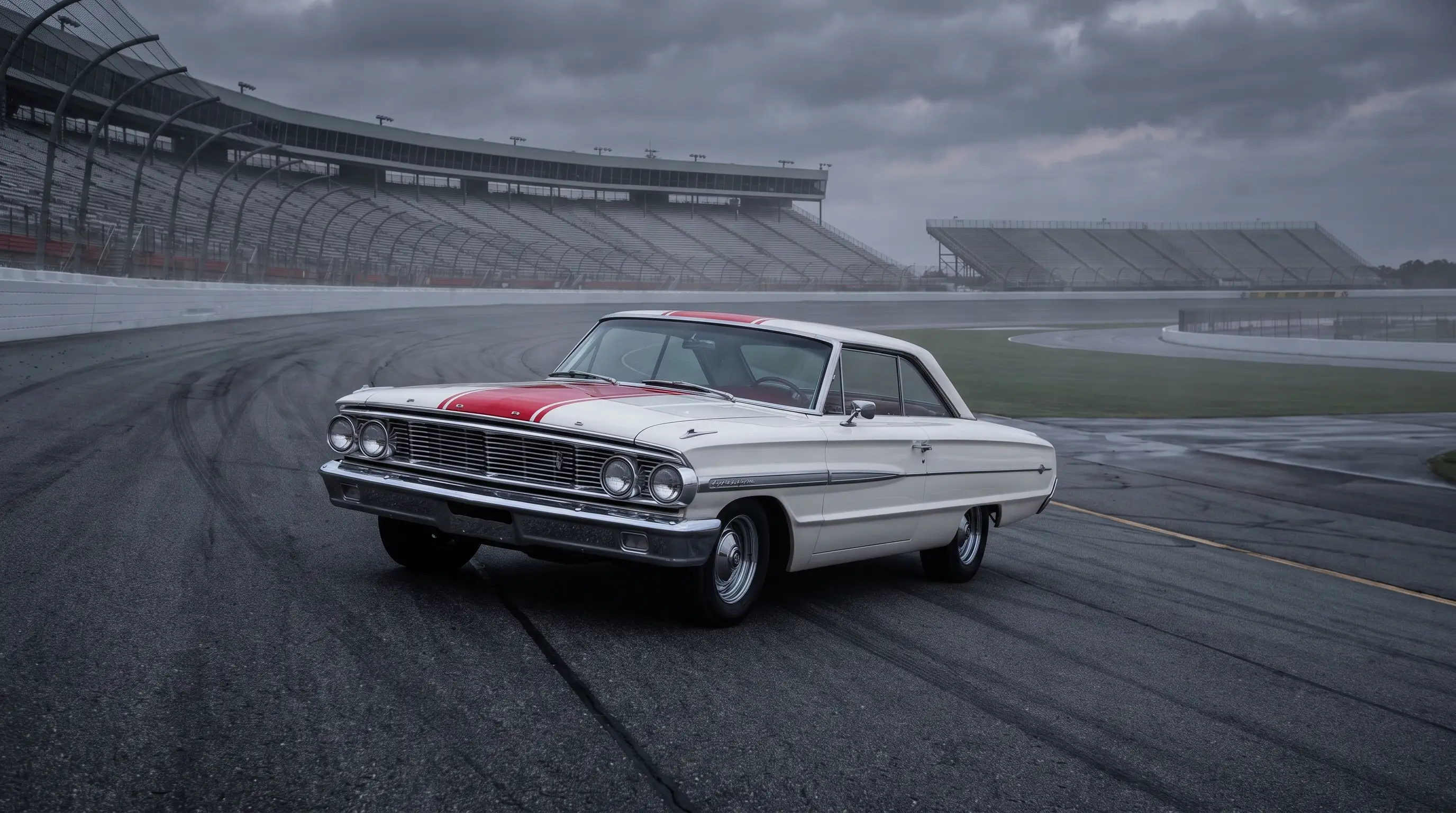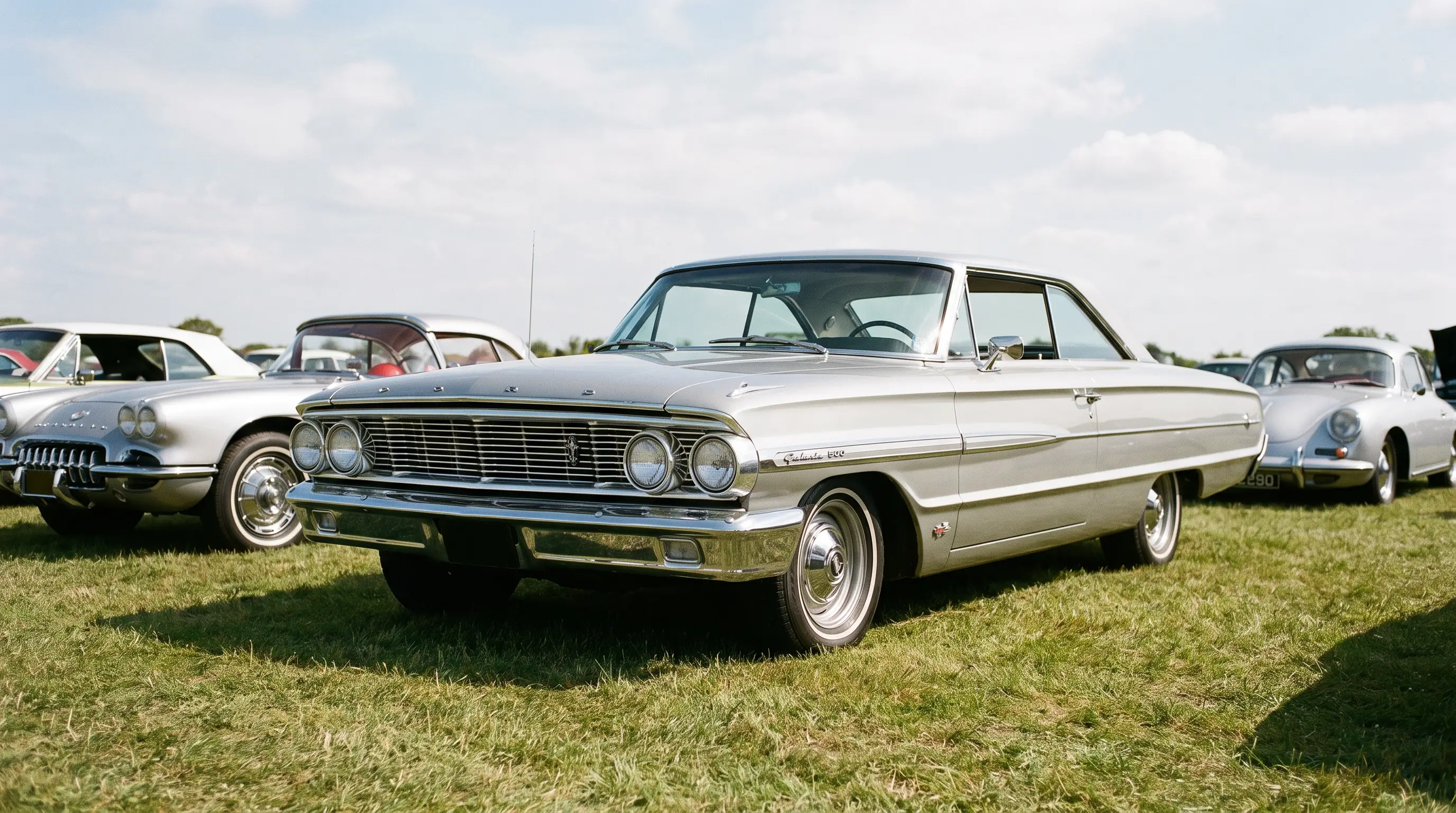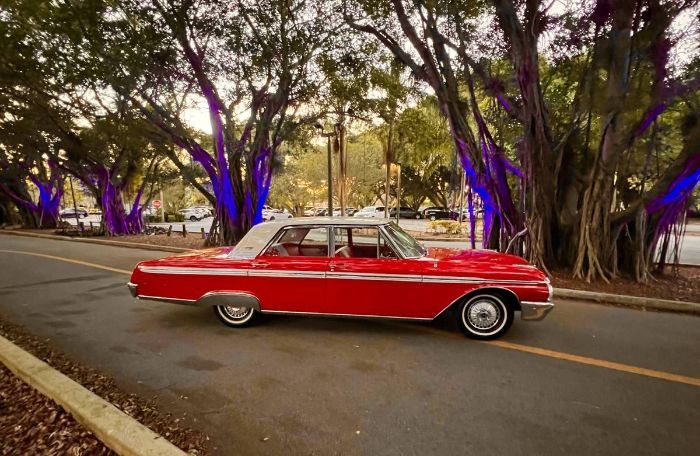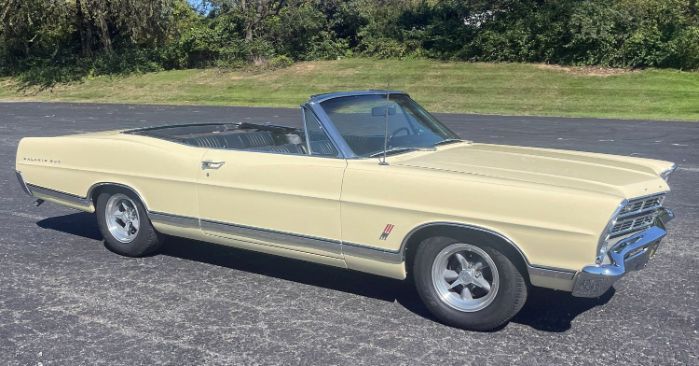
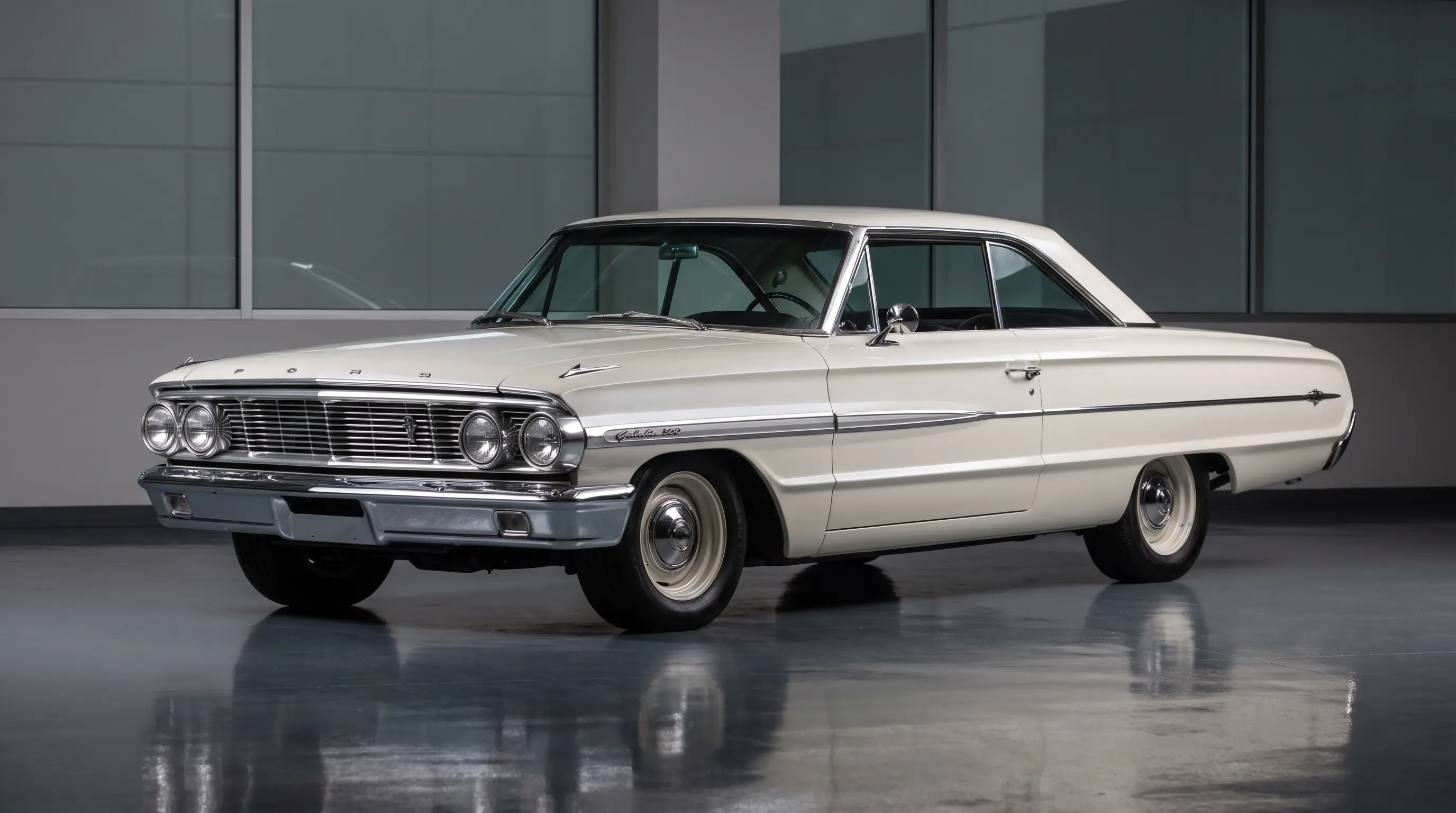
Every full-size Ford has a year that bodymen argue about, and for the Galaxie it is 1964. The 1964 ford galaxie history gets told a dozen ways depending on who you ask, but strip away the sales brochures and what you have is the last and best version of a body that had been running since 1960. I have had three of these on the rack over the years, and the 1964 ford galaxie 1964 styling refresh is the one I point customers toward when they ask which year to buy for looks alone.
A grille that stopped apologizing
The 1963 front end was fine. It was also busy, with a lot of concave detailing that looked good in a showroom and murder in the sun. For 1964, Ford flattened the grille out and gave it a cleaner horizontal theme, quad headlights set into a face that reads as serious rather than fussy. Standing in front of a straight, unrestored 1964 hood ornament and grille assembly, you notice how much less trim is fighting for attention. That is not an accident. Ford's stylists were cleaning house across the whole lineup that year, and the Galaxie benefited more than most because the previous year had so much going on up front.
What I tell guys doing a nose-off respray is that the 1964 grille sits differently in its opening than the 1963 piece. If someone hands you a "1964 Galaxie" with the wrong-year grille pattern jammed into the header panel with extra shims, that is your first clue the car has been parted together. It happens more than people admit.
The character line that finally works
Look at the door skin from the front fender to the rear quarter and you will see a crisp horizontal crease running the length of the car, higher and straighter than the softer sculpting Ford used in 1962 and 1963. It is a small thing until you have metal-finished a quarter panel around it. That line has to stay perfectly straight or the whole side of the car reads as wavy under a shop light, and I have seen more than one amateur repair chase that crease into a slight dip that only shows up once the car is in full sun.
The lower body sides also lost some of the earlier concave scalloping. The effect, whether Ford's designers meant it this way or not, is a car that looks longer and lower without changing a single hard point on the chassis. It is a lesson in how much a few inches of sheet metal contour can do to a silhouette, and it is why the 1964 cars photograph so well in profile at a show field.
Roofline and rear end, the part everyone argues about
The two-door hardtop roofline on the 1964 car has a slight formal squareness compared to the more sweeping fastback treatment Ford had used a couple of years earlier on certain models. Some guys prefer the older, faster-looking roof. I prefer the 1964 because it ages better next to a modern driveway; it does not scream "early sixties" the way the more heavily sculpted cars do. The rear end picked up new, more rectangular taillight housings set into a cleaner deck lid panel, replacing the rounder units from 1963. It is a small update but it changes how the whole rear third of the car reads at night, with a tighter, more unified lighting signature instead of the earlier scattered look.
Two-tone paint schemes were still available in 1964, and this is where I see the most amateur work. A correct two-tone break follows the factory sculpture line exactly, not an inch high or low. Guys chasing a quick respray for a flip will eyeball the break and it always shows. If you are shopping a repainted car and the color break wanders even slightly off that crease line, assume the rest of the bodywork got the same treatment.
"You can fake patina, you can fake documentation, but you cannot fake a crisp character line. Either the metal is straight or it is not, and 1964 does not forgive lazy work."
- Jim Vasquez
Chrome, trim, and telling the real cars from the poseurs
Trim levels mattered more to appearance in 1964 than in some other years. The base Galaxie ran modest rocker trim and simpler wheel covers, the Galaxie 500 added brightwork along the beltline, and the 500 XL went further still with unique badging and interior brightwork to match the exterior dress-up. When a seller tells you a plain Galaxie is actually a 500 XL "under the paint," ask to see the door tag and matching trim holes in the sheet metal. XL cars have specific mounting points for their extra brightwork, and a car built as a base model does not magically grow those holes later without evidence of drilling and filling. I have caught this exact swap trying to pass a base six-cylinder car off as something it never was.
None of this changes with a repaint, which is the point. A 1964 Galaxie with the wrong trim story is a 1964 Galaxie regardless, but it is not the car the price tag claims, and the buyer should know that before the deal closes rather than after.
Why this year still gets picked apart at shows
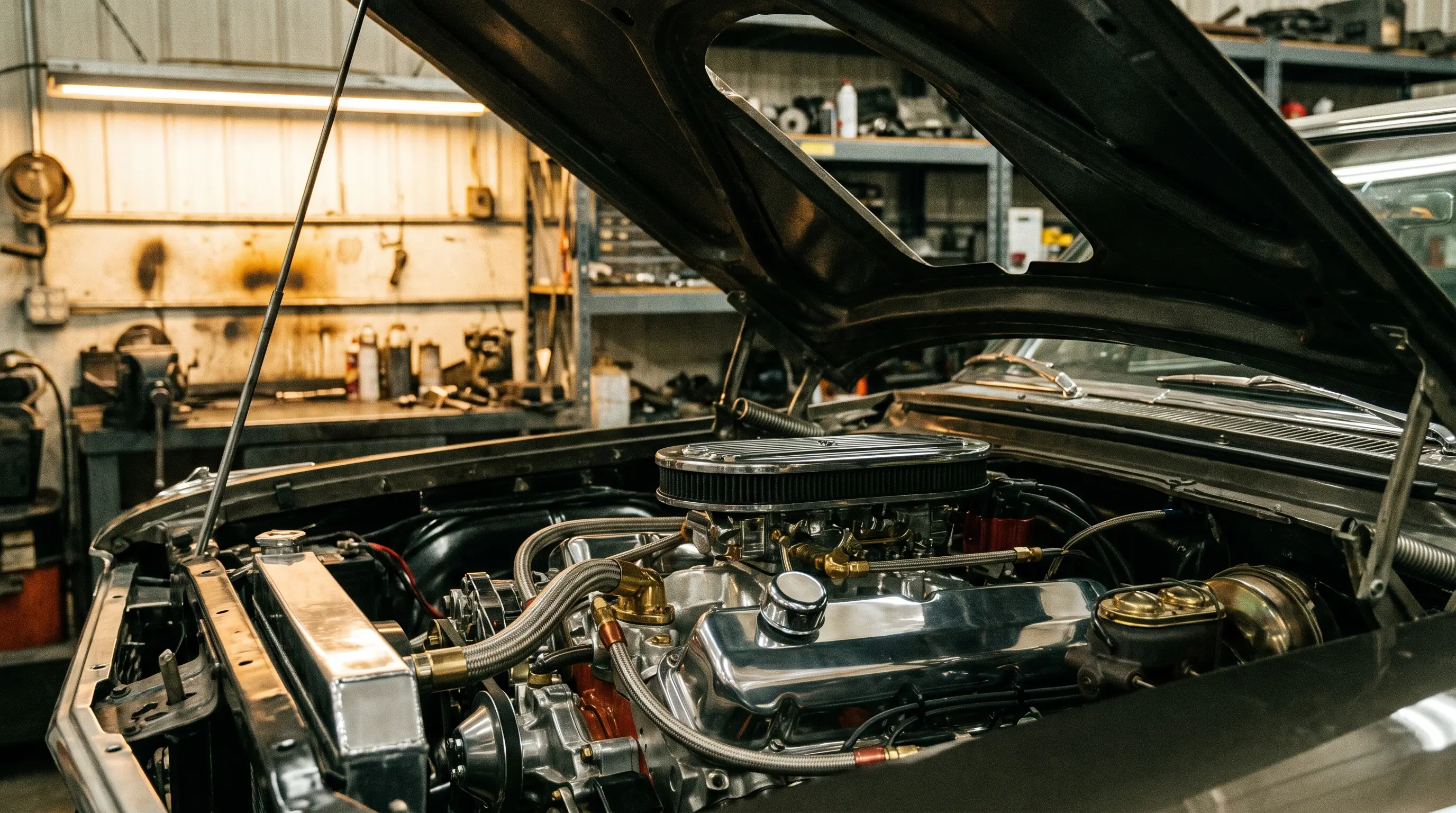
The 1964 update did not reinvent the Galaxie. It refined it, and refinement is a harder thing to judge at a glance than a full redesign. That is exactly why bodymen and judges spend so much time on this year specifically: the differences from 1963 are subtle enough that a sloppy restoration can slide past a casual buyer, and precise enough that a knowledgeable eye catches every shortcut. For anyone chasing a correct 1964 car, that is worth remembering before you sign anything. It is also worth remembering that a related story on this same model year covers what was happening under the hood while the body was getting this once-over, and the two threads explain a lot about where Ford's attention was that season.
If the styling story has you looking twice at this generation, Galaxies for sale now are worth a walk-around before you commit to any single example, because the differences described here are the kind you only really appreciate in person.