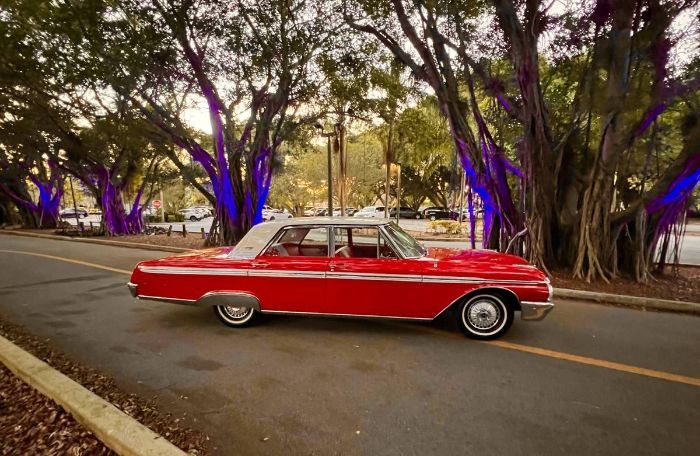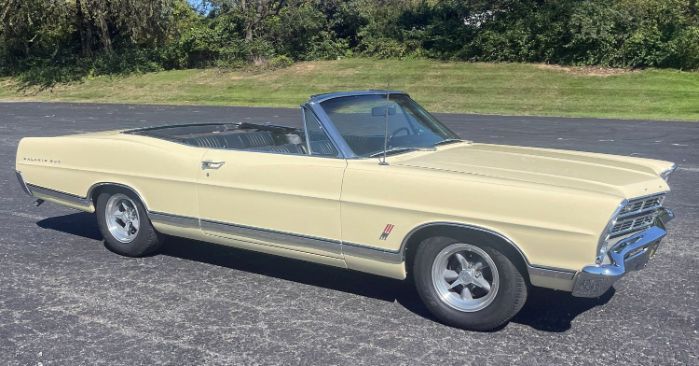
Stand at a car show next to a row of full-size 1966 Fords and the differences between a base Galaxie, a Galaxie 500, and an XL aren't in the sheet metal. They're in the small things: a grille insert, a length of chrome trim, a taillight lens. Ford galaxie 1966 design details close up is really a study in how a single body could be dressed up or down depending on which pieces got bolted to it, and once you know what to look for, identifying a 1966 Galaxie from across a parking lot becomes almost effortless.
The grille as a signal, not just a decoration
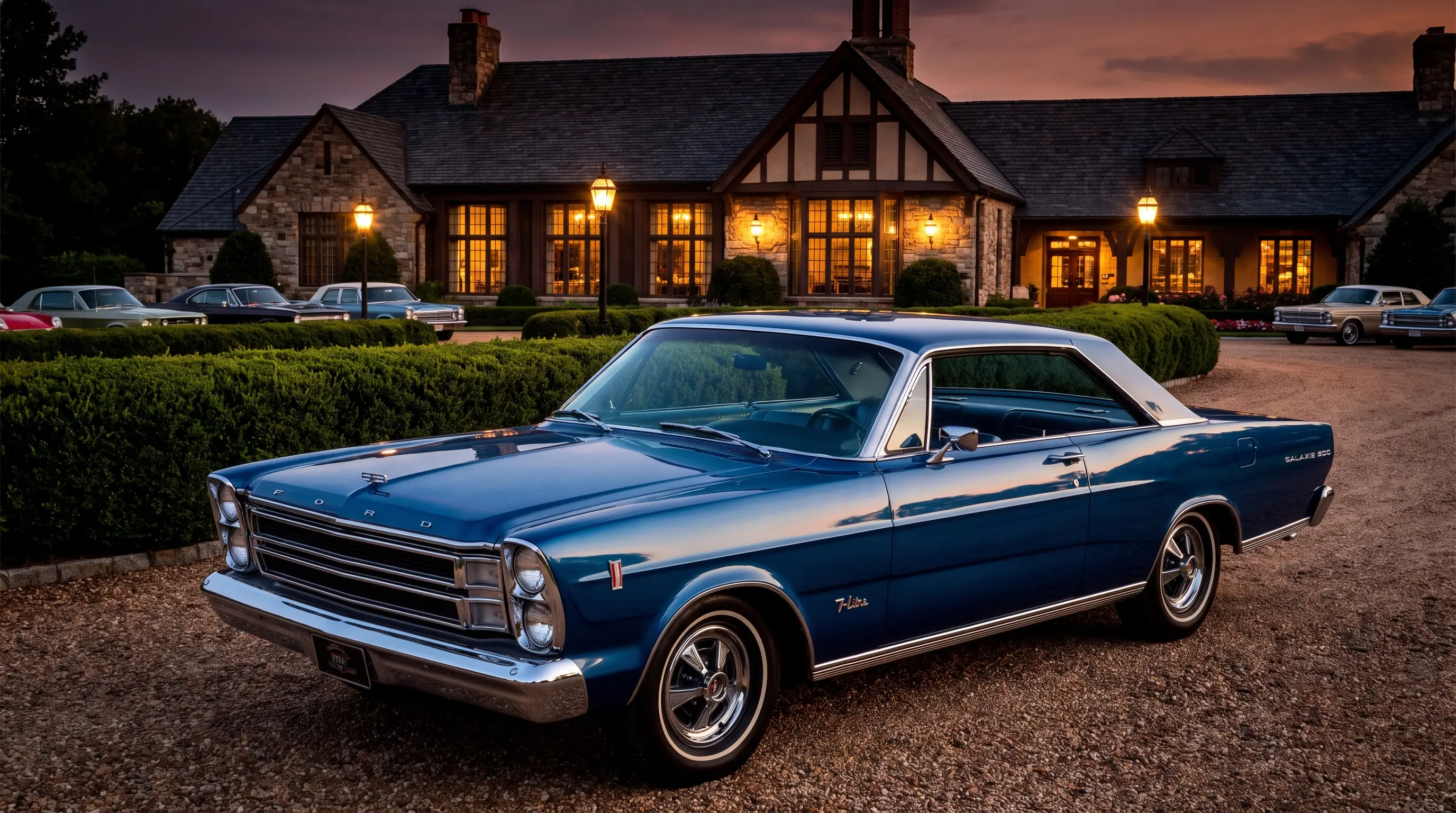
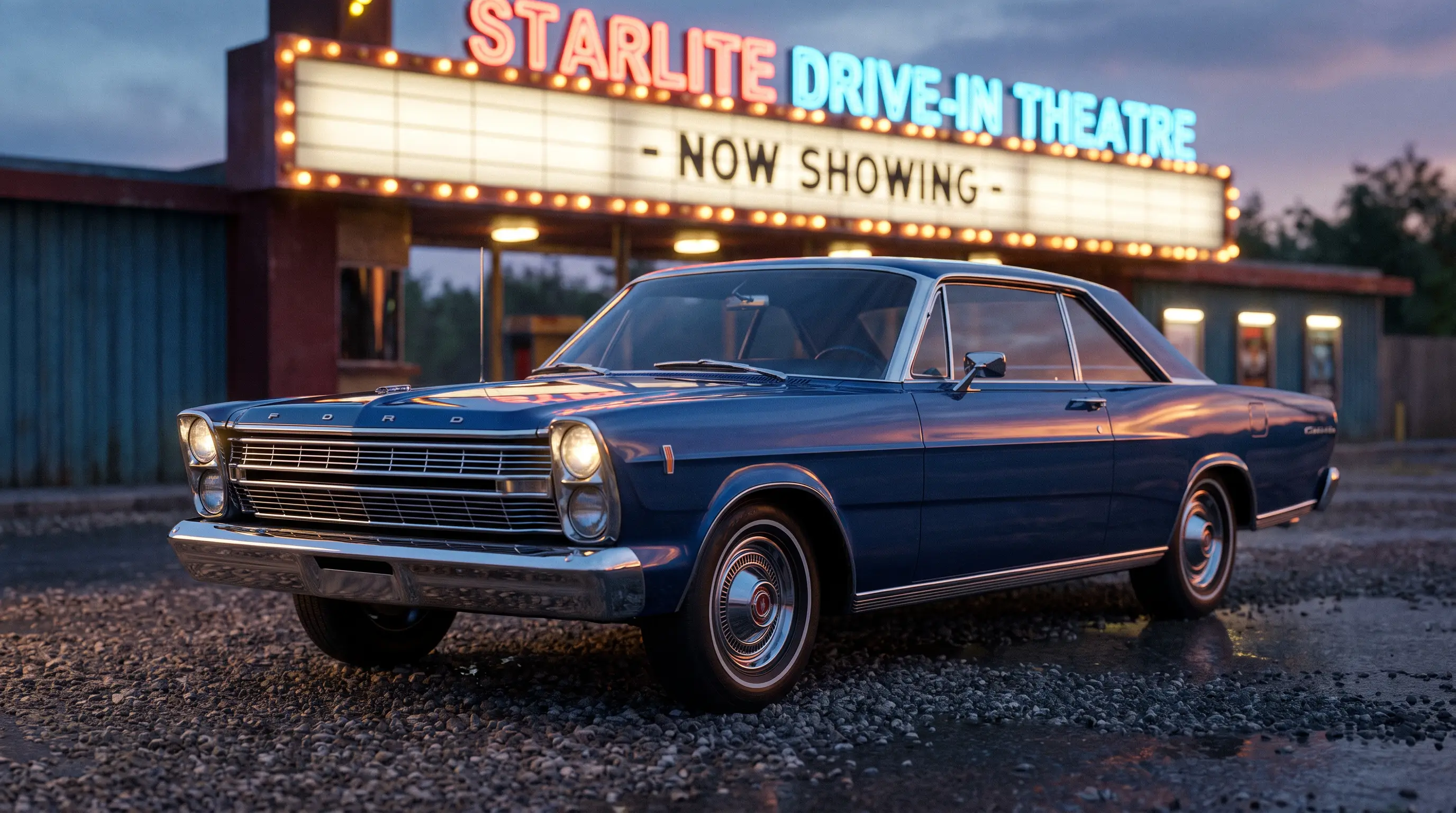
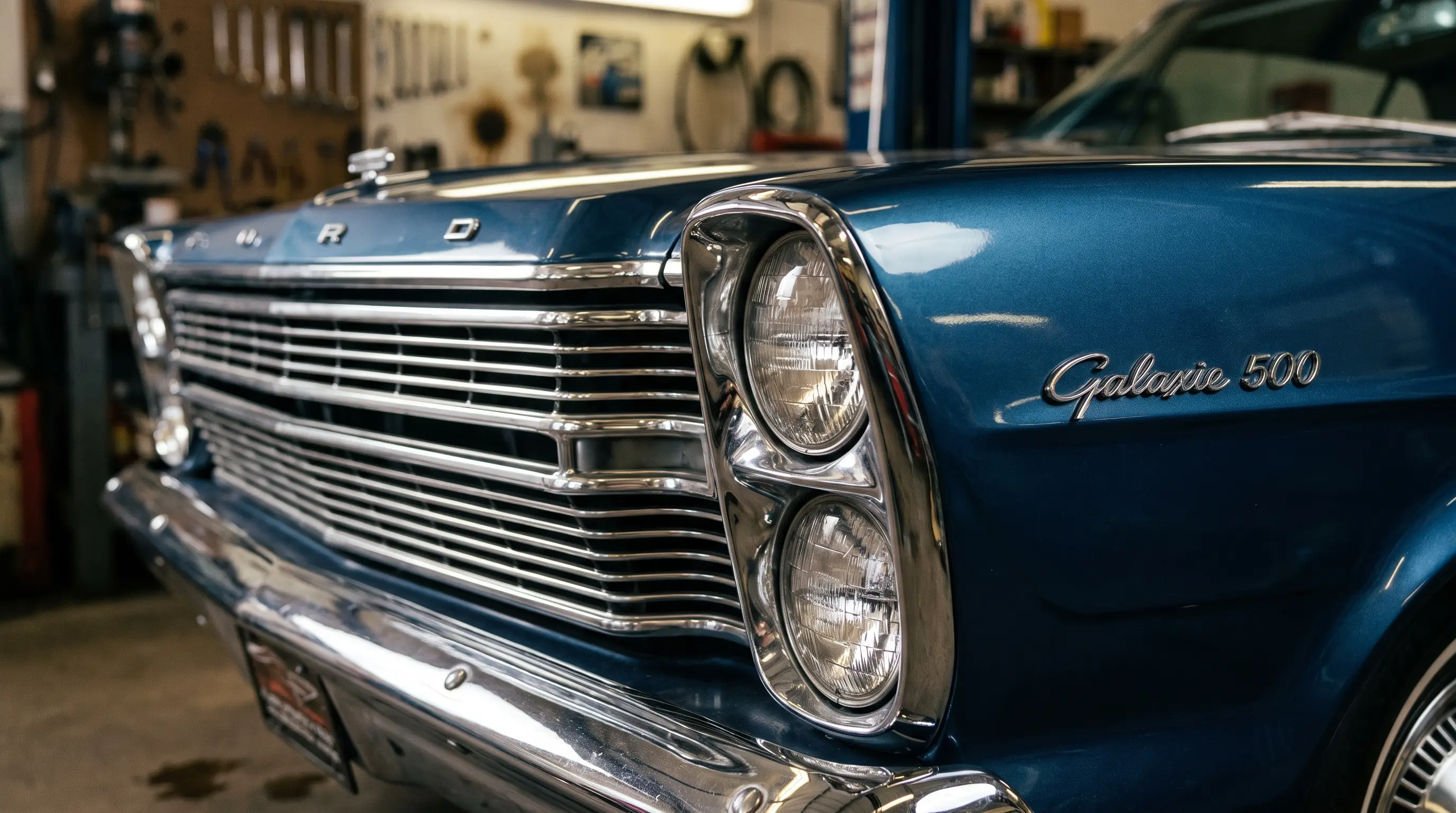
The 1966 Galaxie's front end carried a wide horizontal grille with quad headlights set into the corners, a design language shared with that year's Ford lineup but with details specific to the Galaxie's trim level. Base Galaxie and Galaxie 500 models wore a grille with a simpler insert pattern, while the top trims added extra bright work and a more heavily accented central section. It's a subtle enough difference that a casual observer might miss it entirely, but to anyone who has spent time around these cars, the grille alone can tell you which trim level you're looking at before you even get close enough to read a badge.
The quad headlight arrangement itself was standard across the full-size Ford range that year, but the surrounding bezels and the way the grille framed them varied enough between trims that reproduction parts suppliers still catalog them separately today. Get the wrong grille insert on a restoration and the car reads as the wrong trim level to anyone who knows what they're looking at.
Taillights that tell their own story
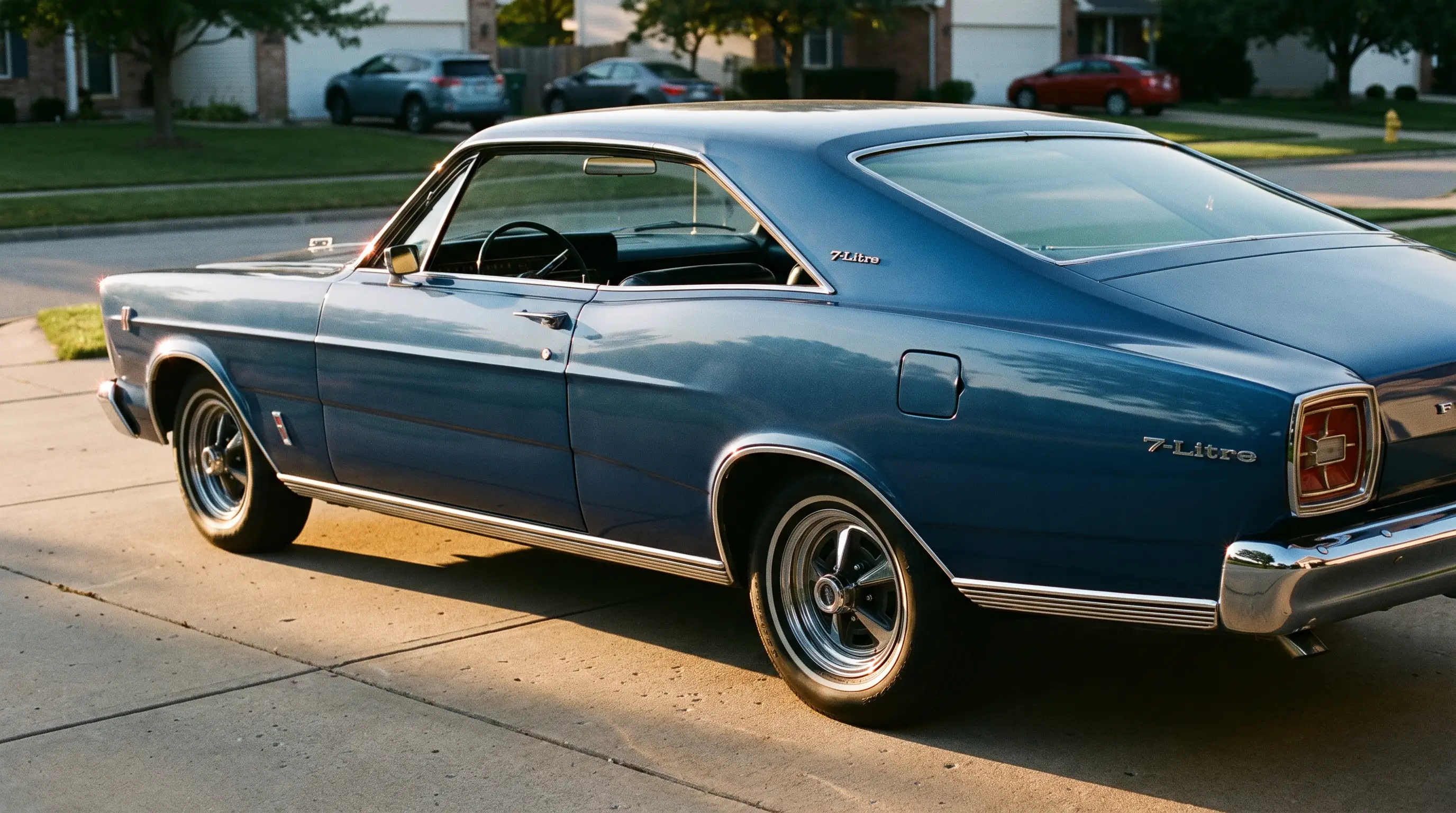
Around back, the 1966 Galaxie's taillight treatment is one of its more distinctive design details, a wide horizontal lens arrangement spanning the rear panel rather than isolated round or rectangular units at each corner. This full-width look was part of a broader trend across American full-size cars in the mid-1960s, but Ford's specific execution on the Galaxie, with its own lens pattern and chrome divider trim, is recognizable enough that enthusiasts can often identify the exact model year from the taillights alone in a photograph, without needing to see the rest of the car.
| Design element | 1966 Galaxie detail |
|---|---|
| Headlights | Quad, horizontal grille placement |
| Taillights | Full-width horizontal lens treatment |
| Side trim | Varies by trim level, XL adds extra bright accents |
| Roofline options | Formal notchback and fastback available on coupes |
| Badge placement | Fender script denotes trim level and engine on some configurations |
Side trim and the visual language of trim levels
Move along the flank of a 1966 Galaxie and the story continues. A base car carried minimal brightwork, a single trim spear at most, while a Galaxie 500 added a more elaborate side molding treatment, and an XL layered in additional badging to make its higher position in the lineup unmistakable even to someone unfamiliar with Ford's model hierarchy that year. None of this was accidental. Ford's design department understood that a customer paying more for a higher trim wanted that difference to be visible from the sidewalk, not just felt from behind the wheel.
The roofline as its own design statement
Beyond grilles and trim, the 1966 Galaxie's coupe buyers faced an actual choice of roofline, a formal notchback profile or a sleeker fastback, and that decision changed the car's entire visual character. The formal roof kept a more upright rear window and a squared-off greenhouse, closer in spirit to the Galaxie sedan's proportions, while the fastback swept the roofline down toward the trunk in a single continuous line, borrowing visual cues from Ford's more overtly sporting models that year. Seen side by side in a dealer lot, the two rooflines could almost pass for different cars built on the same platform, and the choice between them says a lot about what kind of buyer Ford was courting with each configuration.
Wheel covers deserve a mention too, since they're one of the easiest details for a casual observer to overlook and one of the easiest for a restorer to get wrong. Base Galaxies typically wore simpler hubcap designs, while higher trims added wheel covers with more elaborate spoke patterns and larger diameter coverage. A car wearing the wrong wheel covers for its documented trim level isn't necessarily dishonest, owners swapped these parts constantly over the decades for personal preference, but it's one more data point worth noting when you're trying to understand a specific car's full history rather than just its general appearance.
Reading a car's identity through details a restoration can get wrong
For anyone evaluating a 1966 Galaxie today, these design details aren't just trivia, they're a practical verification tool. A car wearing an XL badge but missing the correct grille insert or trim spears associated with that trim level is worth a closer look before you trust anything else about its history. Mismatched details usually mean parts were swapped somewhere along the way, sometimes for good reason, sometimes because a seller wanted a car to look more desirable than its actual factory configuration. Either way, the details are the tell, and they're worth learning before you ever look at a price tag.
None of these details exist in isolation either. Grille insert, taillight lens, side trim, wheel covers, and roofline choice were all specified together on a single build sheet at the factory, which is exactly why a car with details that don't logically match each other deserves a second look rather than a quick handshake. A genuine Galaxie 500 with XL wheel covers and a base grille insert isn't impossible, parts get swapped, but it's worth asking why before assuming the car in front of you is exactly what its badges claim.
Curious how these design choices fit into the model's broader year? Our complete history of the 1966 Galaxie covers the full range of trims, engines, and body styles these details were meant to distinguish.
"A grille insert is a small thing to notice, but it's often the first honest clue a car gives you about what it actually is, before anyone tells you a story about it."
- Nora Beckett
If these small details have you looking at 1966 Galaxies with fresh eyes, it's worth taking the time to browse classic Galaxie listings and see how many of these design cues you can spot for yourself before reading a single spec sheet.
Sources and notes
- Ford Galaxie - Wikipedia
- 1966 Ford Galaxie 500 2-Door Hardtop full range specs - Automobile Catalog
- 1966 Ford Galaxie 500 2 Door Hardtop Fastback - JD Power
- Curbside Classic: 1967 Ford Galaxie 500 2-Door Hardtop
- 1966 Ford Full Size Cars Fact Sheet - Over-Drive Magazine
- 1966 Ford Galaxie 500 - Hagerty Valuation Tools