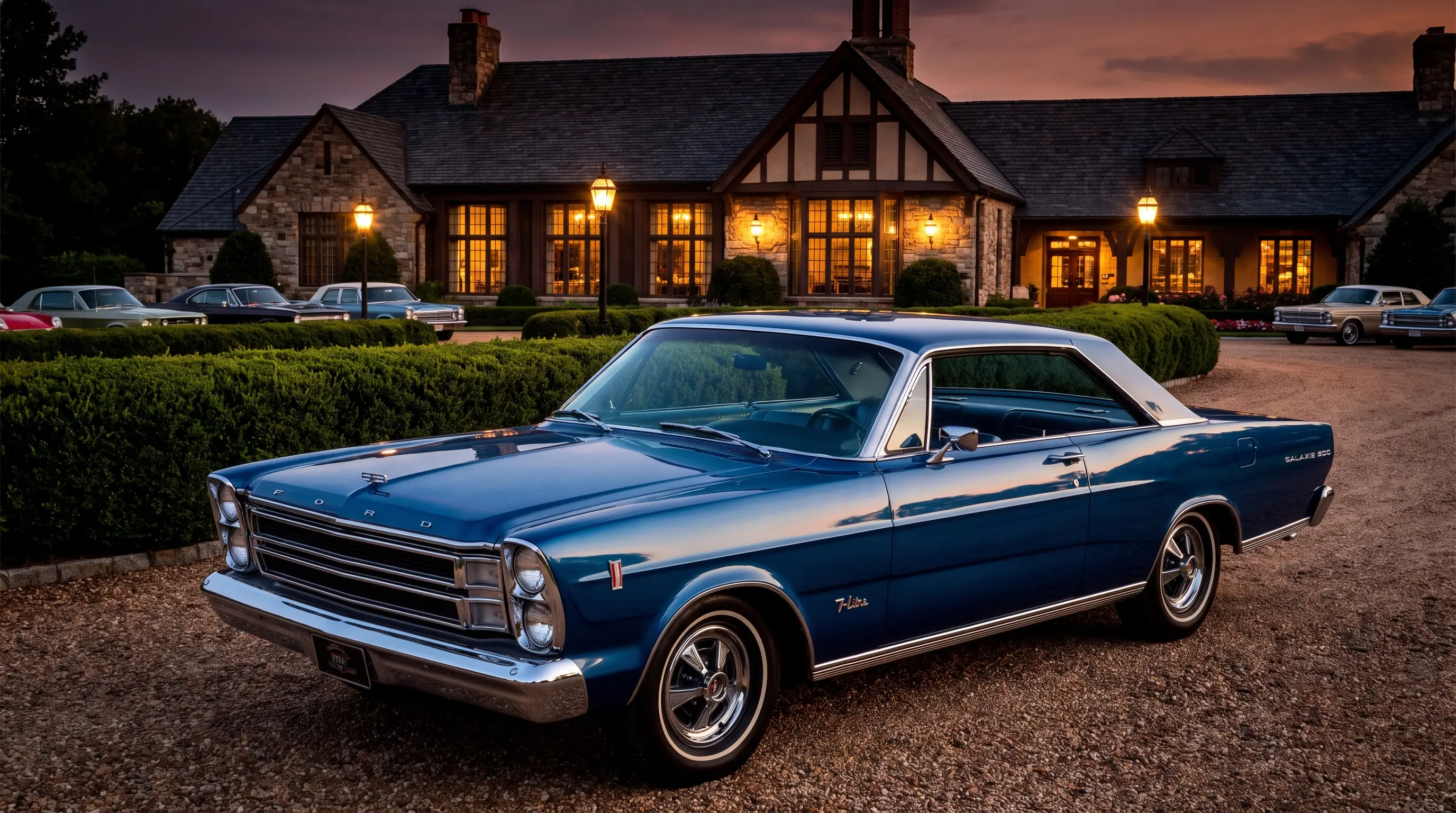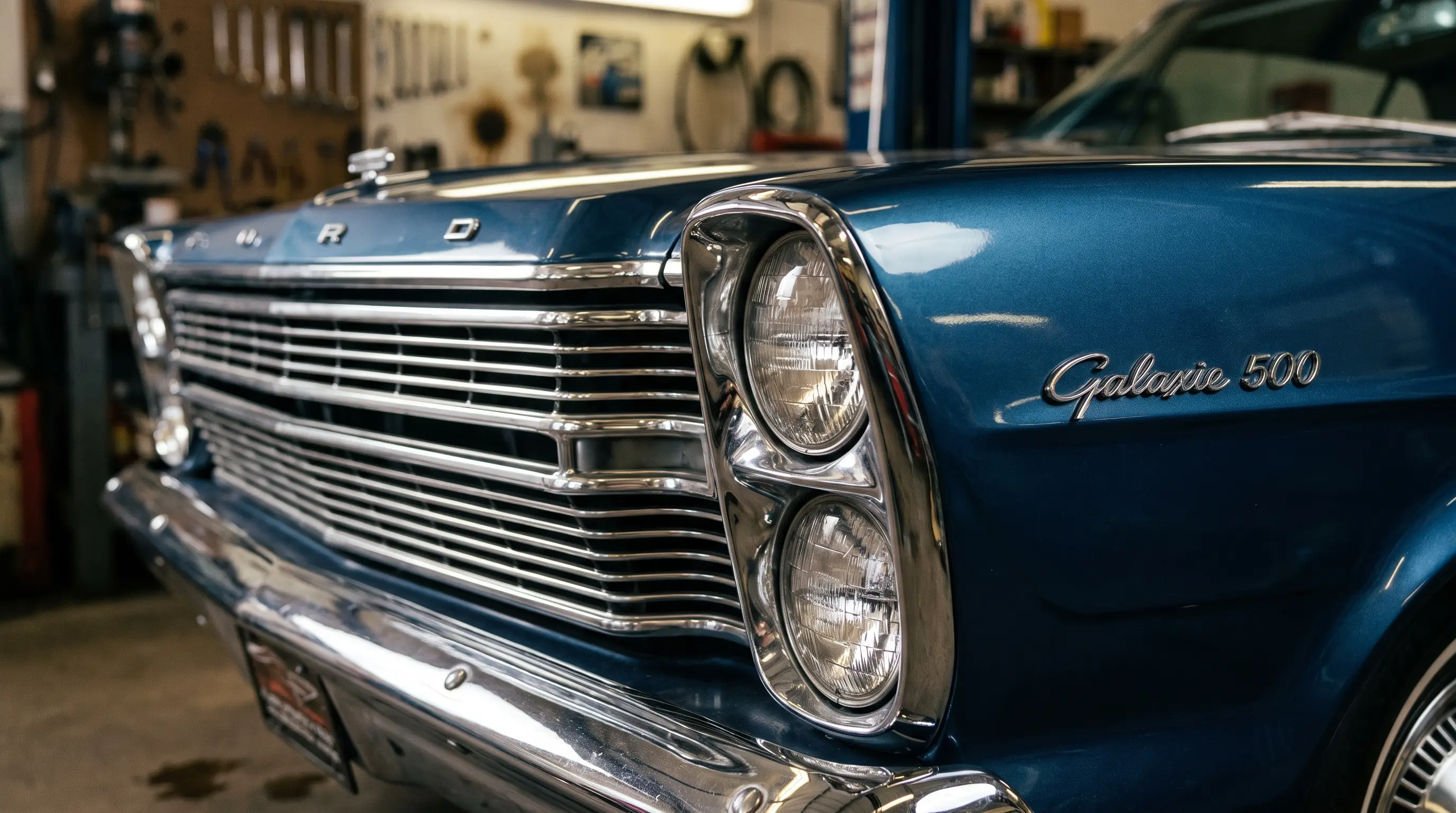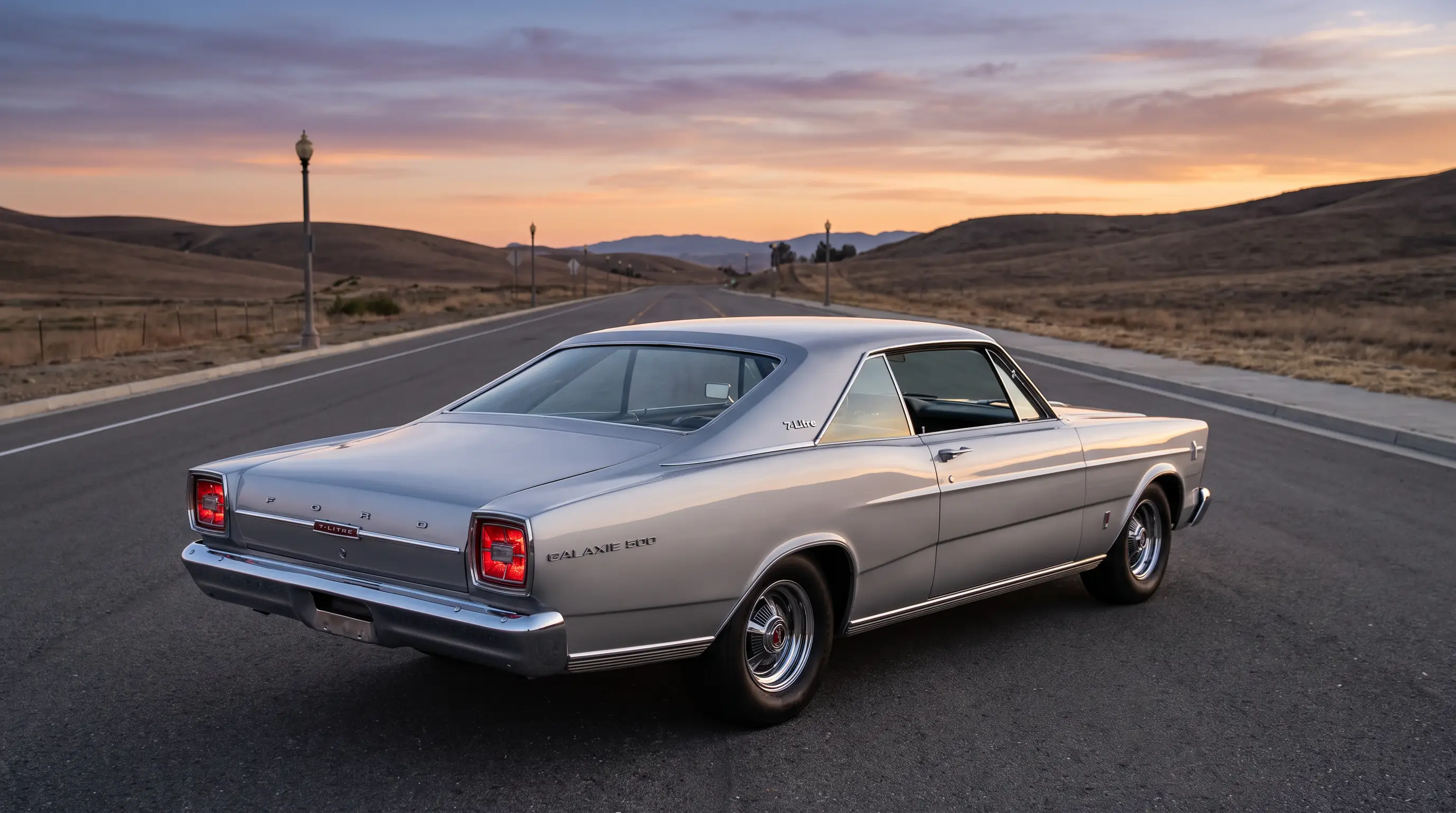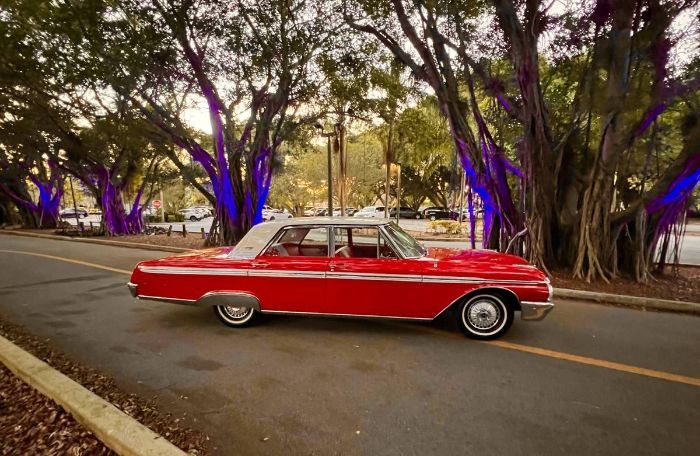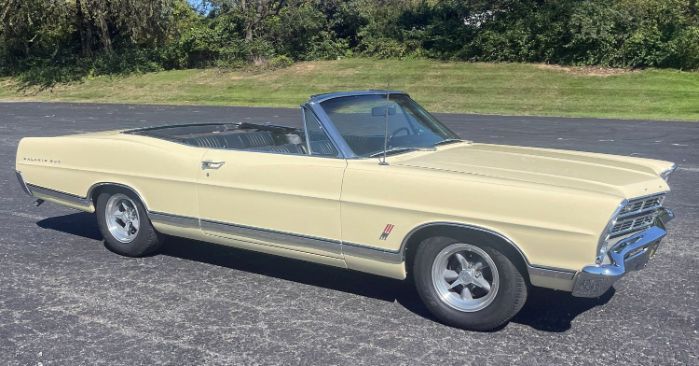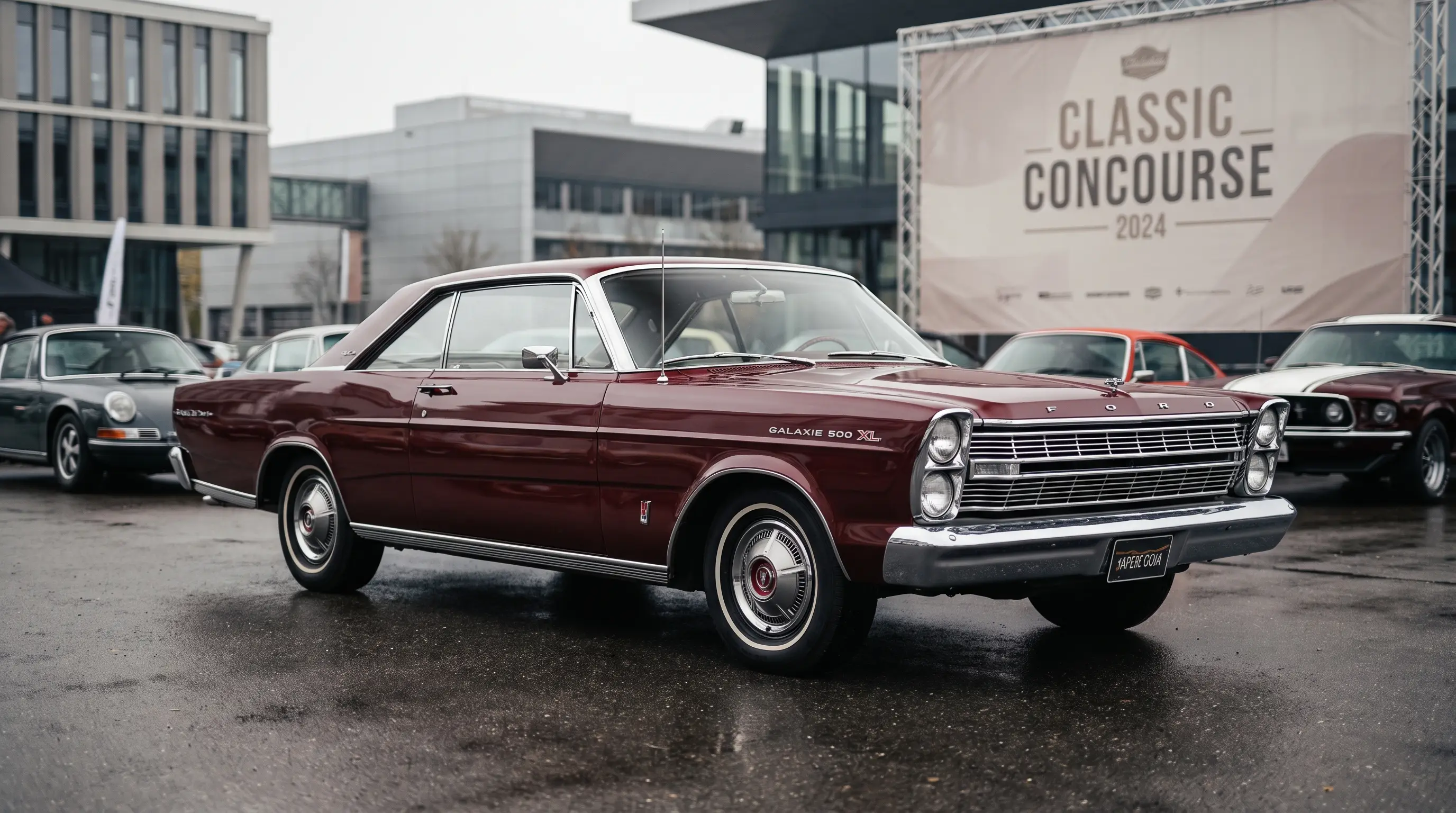
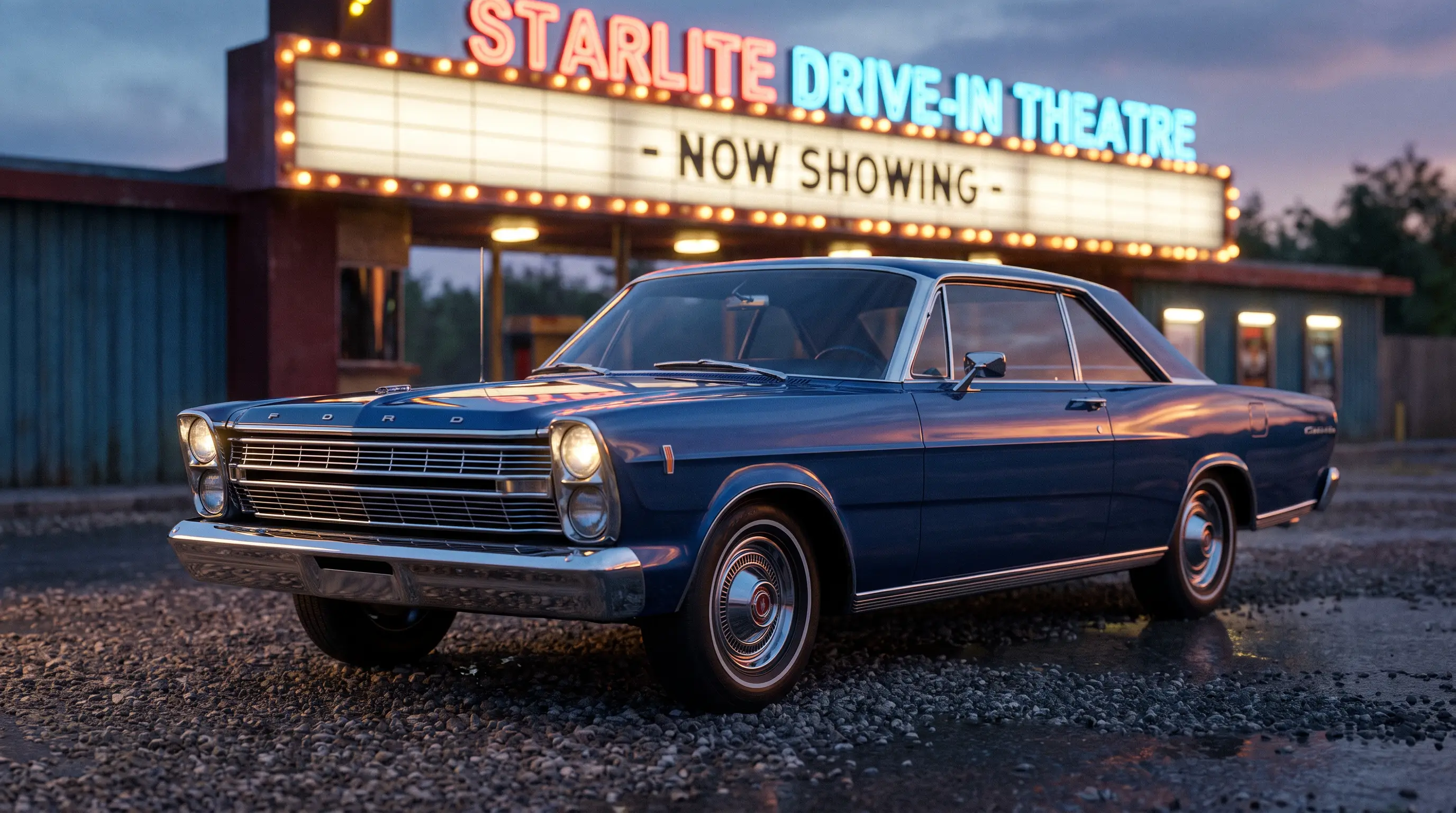
Most people who've seen a 1966 Ford Galaxie on screen never noticed it, and that's precisely the point. The Ford Galaxie 1966 in pop culture isn't a story about a single iconic hero car the way a Mustang or a Charger gets remembered. It's a story about a car so common on American roads that year that filmmakers reached for it without thinking twice, the way a set designer reaches for a lamp instead of ordering a custom fixture. That quiet ubiquity is its own kind of cultural footprint, even if it rarely gets the spotlight.
The background car that was everywhere
Full-size Fords, Galaxies included, were a default choice for municipal fleets across the country in the mid-1960s, which meant that any television show or film shooting on American streets during that period was likely to catch one parked at a curb, idling at a light, or driven by an extra without a single line of dialogue. This is why so many period films and shows from the late 1960s carry Galaxies in the background almost by accident, a byproduct of how common the car actually was rather than any deliberate casting choice. A documented 1966 Galaxie 500 turns up this way in the science-fiction series "The Invaders" (1967-1968), one of many vehicle-database entries confirming how routinely these cars filled out period street scenes without ever being the point of the shot.
Police departments across the country ran full-size Fords as patrol cars through the mid and late 1960s, and a black-and-white 1966 Galaxie with a spotlight and a rooftop bar reads instantly as period-correct law enforcement to anyone who grew up around that era's television. That visual shorthand is why prop departments and classic car rental fleets still keep a handful of these cars on hand specifically dressed as police cruisers for period productions today.
Why the Galaxie rarely got the hero role
Compare the Galaxie's screen history to something like a Mustang, which Ford deliberately positioned as an aspirational, personality-driven car from its earliest advertising, and the difference in cultural treatment makes sense. The Galaxie was the sensible, family-oriented full-size sedan, exactly the kind of car a screenwriter would put a supporting character in, not the car a director hands to a lead actor for a chase scene. Its cultural role was built into its original marketing identity: dependable, comfortable, unremarkable in the specific way that made it perfect for filling out a believable American street scene without drawing attention to itself.
Music, magazines, and the culture around the car
Beyond the screen, full-size Fords of this era show up scattered through period print advertising and music culture in smaller, more diffuse ways than a single dedicated song or album cover. Car culture magazines of the late 1960s covered the Galaxie's NASCAR success extensively, which meant the car had a real presence in enthusiast print media even without a starring role in film. That print footprint mattered more to the people actually buying cars in 1966 than any movie cameo would have, since it reached exactly the audience Ford wanted: people already paying attention to horsepower figures and racing results rather than casual moviegoers.
There's also a slower-burning cultural presence worth noting, the way the Galaxie shows up in family photographs rather than professional media. Countless snapshots from 1966 through the early 1970s show a Galaxie parked in a driveway behind a family gathered for a birthday or a graduation, the car serving as an unintentional time capsule of ordinary American life rather than a curated piece of media. Those images circulate today through estate sales, secondhand photo albums, and now digital archives, and they arguably tell a more honest story about the car's actual cultural role than any studio production ever could.
Demolition derbies and the second life of a common car
Away from film sets, the 1966 Galaxie found a different kind of cultural presence in demolition derbies and local dirt track racing through the 1970s and 1980s, a role its low resale value and abundant parts supply made almost inevitable. A car that was too common to be treated as precious got treated instead as expendable, and thousands of Galaxies met their end in derby fields rather than driveways. That fate, unglamorous as it sounds, is part of why genuinely original examples are scarcer today than raw production numbers from 1966 would suggest.
That derby culture had its own texture, its own community, and its own set of unofficial rules about which cars made good entries. Full-size Fords with their heavy frames and durable running gear were prized by derby drivers precisely for their toughness, the same qualities that made them appealing family cars a decade earlier. It's a strange kind of compliment to a car's engineering, being valued for how well it could absorb repeated impacts long after its intended service life had ended.
It's a strange kind of cultural footprint, being remembered less for appearing in a specific beloved film and more for being the car that showed up wherever an ordinary American street scene needed filling, or wherever a Saturday night derby needed an entry that nobody would miss. That's still a form of pop culture presence, just a quieter one than a poster car ever gets.
"The cars people remember from movies are rarely the cars that were actually everywhere. The Galaxie was everywhere, and that's exactly why almost nobody remembers noticing it."
- Nora Beckett
Why that background presence still matters to collectors
There's a practical upside to the Galaxie's understated pop culture role today. Cars with a heavily hyped screen history tend to carry an inflated premium that has little to do with the car itself and everything to do with a single famous scene. A 1966 Galaxie doesn't carry that kind of premium, which means buyers can evaluate one on its actual merits, condition, documentation, originality, rather than paying extra for a marketing story attached after the fact. For a car this well built and this historically significant on the racetrack, that's arguably a better position to be in than chasing a hyped movie tie-in ever would be.
Reading the full 1966 story alongside its cultural footprint
None of this background presence diminishes what the Galaxie actually was that year, a genuinely well-built, well-equipped full-size car with a serious racing pedigree sitting quietly underneath its family-friendly reputation. For the complete 1966 ford galaxie history, the model's engineering and market position tell a richer story than its screen time ever did. And if the styling questions this raises have you curious about how Ford dressed the car depending on body style, a related story covers exactly that choice in more depth.
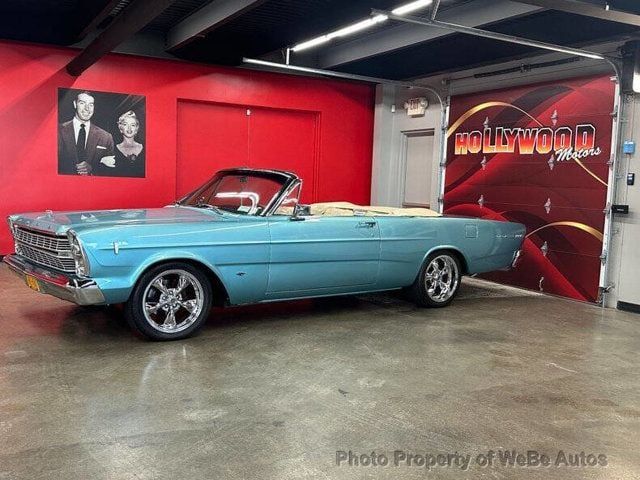
For anyone who now wants to own a piece of that quietly ever-present history rather than just watch it pass by on an old rerun, there are Galaxies for sale now worth a look, including examples still wearing the trim details that made them so recognizable in the first place.