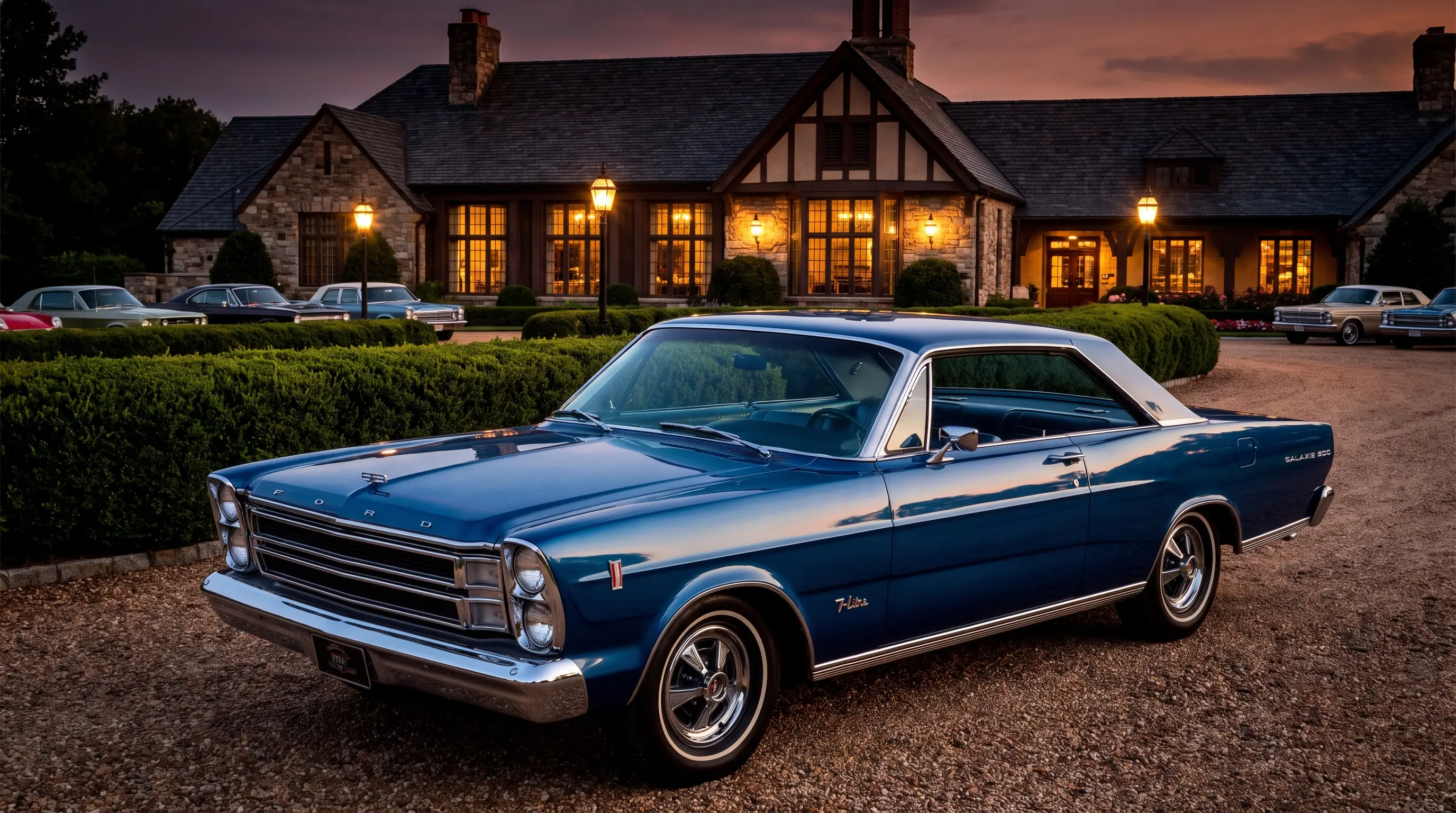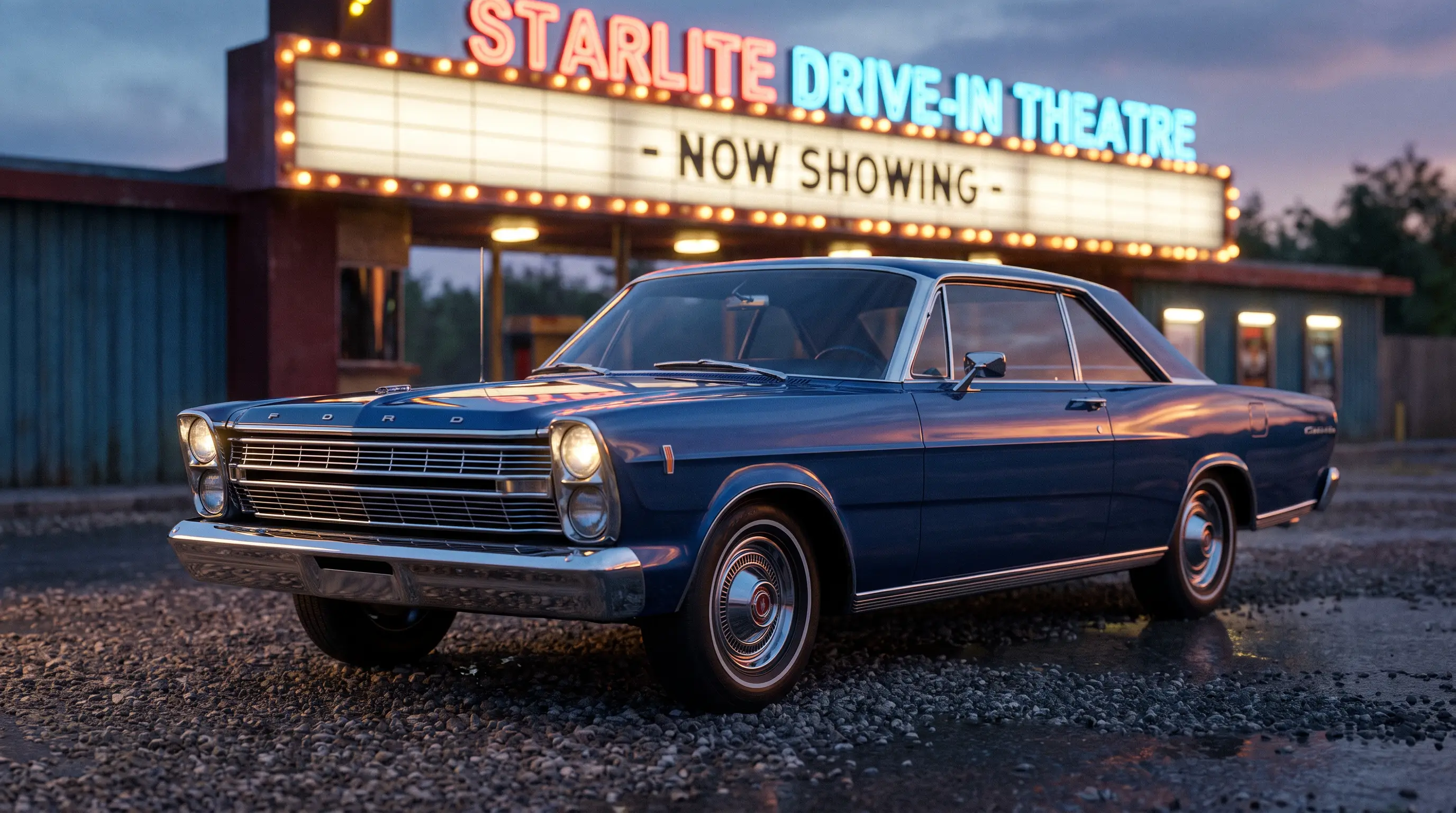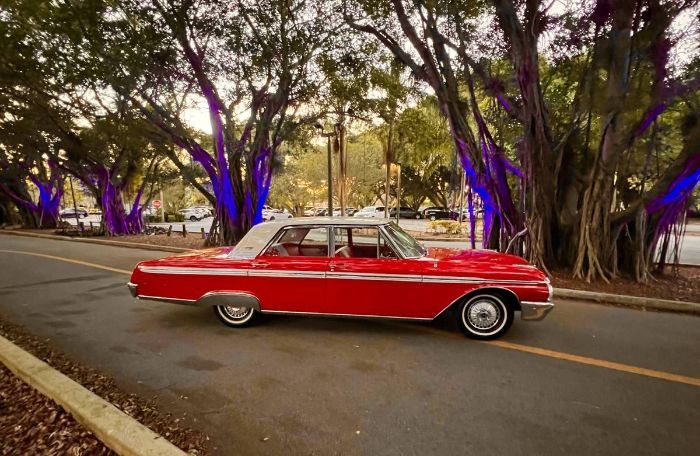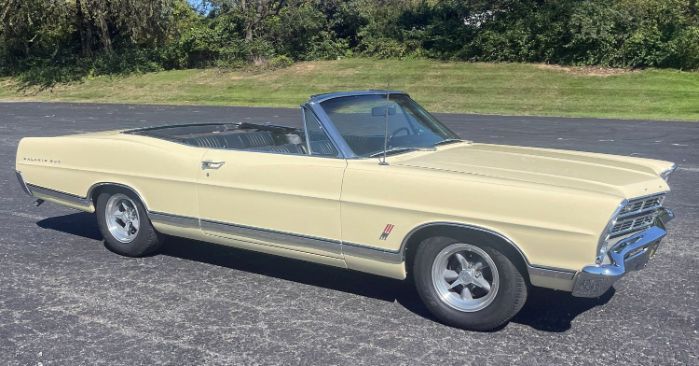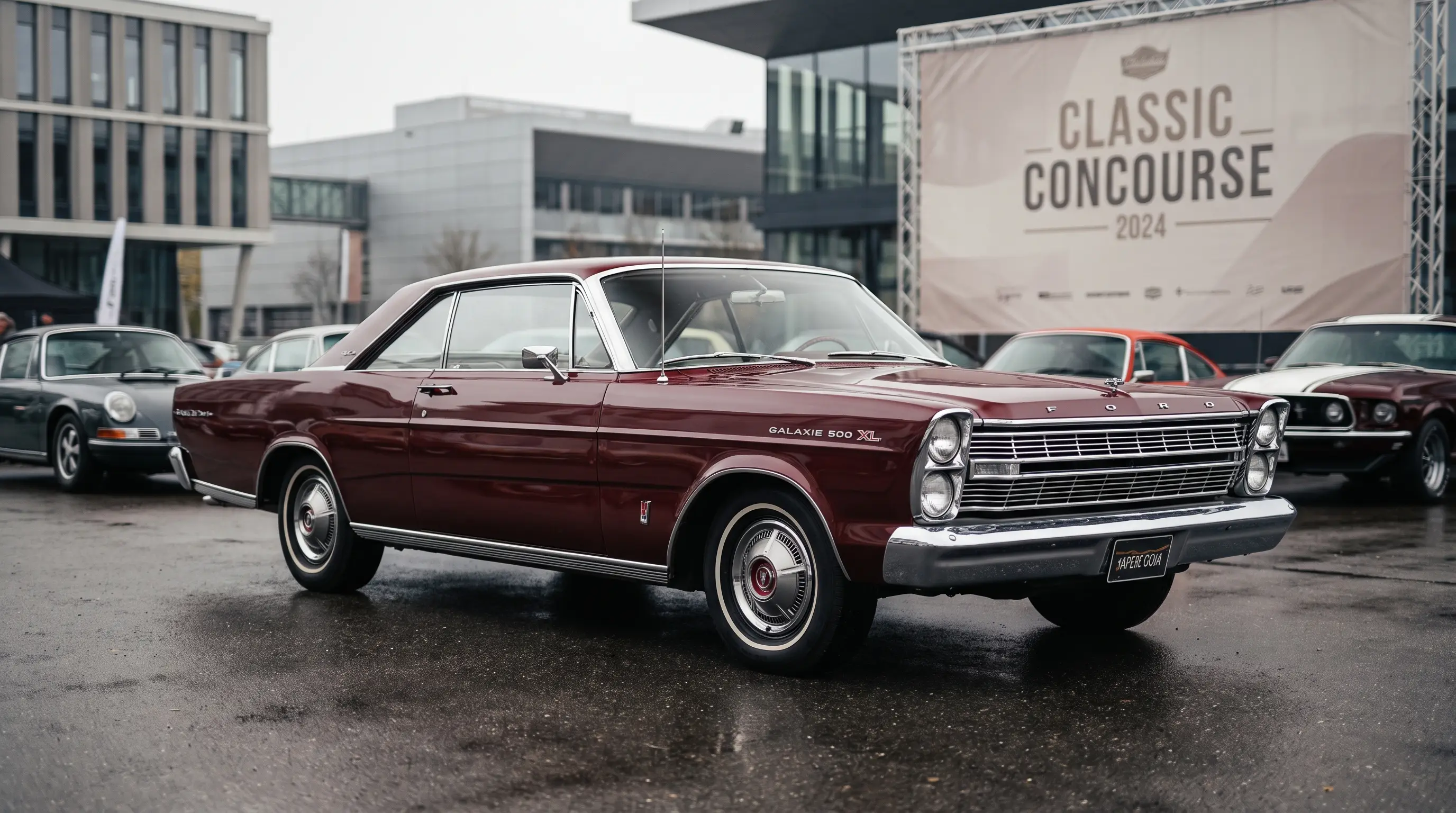
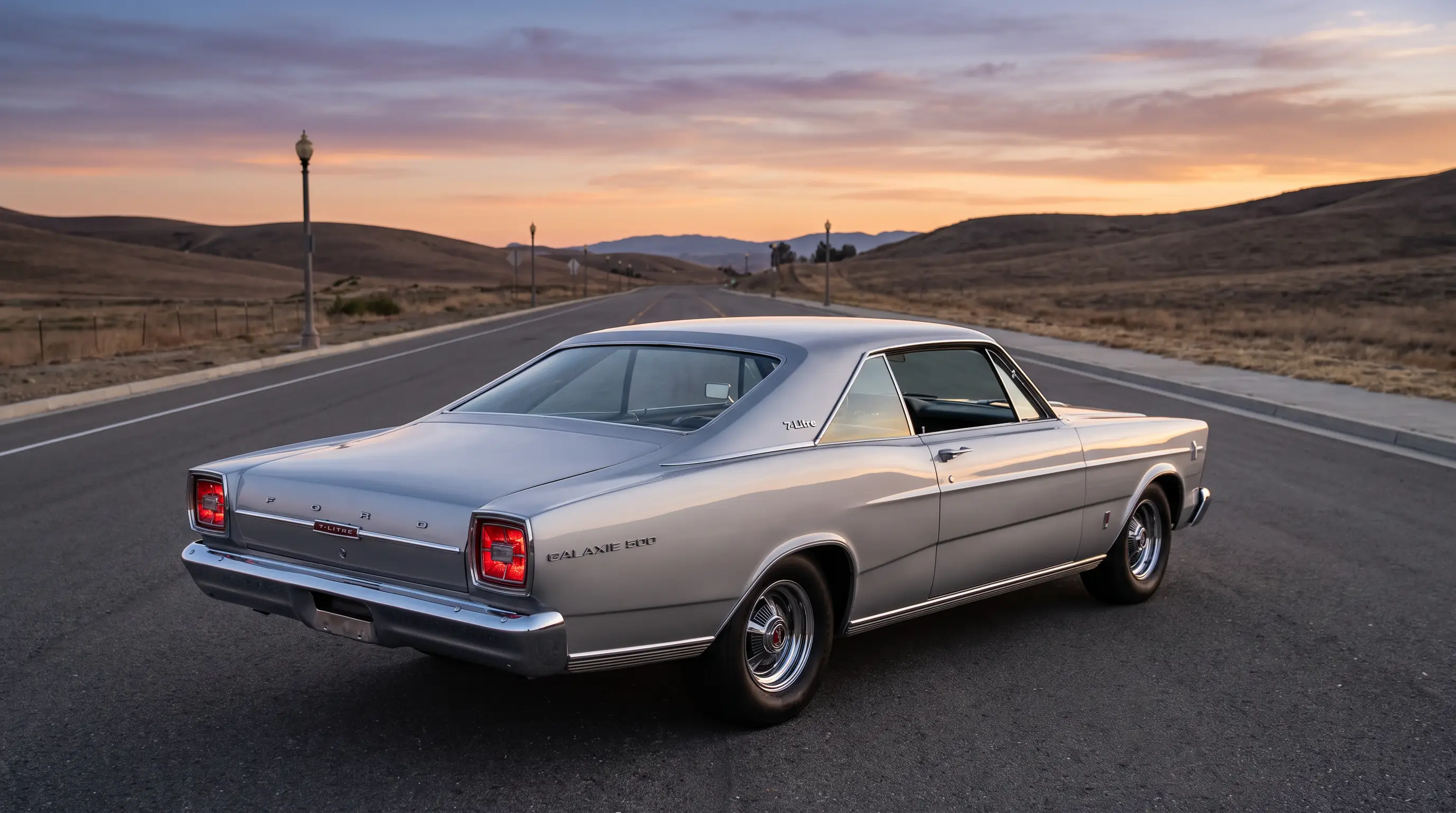
Park a fastback 1966 Galaxie next to a formal-roof version of the same car and it barely reads as the same model. The doors match, the front clip matches, but the roofline changes everything about how the car sits, how it photographs, and honestly, who it was actually built for. The Ford Galaxie 1966 fastback vs formal roof choice wasn't a minor trim option buried in an order form. It was a genuine fork in the road for anyone shopping a Galaxie coupe that year, and the two paths led to noticeably different cars.
What the formal roof was actually saying
The formal roofline kept an upright rear window and a more squared-off greenhouse, a shape that echoed the proportions of the four-door Galaxie sedan rather than departing from them. It was the safer, more traditional choice, and it read as dignified rather than sporty. A buyer choosing the formal roof coupe in 1966 was likely someone who wanted the two-door body style's slightly sleeker footprint without abandoning the visual language of a proper family sedan. Nothing about the formal roof shouted for attention. It simply looked like a well-proportioned, sensible car, which is exactly what a large portion of Ford's customer base that year actually wanted.
What the fastback was chasing
The fastback told a different story entirely. Its roofline swept back toward the trunk in a single, continuous line, borrowing visual language from Ford's more overtly performance-oriented models and signaling something closer to speed and modernity than the formal roof ever attempted. This wasn't just a styling flourish either, a fastback roofline genuinely alters a car's aerodynamics, and Ford's engineers were paying real attention to that fact given how much of the Galaxie's reputation that year rested on its NASCAR performance. A fastback Galaxie wasn't just chasing a look. In competition trim, that roofline shape had genuine functional value at speed.
| Attribute | Formal roof | Fastback |
|---|---|---|
| Rear window angle | Upright, squared greenhouse | Sloped, continuous roofline |
| Visual character | Traditional, sedan-like | Sporty, performance-adjacent |
| Aerodynamic relevance | Minimal | Meaningful at racing speeds |
| Typical buyer intent | Family-oriented coupe buyer | Style and performance-minded buyer |
Why NASCAR made the fastback more than a styling choice
Ford's competition program that year had real reasons to favor the fastback profile, since the smoother roofline reduced drag at superspeedway velocities in a way the formal roof simply couldn't match. That connection between showroom option and racetrack function is part of why the fastback Galaxie carries a slightly different collector reputation today, it's the roofline more directly tied to the car's competition history, even on cars that never came anywhere near a racetrack in period. Owning a fastback today means owning the shape that mattered on Sunday afternoons at Daytona and Atlanta, whether or not your particular car ever left the driveway. Ford never published a precise drag figure comparing the two rooflines for public consumption, but period reporting and later retrospectives on the "Total Performance" era consistently describe the fastback's sloped glass as measurably slipperier at speed than the formal roof's upright rear window, which is why the shape carried into the competition cars rather than the sedan-style roofline.
How the choice reads in the collector market today
Decades later, the fastback versus formal roof decision still shapes how a 1966 Galaxie coupe gets valued and discussed. Fastbacks tend to draw more attention from buyers specifically interested in the car's NASCAR-era connection, while formal roof cars appeal to a slightly different collector, one more focused on the Galaxie's broader identity as a well-built, comfortable full-size car rather than its racing pedigree specifically. Neither is objectively the better car to own. They're simply different answers to the question of what a 1966 Galaxie is actually for, a question that mattered as much to original buyers as it does to collectors today.
Condition and originality still matter more than roofline choice alone when it comes to actual value, but among two otherwise comparable cars, the fastback's tighter connection to the competition story often gives it a slight edge with buyers specifically chasing that angle of the Galaxie's history. Formal roof cars, meanwhile, sometimes represent better value precisely because that segment of buyers is smaller and less competitive at auction.
"The roofline tells you what a customer wanted to say about themselves in 1966. A formal roof said 'I want a nice car.' A fastback said 'I want a fast one, and I want you to notice.'"
- Nora Beckett
What the sales floor actually looked like
Standing on a Ford dealer's showroom floor in 1966, a customer wasn't asked to choose blindly between abstract concepts of formal and sporty. The two rooflines sat next to each other in the same trim families, meaning a shopper could compare an XL fastback against an XL formal roof coupe with otherwise nearly identical equipment, isolating the roofline as close to the only real variable in the decision. That side-by-side comparison likely did more to sell the fastback on visual impact alone than any brochure copy could have managed, since the difference was immediate and visible rather than something a salesperson had to describe.
Regional preferences also played a role that's easy to overlook now. Anecdotally, fastback coupes seem to have moved faster in markets with a stronger existing performance car culture, while formal roof cars held steadier in more conservative regional markets less focused on NASCAR's Sunday afternoon results. That's a pattern drawn from dealer lore and collector anecdote rather than any published regional sales breakdown, since Ford's factory records from the period don't split sales figures by roofline and region. Whether or not that pattern holds up under closer scrutiny, it reflects how differently these two rooflines could be read depending on who was doing the reading.
Living with either choice today
Practically speaking, the roofline choice affects more than looks. Rear headroom differs slightly between the two body styles, with the formal roof offering a touch more space for rear seat passengers, a detail that mattered to families cross-shopping the two options in period and still matters to anyone using a Galaxie coupe as an actual daily driver today rather than a static collector piece. The fastback trades a bit of that practicality for its sleeker line, a tradeoff that feels familiar to anyone who has ever chosen style over cargo space in a modern car purchase.
Visibility differs too, in ways that don't show up on a spec sheet but matter on the road. The formal roof's upright rear glass gives a driver a clearer, less obstructed view out the back window, useful for parking and lane changes alike, while the fastback's shallower rear glass angle trades some of that visibility for its lower, sportier profile. Neither compromise is severe by modern standards, but it's a real, felt difference between the two cars once you're actually driving one rather than just looking at photographs of it.
For the fuller picture of how this roofline decision fit into the rest of the 1966 model year, the whole picture covers the complete lineup these two coupe variants were part of. And whether your preference lands with the formal roof's quiet dignity or the fastback's sportier line, it's worth taking the time to find a classic Galaxie in the body style that actually speaks to you.