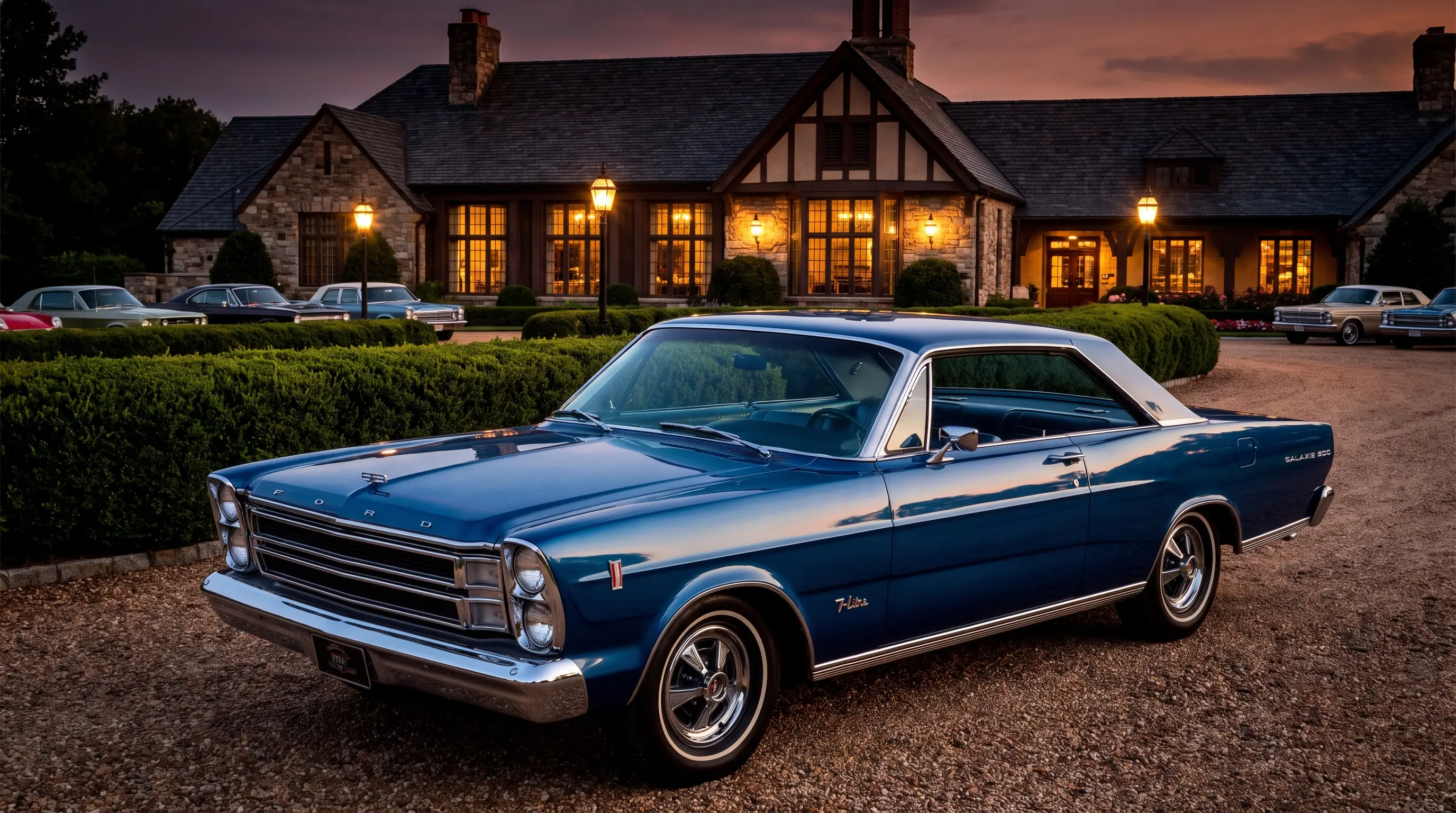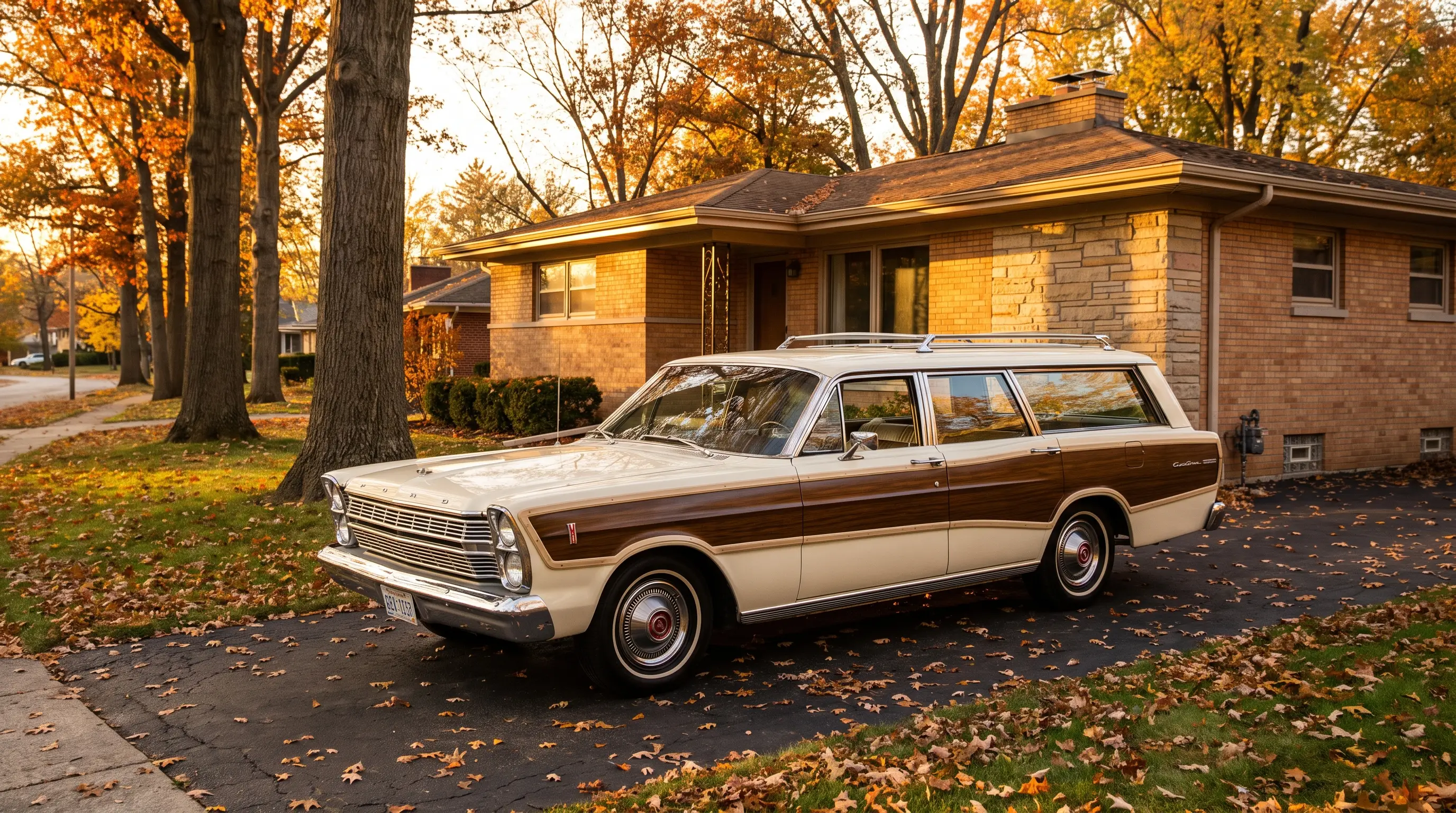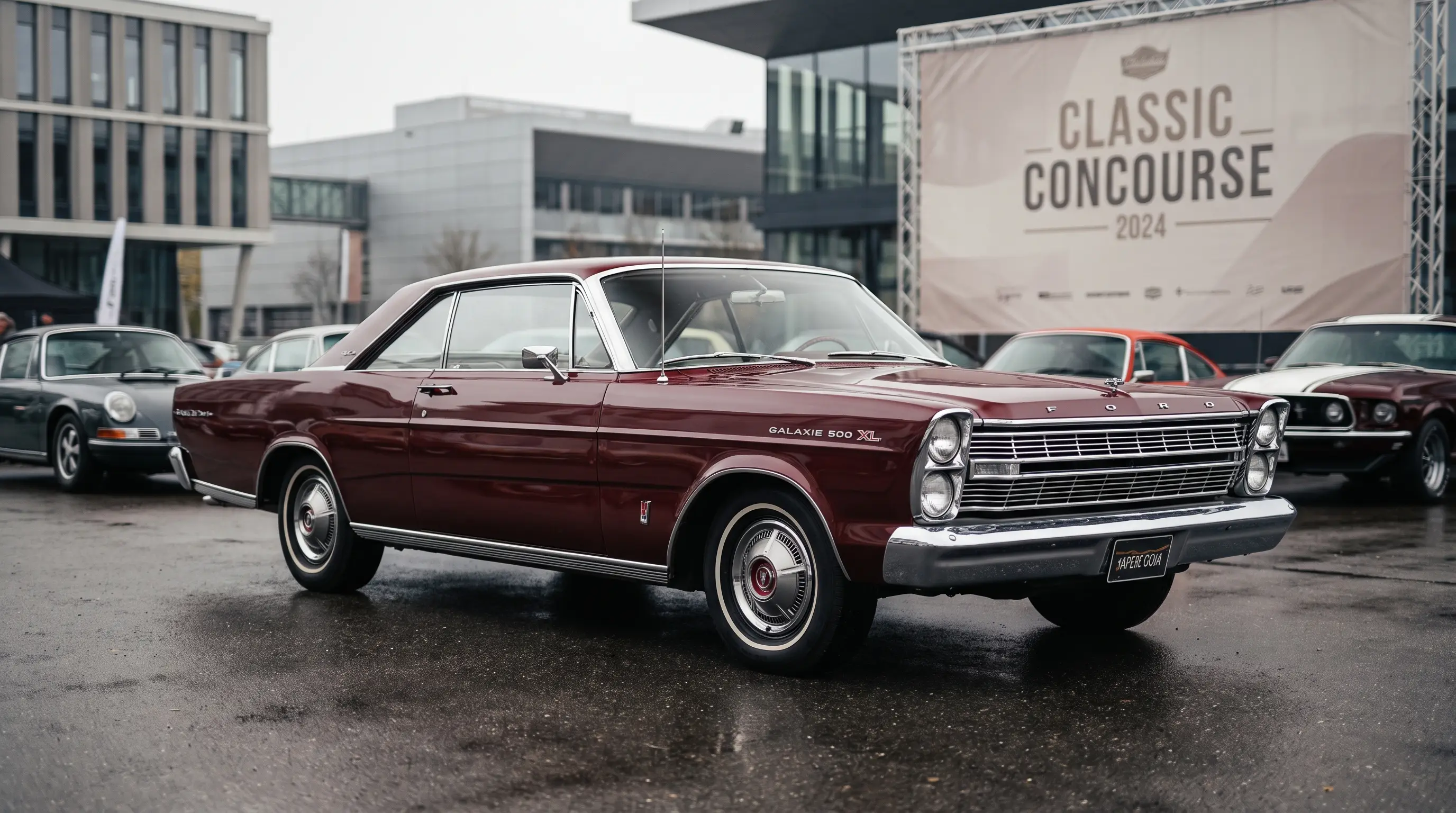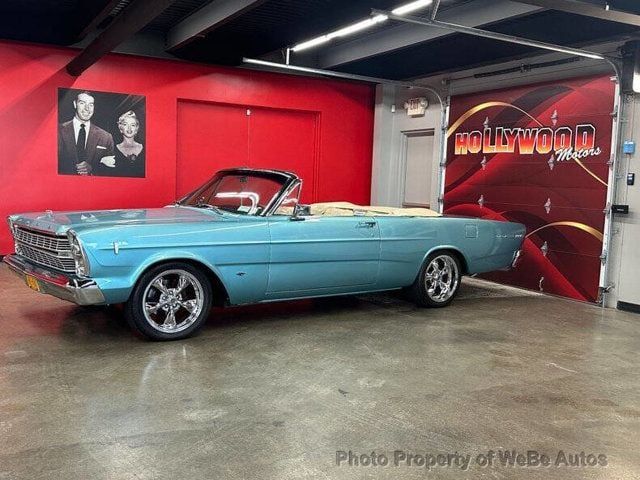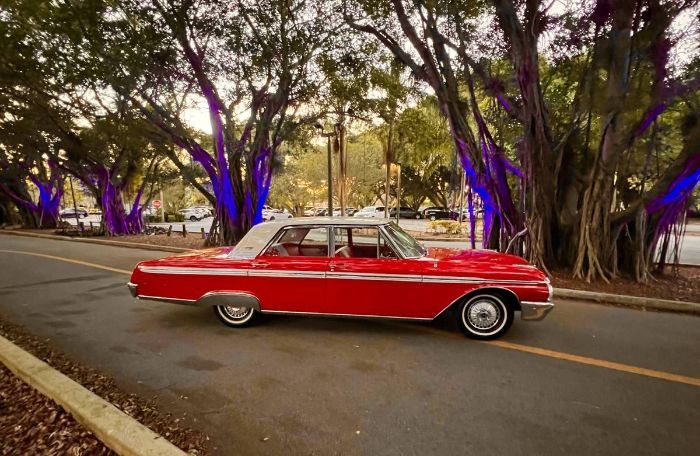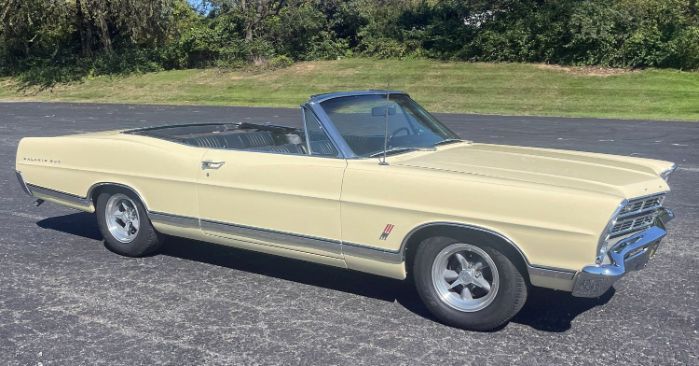
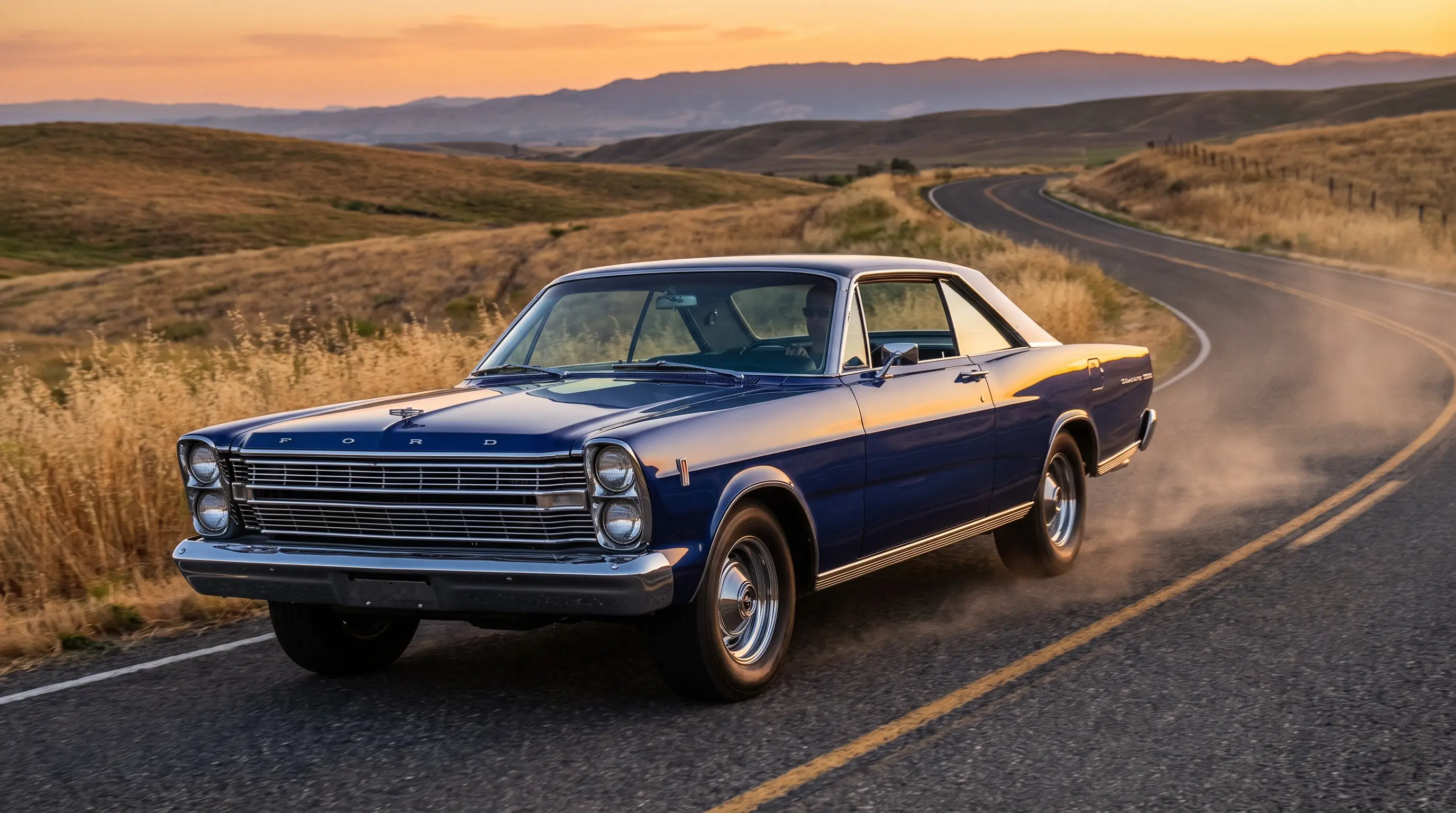
The Ford Galaxie 1966 collectibility narrative doesn't fit the usual muscle car script, and that's exactly why it's worth analyzing separately from its more famous contemporaries. This isn't a GTO or a Chevelle SS story of steep, headline-grabbing price runs. It's a slower, steadier value curve built around a big-block grand tourer that never had the tribal fan base those cars enjoyed, and understanding that difference is the whole key to buying one at a sensible price today. Get the read right, and the Galaxie looks less like a niche curiosity and more like one of the last genuinely underpriced corners of 1960s Detroit performance.
Where the Galaxie actually sits against its muscle car peers
Auction data for 1966 Galaxies, across 427 cars, 7-Litre flagships, and well-optioned Galaxie 500s, consistently shows a value tier below the era's dedicated muscle car nameplates despite comparable or superior straight-line performance in period. That gap isn't a mystery once you account for market psychology rather than raw specification sheets. Buyers pay a premium for a name with a defined identity, GTO, Chevelle, Mustang, and the Galaxie's identity was always broader and less singular: family car, NASCAR winner, flagship coupe, all at once, which makes it harder for the collector market to price with the same certainty. Current valuation guides put well-documented 427 and 7-Litre convertibles in the low-to-mid six-figure range at the top end, with hardtops and less exotic Galaxie 500s trading well below that, a spread that consistently sits under comparable-performance muscle car nameplates from the same period. Exact figures move with the market, so treat any specific number as a snapshot rather than a fixed price, and check current auction results before relying on it.
| Configuration | Relative market position | Key value driver |
|---|---|---|
| Base Galaxie sedan | Entry-level collectibility | Condition, originality |
| Galaxie 500 XL coupe | Mid-tier | Documented options, bucket seat interior |
| 7-Litre hardtop/convertible | Upper mid-tier | Rarity, factory documentation |
| 427-equipped Galaxie | Highest within the range | NASCAR connection, matching numbers |
Why the undervaluation is, for now, an opportunity
A car with a genuine NASCAR-winning engine, real competition history, and full-size comfort priced below its muscle car peers is not a red flag, it's a market inefficiency, and inefficiencies like this eventually correct as more buyers do the research to notice them. The Galaxie's story has all the ingredients collectors eventually chase: factory racing pedigree, distinctive styling, and a genuinely well-engineered platform. What it's lacked historically is enough buyers paying attention to that story specifically rather than defaulting to more famous nameplates. That gap is narrowing, not widening, as more information about the car's actual history circulates.
How condition and documentation move the number
Condition grading in this segment behaves the way it does across most collector car categories, a car in genuinely original, well-preserved condition commands a real premium over a comparable restored example, and a restored example with sloppy or incomplete work sits below both. What's different about the Galaxie specifically is how heavily documentation weighs against those condition tiers. A rougher, original, fully documented 427 car can outprice a beautifully restored but undocumented one, because the paperwork answers a question a fresh repaint never can: is this actually what it claims to be. That dynamic rewards patient buyers willing to prioritize paper trail over showroom shine, and it's a genuinely different calculation than shopping a more commoditized muscle car market where a good repaint alone can carry most of the value.
Regional variation matters here too. Sun Belt cars with less rust exposure tend to carry a premium over structurally sound but cosmetically rougher Rust Belt survivors, a pattern that holds across most full-size classics from this era but that buyers specifically shopping the Galaxie market sometimes underweight relative to how much attention they pay to engine and trim documentation. Both matter. A perfectly documented car with serious structural rust repair needed is not the bargain its paperwork alone might suggest.
My actual buy/no-buy read
Buy, with conditions. A documented, matching-numbers 427 or 7-Litre with clean paperwork is a genuinely sound purchase at current market levels, offering more car and more history per dollar than an equivalent-condition muscle car nameplate would command. What I wouldn't buy is an undocumented "tribute" or clone car at anywhere near the price of a genuine example, since the Galaxie market's current pricing structure rewards verified history disproportionately relative to how it treats a merely convincing recreation. The gap between a documented car and an undocumented one is wider here than in more heavily commoditized muscle car markets, precisely because so much of the Galaxie's value proposition rests on its factual history rather than its badge alone.
"I'd rather own a documented 427 Galaxie at today's prices than a GTO at its. The Galaxie has the harder-to-fake history and the softer price, and that combination doesn't stay this favorable forever."
- David Mercer
What would actually move this market
Three things typically move an undervalued collector car segment: a generational shift in buying power toward people who grew up hearing this specific car's story, increased media and content coverage that puts the racing history in front of new audiences, and a handful of high-profile auction results that reset public price expectations upward. The Galaxie has some of the first ingredient already in motion, and coverage of its NASCAR history has genuinely expanded in recent years. What it's been missing is that third piece, the headline auction result that forces a wider market recalibration. When that happens, and I think it will, current buyers will have gotten in ahead of it.
Timing a collector car market precisely is a fool's errand, and I won't pretend otherwise, but the fundamentals here, real racing pedigree, genuine engineering merit, and a price gap versus comparable performance nameplates, line up in the buyer's favor more than they have in most segments I track. That's not a guarantee, it's a read, and reads can be wrong. But it's the honest one.
One more caution worth stating plainly, since I get asked about it often: buying purely on the expectation of a future market correction is a weaker strategy than buying because you actually want to own and drive the car. Markets can stay undervalued longer than any individual buyer's patience holds out, and a Galaxie bought purely as a speculative flip carries real carrying costs, storage, insurance, maintenance, that eat into any eventual gain. Buy it because the car itself, the history, and the price all line up for you today. Any future appreciation is a bonus on top of that, not the reason to buy in the first place.
For the fuller context behind these numbers, more on the 1966 ford galaxie covers the model year's full lineup and history in depth, and our complete history of the Galaxie nameplate traces how this value gap developed across the model's entire production run. If the analysis here has you thinking about actually buying rather than just reading about the opportunity, there are classic Galaxies on the market worth comparing against the documentation standard laid out above before you commit.
Sources and notes
- 1966 Ford Galaxie 500 - Hagerty Valuation Tools
- Auction Results and Sales Data for 1966 Ford Galaxie - Conceptcarz
- 1966 Ford Galaxie Market - Classic.com
- 1966 Ford Galaxie Classic Cars for Sale - Classics on Autotrader
- What's This 1964 Galaxie 427 Convertible Worth? - Barn Finds
- Ford Galaxie - Wikipedia