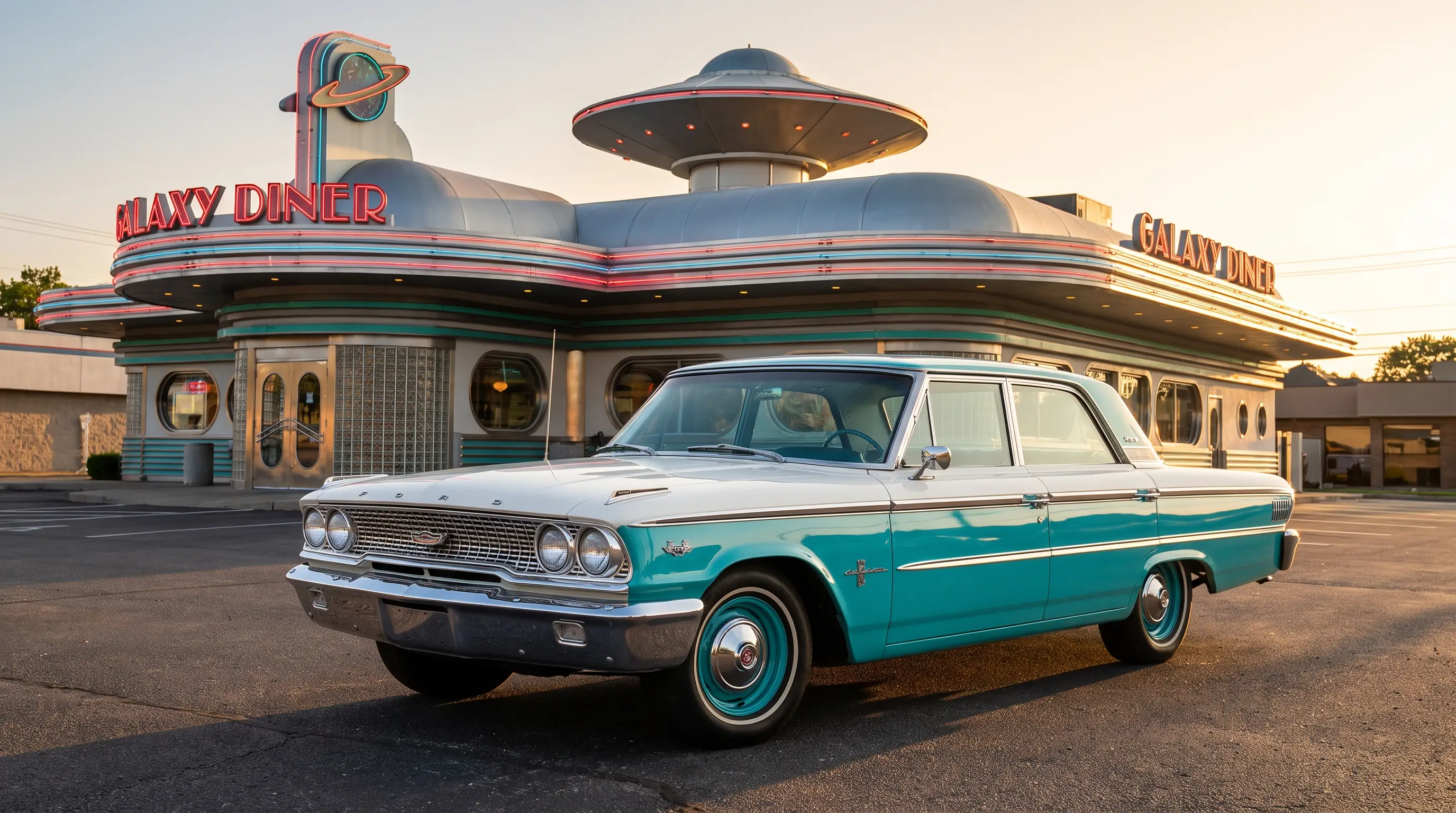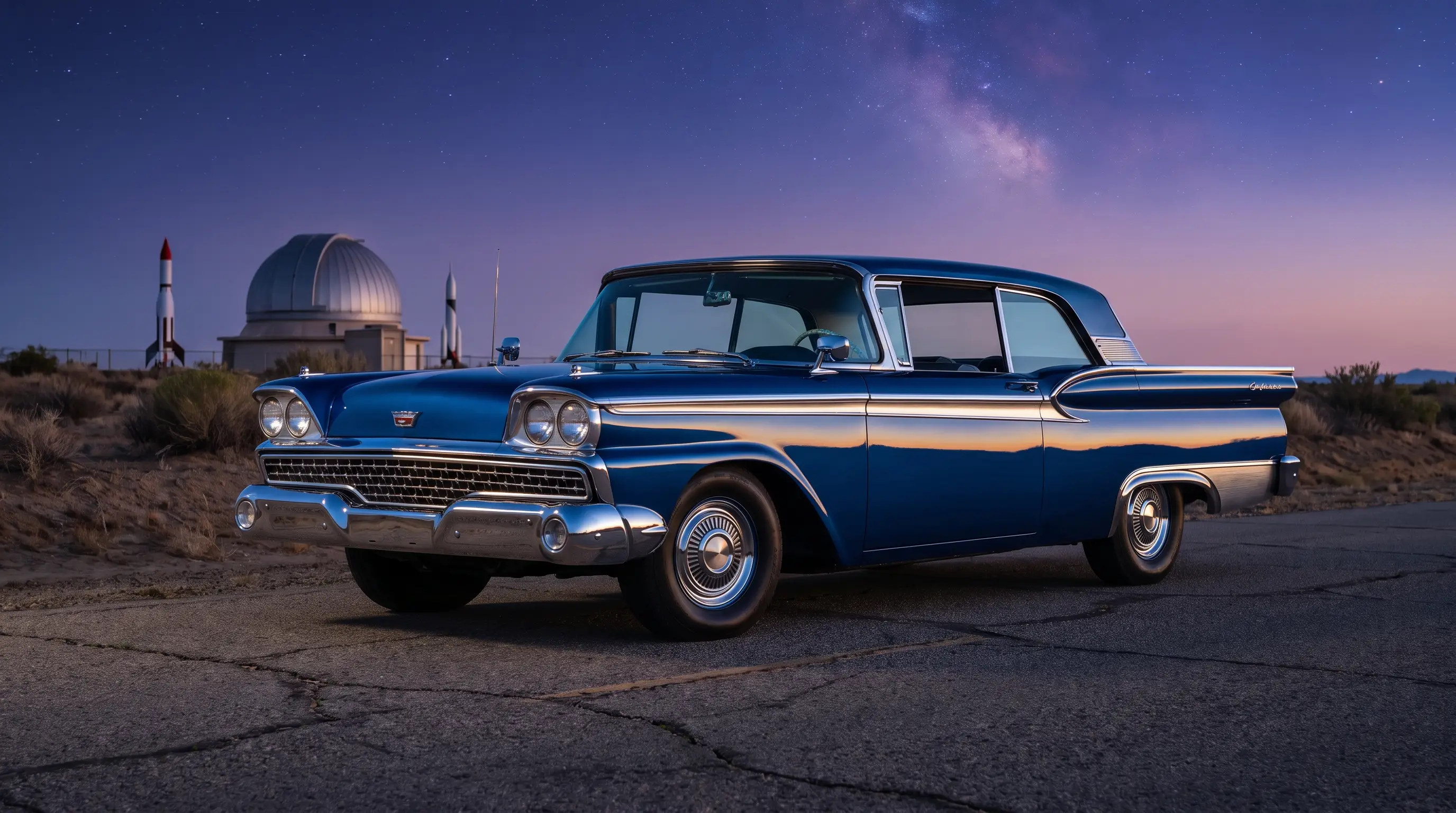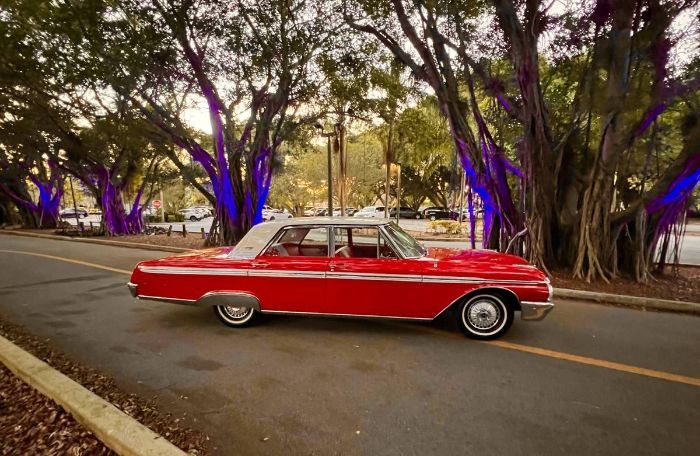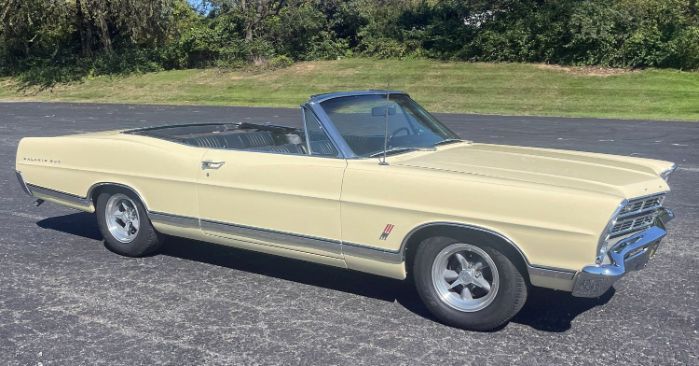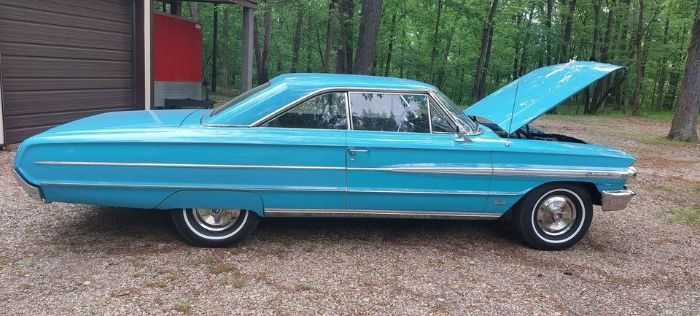
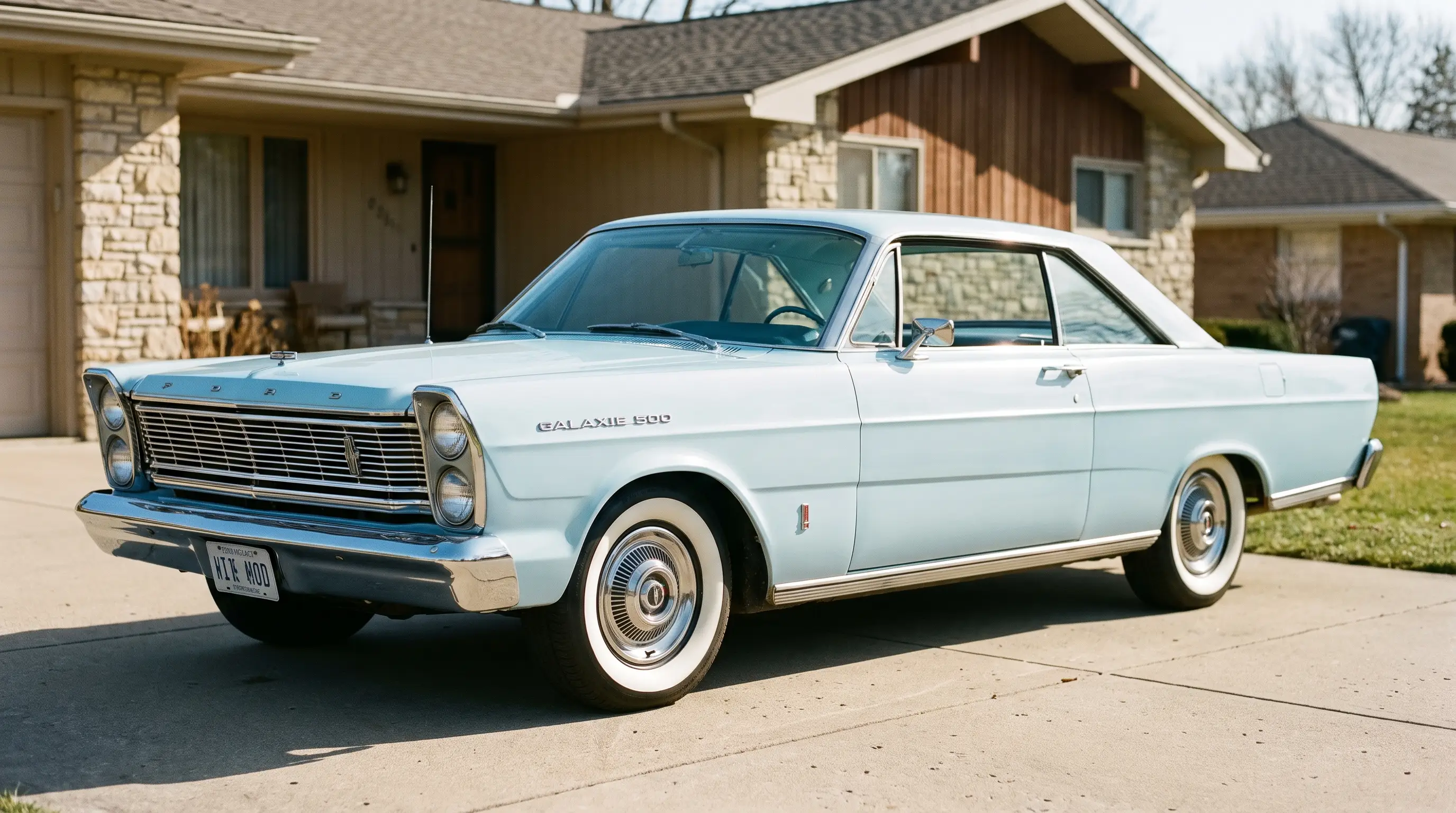
The ford galaxie 500 collectibility narrative that keeps coming up in my inbox is simple: buyers want a real 1960s Ford, they do not want to compete with Mustang and Camaro money, and they keep asking whether the Galaxie 500 is the answer. Short version, yes, with conditions. Long version follows, with numbers instead of adjectives, because that is the only way to actually answer the question.
Where the Galaxie 500 sits on the price ladder
Full-size Fords from the 1960s have never commanded muscle-car premiums, and that is exactly the point. A Mustang fastback or a 442 in comparable condition routinely clears numbers that a Galaxie 500 four-door will never touch, and even the two-door hardtops trail the pony-car segment by a wide margin. That gap is not a flaw in the car. It is the entire reason the Galaxie 500 functions as a sensible entry point for someone who wants period-correct Detroit iron without financing it like a muscle car.
Per Hagerty's valuation guide, excellent-condition Galaxie 500s generally run from around $11,500 to $20,000, good-condition cars sit roughly between $8,500 and $11,500, and fair-condition cars can be found from around $1,000 up to that $8,500 mark, with well-documented XL and 7-Litre variants pushing toward the top of that range and plain sedans settling lower. Six-cylinder sedans, the cars Ford actually sold in the highest volume, sit at the bottom of that range and sometimes struggle to find buyers at all outside enthusiast-heavy regions. That spread matters more than any single headline sale, because it tells you where the real market floor and ceiling are, not just where the outliers landed.
What actually moves the number
Three things separate a Galaxie 500 that sells fast from one that sits on a lot. Engine and drivetrain matching first, since a documented factory V8 with the correct transmission code brings a real premium over a car that has been re-powered or has an unverifiable drivetrain. Body style second, because two-door hardtops and convertibles outsell four-door sedans by a wide margin regardless of trim level, purely on curb appeal and usability for a weekend car. Documentation third, and this is the one buyers underweight until they are trying to resell. A build sheet, a Marti Report where available, or even a clean chain of factory-adjacent ownership paperwork changes what a car is worth to the next buyer, not just to the current one.
| Condition tier | What it typically means | Rough market position |
|---|---|---|
| Show-quality, documented | Correct drivetrain, verified history, concours-level finish | Top of the Galaxie 500 range, still under most muscle-car comps |
| Solid driver | Runs and drives well, minor cosmetic flaws, unclear or partial paperwork | Middle of the range, the most common transaction tier |
| Project or parts car | Needs mechanical or body work, incomplete history | Low entry cost, real risk of the budget doubling before it is done |
None of that changes the fact that the Galaxie 500 is, and probably always will be, a value play relative to its flashier siblings. Buyers chasing a return on a specific dollar amount in five years should look elsewhere. Buyers who want a genuine period Ford they can drive to a cruise-in without a six-figure insurance rider are looking at exactly the right car.
The case for buying now
Every collector-car segment eventually gets discovered, and full-size 1960s Fords have been quietly appreciating as buyers priced out of Mustangs and Camaros look for an alternative that still delivers period style, real V8 power in the right configuration, and parts support that has not dried up. The Galaxie 500 benefits from that overflow demand without yet carrying the overflow pricing. My actual opinion, not a hedge: buy a documented V8 hardtop now if the price is fair, because the gap between this car and its more famous relatives is more likely to narrow than widen over the next several years as more buyers get squeezed out of the top of the market. That view is a read on direction, not a promised percentage, since published multi-year trend data specific to the Galaxie 500 is thinner than it is for Mustang and Camaro comps.
What to avoid
The narrative falls apart fast on the wrong car. Six-cylinder sedans with no documentation, heavy rust in structural areas, or a history of amateur modifications are not a bargain, they are a hole to pour money into with no resale ceiling waiting at the end of it. The Galaxie 500's low buy-in price only works as a strategy when the car underneath it is sound. A cheap project with an unknown engine and a rusted frame is not an entry-level classic, it is a full restoration wearing an entry-level price tag, and the math on that almost never works out in the buyer's favor.
Structural rust deserves special weight in that math because full-size Ford unibody-adjacent frame and floor sections are expensive to source correctly and even more expensive to have repaired by a shop that actually knows the platform. A seller who says "just needs a little floor work" is describing a job that can run into real money once a car is up on a lift and the full extent of the corrosion is visible. Buyers should budget for the worst case they can see, then add a margin for what they cannot, because rust hides under carpet, under vinyl trim, and inside rocker panels where a flashlight and a magnet only tell part of the story.
Modified cars carry a separate risk that has nothing to do with mechanical soundness. A Galaxie 500 with a swapped engine, non-factory wheels, or a repainted color outside the original palette can still be a perfectly good driver, but it stops being a documentation play the moment the drivetrain no longer matches the build sheet. That is fine if the buyer's goal is simply a fun period-look cruiser at a lower price. It is a mistake if the buyer is telling themselves a collectibility story that the car's own history no longer supports. Knowing which category a given car falls into before money changes hands is the single cheapest piece of due diligence available, and it is the one corner buyers cut most often when a seller is charming and the price feels urgent.
"People ask me if the Galaxie 500 is a good investment, and I tell them to stop asking that question about a car they actually want to drive. It is a fairly priced, honestly built piece of 1960s Detroit history. If the number goes up over time, good. If it does not, you still got a real classic for a fraction of what the famous names cost."
- David Mercer
Anyone weighing this decision should start with the full context rather than a price alone. The car's design history and production story shape which years and trims actually carry the documentation premium described above, and readers who have not yet done that homework should read the background before shopping. Once the history and the numbers line up, the next step is straightforward: go look at real cars. A current lot of browse classic Galaxie listings will tell you more in an afternoon than any market report, mine included, because condition and documentation are things you verify in person, not on a spreadsheet.