
For more than a decade, a new Model T left the dealer in black. When the Model A arrived on December 2, 1927, that rule was gone. Ford model A colors came in four standard shades at launch, and over the next four seasons the palette grew into dozens of named body colors, each with its own stripe and its own place in the calendar. For anyone restoring or judging one of these cars, the paint is not decoration. It is evidence of when and how the car was built.
Car Features
7 min read
Ford Model A Colors: The Original Paint Palette
From four launch colors to dozens of named shades: how the Model A paint palette changed from 1928 to 1931 and how restorers get it right.
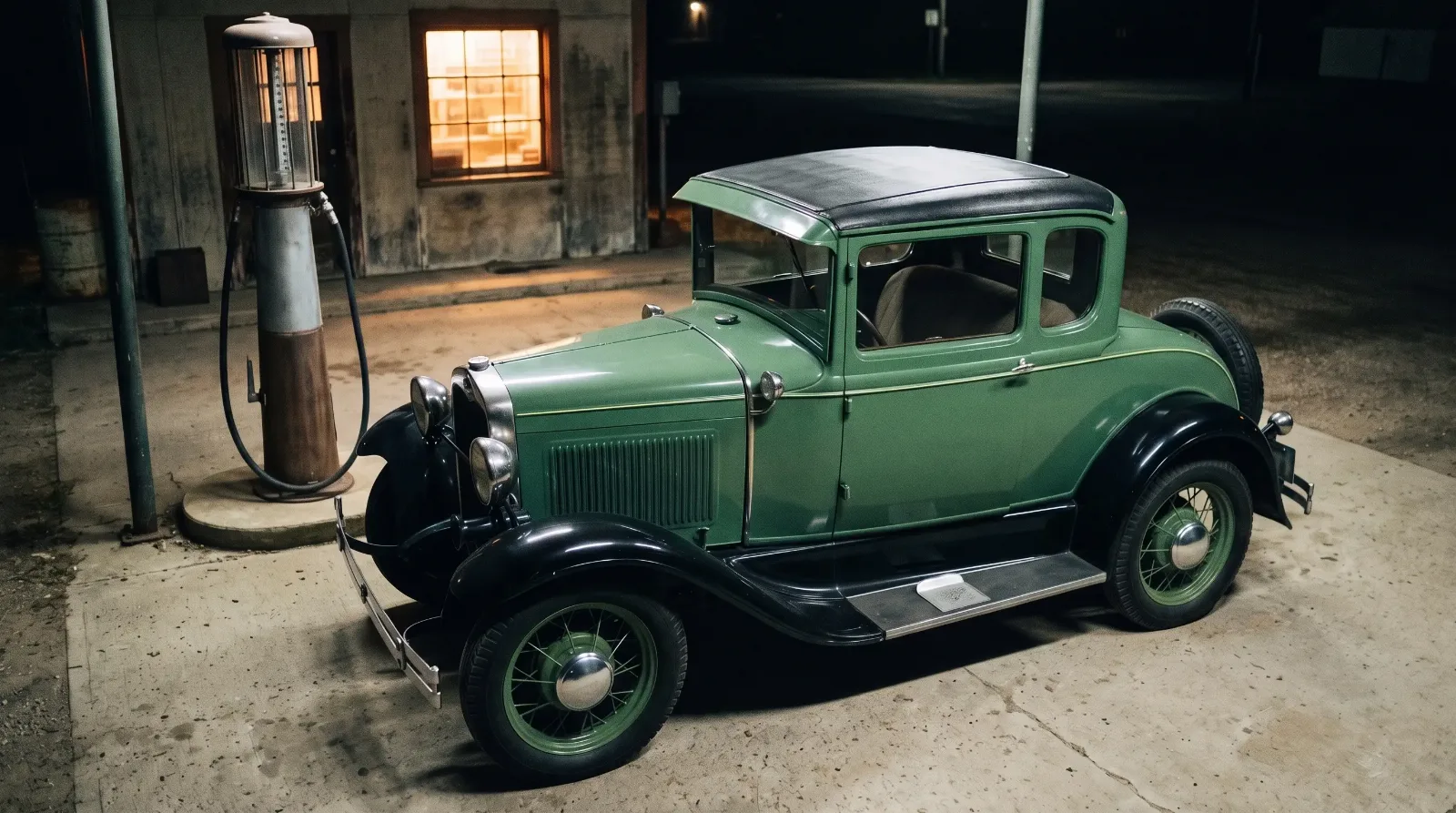
This piece looks only at the paint: what the factory offered, how the names changed from 1928 to 1931, and how the hobby keeps track of it today. For the wider run of the car itself, from the changeover to the final 1931 bodies, there is more on that here.
From one black to four colors
The Model T had gone black only around 1914, and the black era ran to about 1925. Before it, Ts came in gray, green, blue and red. After it, the closed cars of 1926 and 1927 picked up Fawn Gray, Royal Maroon and Highland Green, still on black fenders. So color was not new to Ford in 1927. What was new was that the Model A was planned around it from the start.
Ford launched the car in four standard colors. That number is well documented. Which four, in the first weeks of production, is a narrower question, and the sources consulted here do not name them with confidence. Any restorer claiming a "launch color" for a December 1927 car should be able to show where that claim comes from.
The contrast with the T mattered to buyers. A Model A buyer in 1928 could choose a car that looked different from the one next door. Ford had lost first place in sales to Chevrolet in 1927, and paint was one of the cheaper ways to look new again.
The 1928 and 1929 palette
The Model A Ford Club of America (MAFCA) keeps a paint chart that lists the colors year by year, with body, molding, reveal and stripe colors in separate columns, and it is the reference most judges reach for. The early names have a period flavor that is hard to improve on. The 1928 body colors include Arabian Sand, Niagara Blue in light and dark versions, Dawn Gray, Gunmetal Blue, Rose Beige and Copra Drab, while Valley Green turns up as a molding color.
Some of these colors had short lives and some long ones. Rose Beige is listed for 1928 and 1929. Andalusite Blue ran from 1928 into 1930. That overlap is one reason a single color is never enough to date a car: a blue Model A could belong to any of three seasons, and the body style and trim details have to agree before the paint does.
The chart is also read by body style, not only by year: MAFCA groups it into convertibles and cabriolets, coupes, Fordor sedans, and phaetons and roadsters. A restorer who picks a color from a photograph of a different body type, or a different season, can end up with a combination the factory never painted.
| Color | Years listed | Refinish code reference (DuPont / PPG) |
|---|---|---|
| Gunmetal Blue | 1928 | DS151 / 436 |
| Arabian Sand Light | 1928 | G8883 / 432 |
| Andalusite Blue | 1928 to 1930 | G8592 / 121 |
| Rose Beige | 1928 to 1929 | DS086 / 119 |
| Copra Drab | 1928, 1930 to 1931 | DS094 / 440 |
These codes let a modern paint shop mix a close match. They are a starting point, not a guarantee. Pigments, binders and the way a sample has aged all change what the eye sees, and judges compare to documented originals, not to a code on a can.
Ford model A colors after the 1930 restyle
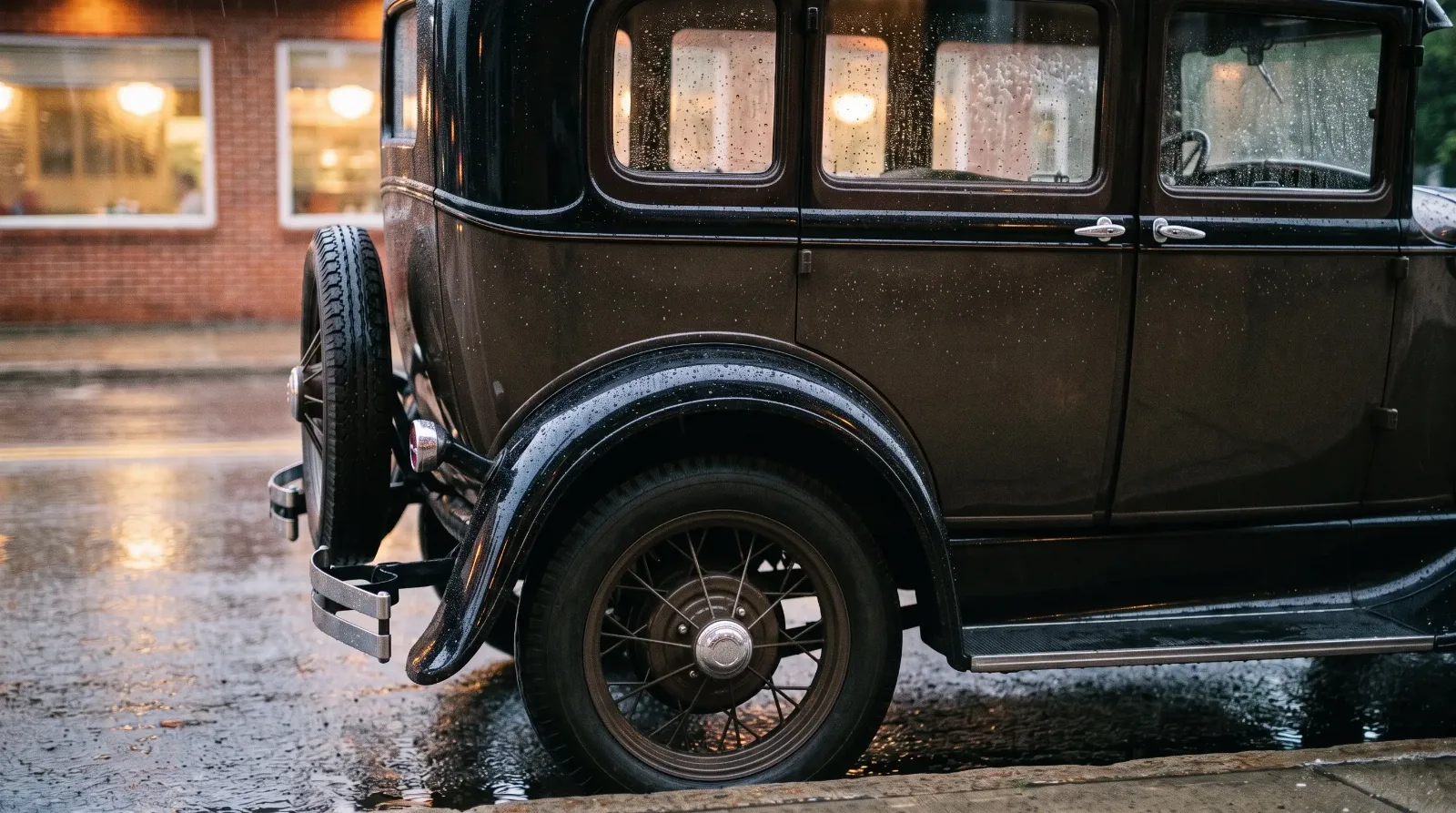
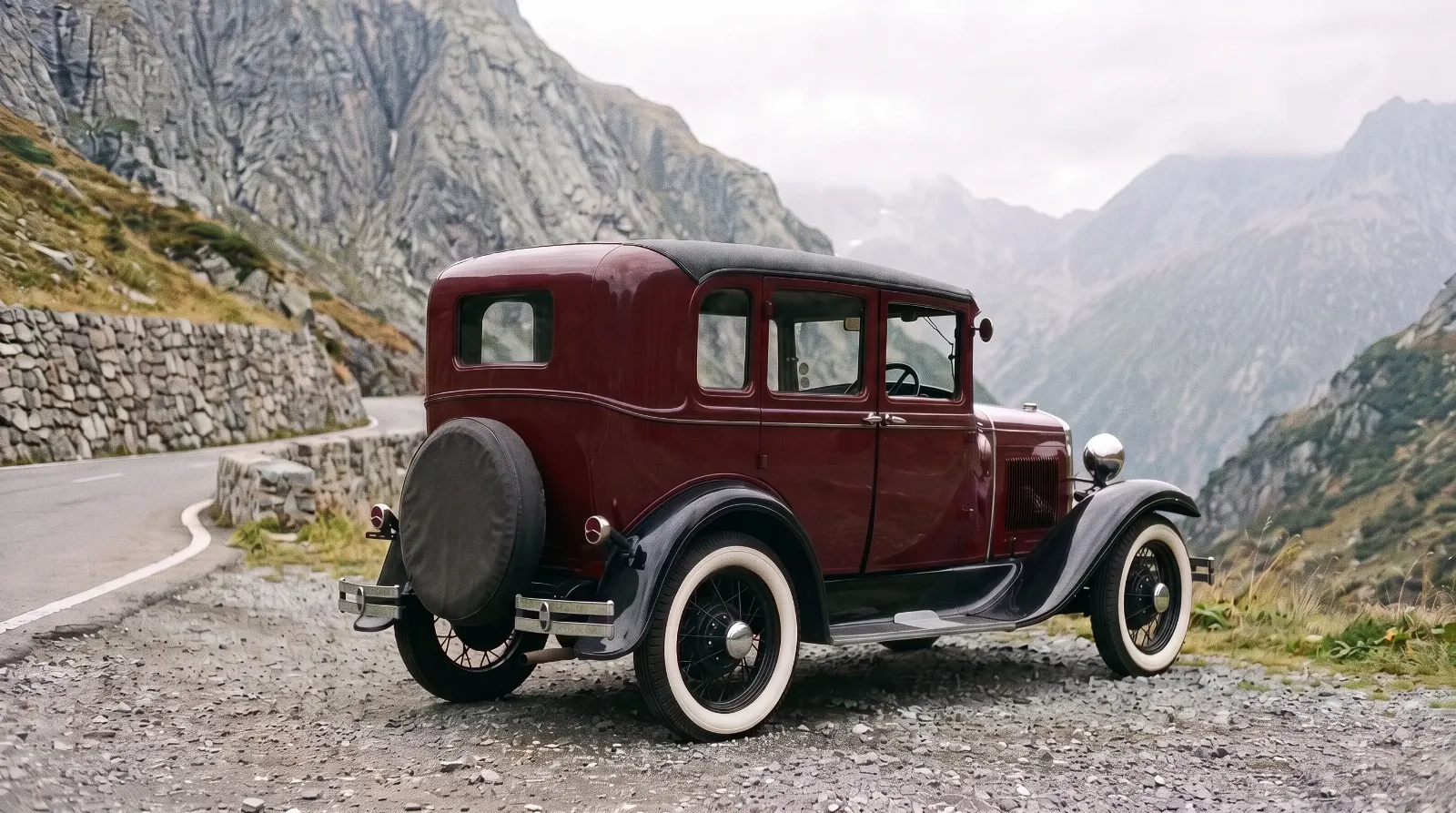
The 1930 restyle gave the car a taller hood and radiator, a stainless radiator shell and smaller 19 inch wheels. The palette changed with it. The MAFCA chart adds, for 1930 and 1931, body colors such as Brewster Green, Washington Blue, Lombard Blue, Kewanee Green, Thorne Brown and Ford Maroon, with Black also listed. Aurora Red appears as a stripe on 1930 cars, and Tampa Red as a trim color on the 1931 Convertible Sedan.
The shift in tone is worth noting. The early cars leaned toward sands, grays, drabs and blues. The later list brings in deeper greens, browns and maroon, with bright red kept mostly for stripes, which suited the lower look of the restyled bodies. It also arrived as Ford was selling into a much harder market. By 1930 and 1931 buyers were scarce, and the company was working through the Depression years with every tool it had, color included.
The stripe changed too. From July 1931, a Tacoma Cream stripe replaced the earlier stripe color on the coupes, Fordors, phaetons and roadsters (the chart dates the Cabriolet change from June). It is a small detail, a thin line along the body, and it is one of the things a sharp judge checks first on a late car. A 1931 car finished in July or later with the earlier stripe is a question; a 1928 or 1929 car with a Tacoma Cream stripe matches nothing on the chart.
"Treat the paint chart like a census record. It tells you what was possible in a given year and body style. It does not tell you what your car wore. For that you need the car itself: traces under trim, inside door jambs, behind the panels nobody repainted."
Sarah Whitfield
Wheels, stripes and the rest of the finish
Body color was only part of the scheme. The Model A came on steel-spoke wheels as standard, and the wheel color, the stripe and the body color have to agree with each other. Wheel colors for individual combinations are not covered in the sources used for this piece, so a restorer should take them from the chart itself rather than from a show car.
Fender color needs the same care. Many restored cars carry black fenders and splash aprons with a colored body, which matches period photographs of the cars, but the MAFCA body chart does not cover fenders, so the finish for a given car should come from Ford's own finish specifications or a documented original.
Getting the color right today
Original paint on a Model A is rare, and a car that still wears it is worth documenting before anything else is done. Where the paint has been redone, the job is to work backward from what the car can prove.
The hobby has the tools: a year by year chart, refinish code references and an organization that puts "correct paint and stripe" into its check of an original type car. The hard part is honesty. A Model A painted in a handsome color it was never offered in can still be a fine car to drive. It just cannot be presented as original, and anyone buying one should ask how the color was chosen.
The palette tells a larger story as well. In four model years Ford went from a launch with four standard colors to a chart crowded with sands, blues, greens, maroons and reds. For a company that had sold black cars for most of a decade, that is a measure of how far the Model A moved Ford toward the market it had ignored.
Sources and notes
Related Reading
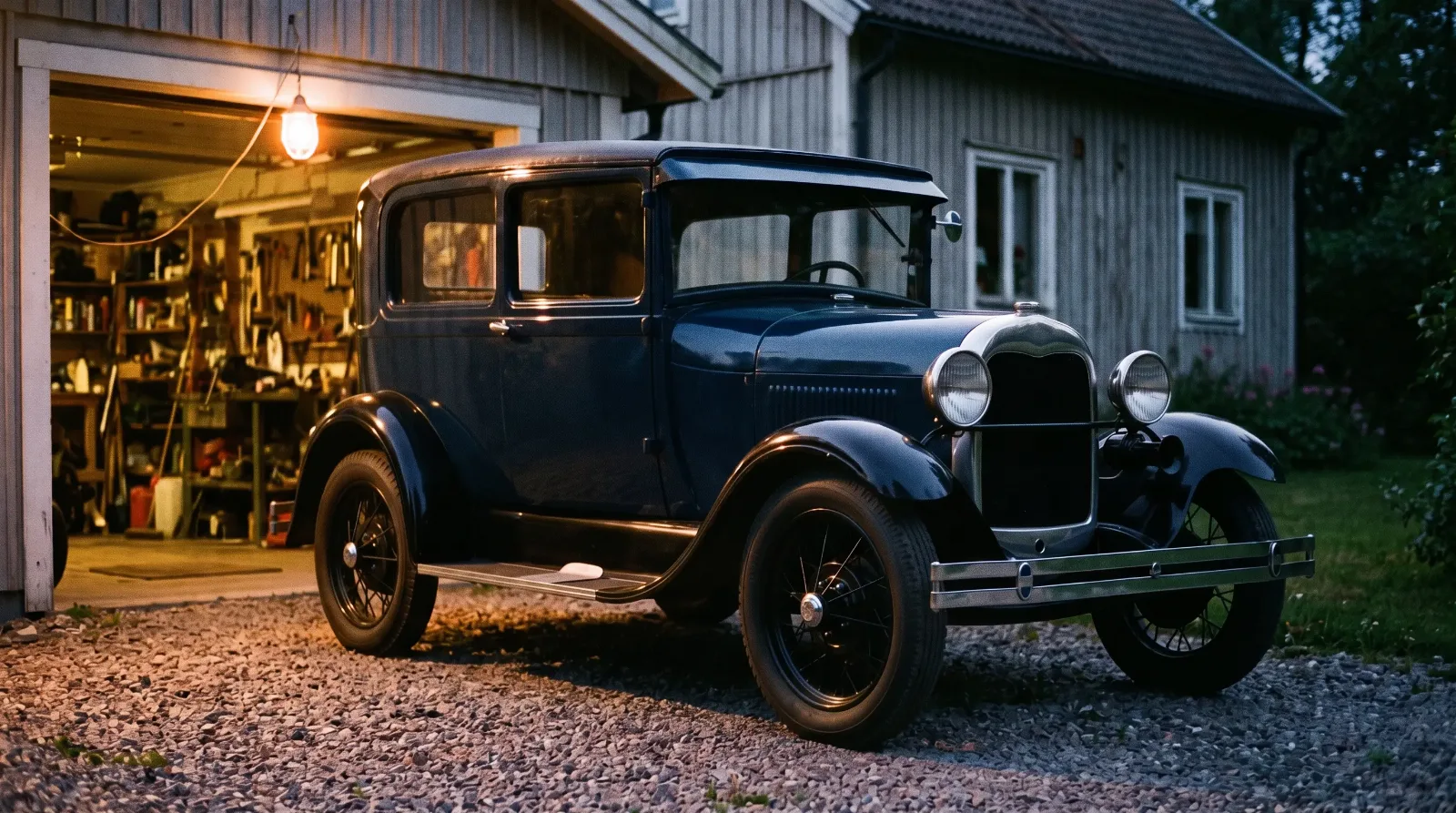
Have a
Ford Model A
for Sale?
Reach thousands of serious classic car collectors across the US.
Sell It Here →
Selling a classic? Here's how: sell my classic car
Are You a Classic Car Dealer?
List your full inventory and connect with targeted classic car buyers.
Join as a Dealer →

About the author
Sarah Whitfield
Third-generation classic car collector specializing in pre-war American and European coachbuilt automobiles. Researcher and concours enthusiast.
Related Listings - Ford Model A
More in Car Features
Comments
Be the first to comment on this article.