
Two rooflines have argued with each other across the whole history of the luxury car. One rises to a near-vertical rear window and stops, upright and dignified, the formal notchback. The other sweeps in an unbroken line from the top of the windshield to the tail, the fastback. The choice between them was never only about style. It was about what a luxury car was for, whether it existed to carry an important passenger in comfort or to suggest speed and modernity, and the pendulum has swung between the two more than once.
Car Features
6 min read
Formal Roofline vs. Fastback: The Great Luxury Design Debate
Formal roofline vs fastback in classic luxury cars: why the upright notchback and the swept fastback served different buyers, and which aged better.
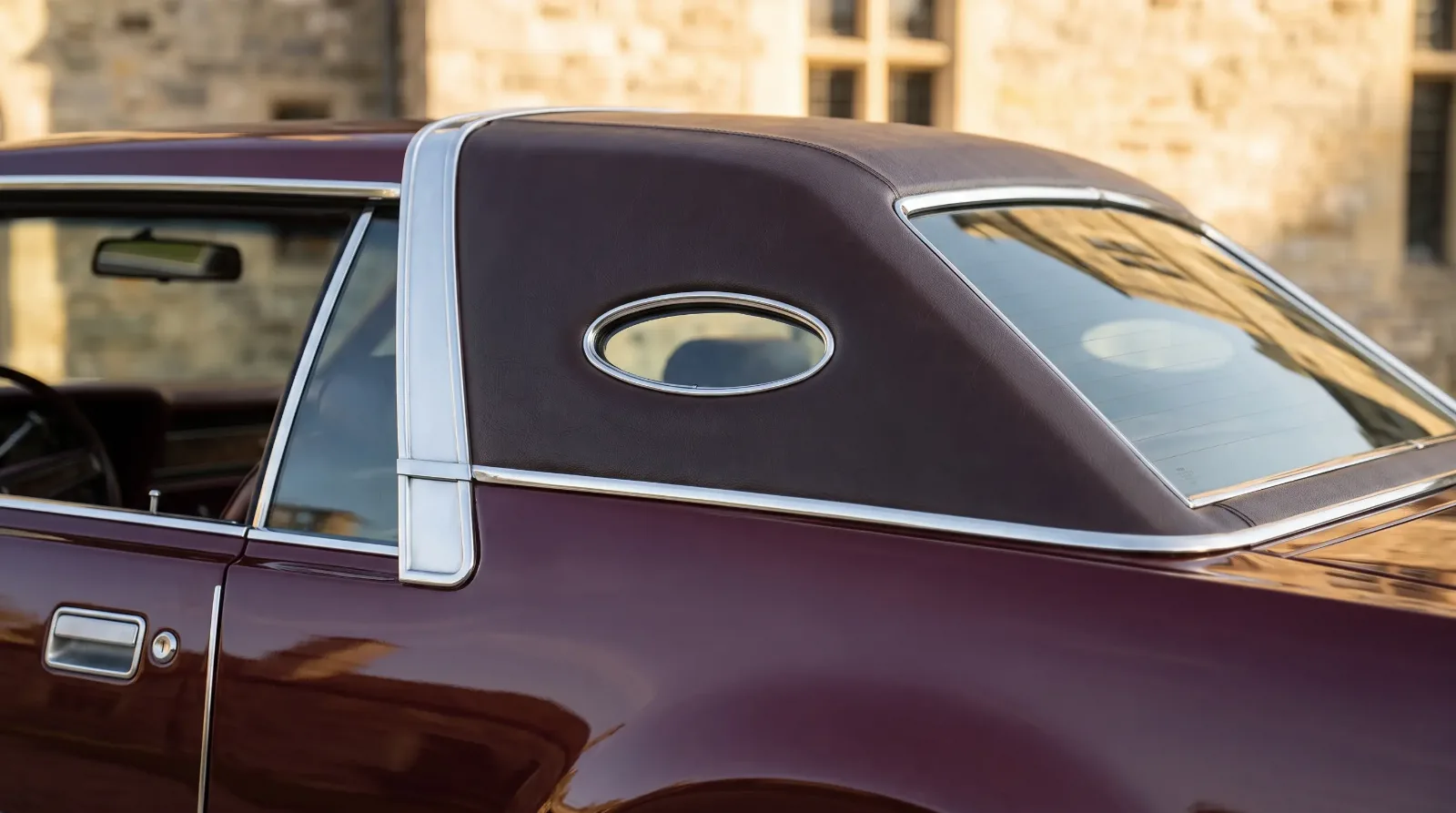
The debate sits at the center of how these cars signaled their purpose, which is why it belongs alongside the rest of the story in how luxury design language evolved. A roofline is the single largest gesture a body makes. Get it right and everything below it reads as intentional. Get it wrong and the most expensive car in the range can look confused about what it wants to be.
The case for the formal roofline
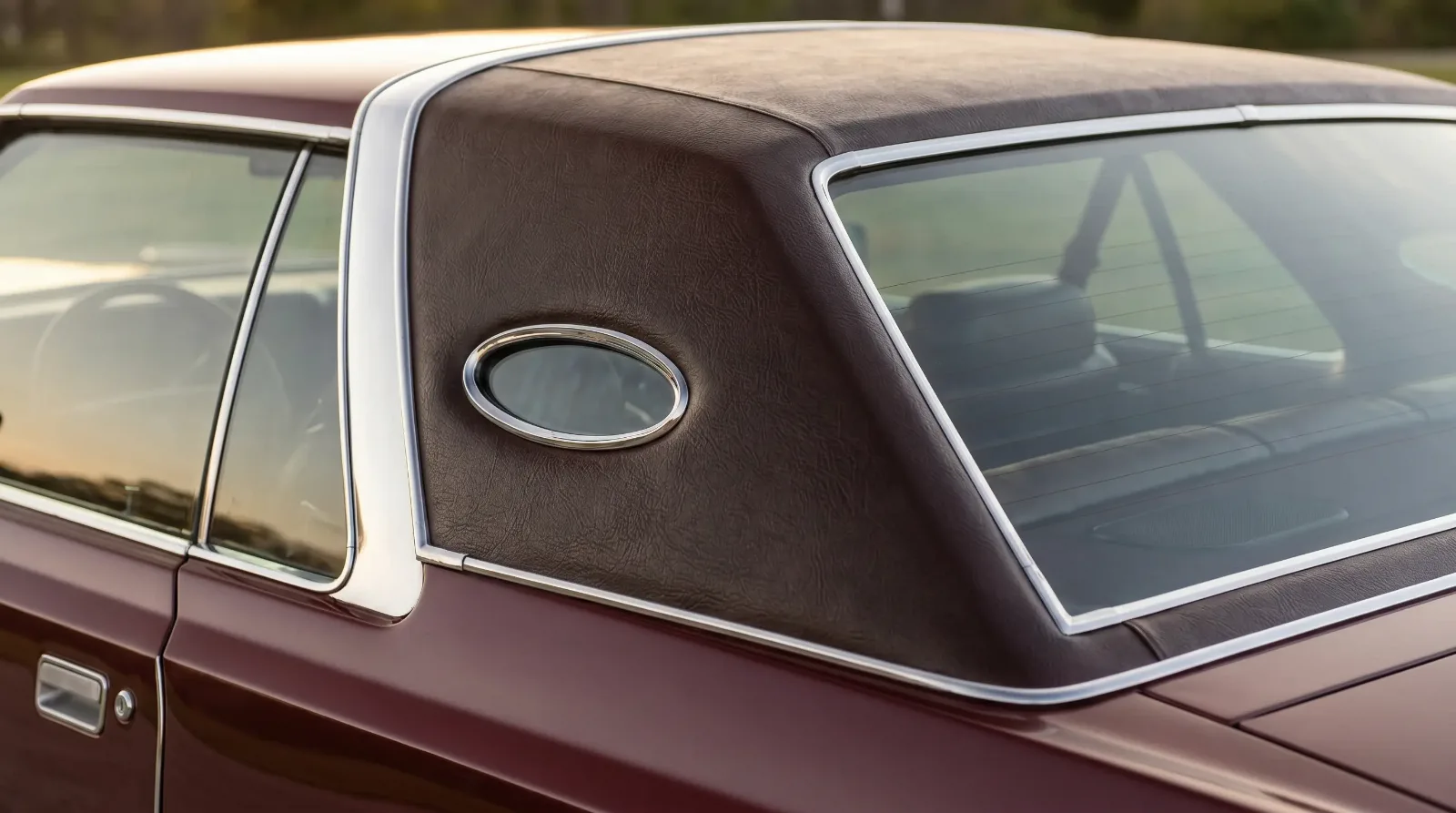
The formal roofline is the older aristocrat of the two. Its upright rear glass and squared-off rear quarter descend directly from the horse-drawn carriage and the early chauffeur-driven town car, where the passenger sat bolt upright behind glass and headroom was not negotiable. Dignity required space, and space required a roof that did not slope away over the rear seat.
This logic held for the grandest cars long after aerodynamics became fashionable. A limousine or a formal sedan kept its upright back because the whole point was the person in the rear, and a sloping roof would have stolen their headroom and cramped their exit. By the personal luxury era of the 1960s and 1970s, American designers had turned the formal roofline into an explicit prestige cue, adding opera windows, thick rear pillars, and vinyl coverings to emphasize the squared, carriage-like rear. The formal roof said, without a word, that this was a car built around its occupants rather than around the wind.
The case for the fastback
The fastback arrived with the streamline age, when aerodynamics moved from the racetrack into showroom fashion in the 1930s and reached full flower in the 1940s. American manufacturers built beautiful fastback bodies in that period, the swept torpedo and aerosedan styles that ran the roofline in one long curve to a stubby tail. General Motors offered elegant fastback sedans on Buick, Cadillac, and Chevrolet bodies in the years around the war, and in Europe the shape carried real prestige, most memorably on the Bentley R-Type Continental of the early 1950s, a fast, aerodynamic grand tourer that made the fastback aristocratic.
The appeal was modernity and motion. A fastback looks like it is moving while parked, and for a certain buyer that was the entire point. The cost was practical. The sloping roof ate into rear headroom, the long tail complicated luggage access, and rearward visibility suffered. On a sporting grand tourer those were acceptable trades. On a formal sedan meant for a dignitary in the back seat, they were not, which is why the fastback and the formal roof ended up serving different masters.
The public settled the argument for a while with its wallet. After the initial streamline enthusiasm faded in the late 1940s, American buyers drifted back toward the notchback and the upright roof, and the fastback sedan largely disappeared from the mainstream by the early 1950s. It survived as a sporting body style, revived later for coupes that wanted a hint of speed, but as the default shape of a family or formal car it lost. Headroom, trunk space, and easy rear entry mattered more to most buyers than a fashionable roofline, and the makers followed the money back to the square roof until aerodynamics returned as a genuine engineering priority decades later.
Head to head, and how to weigh them
The two rooflines are not better or worse in the abstract. They answer different questions, and a buyer today should know which question a given car was built to answer before judging it. A formal coupe that has lost its correct vinyl top and opera window trim has lost the whole argument it was making. A fastback that has been fitted with the wrong rear glass or a clumsy repair has lost its one uninterrupted line, which is the only thing it had to sell.
| Consideration | Formal roofline | Fastback |
|---|---|---|
| Character | Dignified, stately | Sporting, modern |
| Rear headroom | Generous | Compromised |
| Aerodynamics | Poorer | Better |
| Typical use | Limousine, personal luxury coupe | Grand tourer, sporting sedan |
| Signature detail | Opera window, thick C-pillar | Unbroken roof-to-tail line |
Which one aged better
Both shapes have collector standing, but they age differently in the market. The finest fastbacks, the R-Type Continental and the best prewar streamliners, are blue-chip cars precisely because the shape was rare and hard to execute well. The formal personal luxury coupes of the 1970s are more affordable and more common, and their value rests heavily on condition and on the survival of the exact trim, the vinyl roof and opera glass, that defined them. When you shop, look closely at whether a car still carries the correct roof treatment for its type, because it is expensive to put right. It is worth studying a range of classic luxury cars for sale with the roofline in mind, since it tells you more about the car's intent than the brochure ever did.
"I never ask which roofline is better, because they were never trying to do the same job. The formal roof protects the person in the back. The fastback chases the wind. What I look for is honesty. Is the roof the one the car was born with, executed the way the maker intended? A formal coupe stripped of its opera window, or a fastback with a botched rear glass, has thrown away the single strongest thing it had to say."
Sarah Whitfield
The argument between the upright and the swept roof runs through the whole century of luxury design, and it never fully resolved because it was never really one question. Formality served the passenger, aerodynamics served the driver and the eye, and the best cars committed fully to one side or the other. From the shape of the fixed roof, the craft moves to the roof that folds away entirely, which asks even harder questions of the coachbuilder, in next: Convertible Top Craftsmanship in Classic Luxury Cars.
Related Reading
Have a
Classic Car
for Sale?
Reach thousands of serious classic car collectors across the US.
Sell It Here →
Are You a Classic Car Dealer?
List your full inventory and connect with targeted classic car buyers.
Join as a Dealer →

About the author
Sarah Whitfield
Third-generation classic car collector specializing in pre-war American and European coachbuilt automobiles. Researcher and concours enthusiast.
Comments
Be the first to comment on this article.