There's a running argument at our club's winter meeting every year, the same one, practically word for word, about how many fourth-gen Chargers are actually still out there. Somebody always guesses high. Somebody always guesses low. And every year, somebody pulls out a printout of production figures they found and settles it, at least until next winter when the argument starts fresh because half the room forgot the numbers again. I've decided to just write it all down properly this time so I stop losing the argument to my own memory.
What Dodge actually built
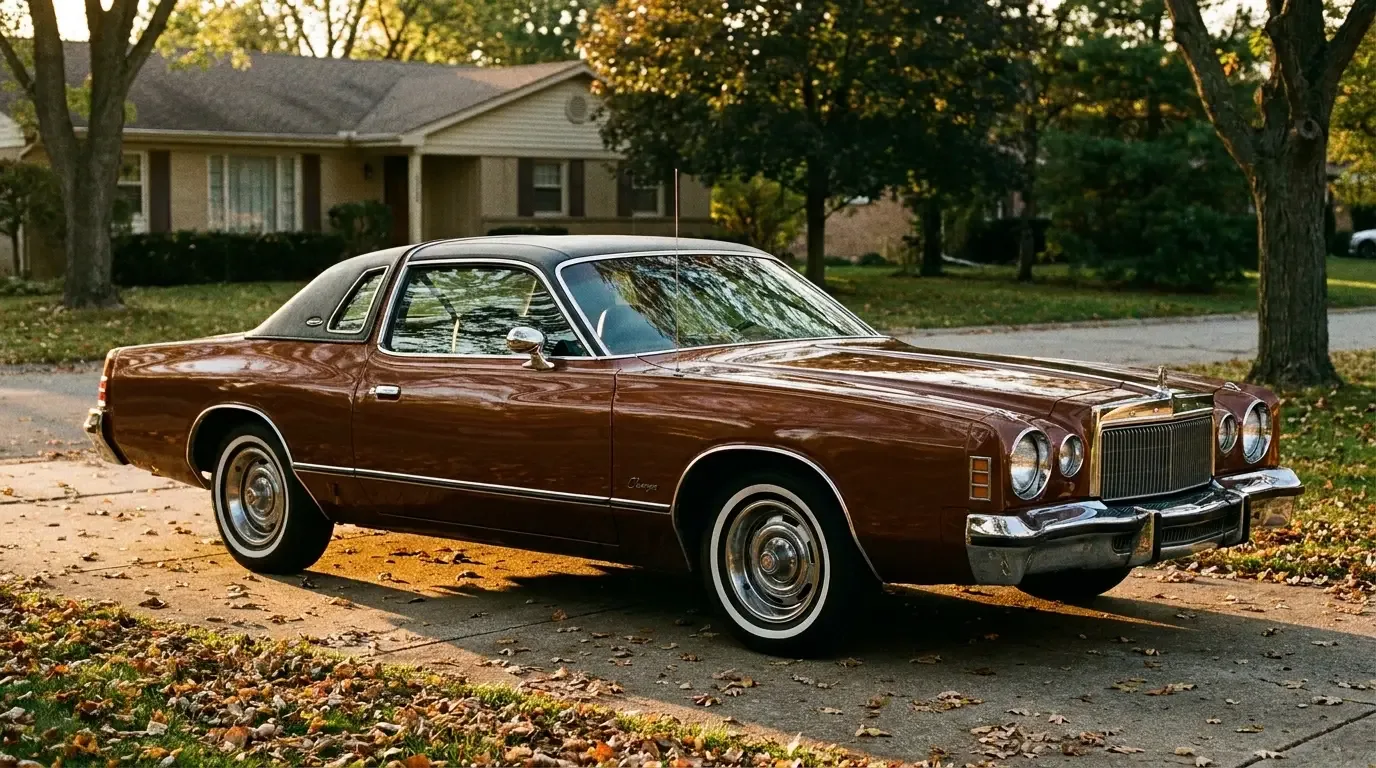
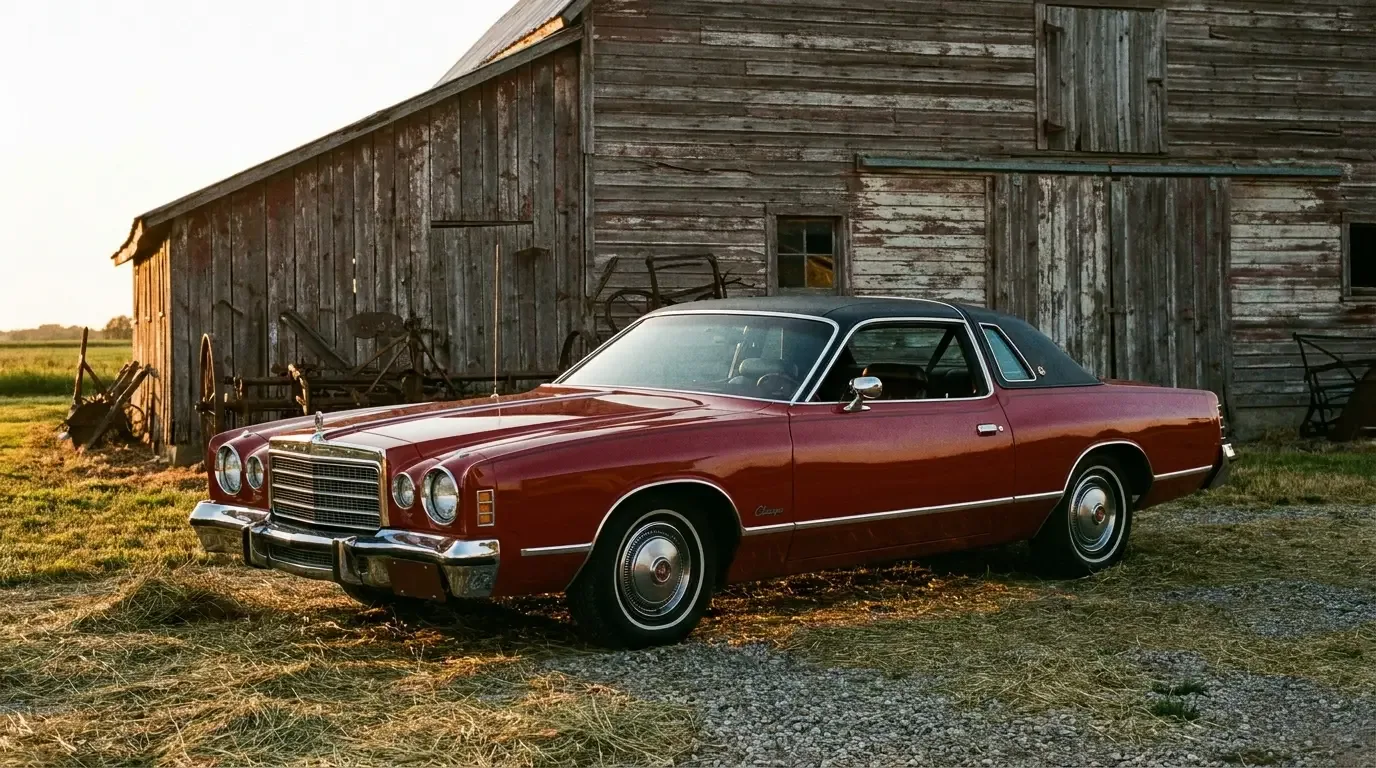
The fourth-generation Charger ran from the 1975 through 1978 model years, and total production across that stretch was roughly 130,000 units, modest compared to the nameplate's late sixties volume but not the tiny number the car's reputation implies. The catch is how unevenly those cars were spread across the four years: about 30,800 in 1975, a peak of roughly 65,900 in 1976, back down near 30,000 in 1977, and then a collapse to just 2,735 in 1978 as the Magnum took over the lineup. See the details on how the model changed year to year, because production numbers alone don't tell the whole story of what buyers were choosing between.
The SE trim accounted for the bulk of what sold, since it carried the styling and comfort features that defined the generation and got most of the advertising attention. Base Charger coupes without the SE package were a smaller slice of production and are correspondingly harder to find today, though "harder to find" doesn't always mean "worth more" in this segment. Sometimes it just means fewer people went looking.
Year by year, roughly
| Model year | Approximate production | Notes |
|---|---|---|
| 1975 | About 30,812 | Introduction year of the personal-luxury redesign |
| 1976 | About 65,900 (peak year) | Broader, lower-priced lineup lifts volume to the run's high point |
| 1977 | About 30,367 | Volume falls back as competition crowds the segment |
| 1978 | About 2,735 (lowest of the run) | Final year; the Magnum effectively replaces it |
I'll be honest about those numbers the way I'd be honest with anybody at a swap meet table. I don't have factory build records memorized to the unit, and neither does anyone else who tells you otherwise with total confidence. What I have is a consistent picture across every source I trust: a strong 1975 launch, a genuine peak in 1976 when Dodge broadened the lineup with lower-priced Charger models, and then a steep fall through 1977 and into a barely-there 1978, which lines up with what dealers were telling Dodge at the time about a softening personal-luxury market and the coming switch to the Magnum.
Why survivor numbers matter more than production numbers
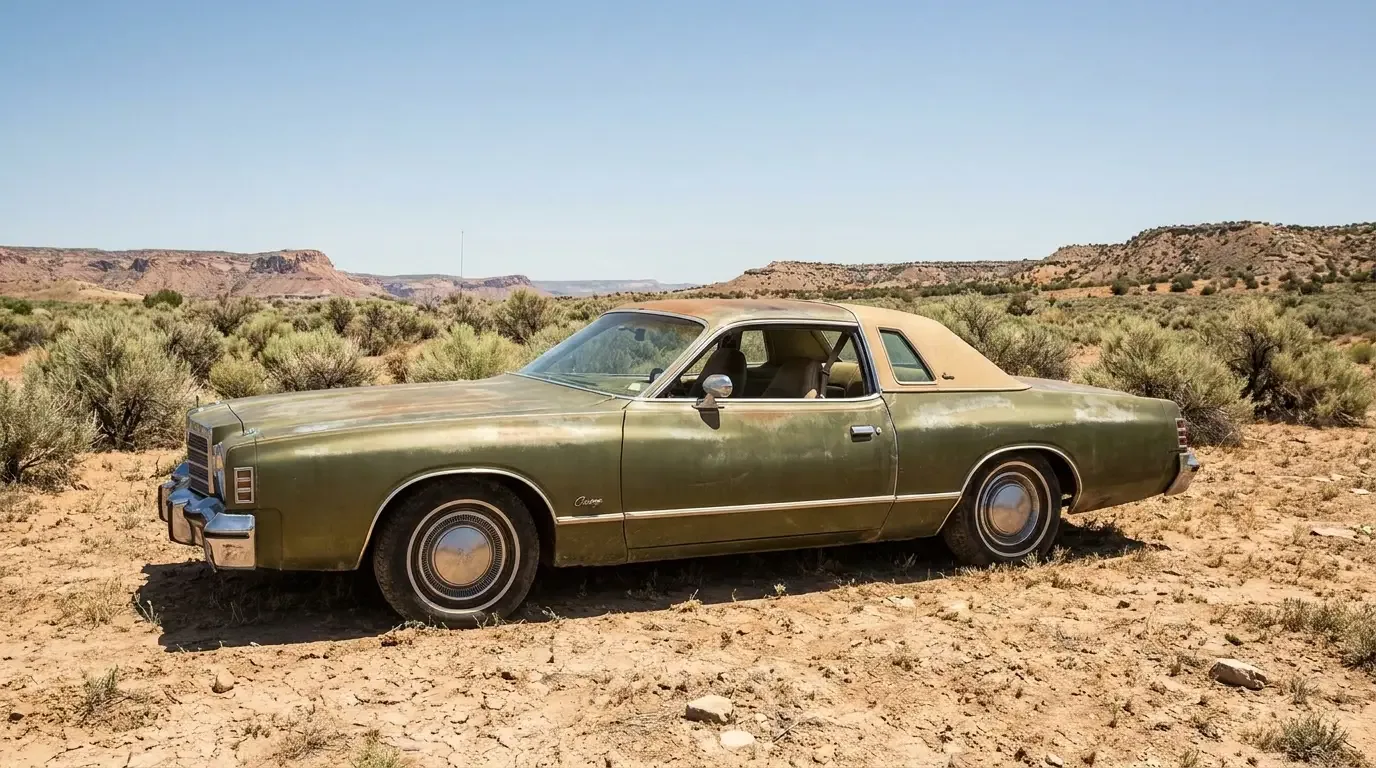
Production figures only tell you what left the factory. What matters to a buyer today is how many are still around, and that number is a fraction of the original build count for reasons that have nothing to do with the car's quality. These weren't treated as collectibles when new. They were daily drivers and family cars, driven through winters, parked outside, and eventually scrapped or sold cheap when they got tired, the same fate that met most ordinary cars from this decade. Rust took a real toll, especially in the rear quarters and trunk floor, and a fair number of survivors have been modified enough over the years that they no longer count as original examples in any meaningful sense.
My rough estimate, based on what actually turns up at shows, swap meets, and online listings rather than any official survivor count, is that genuinely clean, mostly original examples number in the low hundreds nationally, not the low thousands. That's a guess, and I'll say so plainly, but it's a guess built from years of actually looking rather than repeating a number somebody else made up.
"Everybody at the club had a theory about how many were left, until somebody actually started counting the ones that showed up at shows over a few seasons instead of guessing off a gut feeling, and just like that the argument had an actual answer to argue about instead of a hunch."
— Wayne Coburn
What happened to the ones that didn't survive
It's worth walking through the actual attrition path, because it explains why the surviving pool skews the way it does. A meaningful chunk of fourth-gen Chargers were bought as practical family cars rather than as anything special, and practical family cars get driven hard, serviced cheaply, and eventually traded in without much ceremony once the transmission or the rust got bad enough. A second chunk went to secondary owners in the eighties and nineties who bought them cheap as basic transportation, the exact opposite of the kind of ownership that preserves originality. Modified examples make up a further slice, cars that got a later engine swap, a repaint in a non-original color, or an interior redone with whatever fabric was available at the time, none of which counts against the car as transportation but all of which counts against it as a documented survivor today.
What's left after four decades of that attrition is a genuinely small pool of cars that are both structurally sound and reasonably close to how they left the factory. That's the pool serious collectors are competing over now, and it's a lot smaller than the total production figures would suggest to anyone who hasn't actually gone looking.
Where the good survivors tend to turn up
Regional patterns matter more than people expect. Cars that spent their lives in drier climates, the Southwest, parts of the West Coast, and pockets of the South, survive at meaningfully higher rates than cars that lived through rust belt winters. That's not unique to this generation of Charger, but it matters more here because the total surviving population is already small enough that regional attrition has an outsized effect on what's actually available to buy.
I don't think this generation's low survivor count is a secret exactly, but it's a fact that gets buried under the reputation the cars have for being unwanted. Unwanted and rare aren't the same thing, and once a room full of club members finally sits down and actually counts what's out there instead of arguing from memory, the rare part becomes pretty hard to dispute. For the deeper dive into how this era's flagship trim fit into all of this, the Charger feature on Classic Cars Arena is worth reading next.
Sources and notes
- Dodge Charger (B-body), Wikipedia - confirmed the year-by-year figures: 30,812 (1975), 65,900 (1976), ~30,367 (1977) and 2,735 (1978), correcting the "steady decline" assumption.
- Automobile-catalog fourth-gen production data - corroborated the model-year totals and the sharp 1978 drop.
- Hagerty condition definitions - background on why survivor quality and documentation matter more than raw build counts.
- Classic.com fourth-gen Charger market - sample of how few clean, documented survivors actually reach the open market.
- Mac's Motor City Garage on the 1975 Cordoba - context on the crowded Chrysler personal-luxury segment behind the softening sales.