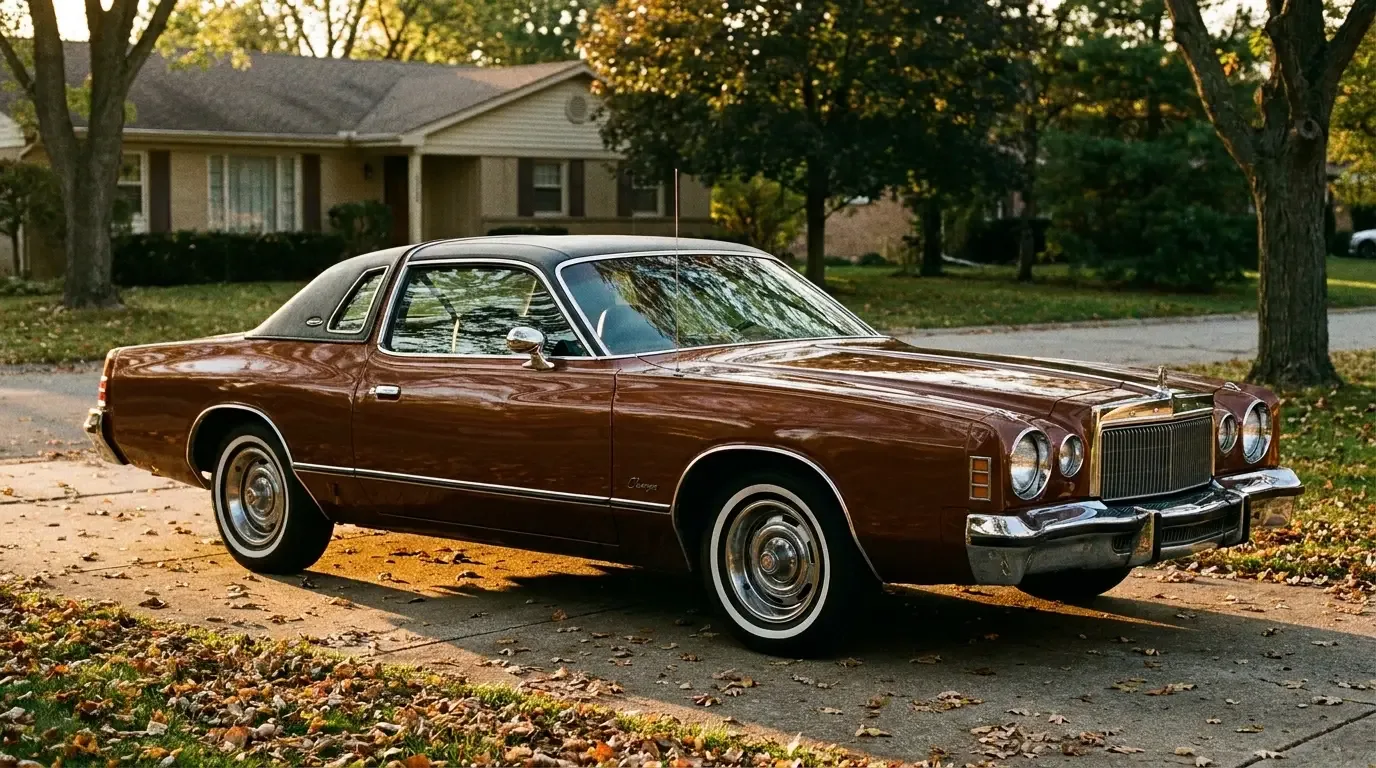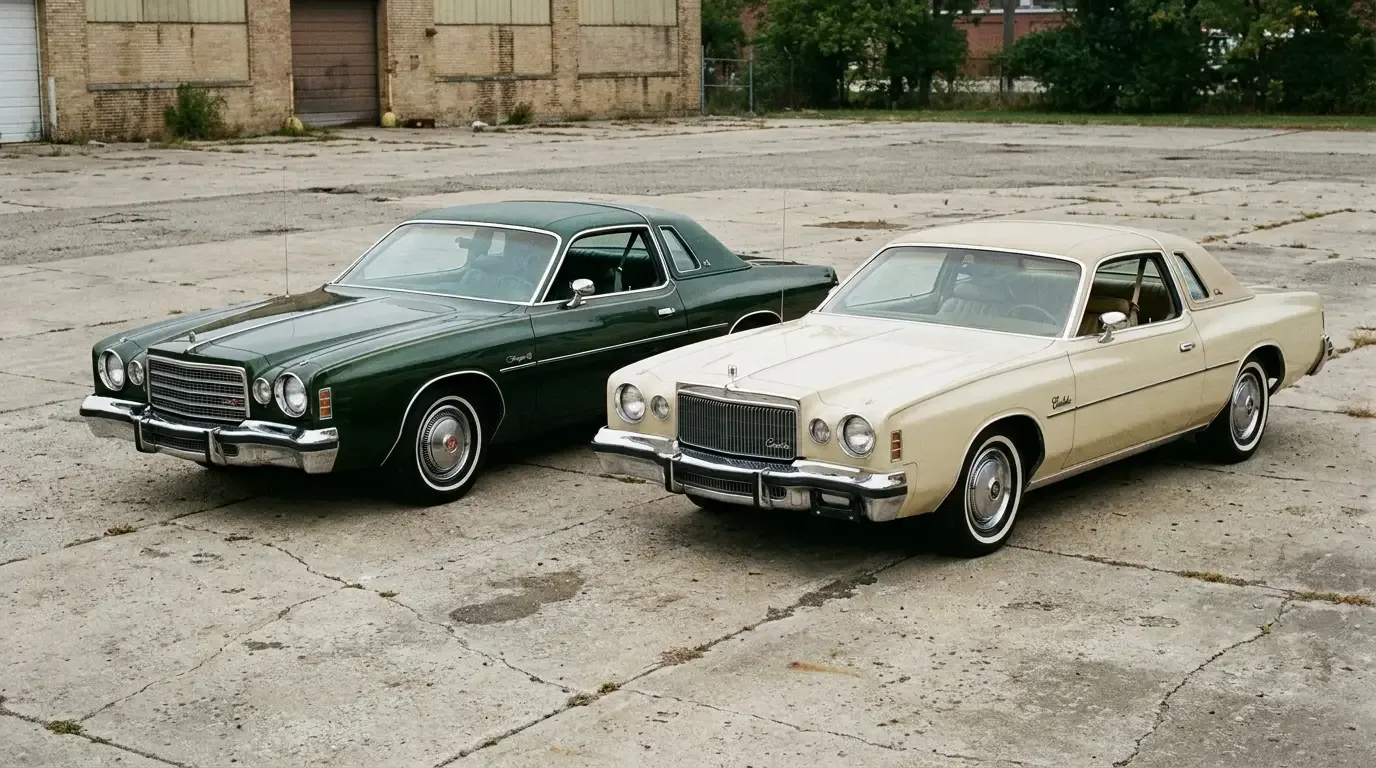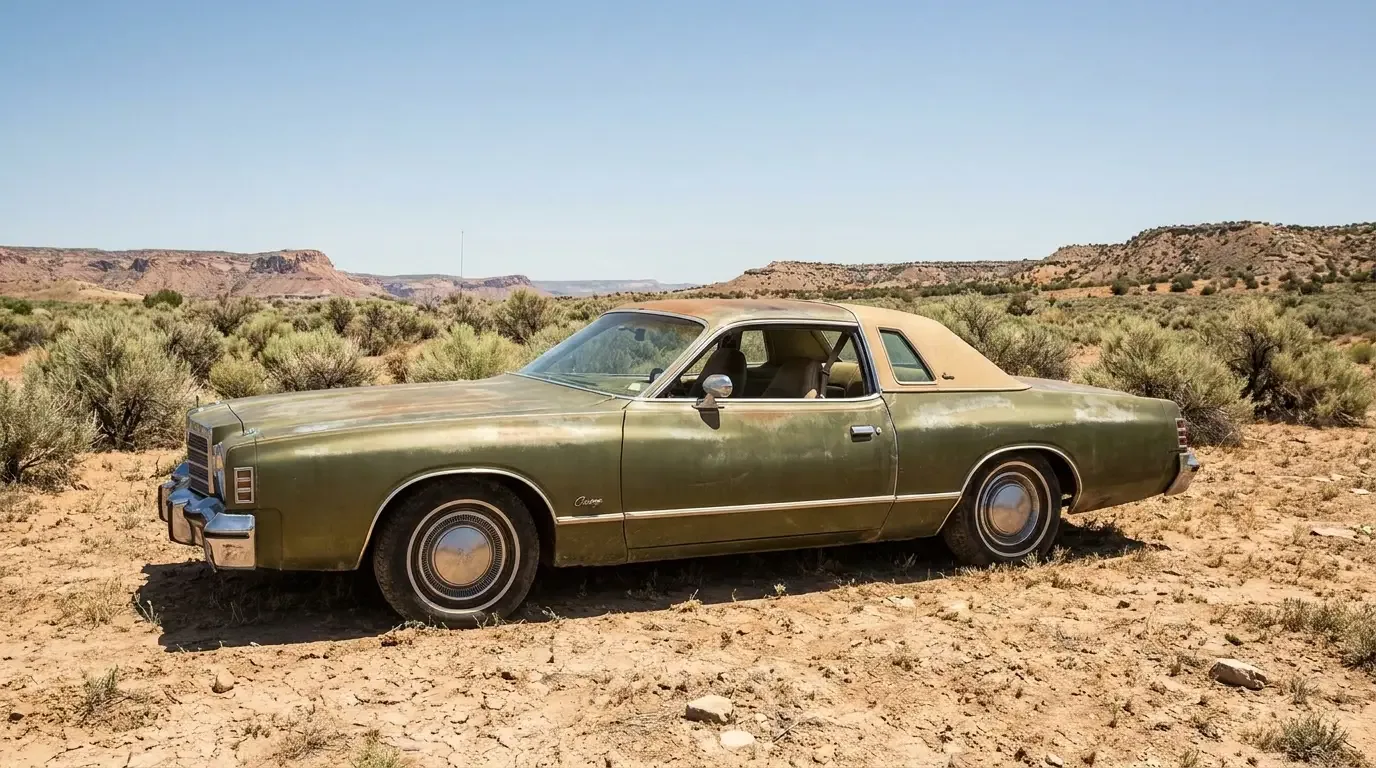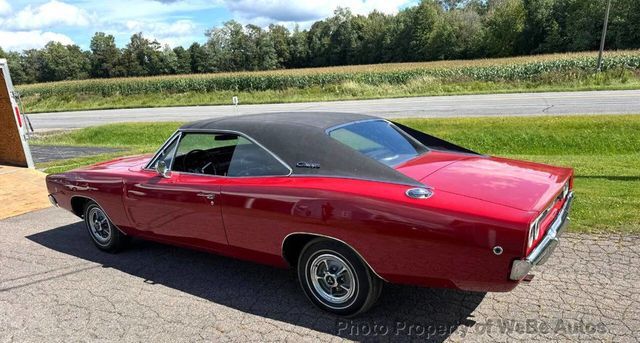
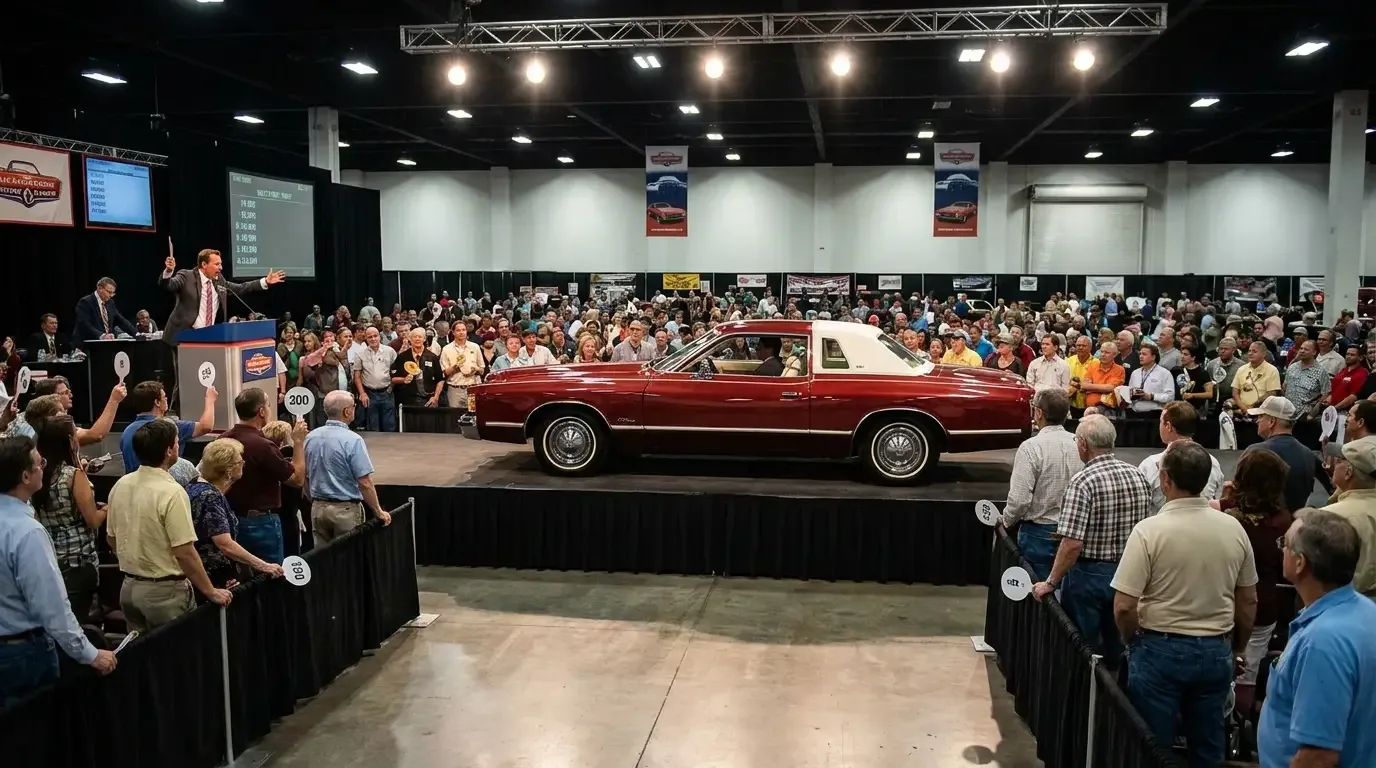
A 1976 Charger SE crossed a regional auction block last season and sold for a number that would have embarrassed the seller five years earlier. It wasn't a perfect car. Solid, documented, a little soft on originality points around the interior, but the hammer price still landed above where the same car would have sold in 2019. That single data point doesn't make a market. But it's consistent with a pattern I've been tracking across several auction cycles now, and it's worth stating plainly: the malaise-era Charger is appreciating, and the reasons are structural, not sentimental.
The value claim, and the caveat that comes with it
Here's the claim. Clean, documented 1975 through 1978 Charger SEs have moved from being essentially unsellable outside their own small enthusiast pocket to commanding real, if modest, premiums for the best examples. Here's the caveat, and it matters more than the headline number. This appreciation is concentrated almost entirely at the top of the condition scale. A rough driver with a thin history is still a rough driver with a thin history, and it hasn't seen anywhere near the same price movement. Condition and paperwork are doing all the work in this market. Everything else is noise.
That distinction gets lost when people talk about a nameplate "finally getting respect." Respect, in appraisal terms, isn't a mood. It's liquidity, and liquidity has only improved for cars that can prove what they are. A car without a build sheet or clear ownership history is still exposed to the downside that's defined this generation for decades: buyers who assume it's a lesser car simply because it wears a personal-luxury body instead of an R/T's.
Why the correction is happening now
Three forces are converging. First, the pool of buyers who remember these cars new, or who grew up riding in one, has reached the age and income where nostalgia becomes purchasing power. Second, the supply of clean sixties and early seventies muscle Chargers has thinned enough that collectors priced out of that segment are looking one generation later for the same badge at a fraction of the cost. Third, and this is the one I'd flag as most durable, genuine survivor scarcity in this generation is real. 1975 charger production numbers were modest to begin with, and attrition from rust, neglect, and simple disinterest over four decades has cut that number further than most buyers assume.
None of those three forces is speculative hype. They're the same fundamentals that drive any collector market correction: scarcity meeting a buyer pool with money and motive. That's a more durable story than a trend piece calling a car "underrated," and it's why I'd treat this as a real market shift rather than a temporary fad.
"A #2 car with a thin paper trail isn't a #2 car when the check clears. It's a #3 with a good story, and the appraisal has to say so. That principle hasn't changed for this generation of Charger. What's changed is how much a genuine #2 is now worth when the documentation actually backs it up."
— Marcus Feld
What didn't sell, and why it matters
The more instructive data point isn't what sold well. It's what came up for bid and didn't move, or sold well under estimate. Undocumented cars with visible non-original paint, mismatched interior components, or unclear service history are still struggling to find buyers at prices sellers want. I've watched more than one seller pull a Charger SE off the block after bidding stalled well short of a reserve that seemed reasonable on paper but ignored the car's thin documentation. The lesson holds across every collector segment I appraise, but it's especially sharp here because this generation spent so long being undervalued across the board that sellers sometimes assume any clean example should ride the general upward trend. It doesn't. The trend is selective.
| Condition tier | Documentation | Market behavior |
|---|---|---|
| #2, documented | Build sheet, clear ownership history | Strong upward movement, competitive bidding |
| #2, undocumented | Clean but no paper trail | Treated as #3, priced accordingly |
| #3 to #4 | Sparse or missing | Flat to soft, buyer hesitation persists |
How this compares to other malaise-era corrections
This isn't the first time I've watched a maligned mid-seventies nameplate reprice upward once genuine scarcity and documentation caught up with sentiment. Similar corrections have played out across other manufacturers' personal-luxury coupes from the same years, cars that were mocked for a decade or two before enough of the bad examples got scrapped and enough of the good ones surfaced with paperwork intact. The pattern is consistent enough that I'd call it a recognizable market phase rather than a coincidence specific to Dodge. Nameplates spend their unloved years shedding the weakest examples through neglect and scrapping, and what's left standing when collector attention finally arrives tends to be a smaller, better-documented pool than anyone expected.
That comparison matters because it tells you something about how much further this correction might run. Other malaise-era personal-luxury coupes that went through a similar reassessment didn't end up matching muscle car money, and I wouldn't expect this generation of Charger to either. What they did do was close a meaningful chunk of the gap between "worthless" and "reasonably valued," which is exactly the kind of move I'm seeing in the current sales data here.
What this means if you're buying or selling
If you're selling, get the paperwork in order before you consign anything. A build sheet, a broadcast sheet, service records, anything that moves your car out of the undocumented category, will do more for your final number than another round of detailing. If you're buying, the opportunity right now sits in solid #3 cars with real documentation that the market hasn't fully repriced yet, since attention has concentrated on the showiest #2 examples first. That gap tends to close eventually, but it hasn't closed yet.
None of this is a guarantee the trend continues at the same pace. Collector markets correct, then plateau, then sometimes correct again as the buyer pool ages further. What I can say with confidence is that the fundamentals behind this specific movement, real scarcity and a buyer pool that's grown up and grown solvent, are more durable than the usual reasons a niche car gets a moment of attention. If you want the fuller context on how this generation of Charger got here, read on, and for the complete arc of the nameplate across every generation, the classic Dodge Charger story is worth your time. Anyone shopping this segment right now can browse classic Chargers currently listed and compare documentation before making an offer.
Sources and notes
- Hagerty condition definitions - confirmed the #1 (concours) through #4 (fair) scale and the role of documentation and originality in placing a car.
- Hagerty Insider: widening price gaps - confirmed the market pattern of top-condition, documented cars pulling away from rougher examples.
- Dodge Charger (B-body), Wikipedia - confirmed fourth-gen production totals underpinning the survivor-scarcity argument.
- Classic.com fourth-gen Charger market - corroborated recent sale results and the spread between documented and undocumented cars.
- Hagerty on what condition really looks like - background on how appraisers translate condition into value.