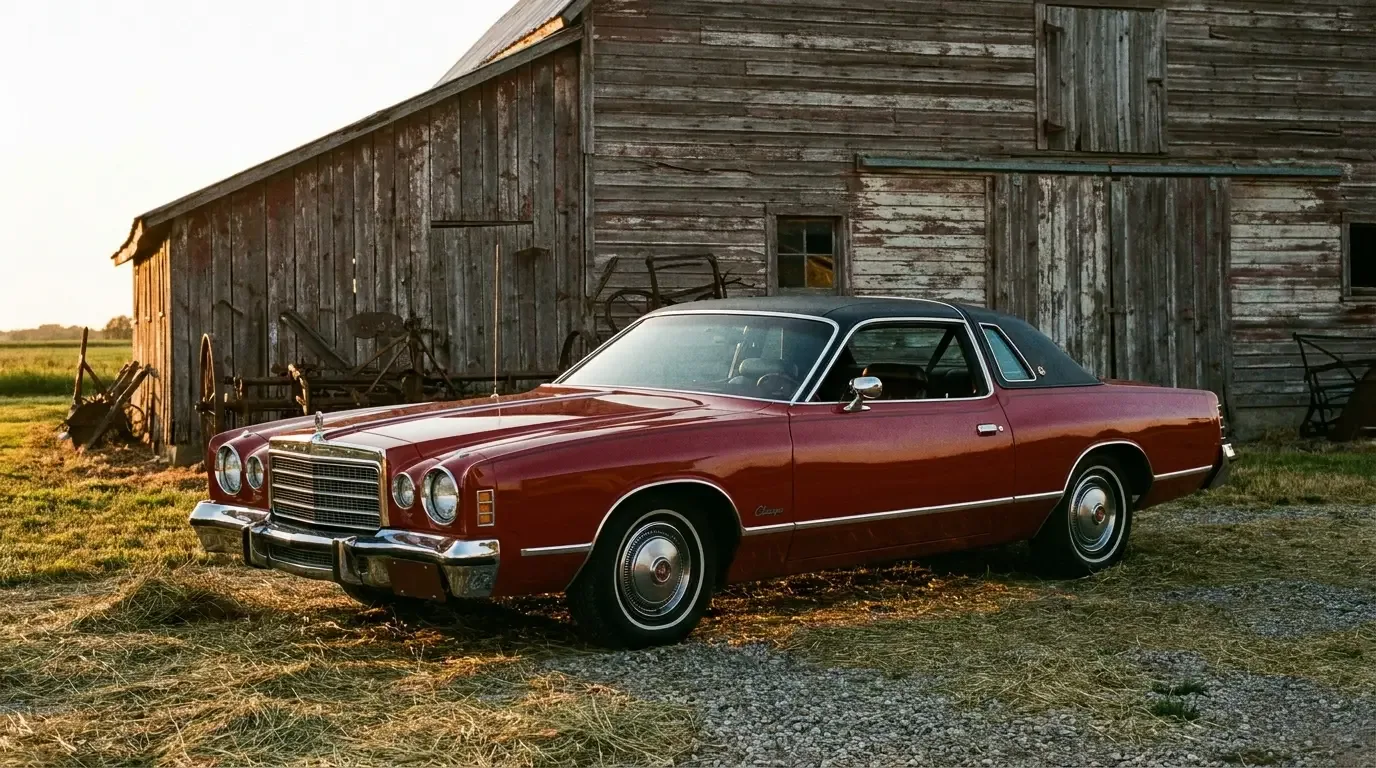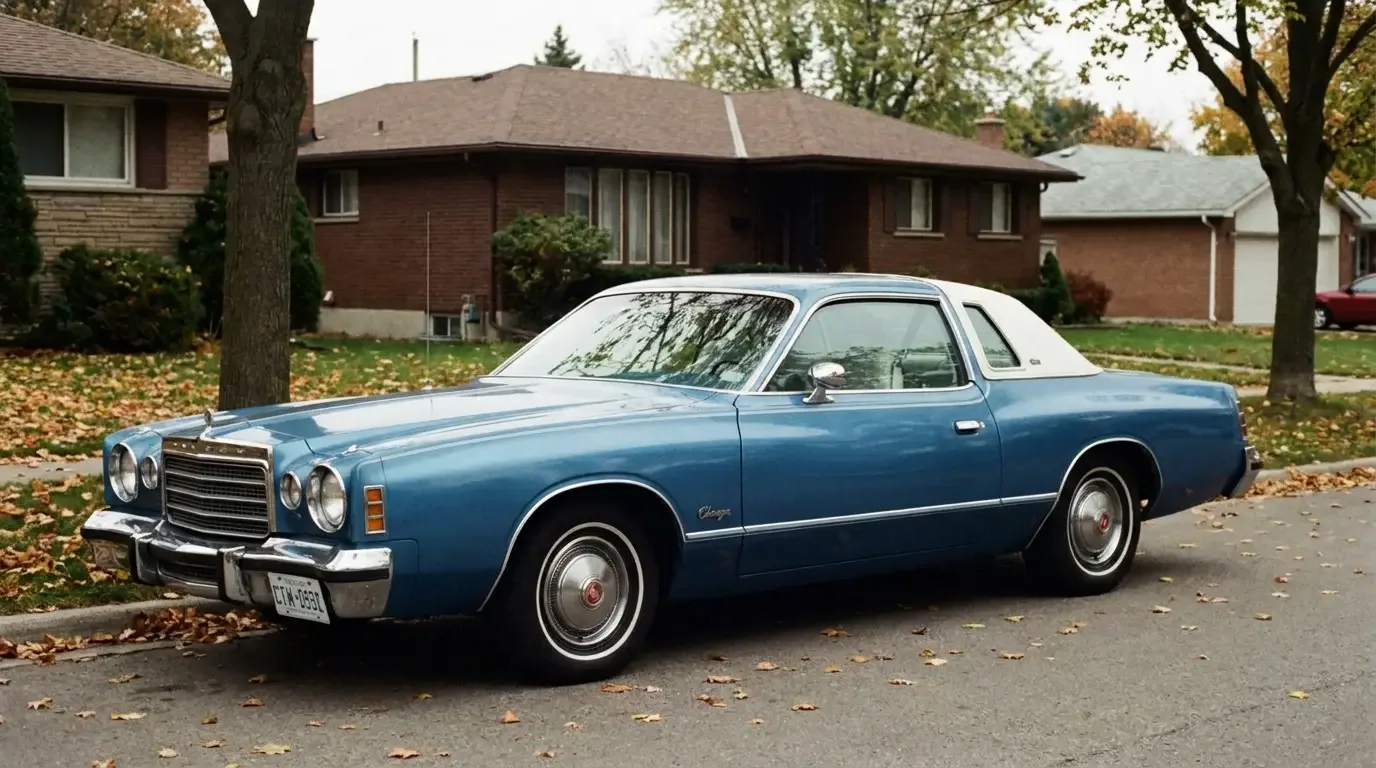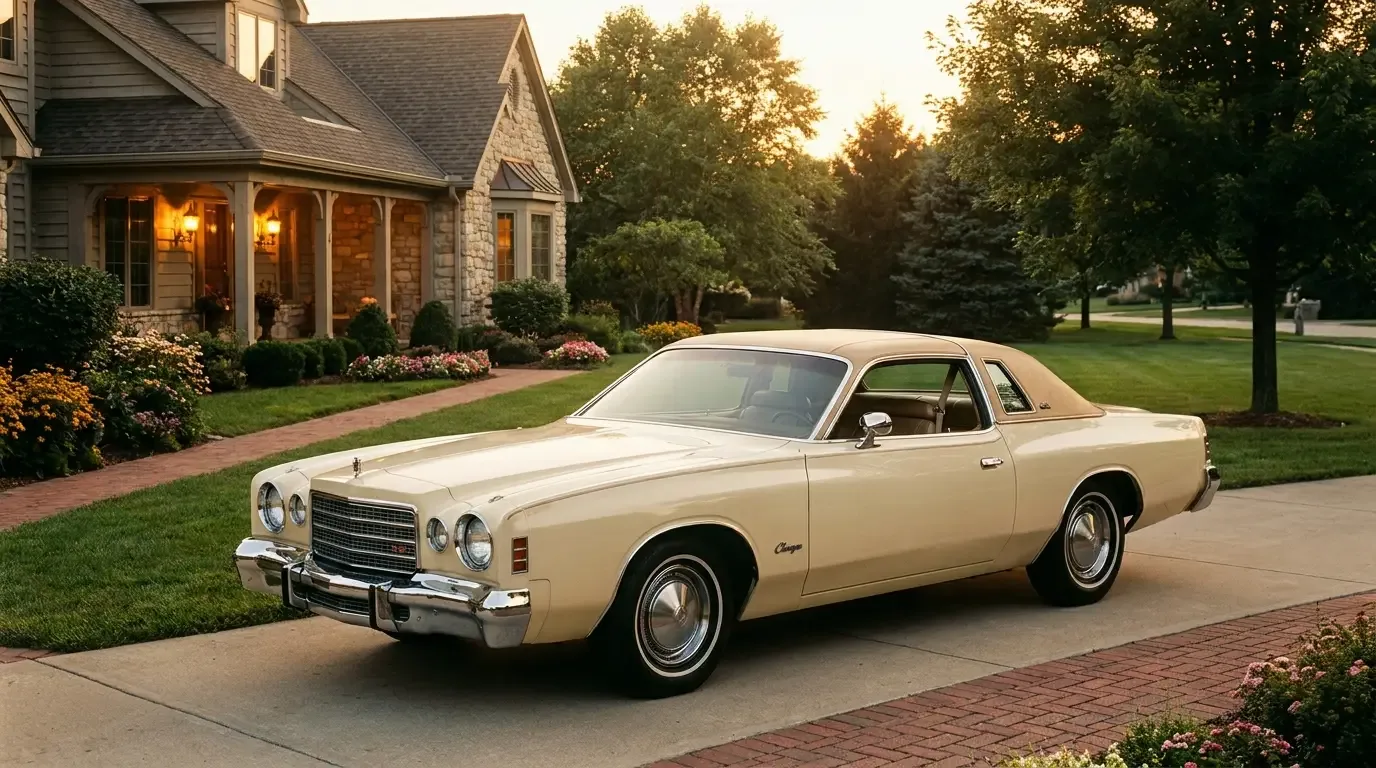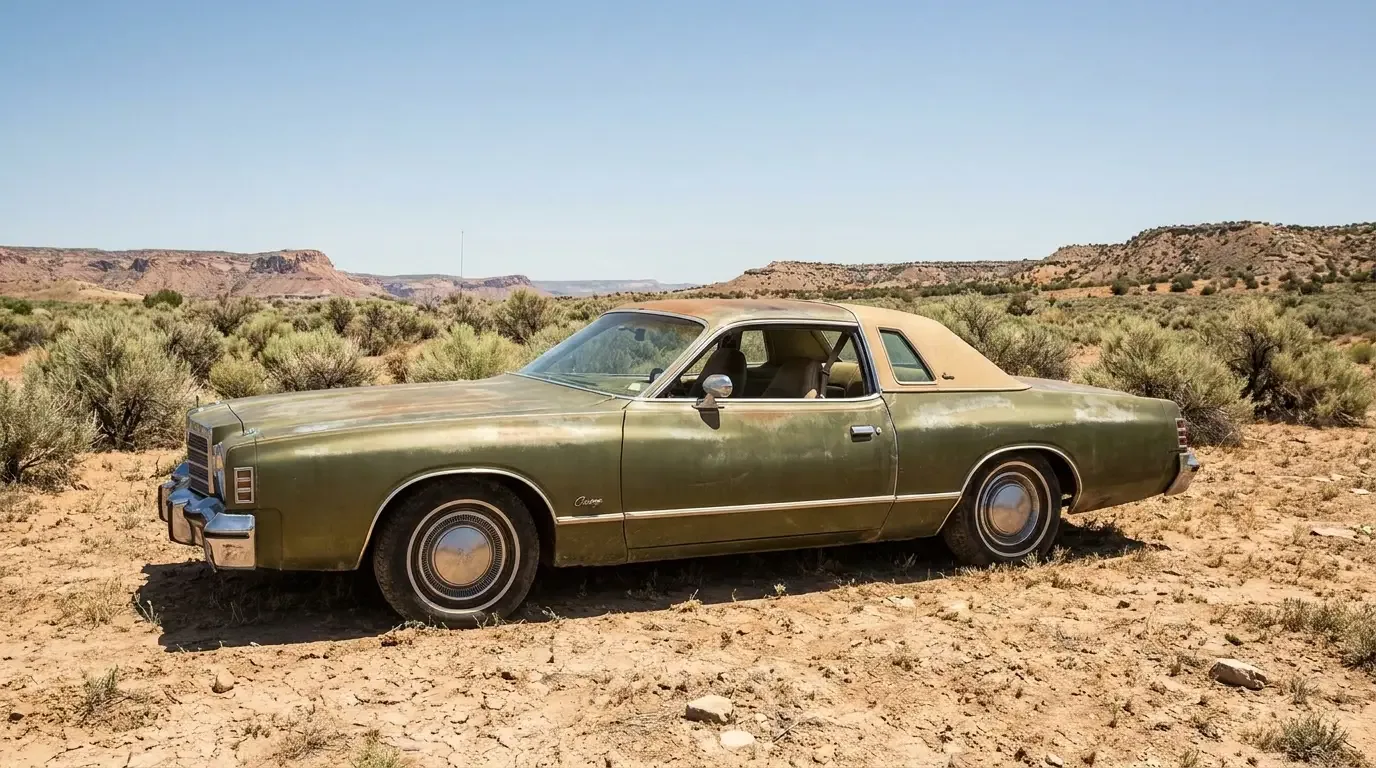
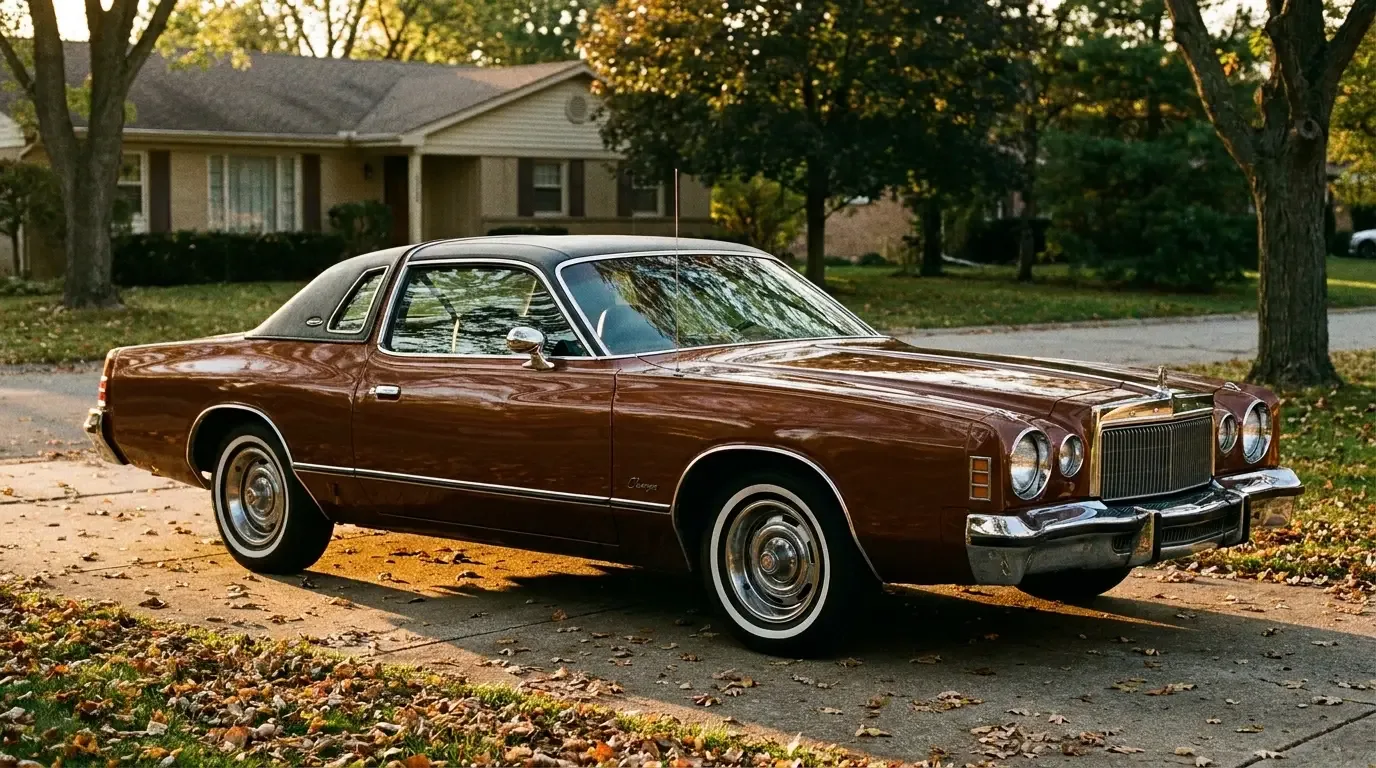
The barn smelled of hay and old motor oil, and the car under the tarp had not moved since the first Reagan term. When the cover came off, it was not the muscle Charger the buyer had driven three states to see. It was a 1976 Charger SE, deep bronze, with a padded landau roof and a small oval window cut into the rear quarter. He had wanted a fastback. What he found was a coupe built for a quieter kind of driver, and after an hour of walking around it he decided he liked the honest thing in front of him better than the myth he had come for.
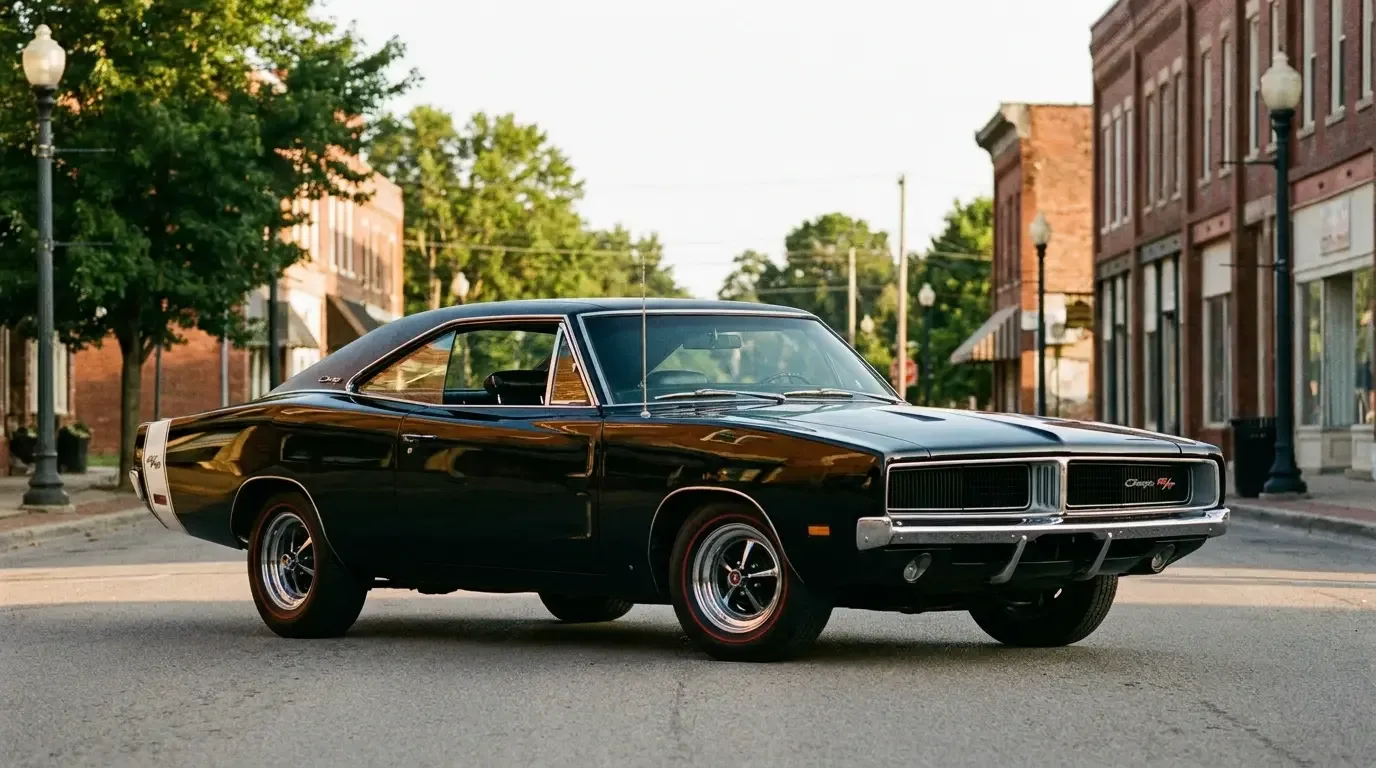
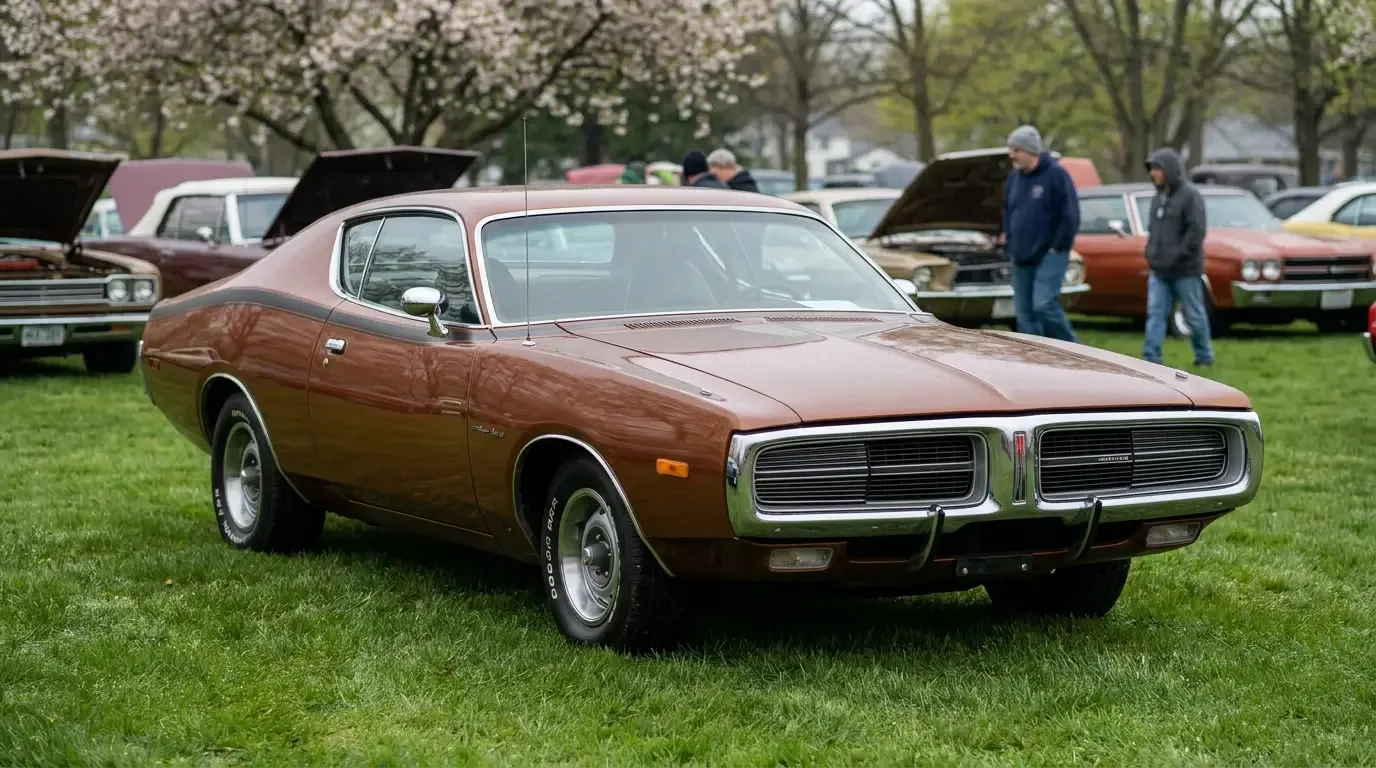
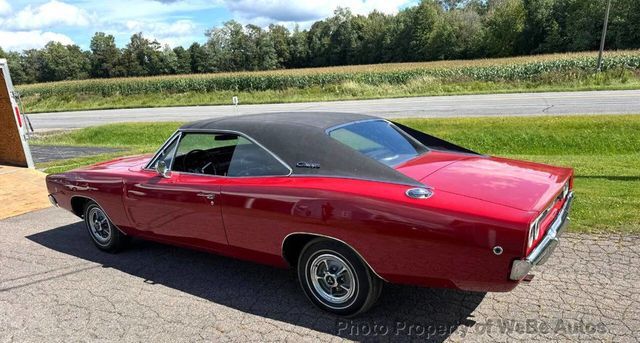
That car is easy to misread. By 1975 the Charger name had stopped meaning what it did in 1968, and the people who love the winged cars tend to skip past these years entirely. But the fourth generation is where the Charger stopped chasing checkered flags and started chasing the same buyer who wanted a Lincoln he could actually afford. It is the last chapter of the classic Charger, and it deserves a fuller reading than the muscle-car crowd usually gives it. For anyone tracing the Charger's full history, this is where the road bends hard away from the strip and toward the country club.
The Cordoba twin and a new job description
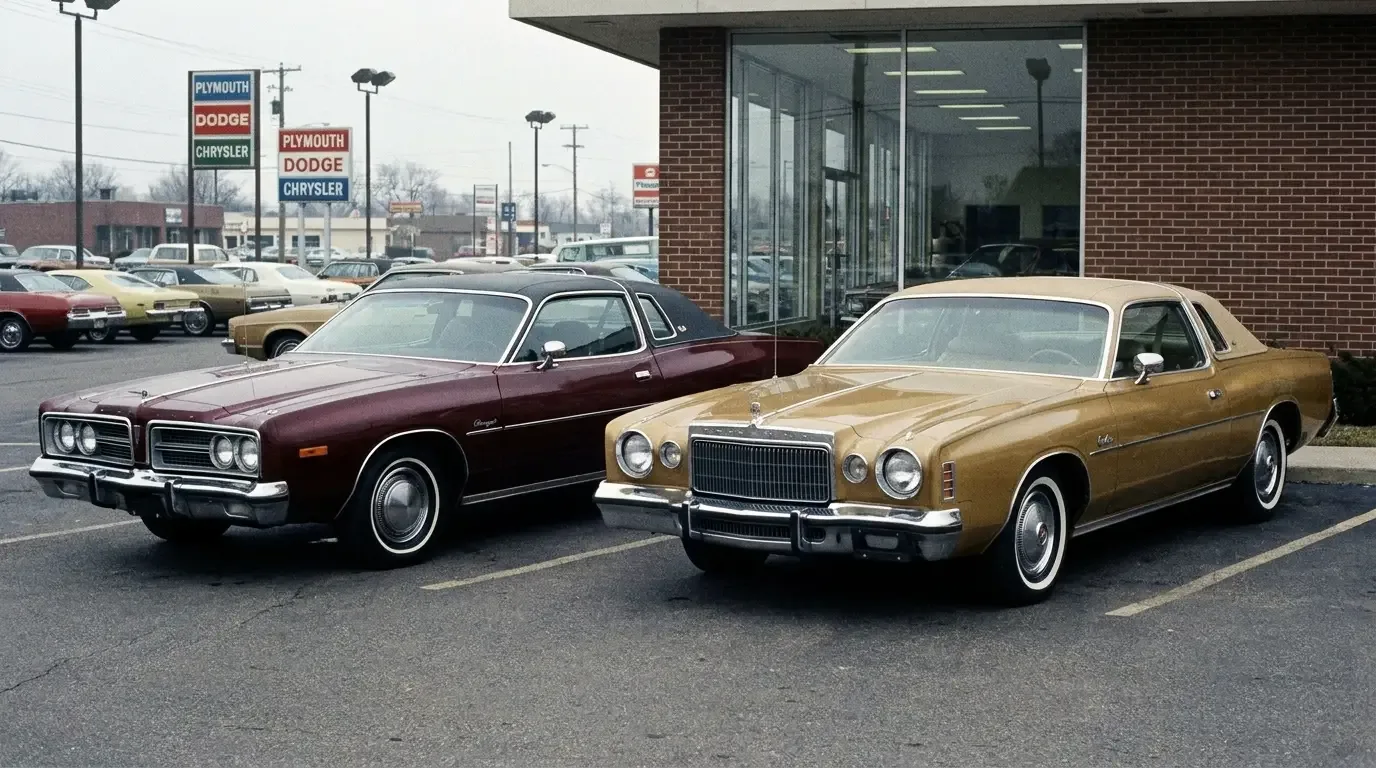
The fourth-generation Charger arrived for 1975 riding on Chrysler's B-body platform, and it shared almost everything under the skin with a car that would become far more famous in the showroom: the Chrysler Cordoba. Same wheelbase, 115 inches, same basic structure, same personal-luxury brief. Dodge needed an answer to the Cordoba's success, and rather than build a separate car, the division dressed the Charger in a formal roofline and pointed it at the same customer.
This was not a small shift. For a decade the Charger had been a statement about speed. Now it was a statement about arriving somewhere in comfort. The marketing dropped the drag-strip language almost entirely and started talking about crushed velour, about a ride that soaked up bad pavement, about the feeling of a big quiet coupe on a Sunday drive. Buyers who remembered the R/T badge felt the ground move under them. Buyers who wanted a soft, handsome two-door for less than a Cordoba cost were pleased.
The car sold on those terms. The Charger SE, the trim that carried the range, leaned into every luxury cue Dodge could bolt on, and for a while it worked well enough to keep the nameplate alive when a lot of its rivals were fading.
Opera windows, halo roofs, and the look of 1976
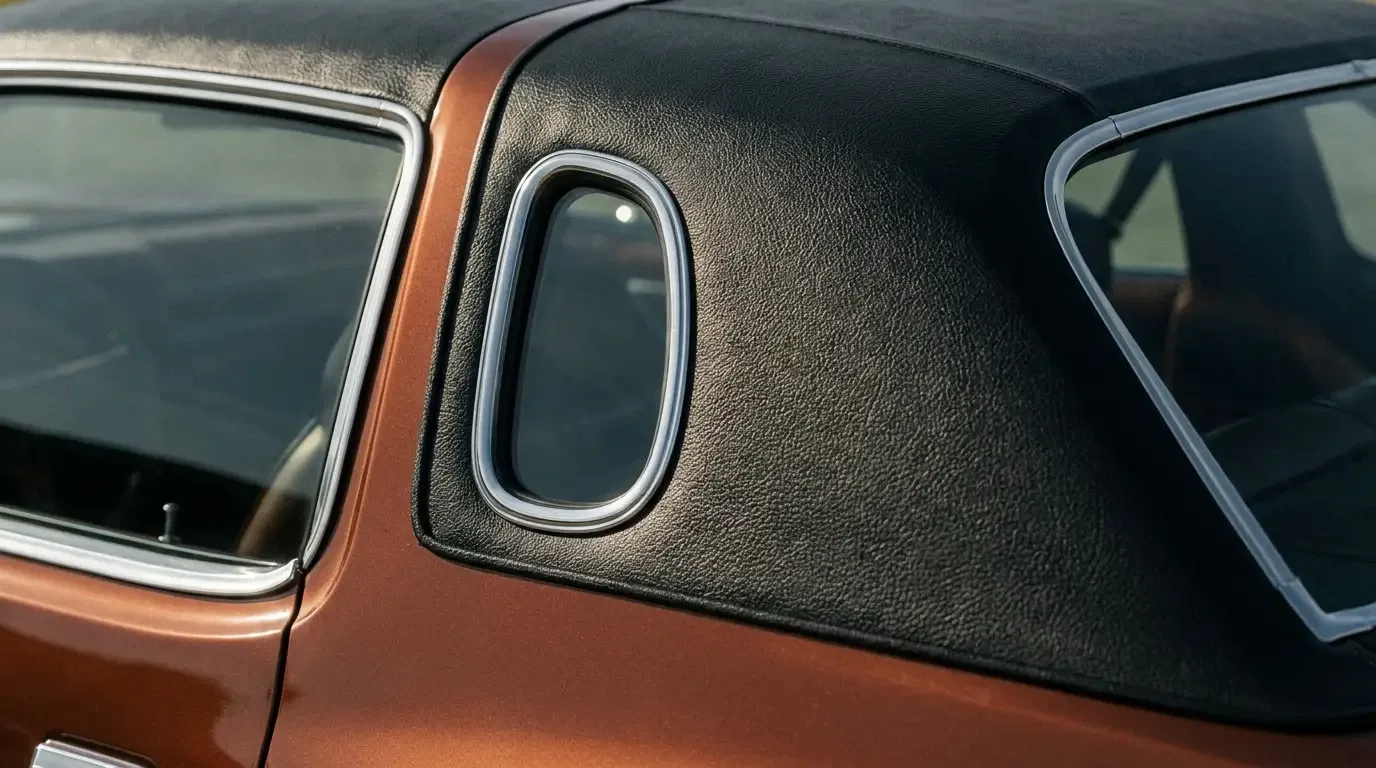
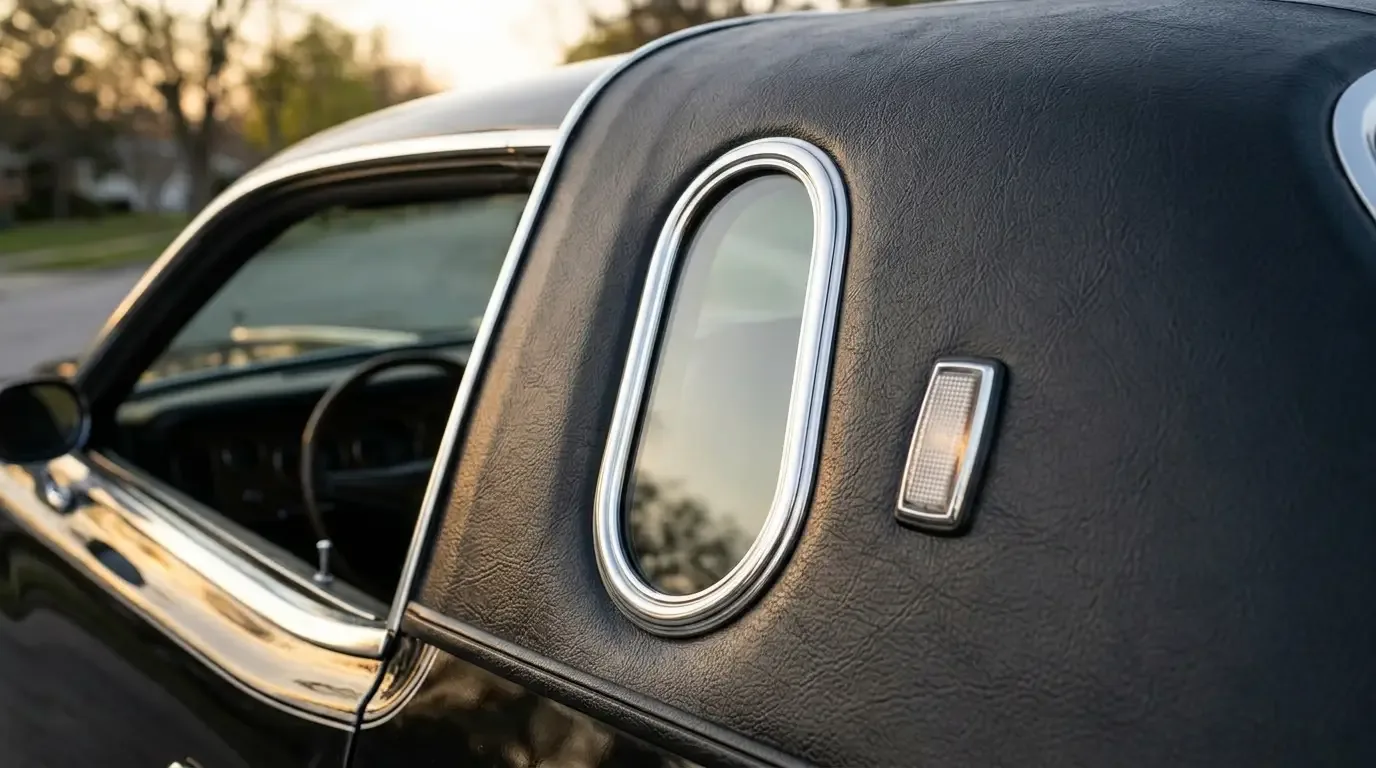
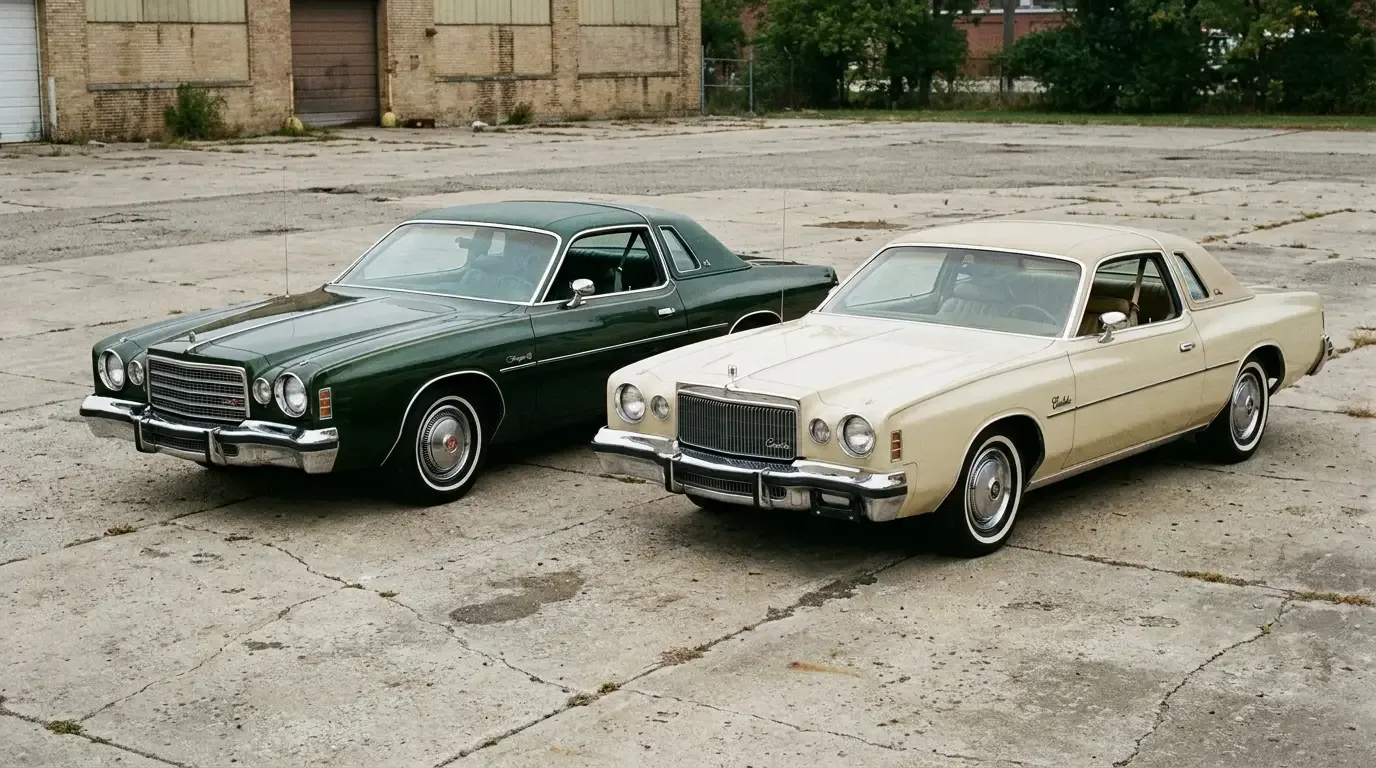
If one detail tells you everything about this Charger, it is the opera window. That small oval of glass set into the rear roof pillar was pure personal-luxury vocabulary, borrowed from the same design language that gave the era its vinyl tops and stand-up hood ornaments. On the SE it was often paired with a padded landau roof that left a body-color band, a so-called halo, running above the doors. The effect was formal, a little theatrical, and completely of its moment.
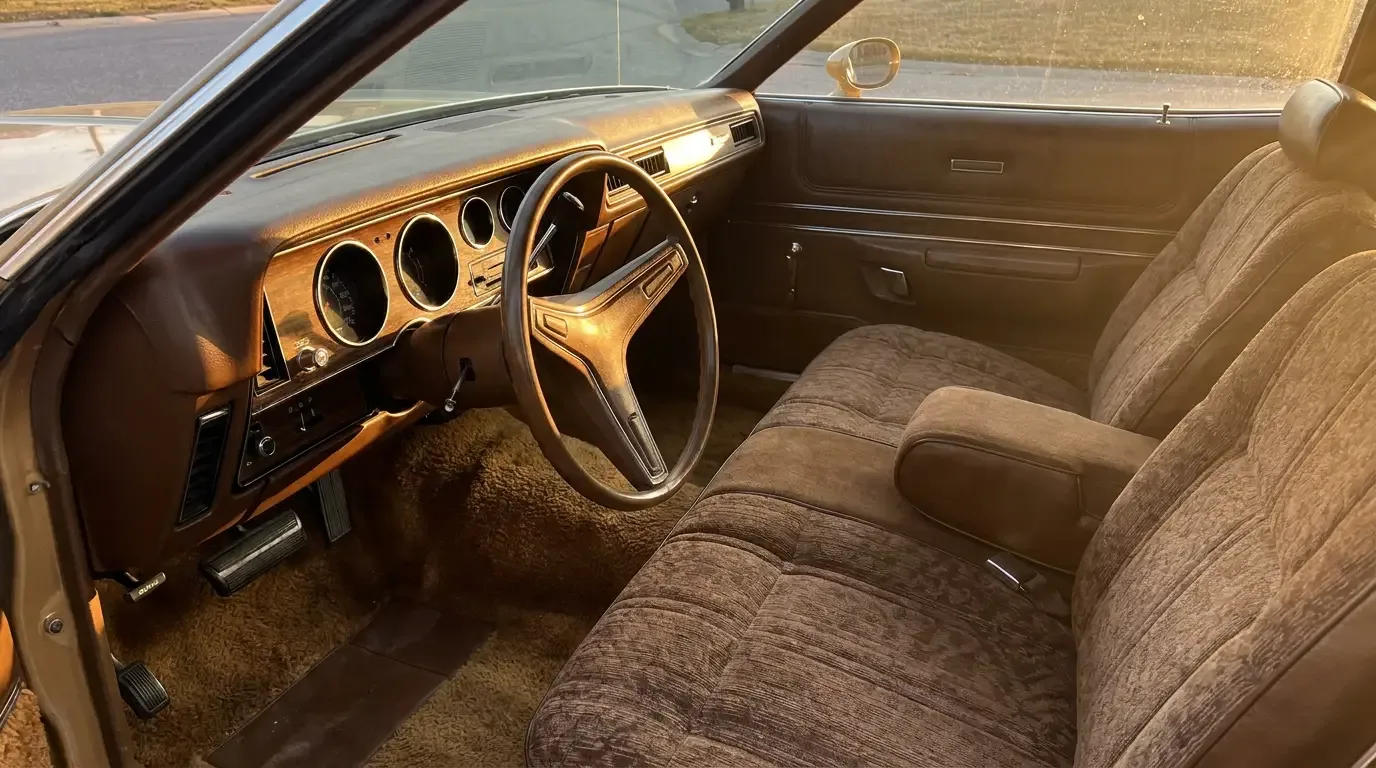
Inside, the story continued. Deep bucket or bench seats in velour, wood-look trim across the dash, and an emphasis on isolation from the road rather than communion with it. The instrument panel favored a clean, upright look over the aggressive cockpit feel of the muscle years. It was a good place to spend two hours on the interstate, which was exactly the point.
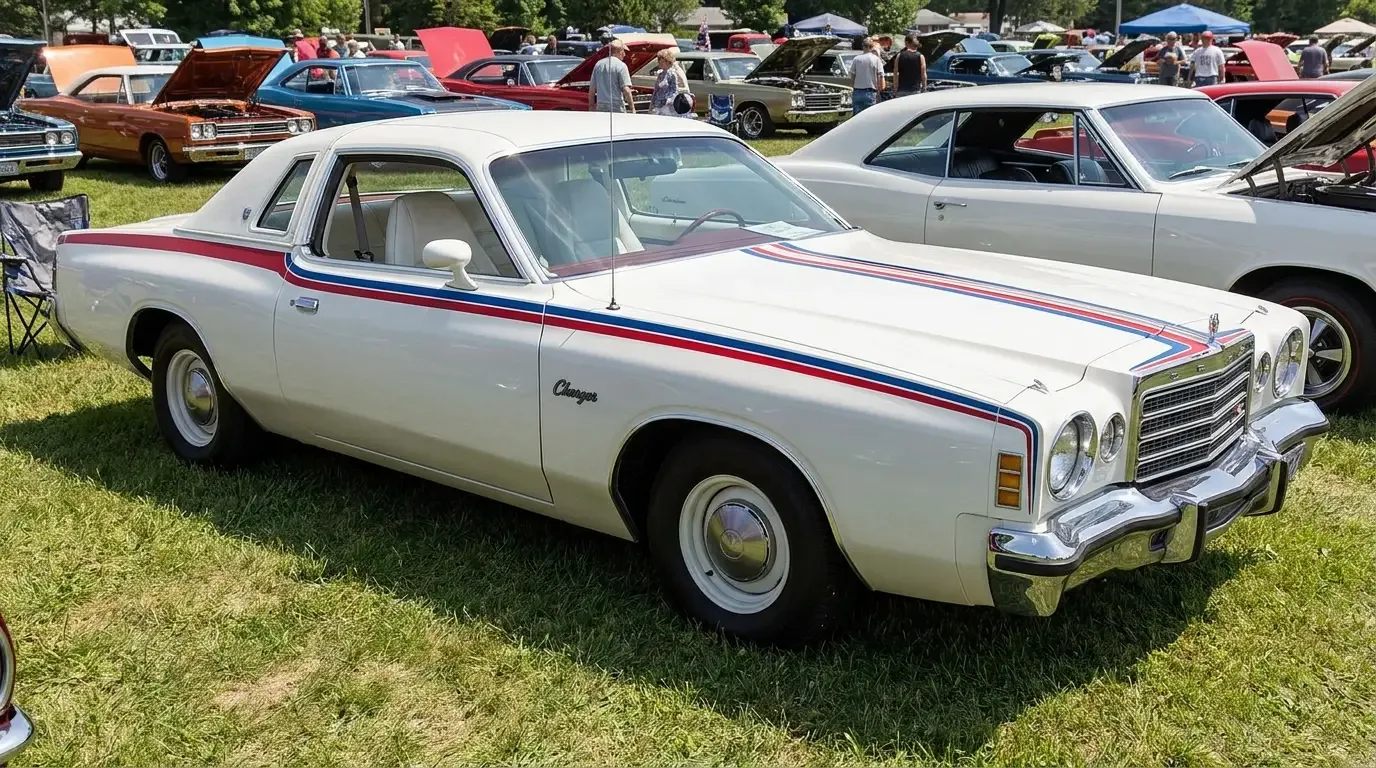
The styling has aged into something more likable than it seemed in period. Where the muscle Chargers shout, the 1976 SE murmurs, and there is a quiet dignity to a clean survivor that a lot of collectors are only now starting to hear.
What the engines actually gave you
This is where the fourth generation asks for honesty. The muscle era was over, killed by insurance surcharges, emissions rules, and the fuel crisis, and the Charger's engine lineup reflected a gray new world. Compression ratios had fallen, catalytic converters arrived for 1975, and the horsepower figures on the window sticker were measured in the newer, more modest net rating rather than the optimistic gross numbers of the 1960s.
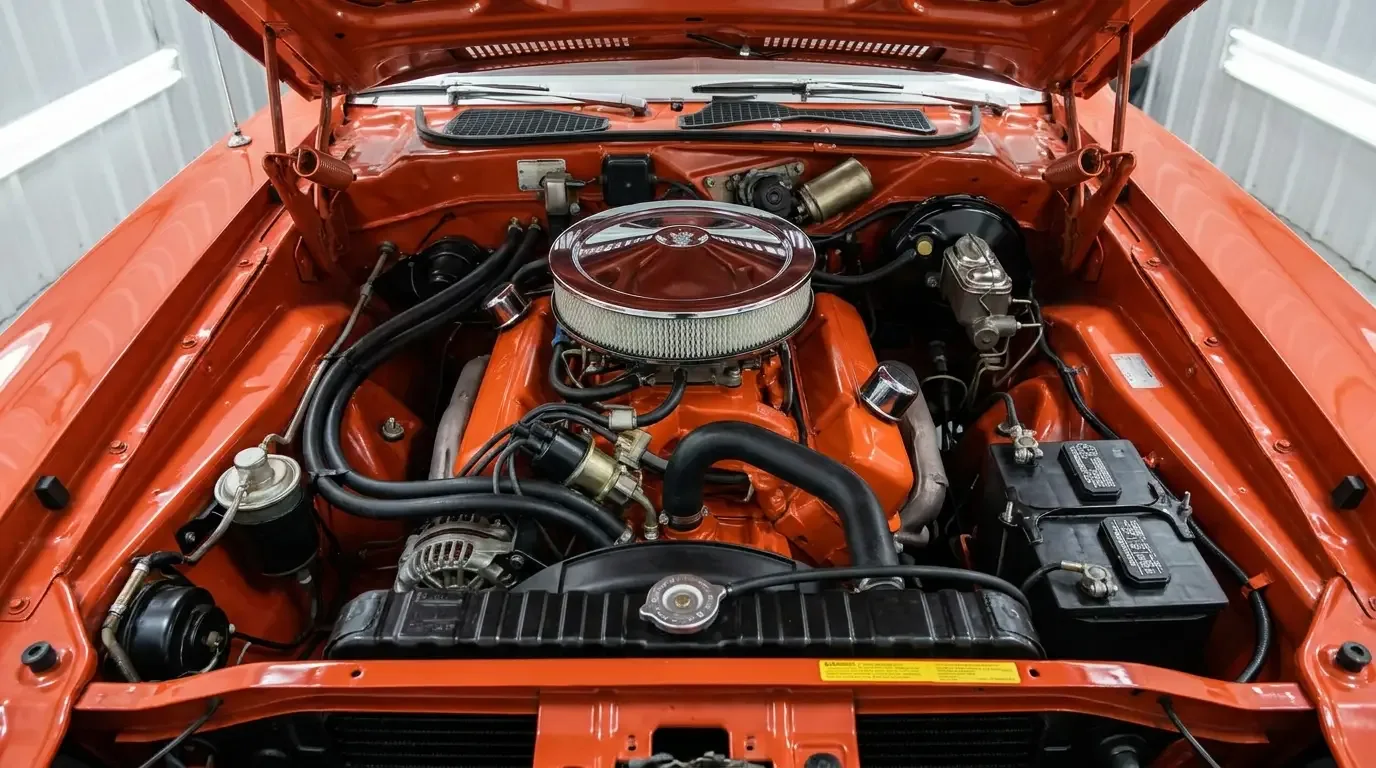
A base Charger could be had with a 318 cubic inch V8 making around 150 horsepower net. Step up and you found the 360, the 400, and, in 1975 only, the 440 cubic inch big block at the top of the range, which in this application produced around 215 horsepower net. That 440 sounds mighty until you remember the same displacement made well over 350 gross horsepower in the muscle years. Same big block on paper, a very different animal in the driveway.
None of this makes the car bad. It makes it a cruiser. The torque of the big engines still moves a heavy coupe with authority, and the driving experience these cars were built to deliver, effortless and smooth, they deliver well. Just do not buy one expecting the acceleration of a 1969 R/T, because the number that matters here is the one on the emissions-era tag, not the one in the legend.
| Spec | Detail (1975-1978 Charger SE) |
|---|---|
| Body | Two-door personal-luxury coupe, Chrysler B-body |
| Platform mate | Chrysler Cordoba |
| Wheelbase | 115 in |
| Base engine | 318 cu in V8, ~150 hp net |
| Top engine | 440 cu in V8, ~215 hp net (1975 only) |
| Transmission | TorqueFlite automatic (most cars) |
| Signature trim | Charger SE with opera windows, landau roof |
| Final classic year | 1978 |
Petty, NASCAR, and one last taste of the track
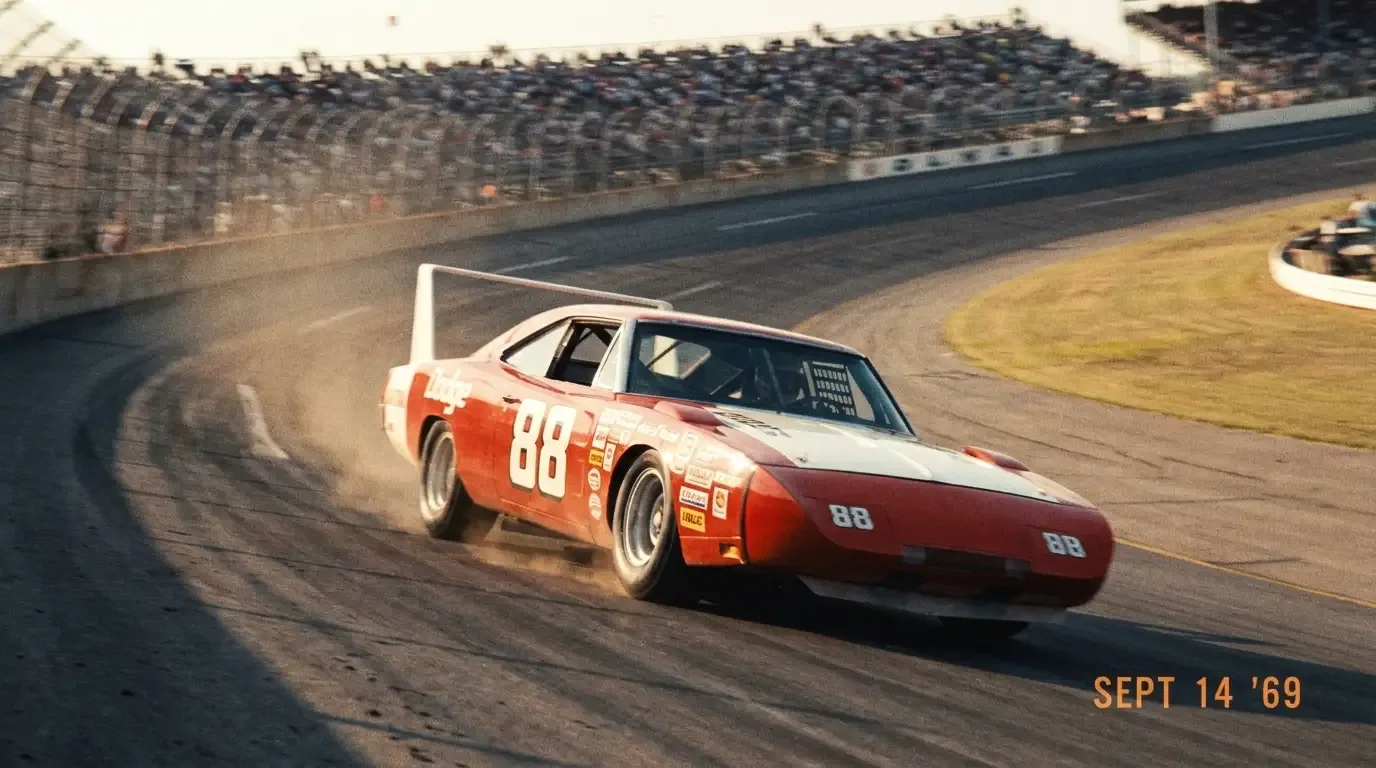
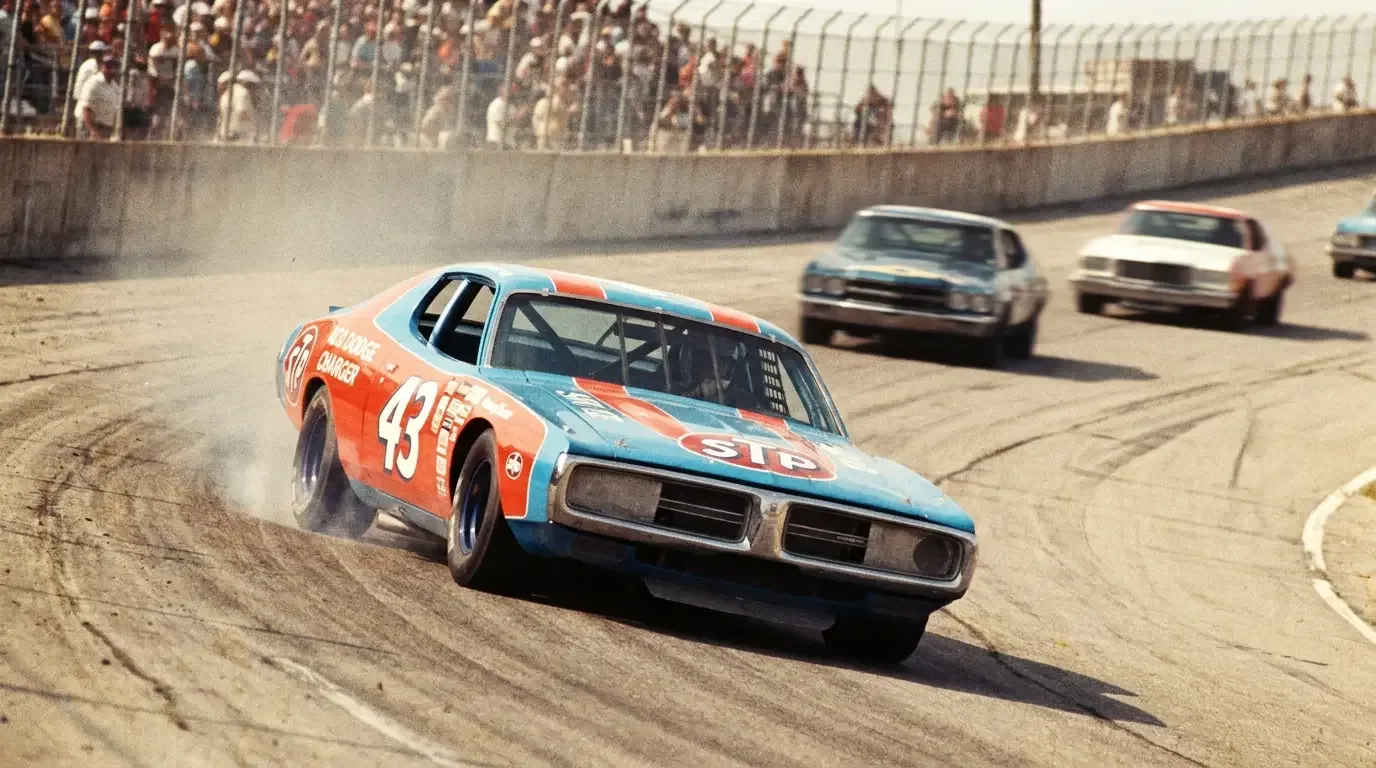
There is a footnote here that muscle fans love, because it complicates the tidy story of a Charger that gave up on racing. While the street car was busy selling opera windows, Richard Petty was still campaigning a Dodge Charger in NASCAR, and in 1975 he won the championship in one, taking 13 wins that season. The race cars, of course, bore almost no relationship to the velour-lined coupe in the showroom. They shared a name and a rough silhouette and little else.
Still, it meant that for a few more seasons the Charger name lived on the high banks even as it settled into suburban driveways. By the later years of the decade that connection frayed too, as Dodge shifted its stock-car effort and the personal-luxury Charger drifted further from anything a racer would recognize. The nameplate that had once defined aerodynamic warfare finished its classic run as a spectator.
The quiet end in 1978
The classic Charger did not go out with a roar. It faded. Sales that had been healthy in 1975 softened as the decade wore on and as Dodge introduced the Magnum, a closely related coupe that overlapped the Charger's territory and pulled buyers away. By 1978 the Charger was in its final year as a rear-drive B-body personal-luxury car, and when it ended, the name went dormant in the form we would recognize as classic.
Production figures tell the arc plainly enough, even if the exact counts get argued over. The first year of the generation was the strongest, with just over 30,000 SE coupes built for 1975, and the numbers thinned from there until the final season in 1978 was a modest send-off of fewer than 3,000 cars. What had been one of Detroit's boldest designs a decade earlier slipped out of the catalog without ceremony.
Collecting the underdog
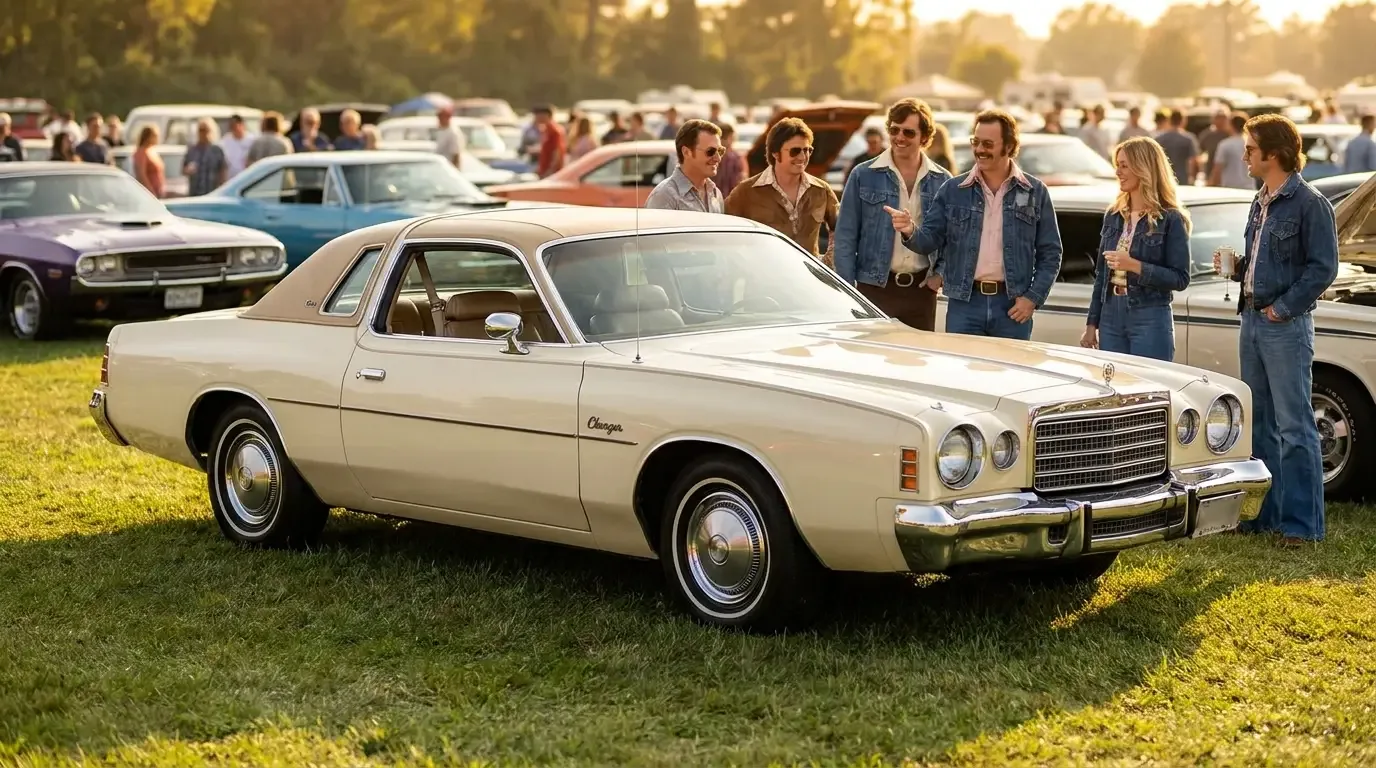
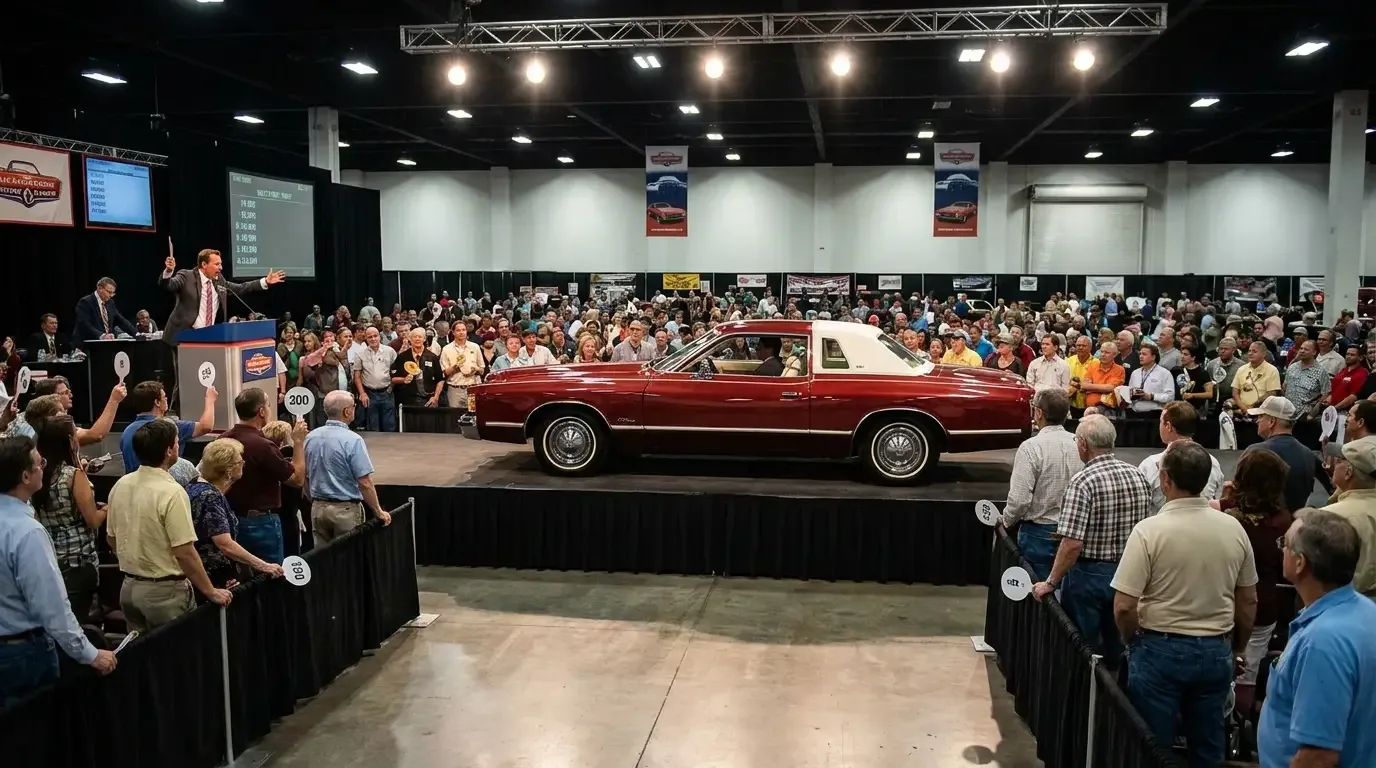
For years these cars were the ones nobody wanted, which is precisely why a certain kind of buyer should be looking at them now. A clean 1976 or 1978 Charger SE remains one of the most affordable ways into a genuine classic Mopar coupe, and the personal-luxury cars of the 1970s have started to find an audience among collectors who grew up seeing them in family driveways rather than on posters.
The things to watch are the things that plague any 1970s Chrysler product: rust in the lower fenders and trunk floor, tired vinyl on the landau roofs that traps moisture and eats the metal beneath, and interiors where the velour and the dash trim have baked in fifty summers of sun. The mechanicals are simple and durable, the big TorqueFlite automatic is nearly indestructible, and parts for the common engines are easy to find. The scarce bits are the trim pieces unique to these years, so a complete, honest car is worth more than a project you plan to chase parts for.
The market still treats them as the family's odd cousin, but the values have been creeping up as the muscle cars price ordinary people out. If you are curious about what is out there, the current listings of classic Dodge Chargers for sale are the best way to see how the fourth-generation cars stack up against their more famous ancestors.
"The man in that barn came for a muscle car and left with a luxury coupe, and six months later he told me it was the best mistake he ever made. He said it drove like a memory. I think that is exactly what these cars are for."
— Nora Beckett
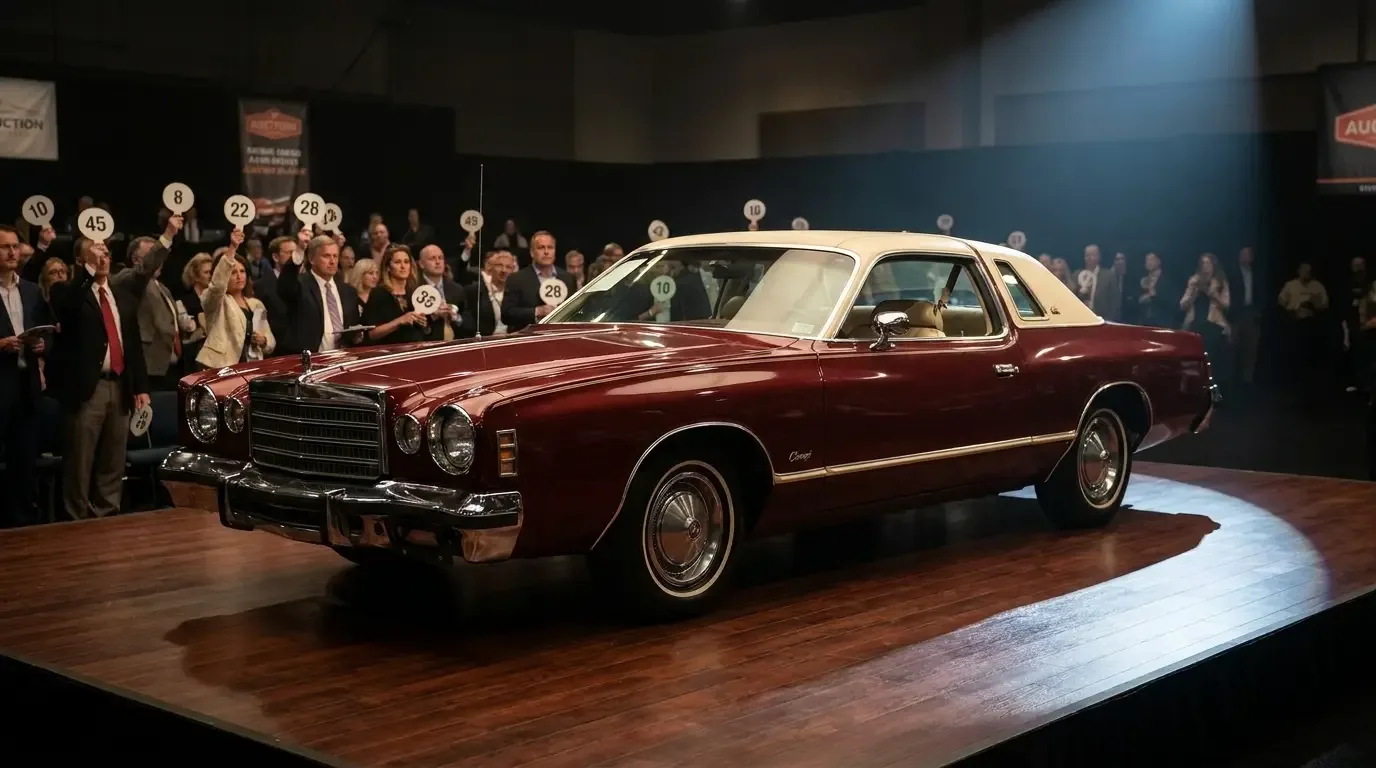
The fourth-generation Charger will never headline an auction the way a winged car does, and it does not need to. It is the honest end of a long story, a car that stopped pretending to be young and settled into being comfortable. The people who understand that are the ones who will end up owning the good ones.
Sources and notes
- Wikipedia - Dodge Charger (B-body) - confirmed the 1975 Cordoba-shared B-body, 115.0 in wheelbase, 318/360/400 engines, opera windows, the 1976 Daytona appearance package, 30,812 sales in 1975, 2,735 in 1978, and the Magnum succeeding it.
- Wikipedia - Chrysler B platform - confirmed the 115-inch wheelbase for 1971 - 1979 two-door B-bodies and the 1975 - 1979 Cordoba.
- Automobile-Catalog - 1975 Charger SE 318 V8 - confirmed the 318 rated at 150 hp SAE net.
- Conceptcarz - 1975 Dodge Charger - confirmed the 440 V8 rated at 215 hp net as the 1975 top engine and the 400 lineup ratings.
- Wikipedia - Richard Petty - confirmed Petty's 1975 NASCAR Cup championship in a Dodge Charger with 13 wins.
- Reed Brothers Dodge History - 1975 Charger SE - confirmed 1975 SE production just over 30,000 units.