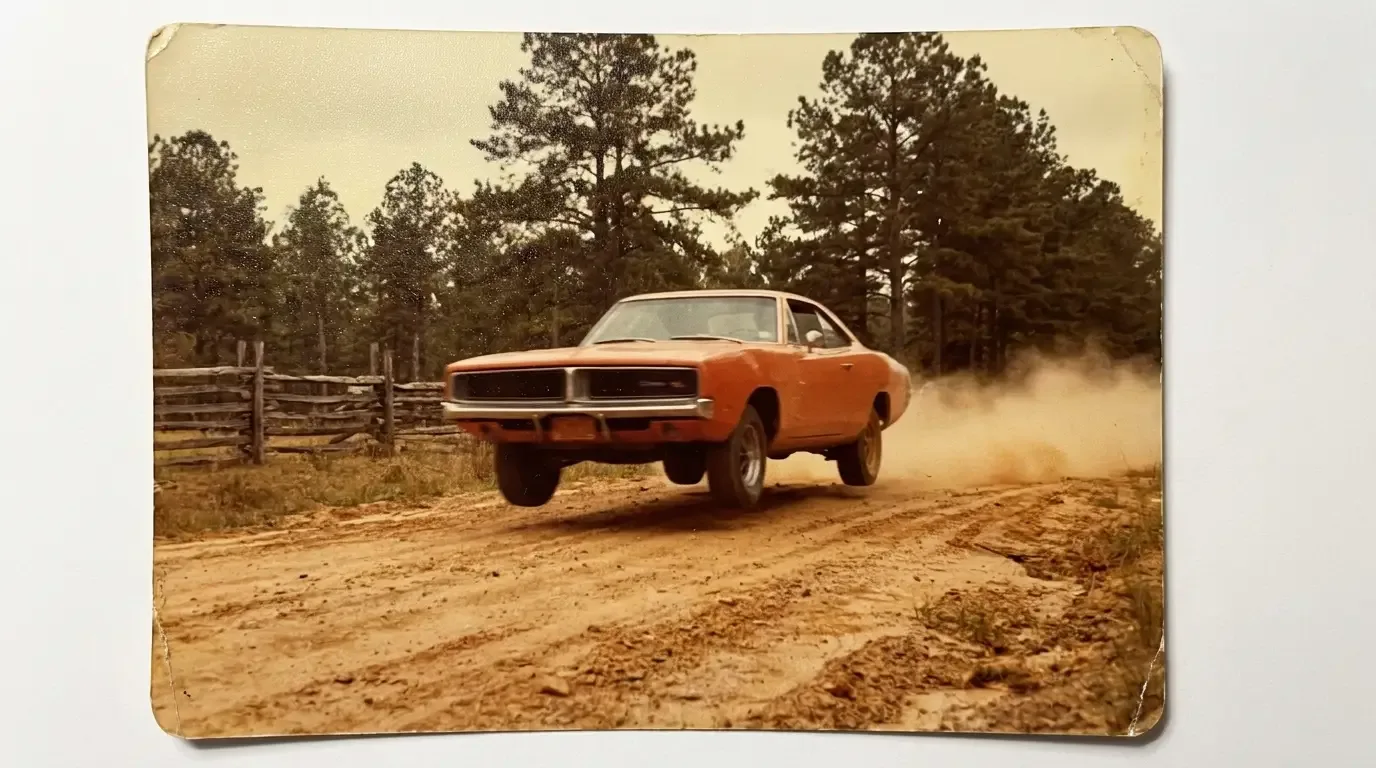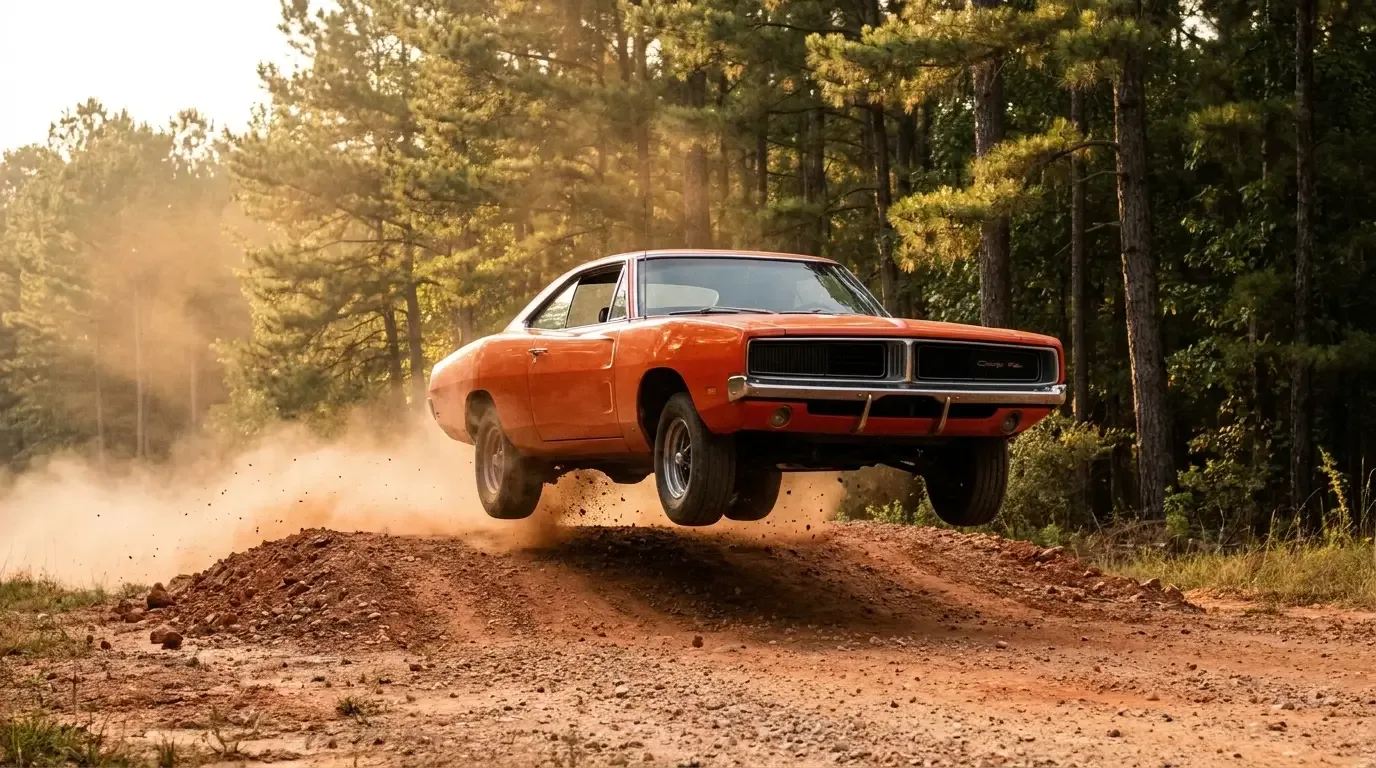
A stunt coordinator on The Dukes of Hazzard once described the fleet in blunt logistical terms: the show didn't own cars, it owned inventory, and inventory got consumed. Somewhere on a back lot outside Covington, Georgia, orange Dodge Chargers arrived by the truckload and left the same way, except most of them left on a flatbed, not under their own power. The question fans keep asking, how many of these cars actually died making the show, turns out to be harder to answer precisely than the internet's favorite round numbers suggest.
The number everyone repeats, and why it's shaky
The figures that circulate most widely put the total number of Chargers consumed across the show's seven-season run at somewhere between roughly 255 and 325 cars, depending on who is counting. Former cast member Ben Jones and builders involved with the show have cited about 325, while others land closer to 255, and the vast majority of those cars were damaged beyond use or scrapped. Those numbers have been repeated so often in retrospectives that they have calcified into fact, but the paper trail behind any single figure is thin. Warner Bros' own record-keeping on stunt car acquisition and disposal from that era was not built with future historians in mind, and no single verified studio ledger has surfaced publicly that confirms an exact tally.
What is not in dispute is the order of magnitude. This was not a handful of cars carefully rebuilt between takes. It was a genuine consumption model, closer to how a demolition derby treats its entries than how any collector would treat a classic today.
Why the cars died so fast
The jump was the killer, nearly every time. The General Lee's signature stunt, launched nose-first off a ramp or a natural berm, put enormous stress on a unibody-adjacent structure that Dodge engineers never designed with that kind of vertical impact in mind. A landing that looked clean on camera could still crack a frame rail or fold a floor pan just enough to make the car unsafe to drive again. Stunt teams got efficient at triaging: a car that survived one jump with cosmetic damage might get patched up for a second use in a background shot, but very few cars jumped twice and stayed structurally sound.
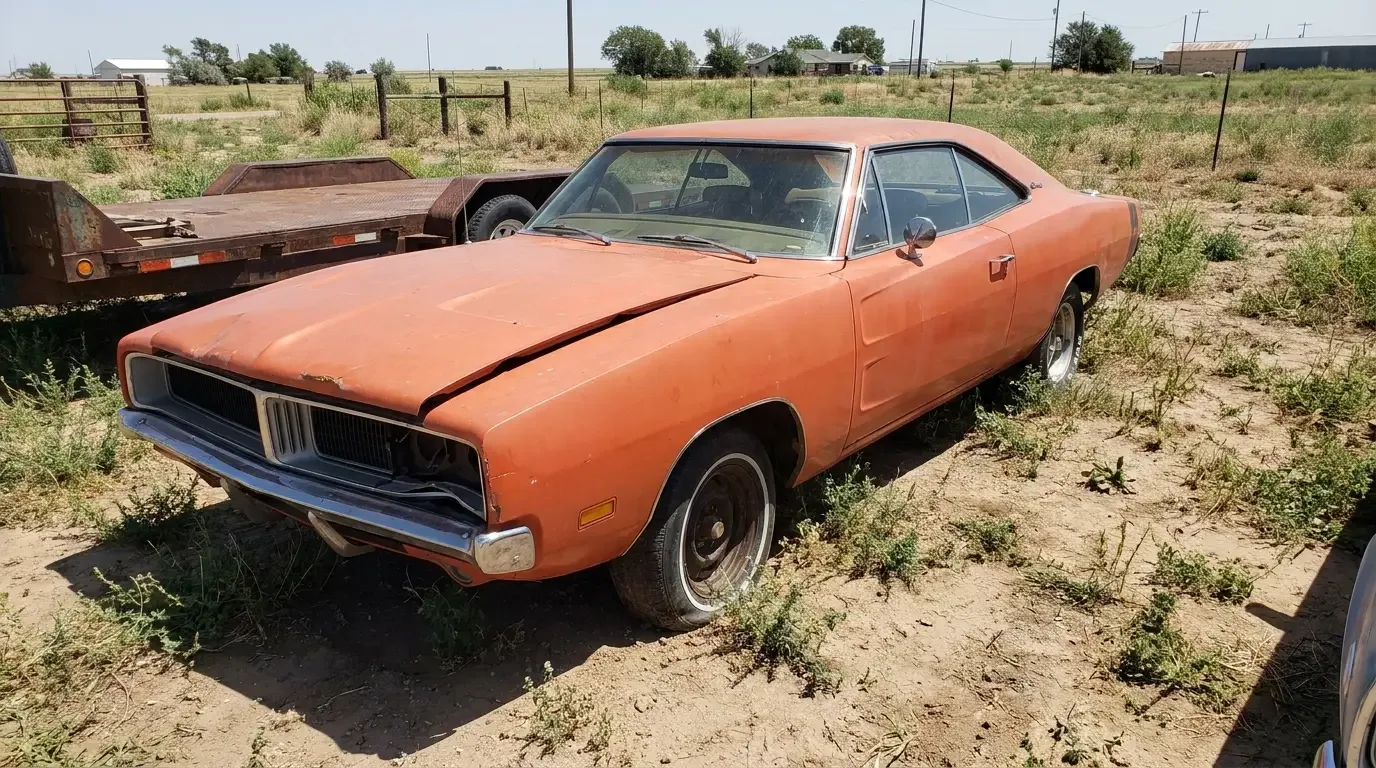
Some cars were destroyed even faster than that. Crash scenes, rollovers, and collision gags accounted for their own share of the toll, separate from the jump cars entirely. By the time a given Charger reached the yard behind the production's Georgia base, it had usually been stripped of anything reusable, tires, glass, trim, and left as a shell.
How many are believed to survive today
Depending on the source and how strictly "verifiable" is defined, the number of surviving screen-used General Lees is generally put at around 17 originals still in existence, in varying states of repair. Some cars used mainly for close-up dialogue shots, never subjected to a jump, had a real chance of surviving the production largely intact and were later sold off or auctioned once filming wrapped. Those are the cars that occasionally surface at high-profile auctions today, commanding prices that have nothing to do with a standard Charger's market value and everything to do with documented screen history.
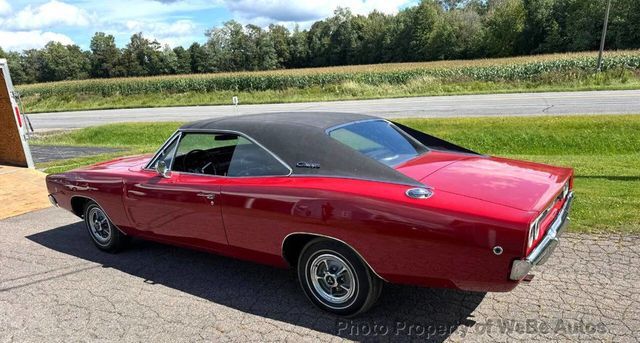
The gap between those genuine survivors and the far larger population of tribute cars, built decades later by fans replicating the paint and door number, is the single most important distinction in this corner of the hobby. A tribute car is a legitimate, enjoyable project. It is not a piece of production history, and treating the two the same in a sale listing is where honest representation starts to break down.
How to tell a real survivor from a good copy
Verifying a genuine screen-used car takes more than an orange paint job and a "01" on the doors, since thousands of fans have replicated that look on ordinary Chargers over the decades. The details that matter are structural and documentary, not cosmetic, and they take real digging to confirm.
Where this fits in the bigger story
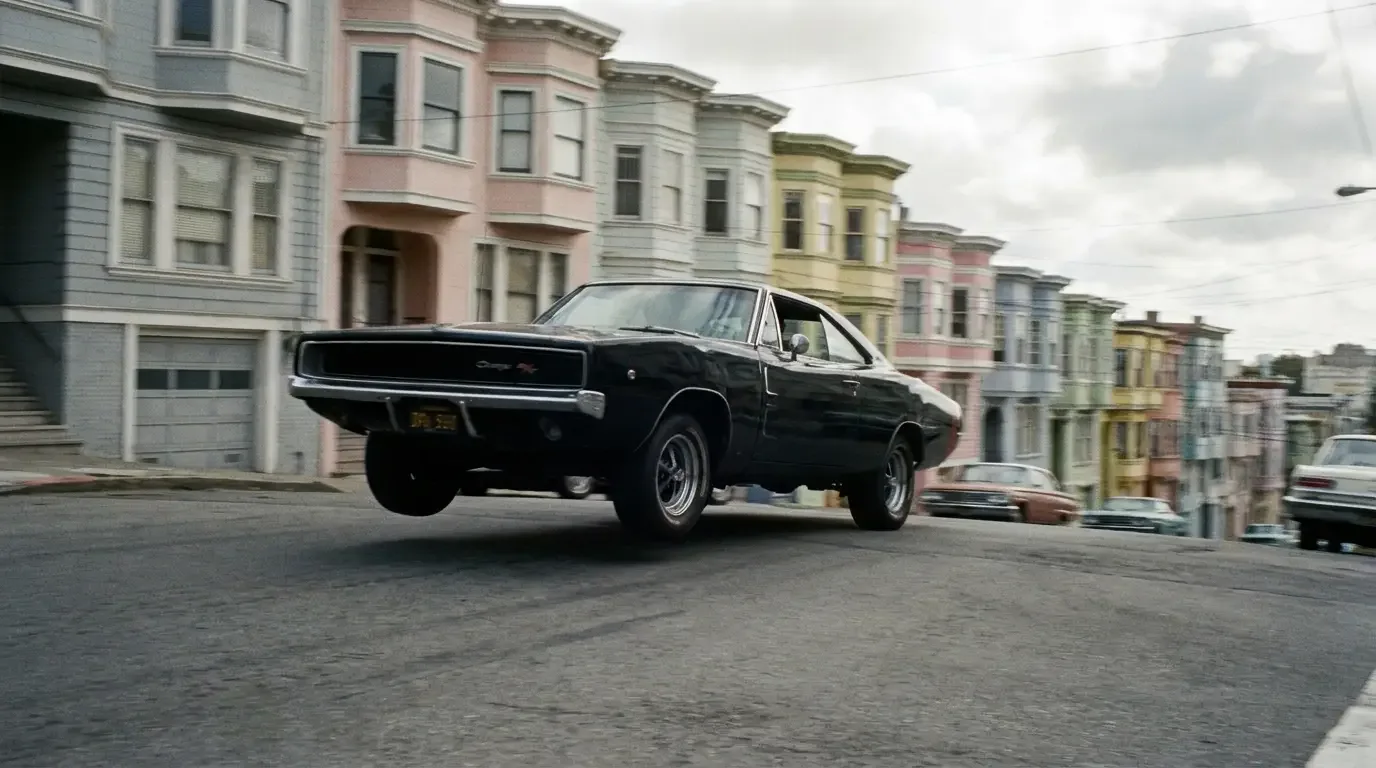
The destruction numbers are really a footnote to a larger story about how a working-class TV production turned an ordinary used muscle car into an entertainment icon, one covered more fully in the Charger in pop culture chapter of this site's Charger coverage. The General Lee was hardly the only Charger to headline a screen, either. The car's earlier and arguably more respected film role is examined in the piece on read more here, which covers the Charger's turn as the menacing pursuit car chasing Steve McQueen through San Francisco a decade before Hazzard County existed.
"There's something almost tender about how few of these cars made it out alive. Every jump was a small goodbye nobody on set had time to notice, because the next orange Charger was already being unloaded off the truck."
— Nora Beckett
What survives isn't just the handful of real cars in private collections. It's the fact that a disposable prop fleet, treated with less ceremony than the show's own extras, ended up as one of the most recognized automotive images in American television. The cars that made it through are quiet now, sitting in climate-controlled garages instead of Georgia dirt lots, and every one of them has a story about the jump it didn't have to make.
Sources and notes
- Wikipedia - General Lee (car) - confirmed the 255-to-325 range of estimates, roughly one car discarded per episode, and about 17 surviving originals.
- Mental Floss - What Happened to All Those Chargers - corroborated the consumption model and the difficulty of an exact studio tally.
- SlashGear - How Many Chargers Were Destroyed - cross-checked the published totals (317 cited in one account, 329 in another) and the destruction rate.
- Legend Lines - Hundreds of Chargers Destroyed - confirmed jump damage as the primary cause of write-offs and the widening search for clean cars.
- HotCars - The Dukes of Hazzard Charger - verified the survivor-versus-tribute distinction that governs values today.