
Picture a Pontiac product planner sometime in 1968, staring at sales figures that had to have stung a little. Plymouth had just launched a car with a cartoon bird on the fender, a deliberately bare-bones muscle machine named after a Warner Bros. character, and it was selling faster than anyone at Chrysler had projected. Pontiac had spent years building the GTO's reputation as the car that started the muscle car movement in the first place, and now a cheaper, simpler competitor was eating into exactly the buyer they thought they owned. The story of the Judge really begins right there, in that moment of a company watching a rival outflank them on price.
Car Features
7 min read
How the Judge Was Born as a Budget-Muscle Answer to the Road Runner
The Judge exists because Plymouth's Road Runner forced Pontiac's hand. Here's the story of how a rival's value-priced muscle car reshaped the GTO lineup.
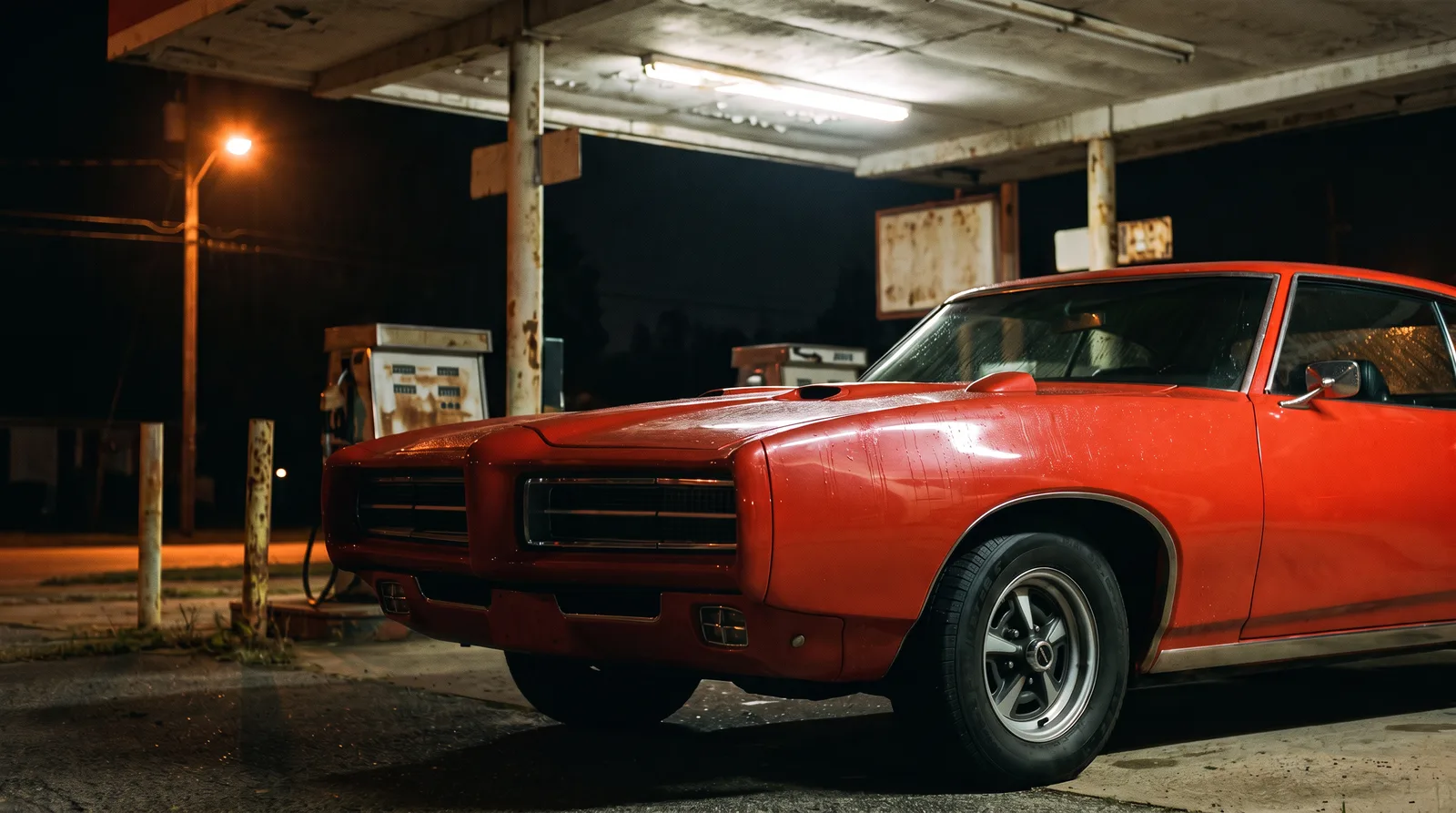
The Road Runner's uncomfortable lesson
The Road Runner's whole pitch was refreshingly honest for the era. Strip away the chrome trim, skip the plush interior options, keep the price down, and put a genuinely strong engine under the hood. Plymouth was betting that a big share of the muscle car audience cared more about straight-line performance per dollar than they cared about creature comforts, and the sales numbers proved them right almost immediately. For a company like Pontiac, which had built the GTO's identity partly around a slightly more upscale, image-conscious positioning within the muscle car field, that was an uncomfortable lesson to absorb.
Pontiac couldn't simply copy the formula wholesale without undermining the GTO's existing identity, but they also couldn't ignore a competitor pulling buyers away with a value proposition that resonated so clearly with a specific type of customer. The first idea was a stripped-down, lower-priced GTO that could fight the Road Runner on price, but under John DeLorean it became a package deal instead, a way to offer aggressive performance and a bold, unmistakable identity without abandoning what the GTO nameplate already meant to the buyers who valued it.
A package, not a whole new car
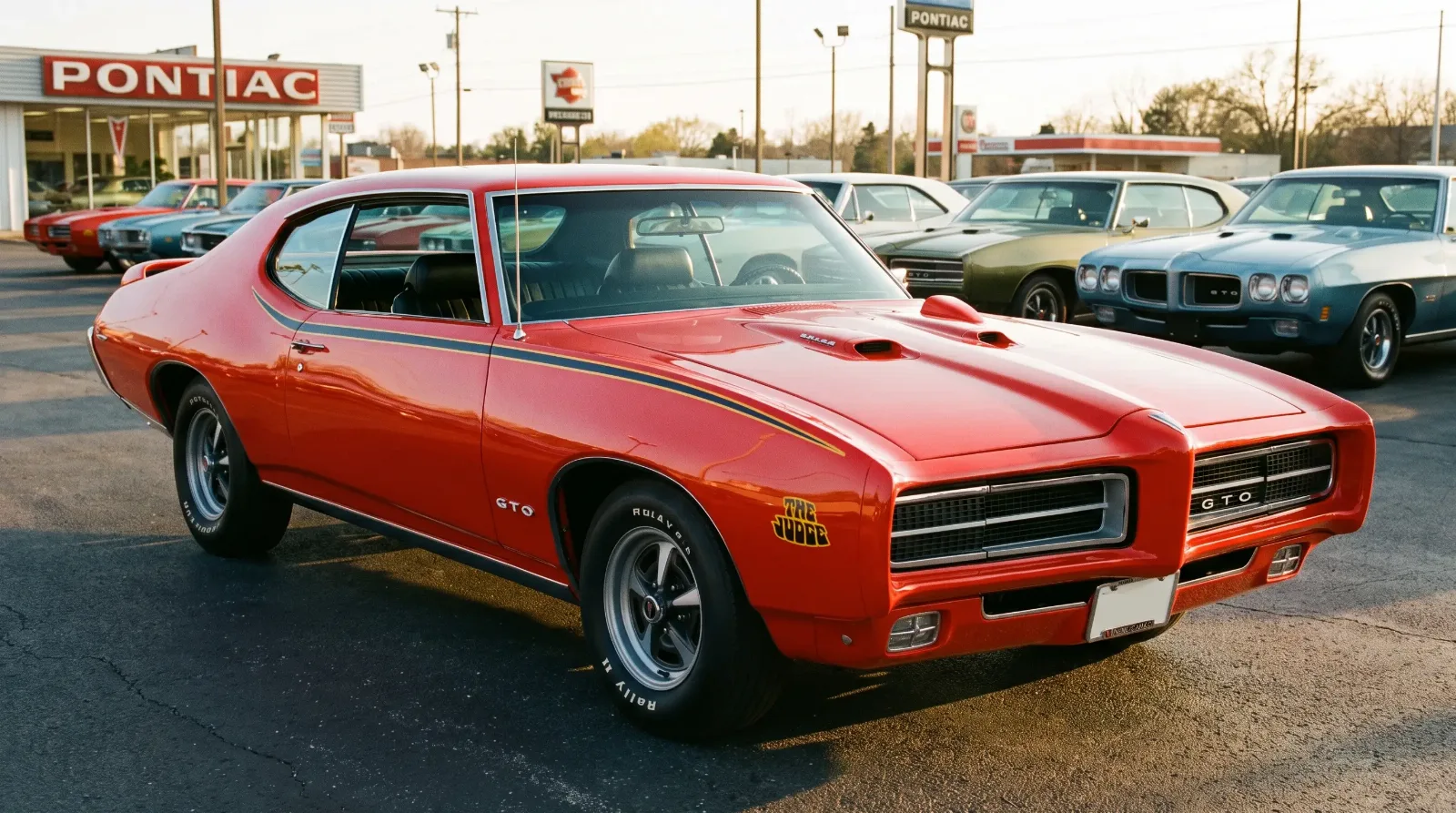
That's the key decision that shaped everything about how the Judge came to exist. Rather than engineering an entirely separate model the way Plymouth had with the Road Runner, Pontiac built the Judge as an option package layered onto the existing GTO. It was a faster, cheaper path to market, and it let Pontiac lean on everything the GTO already had going for it, the reputation, the dealer network, the engineering already proven in production, while adding a new visual identity aimed squarely at the buyer the Road Runner was pulling away. The catch was price: the finished Judge was a $332 option on top of a GTO, so it cost more than the regular car, not less.
There's a kind of resourcefulness in that decision that doesn't always get enough credit in how this story gets told. Pontiac didn't have the luxury of years to develop a from-scratch competitor. They needed something in showrooms fast, and the option-package approach let them respond to a competitive threat on a timeline that a clean-sheet car never could have matched.
Not a clone, a different kind of answer
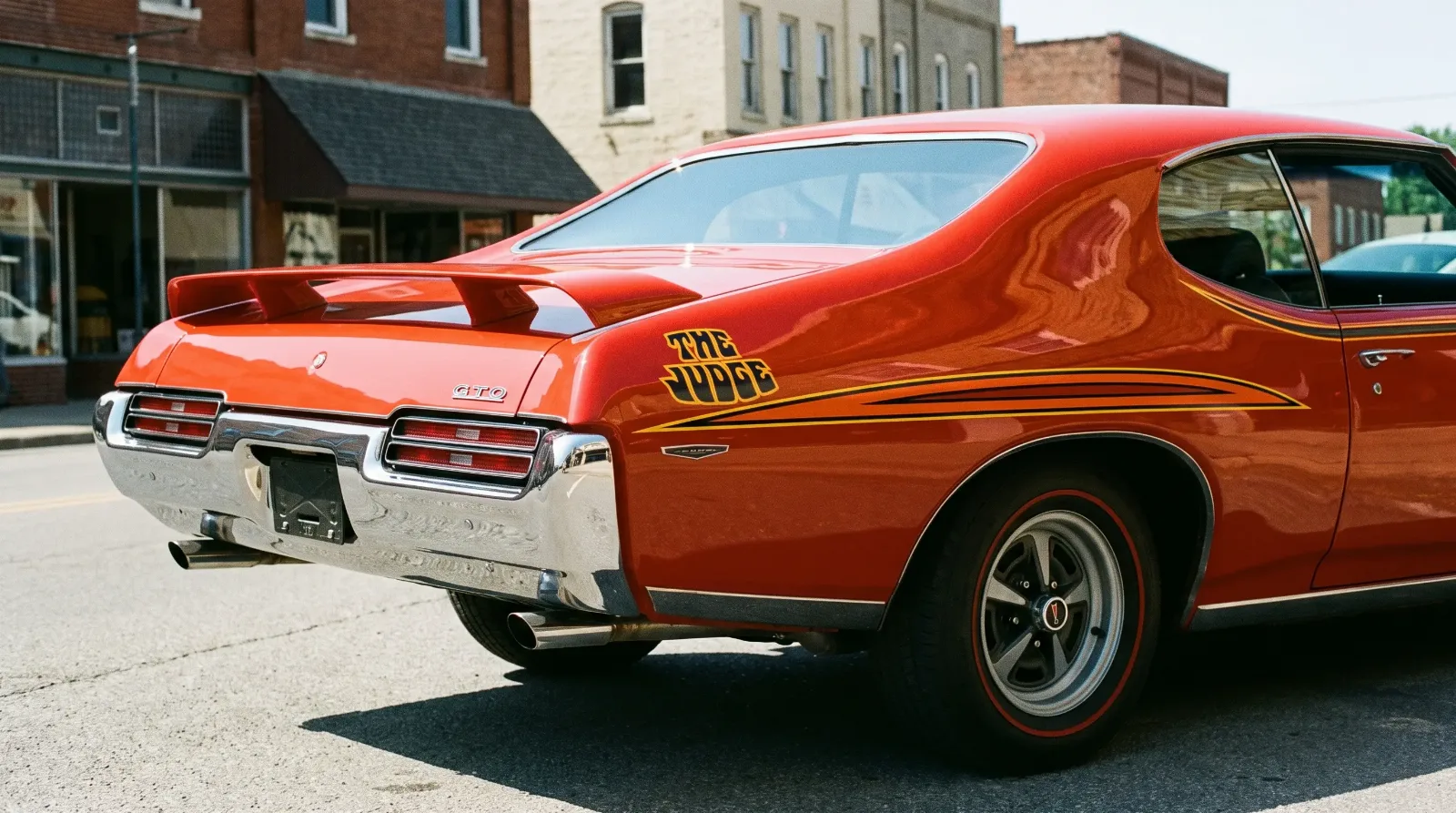
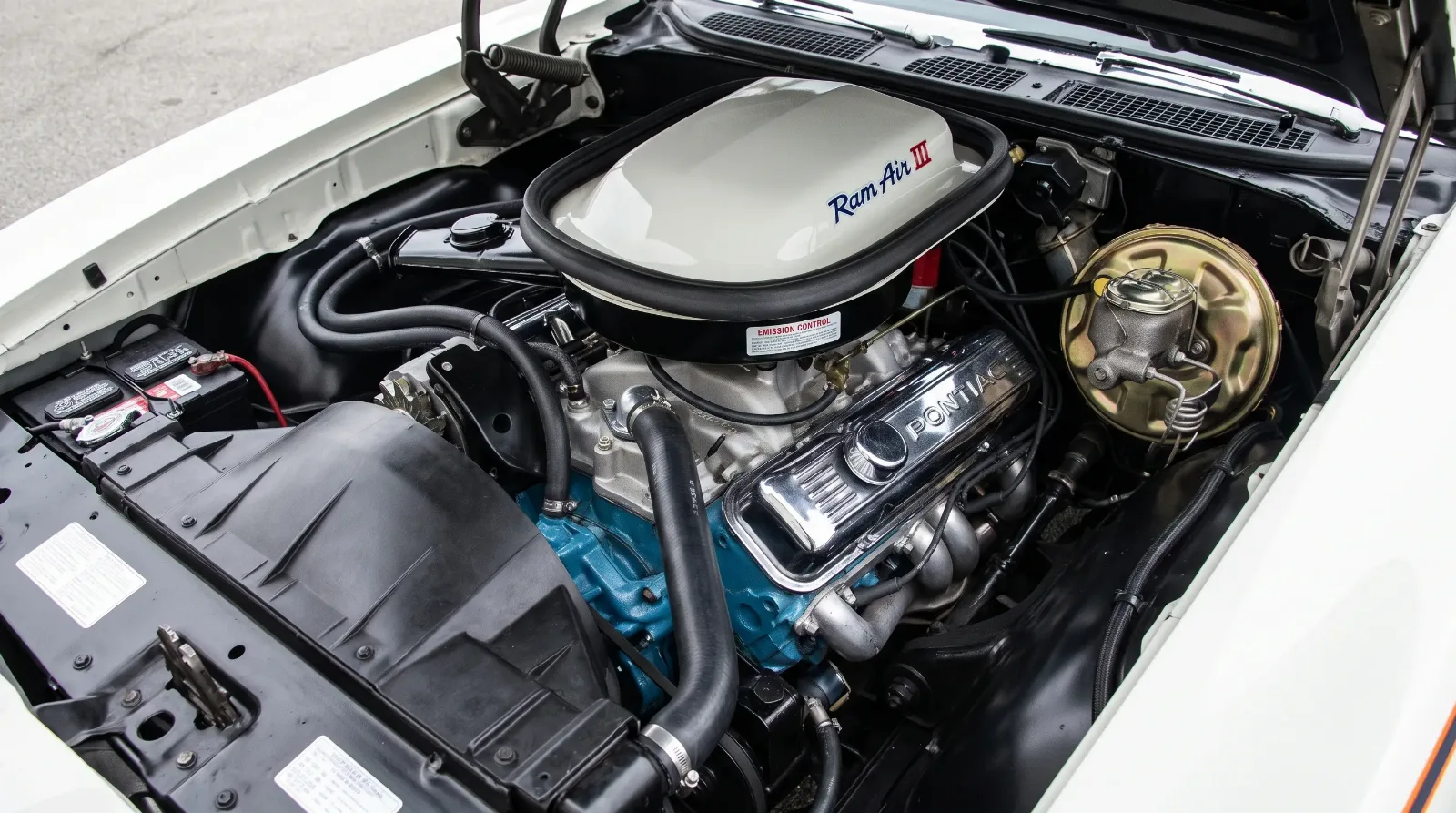
What's worth remembering here is that the Judge wasn't simply a Pontiac-badged copy of the Road Runner's formula. Where Plymouth stripped things down to hit a low price, Pontiac built the Judge as a bundled package priced above the regular GTO that still delivered real performance and a striking visual package, without going quite as far into no-frills territory as the Road Runner did. The Judge kept the Ram Air induction, the aggressive graphics, the wing, all wrapped into one option code, aiming at a buyer who wanted the value proposition of a package deal without feeling like they'd bought the absolute bargain-basement version of a muscle car.
That distinction mattered to how the two cars were perceived even though they were competing for a lot of the same buyers. The Road Runner leaned into its everyman, no-nonsense identity almost as a badge of pride. The Judge leaned into attitude and visual presence, courtroom name and all, offering a different flavor of value rather than a straight imitation of Plymouth's approach.
A timeline that reveals how fast Detroit could move
What strikes me most, revisiting this history now, is how quickly the whole thing came together. The Road Runner launched and immediately proved its formula worked. Pontiac had to identify the threat, agree internally on a response, develop the package, coordinate with Hurst on the shifter linkage, finalize a marketing campaign built around a borrowed catchphrase, and get dealers stocked and trained, all in a window measured in months rather than years. That kind of turnaround feels almost unimaginable against how automakers develop and launch products today, where a single trim package can spend years working through committees before it ever reaches a showroom floor.
Part of what made that speed possible was exactly the option-package structure Pontiac chose. There was no need to tool up a new body, validate a new platform, or run the multi-year development cycle a genuinely new model would require. The bones were already there in the existing GTO. Pontiac's job was assembling the right combination of existing and adapted parts into a package compelling enough to answer Plymouth's move, and dressing that package in an identity strong enough to stand on its own rather than reading as a defensive reaction. Judged by how well the Judge is remembered today, that fast, resourceful response succeeded far beyond what a simple stopgap measure usually manages.
How the market actually responded
Both cars found real audiences, which tells you there was room in the market for more than one interpretation of budget-conscious muscle. The Road Runner continued its own strong run through the following years, and the Judge carved out its own devoted following, one that has only grown stronger among collectors in the decades since. Neither company fully displaced the other, which in hindsight looks less like a failure for Pontiac's response and more like proof that the competitive pressure Plymouth applied was real enough to reshape how a rival planned its own lineup, without being so overwhelming that Pontiac's answer got lost in the shuffle.
"Competition is usually the real author of a car's story, more than any single designer or executive. The Judge exists in the shape it does because Plymouth forced Pontiac's hand, and there's no shame in that. That's how the best cars of that era got made."
Patrick Walsh
Looking back, the Judge's origin as a competitive response doesn't diminish it. If anything, it explains why the package feels so purposeful, built with a clear target in mind rather than assembled without direction. Pontiac knew exactly who they were answering when they built this car, and that clarity of purpose shows in every part of how the Judge was assembled and marketed. To see exactly what buyers got for their money once the package reached showrooms, including the colors and the numbers behind that first 1969 model year, read on.
Sources and notes
- Wikipedia - Plymouth Road Runner
- HotCars - the $50,000 secret in the Road Runner's horn
- Old Cars Weekly - here come the Judge, the first-year 1969 GTO Judge
- Silodrome - 1969 Pontiac GTO Judge, John DeLorean's Road Runner hunter
- Audrain Auto Museum - 1969 Pontiac GTO Judge
- HowStuffWorks - 1969 Pontiac GTO Judge profile
Related Reading
Have a
Pontiac GTO
for Sale?
Reach thousands of serious classic car collectors across the US.
Sell It Here →
Selling a classic? Here's how: sell my classic car
Are You a Classic Car Dealer?
List your full inventory and connect with targeted classic car buyers.
Join as a Dealer →

About the author
Patrick Walsh
Automotive journalist covering classic car shows, events, and the enthusiast community across North America.
Related Listings - Pontiac GTO


Comments (1)
M
MoparMatt
1 week ago
Gotta push back, the Road Runner outsold the Judge by a mile. Plymouth won that round easy.
M
M22Rockcrusher
1 week ago
Add this: the Road Runner ran the A833 four-speed, the Judge got a Muncie with that Hurst linkage. Both stout boxes. The A833 just took more abuse at the strip. Matt's right on volume, so call that one a low-gear win for Plymouth.