
People ask me all the time whether that rear wing on a Judge actually does anything at highway speed, or whether it's just there to look mean in the parking lot. I've spent enough time under and around these cars to give you a straight answer, and it's not as simple as pure function or pure fashion. It's a little of both, and understanding which parts are which will save you from repeating some bad information I hear at nearly every show. If you haven't already, go read the GTO Judge story for the full background on how the package came together, because the wing was baked into that whole visual identity from day one.
Car Features
7 min read
The Judge's Rear Wing: Function, Fashion, or Both?
The Judge's rear wing was more image than aerodynamics, but that doesn't mean it did nothing. Here's what to know about it, and what to inspect before buying.
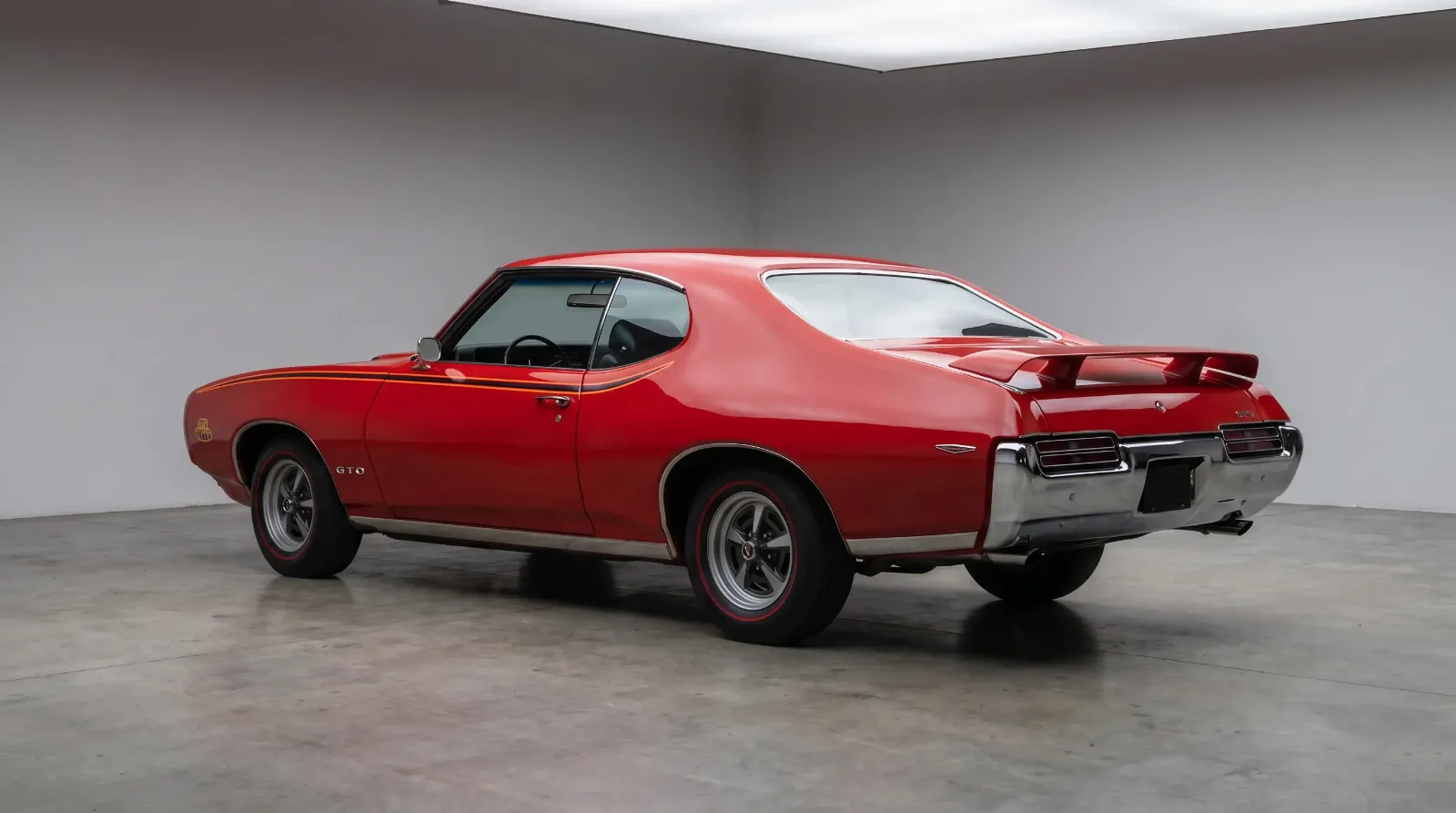
What the wing was actually designed to do
The rear-mounted wing that came standard with the Judge package wasn't a NASCAR-style downforce device engineered in a wind tunnel to keep the rear tires planted at 150 miles an hour. Let's be honest about that up front. At the street and strip speeds these cars were actually driven at, the aerodynamic contribution of that wing was modest at best. Pontiac's engineers weren't chasing lap times at Daytona with this piece. They were chasing a look, and a very effective one, that told anyone behind you at a stoplight exactly what kind of car they were dealing with.
That said, I want to push back a little on people who dismiss it as pure decoration with zero function. Any raised surface at the back of a car does something to the airflow coming off the rear glass, even if that something is small. The Judge wing likely provided a modest amount of rear-end stability at higher speeds compared to a completely flat decklid, even if nobody at Pontiac was publishing wind tunnel numbers to prove it, and its position low on the decklid rather than up in clean airflow means most of that benefit is disputed among owners to this day. Small effect, real effect, not the same thing as "no effect."
Why it mattered more as an image piece
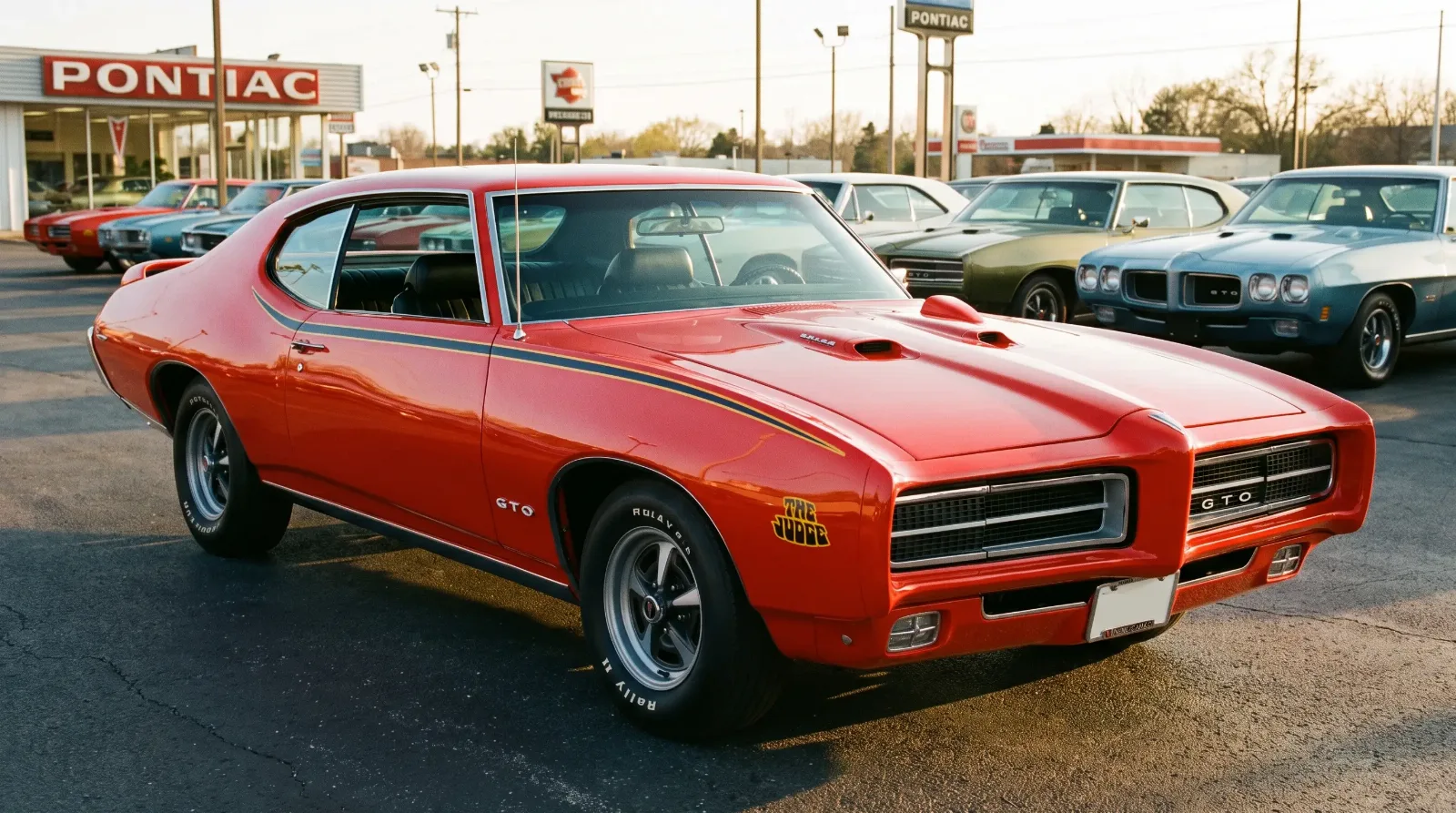
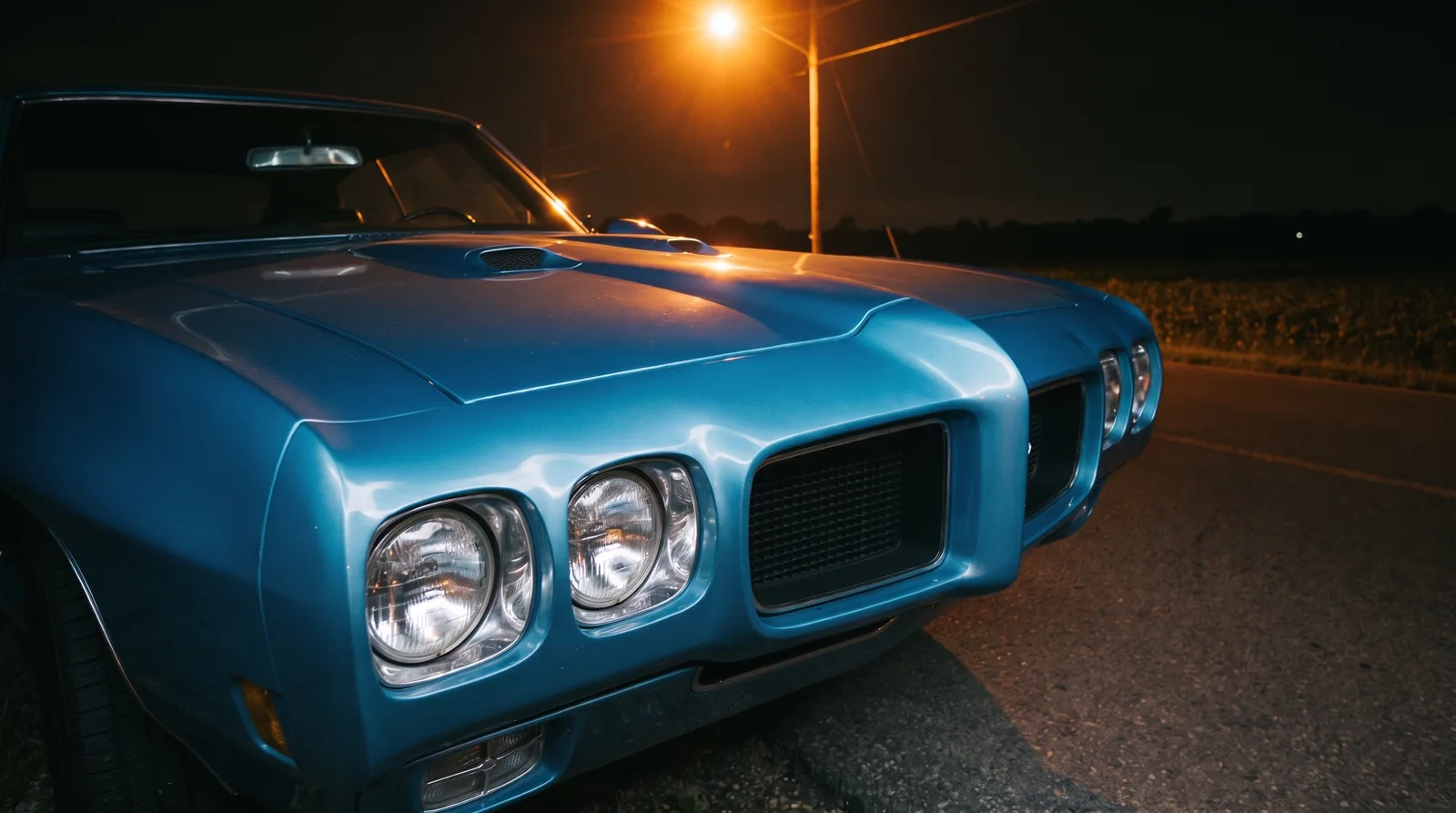
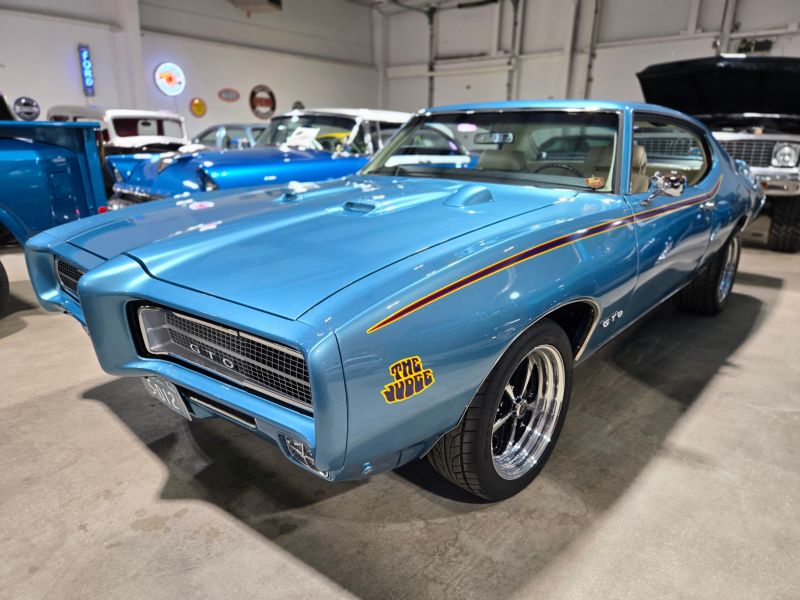
Where the wing really did its job was in showrooms and on the street, not on a racetrack. Pontiac was selling an attitude with the Judge, aimed at a younger buyer who wanted their car to announce itself before the engine ever turned over. The wing, paired with the bold Judge decals and the available Carousel Red paint, gave the car a silhouette you could pick out of a parking lot from fifty yards away. That visual punch sold cars, and it sold the image Pontiac's ad campaign was built around just as much as the horsepower figures did.
I've talked to guys who bought their Judge new specifically because of how it looked sitting on the lot, engine specs a secondary consideration behind the fact that the thing looked like nothing else parked next to it. That's not a knock on the car. That's smart marketing meeting a buyer who wanted exactly that. Function and fashion were never really separate goals here, they were the same goal approached from two directions.
What I check when I'm evaluating a wing on a real car
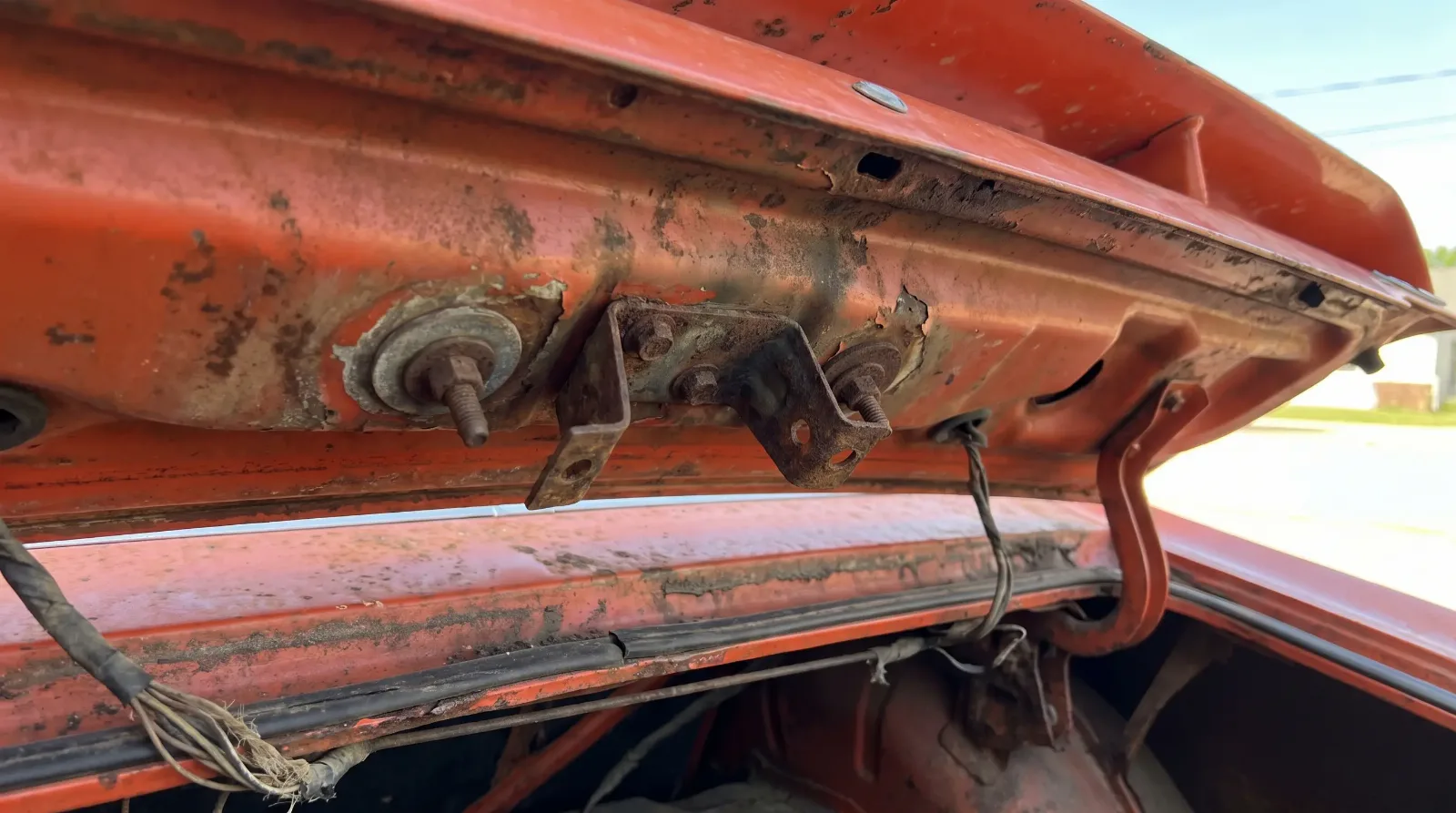
When I'm under a Judge doing an inspection, the wing gets more attention from me than most buyers expect. First thing I look at is the mounting hardware and the decklid underneath it. These wings were bolted through the trunk lid, and over five decades that mounting point is a common spot for rust to start, especially on cars that spent winters anywhere road salt gets used. I've seen decklids that looked fine from ten feet away hiding real corrosion right where the wing brackets pass through.
Second thing is originality. A lot of reproduction wings are on the market now, and while some are built well, the mounting hole spacing and the wing profile itself can differ subtly from factory originals. If you're paying a documented-Judge premium, you want to confirm the wing on the car, or at minimum the mounting points, match what a genuine factory piece would look like. A car with the right decklid holes and rust patterns consistent with an original wing tells a more convincing story than one with fresh drilled holes and a shiny reproduction bolted on last year.
| Inspection point | What to look for |
|---|---|
| Decklid mounting area | Rust or repair around bolt holes |
| Bolt hole spacing | Consistency with factory original placement |
| Wing profile and material | Match to documented factory piece vs. reproduction |
| Paint under wing brackets | Original paint layer vs. repaint evidence |
What competitors were doing with wings at the same time
Pontiac wasn't operating in a vacuum here. By the late sixties, several manufacturers were putting rear wings and spoilers on their performance models, chasing the same visual language that said "this car means business" whether or not the underlying aerodynamics justified the claim. Mopar's wing cars and various dealer-installed spoiler packages from other makes were all part of the same broader trend. The Judge's wing fit squarely into that industry moment rather than standing apart from it as a unique Pontiac invention.
What set the Judge apart wasn't the concept of a rear wing itself, it was how well the piece integrated with the rest of the package's visual identity. Paired with the stripe treatment and the bold colors, the wing read as part of a coherent design statement rather than a bolted-on afterthought, and that cohesion is part of why the look still holds up as recognizable and desirable decades later, long after most of its contemporaries have been forgotten by anyone outside the hobby.
Living with it as a daily driver back in the day
One more practical note that doesn't come up enough. The wing sat right at the trailing edge of the trunk lid, which meant it could interfere with loading longer items into the trunk, something original owners groused about more than you'd think from how much they loved the look. Golf clubs, grocery bags, a set of jumper cables, all of it required a little more care getting past that wing than it would in a plain-decklid GTO, and more than one owner learned to load the trunk from an angle rather than straight on. It's a small tradeoff, but it's the kind of real-world detail that reminds you these were daily drivers for a lot of their original owners, not just show pieces sitting under a cover.
"The wing wasn't going to win you a road race, but it won you the argument at the drive-in before you even said a word. Sometimes that's worth just as much."
Mike Sullivan
So is it function or fashion? Both, weighted heavily toward fashion, and there's nothing wrong with admitting that about a car built to sell an attitude as much as a lap time. That image is exactly what drives collector demand today, and it's a big part of why the rarest documented Judges bring the money they do. Read on for a closer look at what pushes the most valuable Judges into six-figure territory.
Sources and notes
Related Reading
Have a
Pontiac GTO
for Sale?
Reach thousands of serious classic car collectors across the US.
Sell It Here →
Selling a classic? Here's how: compare the places to sell classic cars
Are You a Classic Car Dealer?
List your full inventory and connect with targeted classic car buyers.
Join as a Dealer →

About the author
Mike Sullivan
Detroit-area muscle car enthusiast and restoration specialist with three decades of hands-on experience working on American iron.
Related Listings - Pontiac GTO




Comments
Be the first to comment on this article.