
Somewhere around 1985, a teenager flipping through a used car lot in the Midwest would have had no idea what GTO meant. The badge had not appeared on a new Pontiac in over a decade by then, and the muscle car era it represented felt as distant to that kid as the big band era felt to his own parents. That gap, the long stretch between the last Colonnade and Ventura-based GTOs of the mid-1970s and the badge's eventual return in the mid-2000s, is one of the stranger stories in American car culture. A name that once moved the entire industry simply went quiet for thirty years.
Car Features
5 min read
The GTO Name's 30-Year Sleep Before the 2004 Revival
Pontiac quietly retired the GTO name in 1974 and did not bring it back until 2004. Here is how the badge survived thirty dormant years.
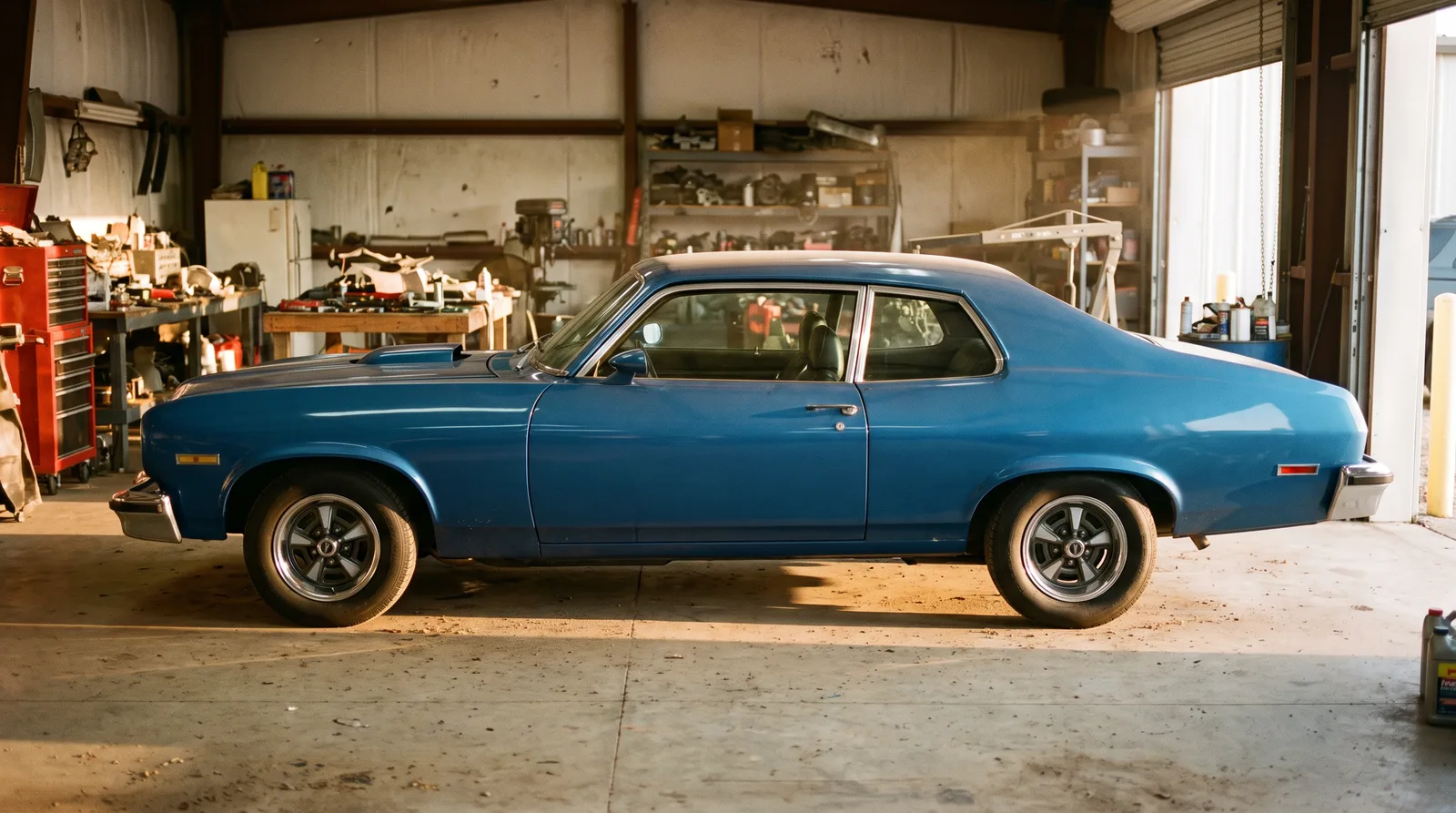
What silence actually looked like
Pontiac did not retire the GTO name with any fanfare after the final GTO years wrapped up in 1974. There was no farewell edition, no special badge, no press event marking the end. The option simply did not appear on the following year's order sheets, and Pontiac's product planners moved their attention elsewhere, toward the Firebird and Trans Am lines that were about to carry the division's performance reputation through the back half of the 1970s and into the 1980s. In a business built on annual model changes, a nameplate that quietly disappears rarely gets a second thought internally. There is always a next year's lineup to worry about.
For the buying public, the silence unfolded more slowly. Through the late 1970s, GTOs from the 1960s were still common enough on used car lots and in classified ads that the name had not yet crossed over into pure nostalgia. It was simply an older performance car, competing for buyers against contemporary options rather than sitting in a museum category of its own. That started to change through the 1980s, as the cars aged into genuine collectibility and the youth culture that had bought them new in showrooms started reaching the age where nostalgia becomes a powerful motivator.
How a dormant name stays alive in memory
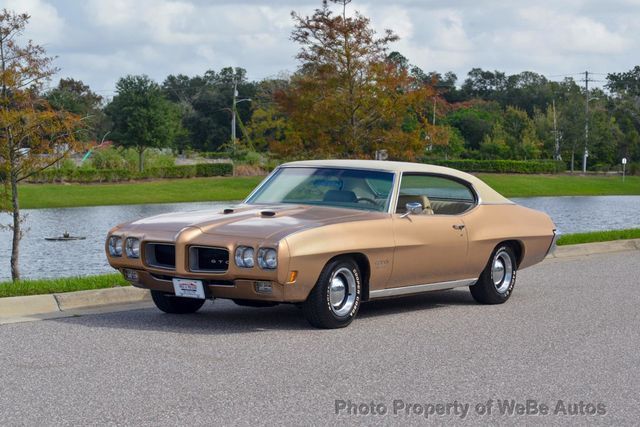
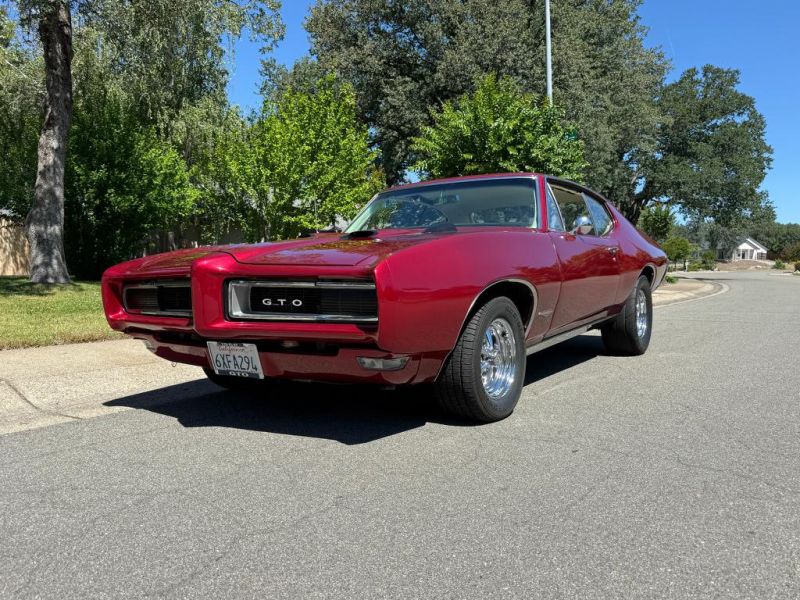
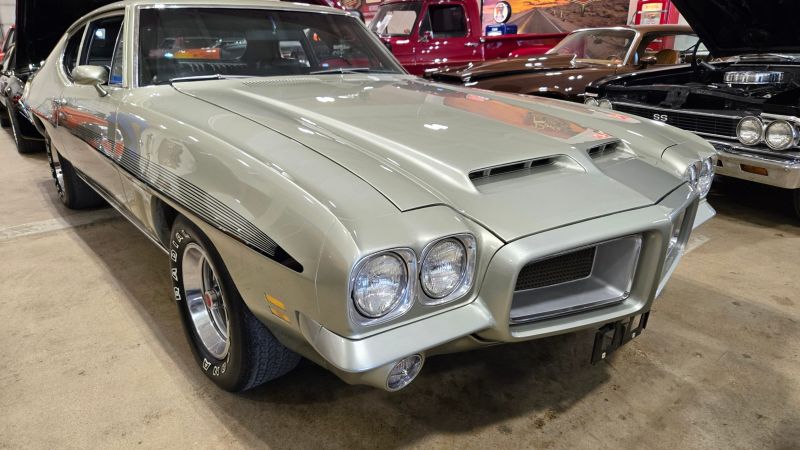
What kept the GTO name relevant during its three decades off the order sheet had less to do with Pontiac and more to do with popular culture refusing to let it go. Movies, music, and magazine culture through the 1970s, 1980s, and 1990s kept referencing the car, kept it appearing in classic car show fields, kept collectors chasing surviving examples even as the badge itself sat dormant on Pontiac's shelf. Ronny and the Daytonas' song about the car, recorded back when the GTO was brand new, never really left classic rock radio rotation, a strange kind of free advertising for a nameplate the manufacturer itself had stopped building.
Collector car auctions through this period tell their own version of the story. As the 1980s gave way to the 1990s and dedicated muscle car auctions started drawing serious money, GTOs from 1964 through 1974 consistently pulled attention and bids, proof that the name still carried real weight with buyers even though nobody could walk into a Pontiac dealership and order a new one. That gap, between a still-desirable used car market and an entirely absent new car option, is part of what made Pontiac's eventual revival decision feel inevitable once it finally happened rather than surprising.
Why Pontiac waited so long to bring it back
General Motors spent much of the 1980s and 1990s focused on very different priorities than reviving a 1960s muscle car nameplate, wrestling with fuel economy regulations, changing safety standards, and a corporate structure that made low-volume performance projects a hard sell to accountants who wanted to see broad-market returns. Pontiac itself spent this period trying to redefine its identity around cars like the Fiero and the Grand Am, chasing a sportier, more youthful image without leaning on nostalgia for a name that a shrinking share of new car buyers had ever personally experienced.
By the early 2000s, the calculus had shifted. GM had an Australian-built rear-wheel-drive performance coupe available through its Holden subsidiary, and a badge with decades of accumulated goodwill sitting unused, and a generation of buyers who had grown up watching classic GTOs at car shows was finally old enough to have real purchasing power. The GTO name returned to American showrooms for the 2004 model year after its long sleep, though the specifics of that later chapter belong to a different story than the one told here.
What the gap actually meant
Thirty years is a long time for any name to sit unused in an industry that reinvents itself every model year. That the GTO badge survived its dormancy at all says something about how deeply the original cars had embedded themselves in American car culture during their relatively brief run from 1964 through 1974. A name kept alive by collectors, by classic rock radio, by car show fields rather than by the manufacturer itself is a rare thing, and the GTO's long sleep before its eventual return remains one of the more instructive examples of how a nameplate can outlive the factory's own interest in it. For readers curious about the last chapter of the original run before this long silence began, read on for a full look at the Colonnade-era cars.
"A name that survives thirty years of silence was never really asleep. It was waiting on the sidelines the whole time, kept warm by people at car shows who refused to stop talking about it."
Patrick Walsh
Sources and notes
Related Reading
Have a
Pontiac GTO
for Sale?
Reach thousands of serious classic car collectors across the US.
Sell It Here →
Selling a classic? Here's how: where to sell your classic car online
Are You a Classic Car Dealer?
List your full inventory and connect with targeted classic car buyers.
Join as a Dealer →

About the author
Patrick Walsh
Automotive journalist covering classic car shows, events, and the enthusiast community across North America.
Related Listings - Pontiac GTO

Comments
Be the first to comment on this article.