
Somebody usually asks me why a company would build 500 copies of a car it barely wanted to sell. The answer is simple. The rulebook made them. If you wanted to run a body shape or an engine on a NASCAR superspeedway, the sanctioning body wanted proof that the thing was a production car and not a one-off you cooked up in a race shop. That proof came in units. Build the number, sell the number, and the car earned its place on the grid. Miss it, and your slick new nose cone stayed in the parking lot.
Car Features
6 min read
Homologation Specials: Why 500 Had to Be Built
Why NASCAR's 500-unit rule forced automakers to build street versions of the winged Mopars and the Boss 429. How homologation specials were born.
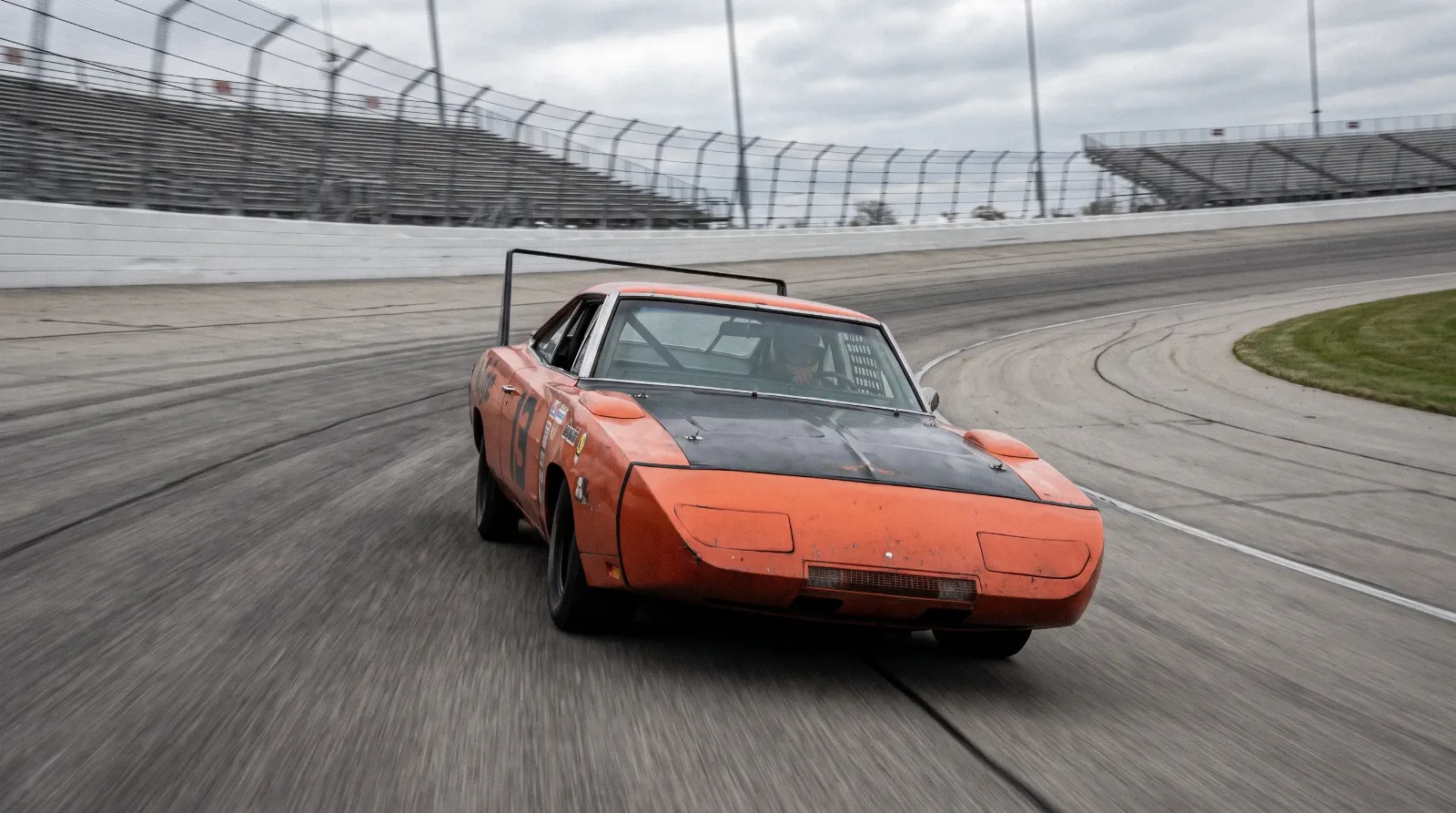
That is the whole story behind the homologation special. These were street cars built to make a race car legal. Most buyers in 1969 had no idea why the Dodge down the street had a two foot nose and a wing you could set a lunch tray on. It looked ridiculous in a shopping center. On a banked oval at 190 it made perfect sense.
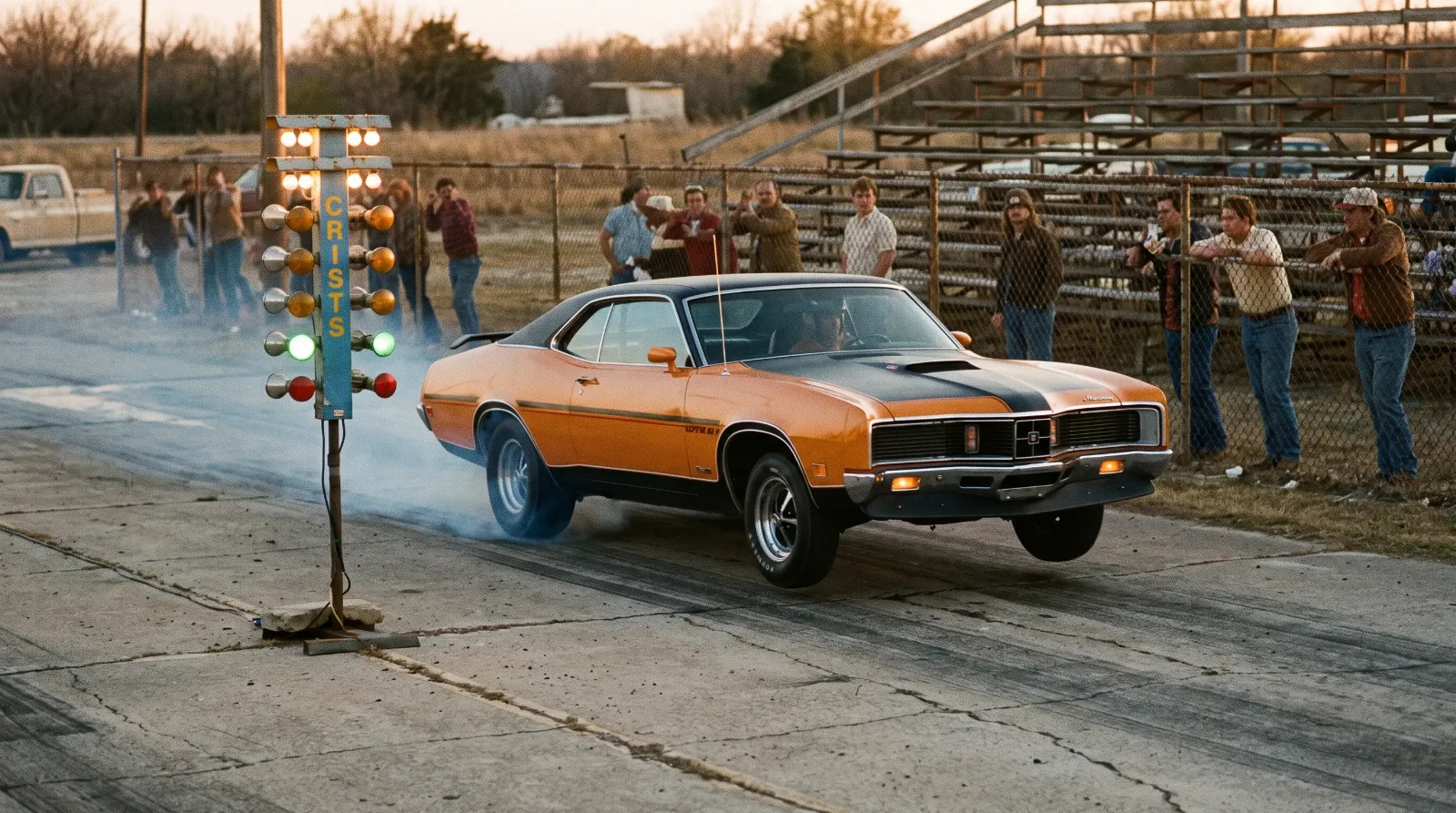
The rules that produced these cars run right through the same era covered in our classic drag racing history, and the two worlds borrowed engines and ideas from each other constantly.
Why the sanctioning body demanded 500 cars
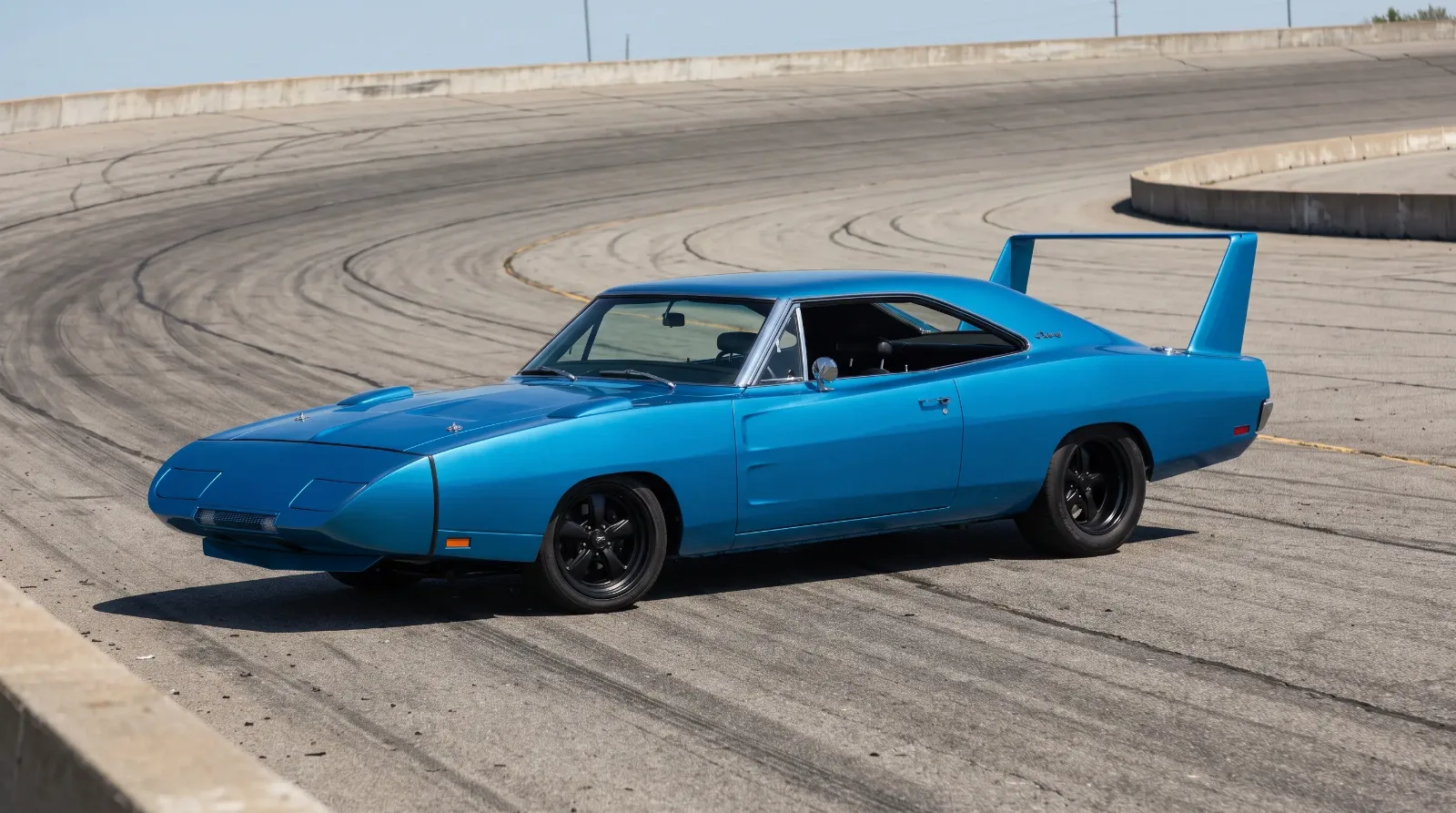
NASCAR ran what it called production based rules. In plain terms, the car on the track had to trace back to a car a regular person could walk into a dealership and buy. For the 1969 season the magic number for a special model was 500 units built and available to the public. That is where the shorthand comes from. Five hundred cars, and the shape or the engine was legal.
The number was not random. It was high enough to force a real production run through the factory, not a backroom special, but low enough that a manufacturer could swallow the cost as a racing expense. For 1970 NASCAR pushed the bar higher on the aero cars. The requirement moved to roughly one car for every two dealers the brand had, which is how Plymouth ended up building something close to 1,900 Superbirds instead of a token batch.
The aero warriors that met the rule
The purest examples are the winged Mopars. Dodge went first with the 1969 Charger Daytona, then Plymouth answered with the 1970 Superbird. Both used a pointed steel nose to cut drag and a tall rear wing to keep the back planted at speed. Chrysler engineers were not decorating. Every inch of that bodywork had a wind tunnel reason behind it, and the cars were the first in NASCAR history to run a lap over 200 miles per hour.
Ford and Mercury had their own aero answer in the Torino Talladega and the Cyclone Spoiler II. Those were subtler, a stretched and smoothed front end rather than a full nose cone, but the intent was identical. Make the sheet metal legal, then go win on Sunday.
| Model | Year | Homologation purpose | Approx. built |
|---|---|---|---|
| Dodge Charger Daytona | 1969 | Aero body for NASCAR | ~500 |
| Plymouth Superbird | 1970 | Aero body, revised quota | ~1,900 |
| Ford Torino Talladega | 1969 | Aero nose for NASCAR | ~750 |
| Ford Mustang Boss 429 | 1969-70 | Engine homologation | ~1,350 |
What Ford did with the Boss 429
The Boss 429 is the one people get wrong. The wing cars were about a shape. The Boss 429 was about an engine. Ford had a new semi hemi big block, the 429, that it wanted to race in NASCAR. To make that engine legal, NASCAR required it to be installed in a production car sold to the public. So Ford stuffed it into the Mustang.
Here is the part that tells you how forced this whole exercise was. The 429 did not fit the Mustang engine bay off the shelf. Ford farmed the job out to Kar Kraft in Michigan, which modified the shock towers, moved the battery to the trunk, and shoehorned that wide motor into a car never designed for it. The result was a homologation special in the truest sense. Nobody at Ford thought a Mustang was the natural home for that engine. The rulebook did.
Numbers matter with these cars, and they matter to the guys writing the checks. Ford built the Boss 429 across the 1969 and 1970 model years, and the total sits somewhere around 1,350 cars. I would want that figure confirmed against the registry before I quoted it to a buyer, because the year splits move around depending on the source.
"People think these cars were built to sell. They weren't. They were built to satisfy a paragraph in a rulebook, and the fact that you can own one is a happy accident of the way racing worked back then."
Mike Sullivan
Living with a homologation special today
I get asked about buying these more than almost anything else, and my answer starts the same way every time. Documentation. A real Daytona, Superbird, Talladega, or Boss 429 has a paper trail, and the fakes have gotten good. The winged cars in particular get reproduced because the nose and wing are the whole show, and bolting them onto a plain Charger or Road Runner is not hard. The trim tag, the build records, and the engine stampings are where the truth lives.
The other thing to understand is that these were rough street cars. The Boss 429 was choked down from the factory to keep it civil, and plenty of owners were disappointed at a stoplight. The wing cars handled like what they were, big heavy sedans with a nose built for a racetrack, not a parking garage. Buy one because of what it represents, not because you expect it to feel special puttering around town.
If the whole grassroots side of racing interests you more than the six figure auction cars, you can read the full story on where working class drag racing went after this era. And when you are ready to see what actually trades hands, you can find muscle cars for sale and get a feel for what documented cars are bringing.
The homologation special is my favorite kind of oddball. It exists because a company needed 500 excuses to go racing, and 500 people got to drive the excuse home. That is a strange way to build a car. It also produced some of the most collectible American iron ever made.
Related Reading
Have a
Classic Car
for Sale?
Reach thousands of serious classic car collectors across the US.
Sell It Here →
Are You a Classic Car Dealer?
List your full inventory and connect with targeted classic car buyers.
Join as a Dealer →

About the author
Mike Sullivan
Detroit-area muscle car enthusiast and restoration specialist with three decades of hands-on experience working on American iron.




Comments
Be the first to comment on this article.