
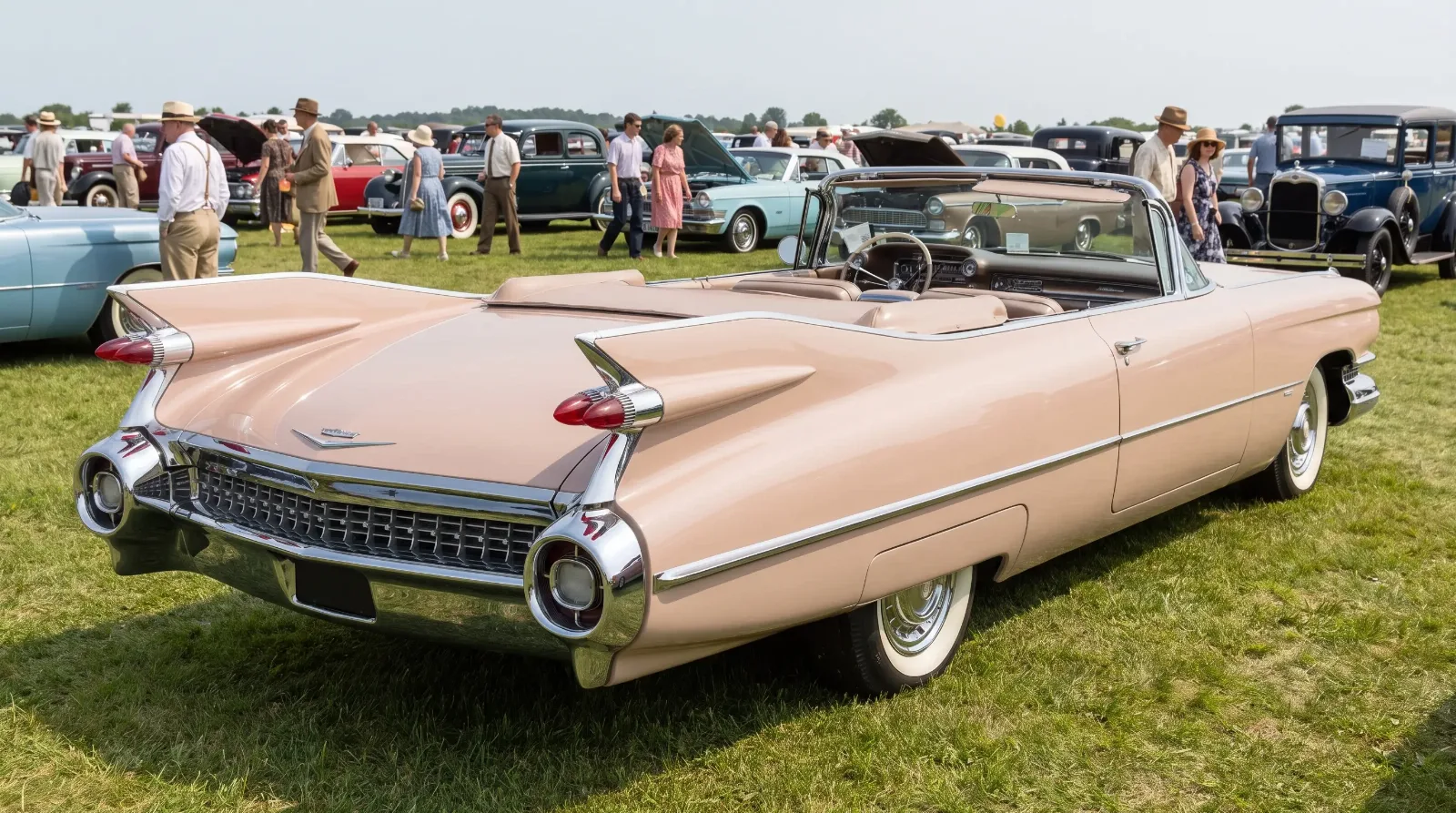
People who have never driven one of these big cars assume they drive like a truck. They don't. A full-size land yacht from the early 1970s drives like nothing else on the road, and I mean that as a plain statement, not a compliment or an insult. Everything about the way it steers, stops, and rides was tuned toward one goal: make a 5,000-pound car feel effortless and quiet from behind the wheel. The engineering that got them there is worth understanding, because it explains both why people loved these cars and why some of them are a handful to own now.
Car Features
6 min read
How Land Yachts Actually Drove: Power Steering, Power Brakes, and Boulevard Ride
What it's really like to drive a classic land yacht: overboosted steering, soft power brakes, and that famous floating boulevard ride.
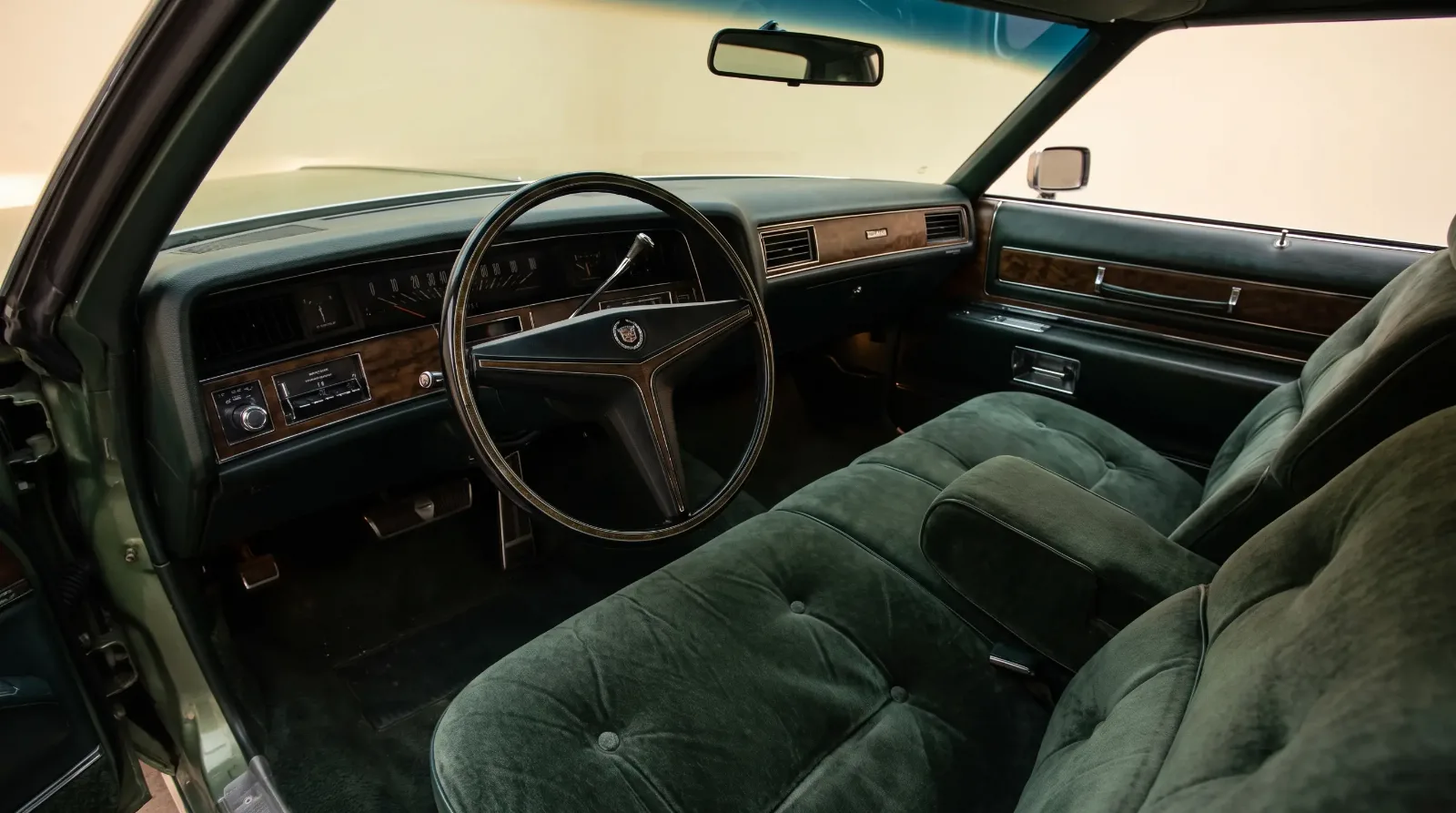
I've had a lot of these apart over the years. The systems that make a land yacht feel like a land yacht are the power steering, the power brakes, and the soft-sprung boulevard suspension, and they all work together to sell the same feeling. If you want the bigger picture of why the cars got this large in the first place, that's the land yacht era in full. This piece is about what happens when you actually turn the key and drive.
Steering you could do with one finger
The steering is the first thing that surprises anybody used to a modern car. Most of these ran a recirculating-ball gearbox with a hydraulic assist pump, and the assist was cranked way up. You could park a two-and-a-half-ton Cadillac with one finger on the wheel. That was on purpose. The whole point was to make the size disappear at low speed, so a driver never had to fight the car in a parking lot.
The cost of all that boost is feel. There is almost none. The wheel goes light and vague off center, and the car doesn't tell you much about what the front tires are doing. GM offered a variable-ratio setup on some models that quickened up as you turned, which helped, but nobody was buying these for steering feedback. You point it, it goes, and the boost hides the effort. Add a slow overall ratio and a turning circle the size of a cul-de-sac, and you learn to plan your three-point turns early. It's numb, but it's easy, and easy was the product.
Brakes hauling down the weight
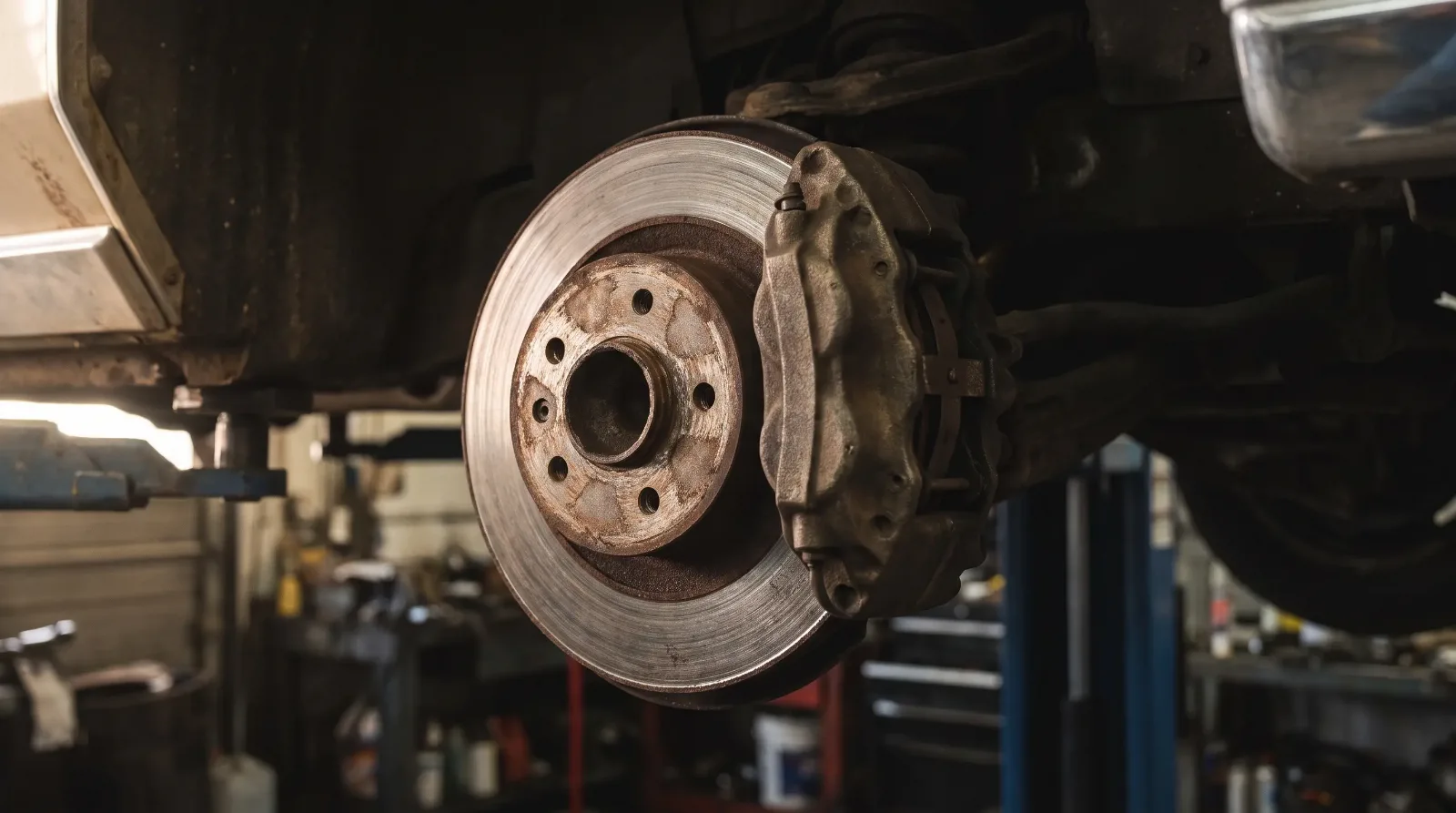
Now the part that actually matters for keeping yourself out of trouble. Stopping a car this heavy is real work, and the brakes were the weak spot on the earlier cars. Plenty of full-size luxury cars ran drums on all four corners into the late 1960s, and drums on a 5,000-pound car do not love being used hard twice in a row. They fade. You get one good stop, and the second one is longer.
Front disc brakes with a vacuum booster became standard on most American luxury cars in the early 1970s, and that was a genuine improvement. The pedal on a boosted system is soft and light, again by design, so it feels reassuring even when the actual stopping distance is long by modern standards. Don't let the light pedal fool you. These cars carry a lot of momentum, the tires were skinny bias-ply rubber from the factory, and the distance it takes to haul one down from highway speed is longer than anything you're used to. Leave room.
The float, and where it comes from
The ride is the headline. These cars float. Soft coil springs at all four corners, soft shock valving, a long wheelbase, and a heavy body all combine to isolate the passengers from the road almost completely. Hit an expansion joint at speed and the car takes the hit, settles, and moves on without passing much of it to the seat. That's the boulevard ride, and when it's set up right it's genuinely impressive. Nothing modern rides like a good one.
The flip side is what happens when you ask the car to do anything besides go straight and soak up bumps. It leans hard in a corner. It wallows over a series of dips because the soft springs and tired shocks let the body keep bobbing after the bump is gone. Brake hard and the nose dives. None of that was a defect. It was the deliberate trade. The suspension gave up body control to buy ride comfort, and for the way people drove these cars, cruising and covering distance in comfort, it was the right call. Drive one like a sports car and it will embarrass you.
"First time somebody drives one of these they always say the same thing: it feels like it's floating. That's the springs and the shocks doing exactly what the factory wanted. Just remember the same softness that makes it ride like that is why it leans in a corner and takes a country mile to stop. Respect the weight."
Mike Sullivan
What one is like to live with now
If you're thinking about buying one, the good news is these systems are simple and rebuildable. The bad news is that fifty years of neglect shows up in exactly the places that make the car feel right. A land yacht with a worn steering box wanders on the highway and needs constant correction. Tired shocks turn that pleasant float into a seasick wallow. And a soft brake pedal that goes most of the way to the floor is not "how they all are," it's a system that needs attention.
Driven for what they are, these cars are relaxing in a way nothing else offers. You sit high, you steer with a fingertip, and the road disappears. Just don't buy the marketing that says they handle. They ride, and there's a difference. The specific models that did all of this best are worth knowing by name, and that's next: Land Yacht Icons by Decade.
Related Reading
Have a
Classic Car
for Sale?
Reach thousands of serious classic car collectors across the US.
Sell It Here →
Are You a Classic Car Dealer?
List your full inventory and connect with targeted classic car buyers.
Join as a Dealer →

About the author
Mike Sullivan
Detroit-area muscle car enthusiast and restoration specialist with three decades of hands-on experience working on American iron.
Comments
Be the first to comment on this article.