Every so often a Detroit ad from the 1950s would drop a European coachbuilder's name like it was a magic word. Styling by Pinin Farina. It sounded expensive, and it was meant to. But if you actually build cars, you learn to ask what the name really bought. Sometimes it was a real body shaped by real Italian hands. Sometimes it was mostly marketing with a famous signature stapled to a car the home team styled. Sorting the real from the borrowed is the honest way to talk about how Europe's great coachbuilders touched American luxury design, and the truth is more limited and more interesting than the advertising ever admitted.
I want to be straight about this up front, because there is a lot of loose talk in the hobby. The direct, hands-on European work on American production cars was narrow. The influence, the way it pushed American stylists to think about line and proportion, was broader. Both parts matter, and mixing them up does nobody any favors.
What Pininfarina actually built for America
Pininfarina, the Turin carrozzeria founded by Battista "Pinin" Farina, did have genuine American production tie-ins, but they were specific. The clearest one is the Nash-Healey. From 1952 through 1954 the bodies for that sports car were styled and built by Pininfarina in Italy, then the cars were assembled with Nash running gear. That is real coachwork, not a name on a brochure. It is the strongest example of an Italian house putting hands on an American-badged production car in that period.
The famous "Pinin Farina" styling that Nash advertised on its 1952 Ambassador and Statesman sedans is a murkier story. Nash leaned hard on the name in its advertising, but a good deal of the actual production styling was worked out in-house by Nash's own people, with the Italian involvement more limited than the ads implied. That is worth knowing before you repeat the brochure. The name carried prestige, the real design credit was shared, and honestly that pattern repeats a lot. It fits right into the larger tale of how borrowed prestige shaped Detroit, which you can follow through how luxury design language evolved.
The Mulliner question, answered honestly
Here is where the hobby gets sloppy. Mulliner, meaning the British coachbuilders H.J. Mulliner and Park Ward, built bodies for Rolls-Royce and Bentley, not for American production cars. If you are looking for a Mulliner-bodied Cadillac or Lincoln rolling off a line, you will not find one. Their direct work on American cars was essentially nonexistent. So what did they contribute? A standard. Mulliner and the other great British houses set a benchmark for how a hand-built luxury body should look and feel, the hand-fitted doors, the coach-painted finishes, the wood and leather done to a level Detroit could only approach with machinery.
That standard was aspirational, and American luxury makers absolutely chased it in their marketing and their detailing. But chasing a standard is not the same as being built by the people who set it. When somebody tells you a British coachbuilder shaped American cars, the accurate version is that British coachbuilding shaped American expectations. The metal was still Detroit's.
"I have got no patience for a name badge doing work the shop floor did not do. Pininfarina earned the Nash-Healey with real bodies. The British houses earned their reputation on Rolls and Bentley. Slapping either name on a car they never touched is a costume, and I can always tell a costume."
— Jim Vasquez
Where the real influence showed up
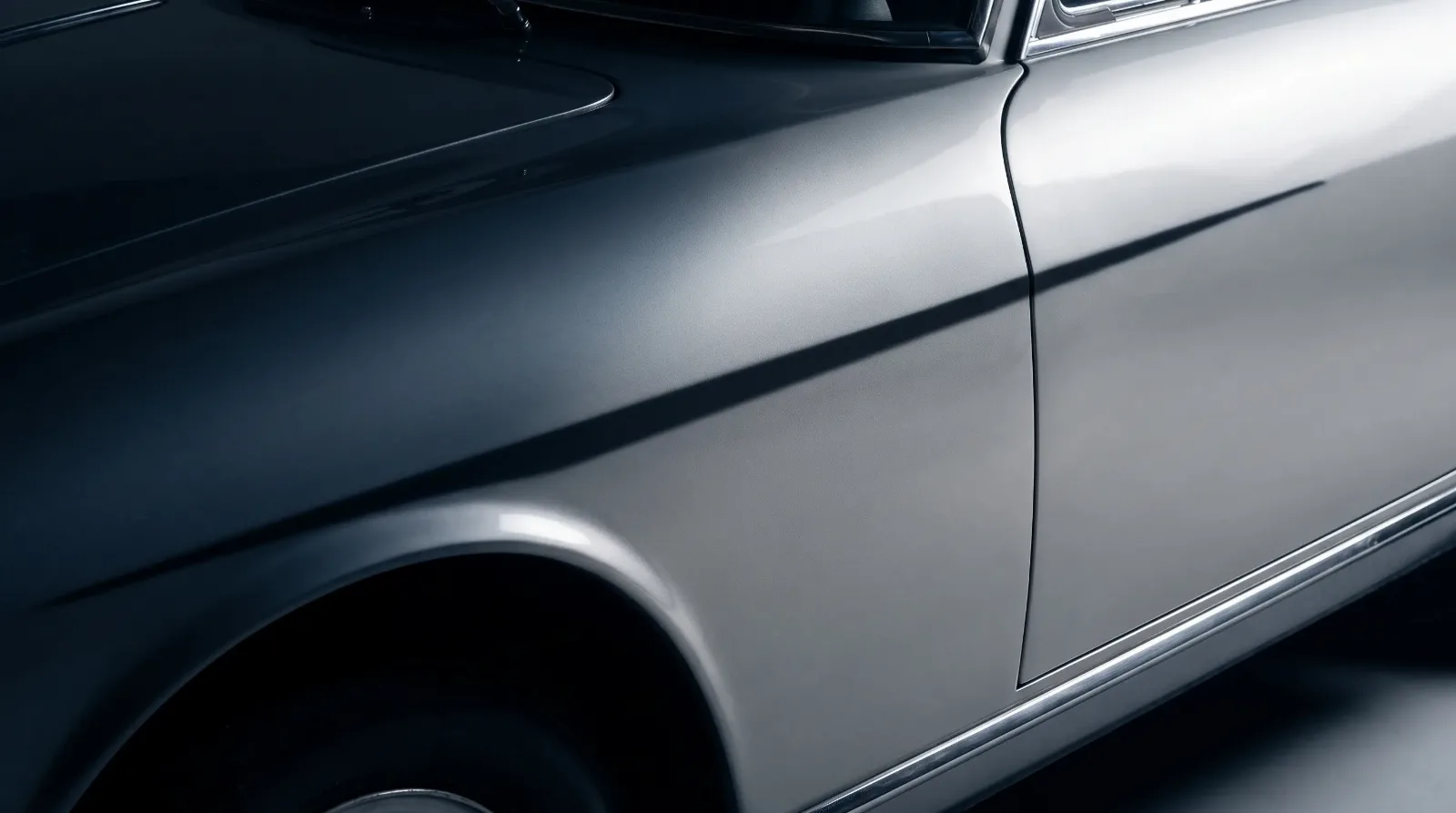
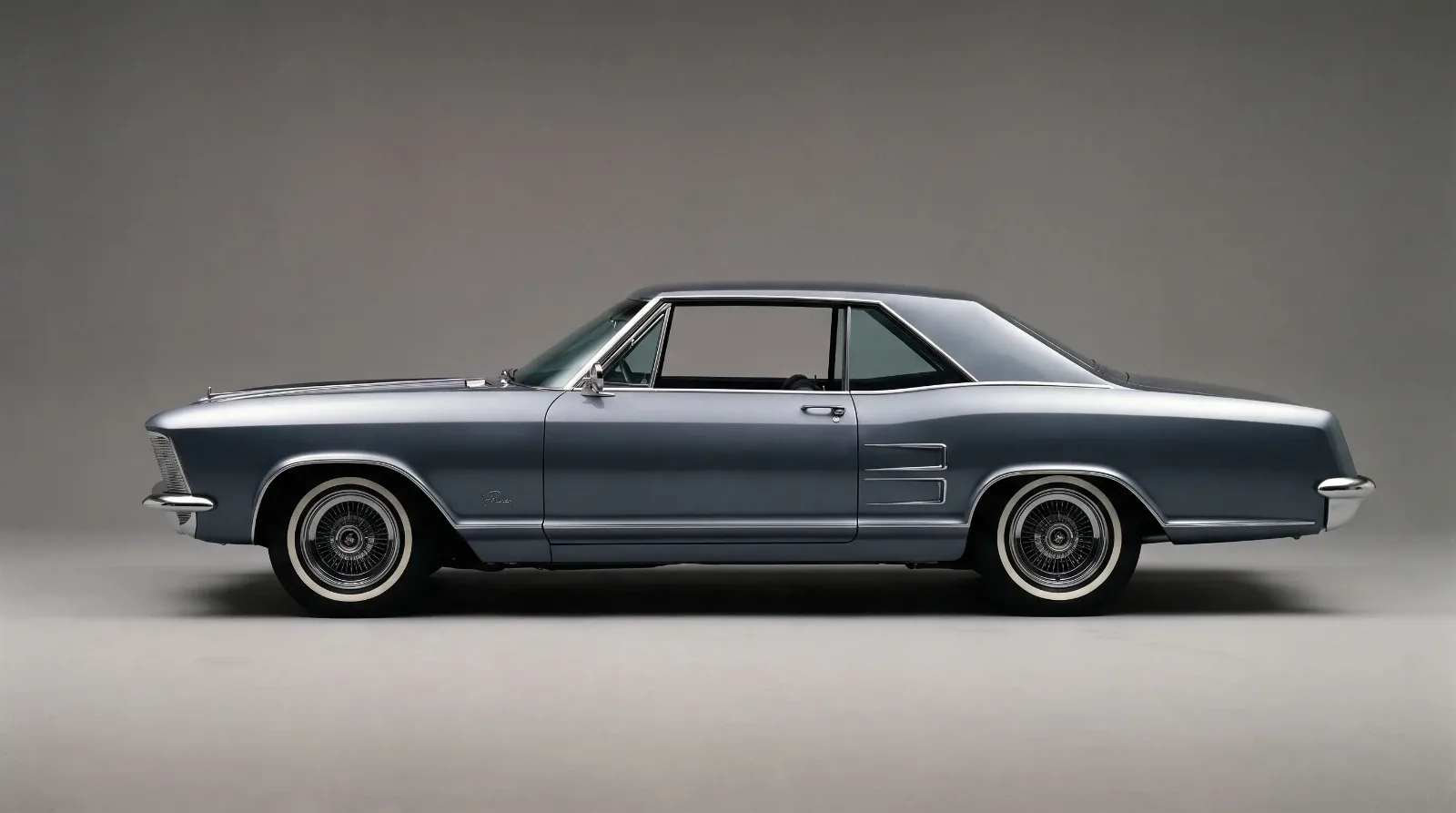
The lasting European mark on American luxury design was not a body count. It was a way of seeing. Italian styling houses taught American designers to trust a clean line over piled-on chrome, and you can watch that lesson land through the 1960s as luxury cars got leaner and more disciplined. The knife-edge crispness of the era's best coupes owes something to what Turin was showing the world at the motor shows.
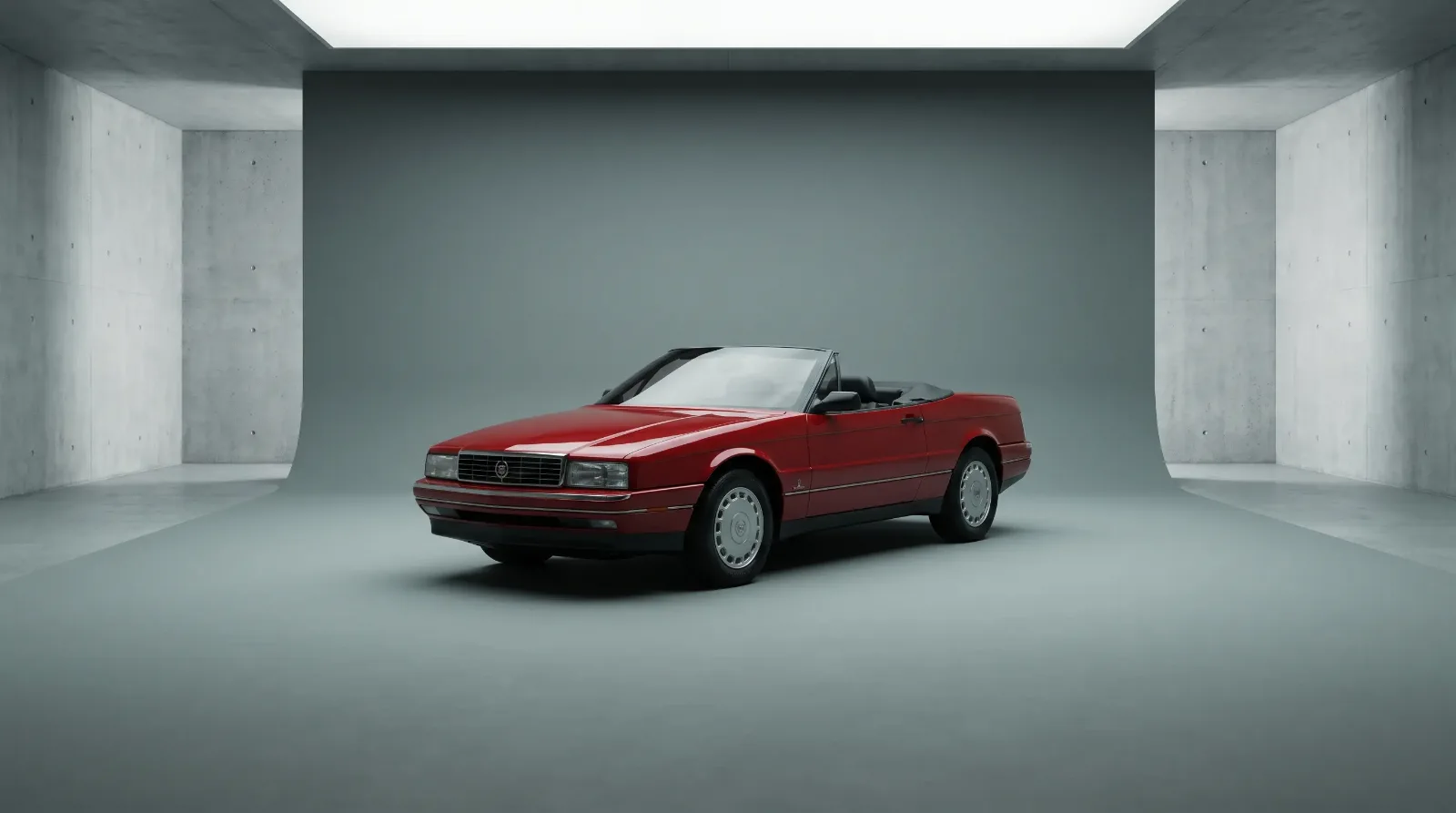
The most concrete late example is the Cadillac Allanté. Starting in 1987, the bodies were built by Pininfarina in Italy and then flown to the United States on a dedicated air-freight operation for final assembly. That is genuine Italian coachwork on a modern American luxury car, decades after the Nash-Healey, and it shows the relationship never fully died. It just went quiet for a while.
If you are shopping and one of these names comes up, do the homework, because the premium a real coachbuilt connection commands is only justified when the connection is real. Plenty of honest, beautiful classic luxury cars for sale wear their design credit straight, no inflation required.
The verdict on borrowed prestige
European coachbuilders shaped American luxury design in two different ways, and keeping them separate is the whole point. Pininfarina did real, documented production and show-car work, the Nash-Healey and later the Allanté being the clearest cases. The British houses shaped standards and expectations rather than metal. Everything in between was Detroit learning from Europe and, often, borrowing Europe's names to sell what Detroit built itself. That is not a knock. It is just the accurate picture, and an accurate picture is worth more than a brochure.
The story of how those European lessons reached inside the cabin, into the way a luxury car greeted its driver, picks up next in next: Luxury Car Dashboard Design Through the Decades.