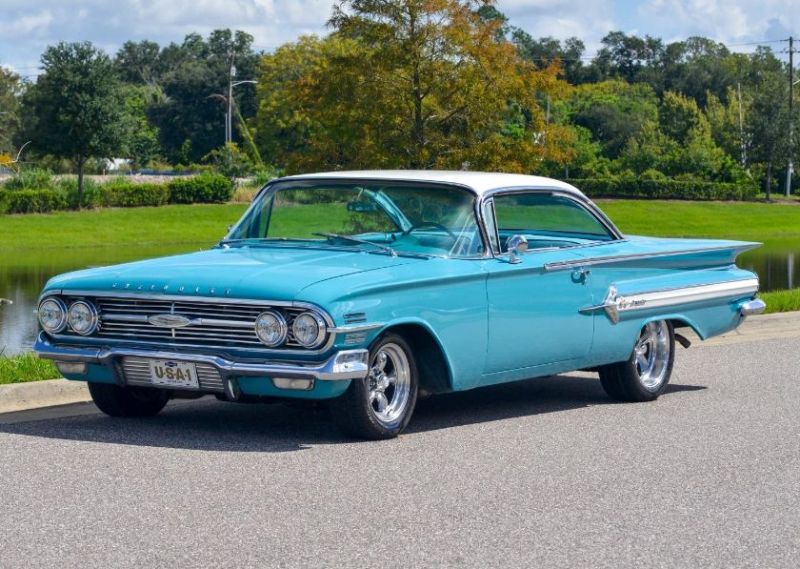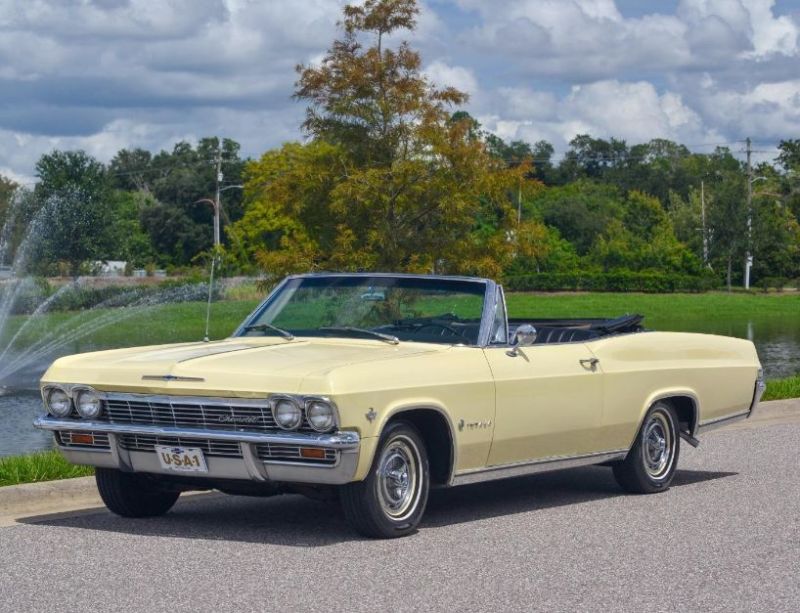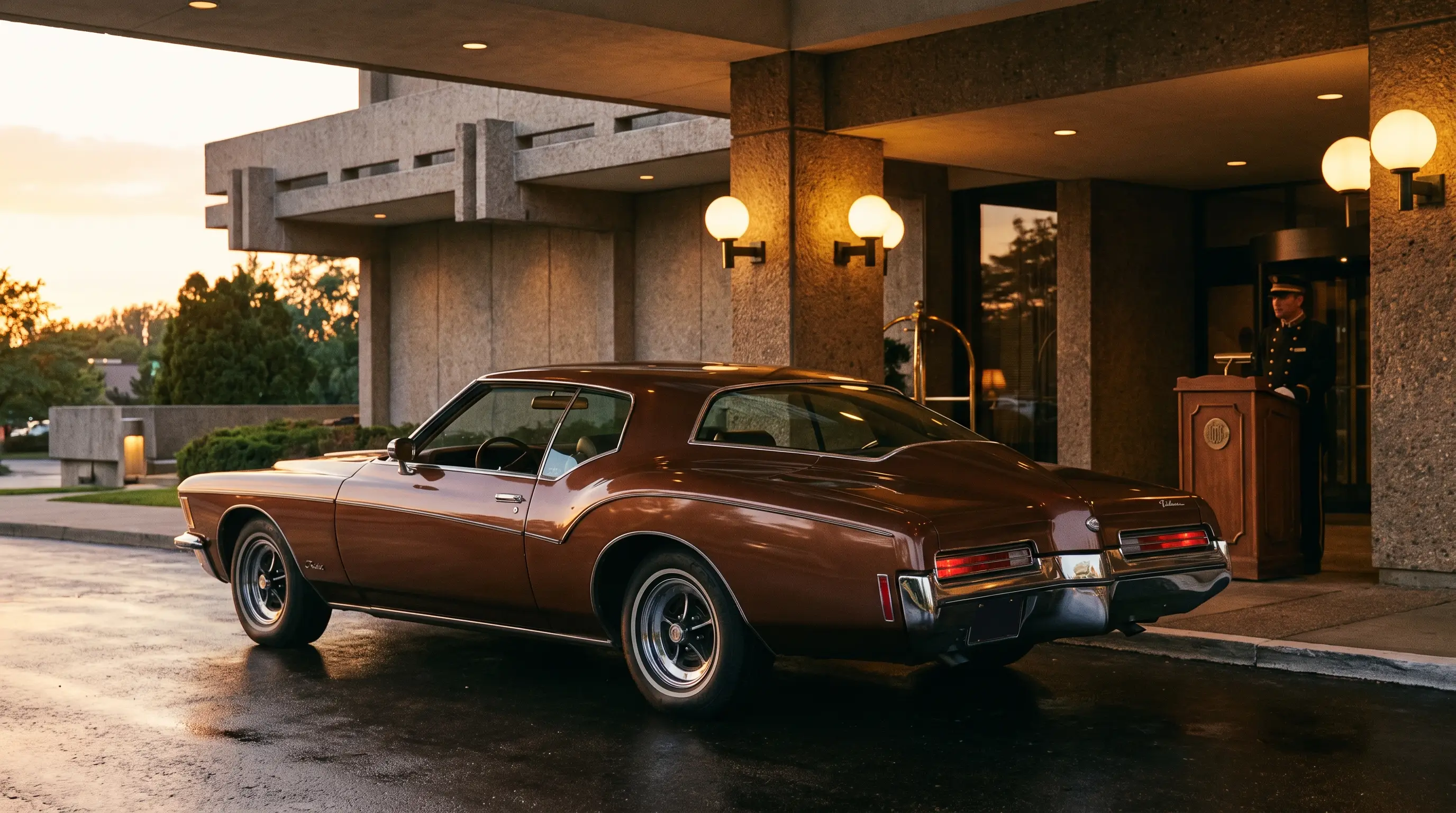
There is a scene that plays out the same way in a dozen different films, a low sun over a quiet street, and somewhere in the frame, moving slower than the plot really requires, a Chevrolet Impala. Directors reach for it without needing to explain why. Audiences read it without needing subtitles. Somewhere between the factory floor and the silver screen, this one car picked up a cultural fluency that most vehicles never manage, and that fluency is really the story of chevrolet impala culture itself, how a family sedan became a character actor.
A car that kept getting cast
Music got there first. Songs from the 1960s onward name checked the Impala the way other lyrics name checked a person or a place, shorthand for a certain kind of freedom, a certain kind of Saturday night. By the time television and film caught up, the Impala already carried associations that a screenwriter could borrow without spending a line of dialogue explaining them. A character who drove one told you something about who they were before they said a word.
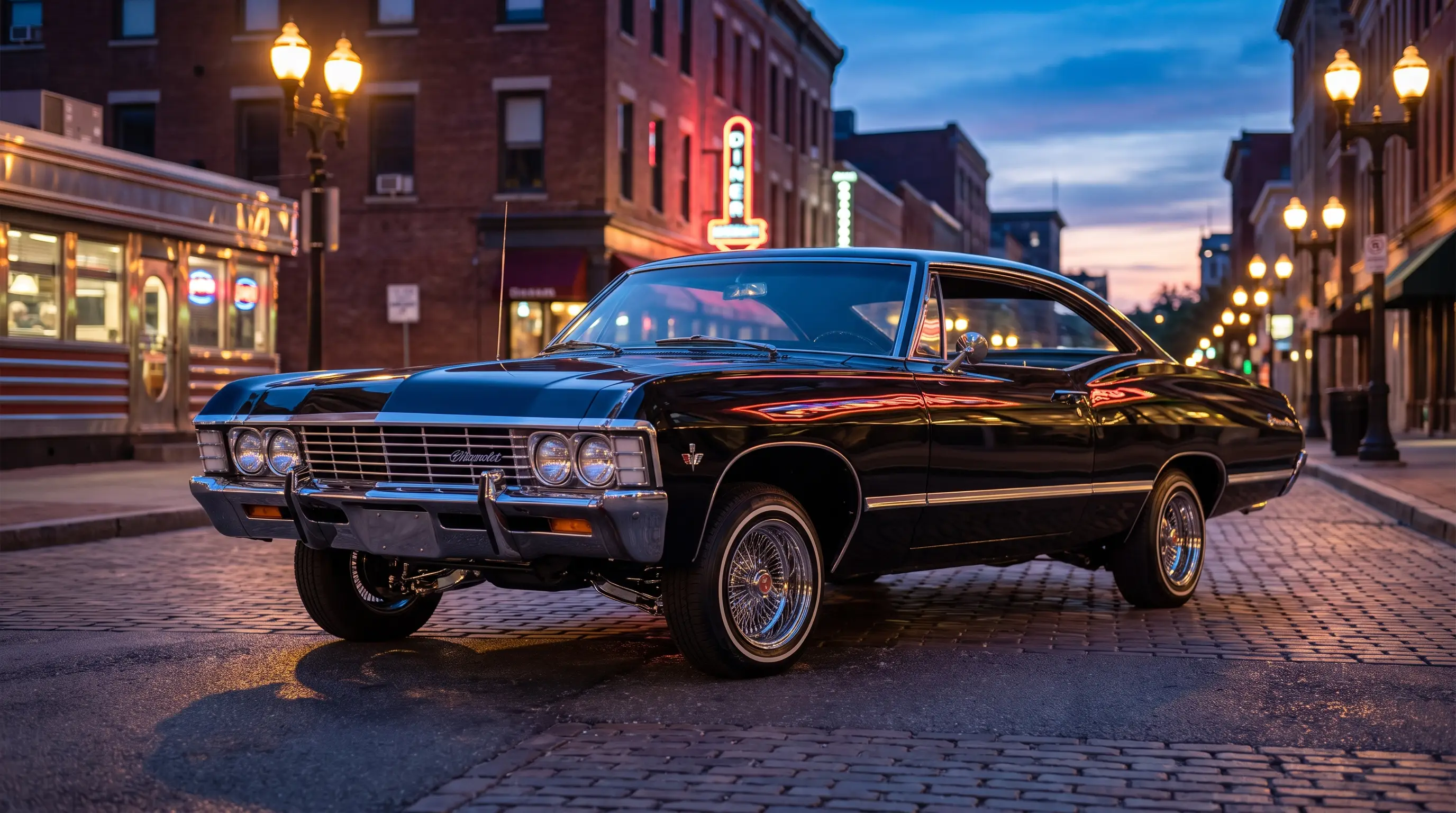
Television leaned into this even harder. A long running supernatural drama built an entire visual identity around a black 1967 Impala, and that single casting decision introduced the model to an audience who had never set foot near a cruise night or a car show, teaching an entirely new generation what the silhouette meant even if they could not name the year without checking.
Where the meaning actually came from
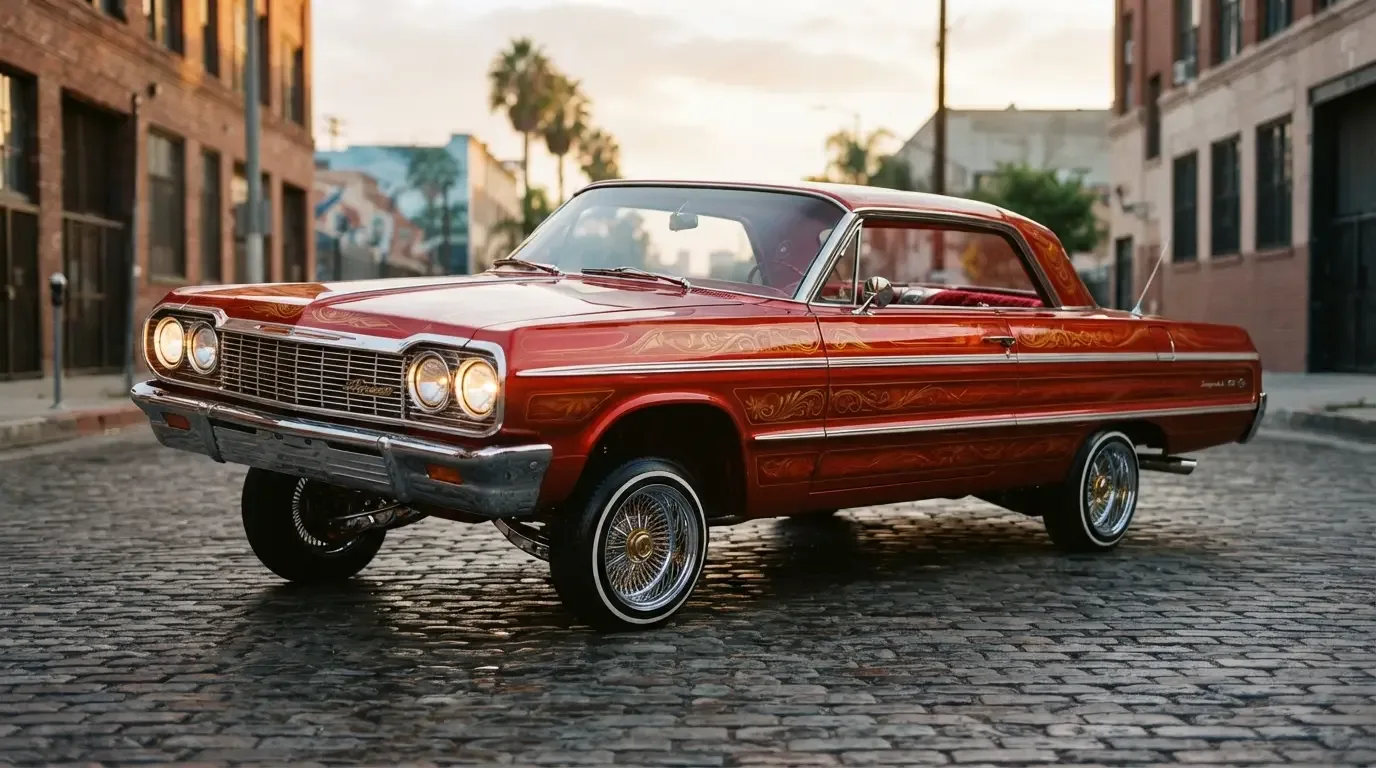
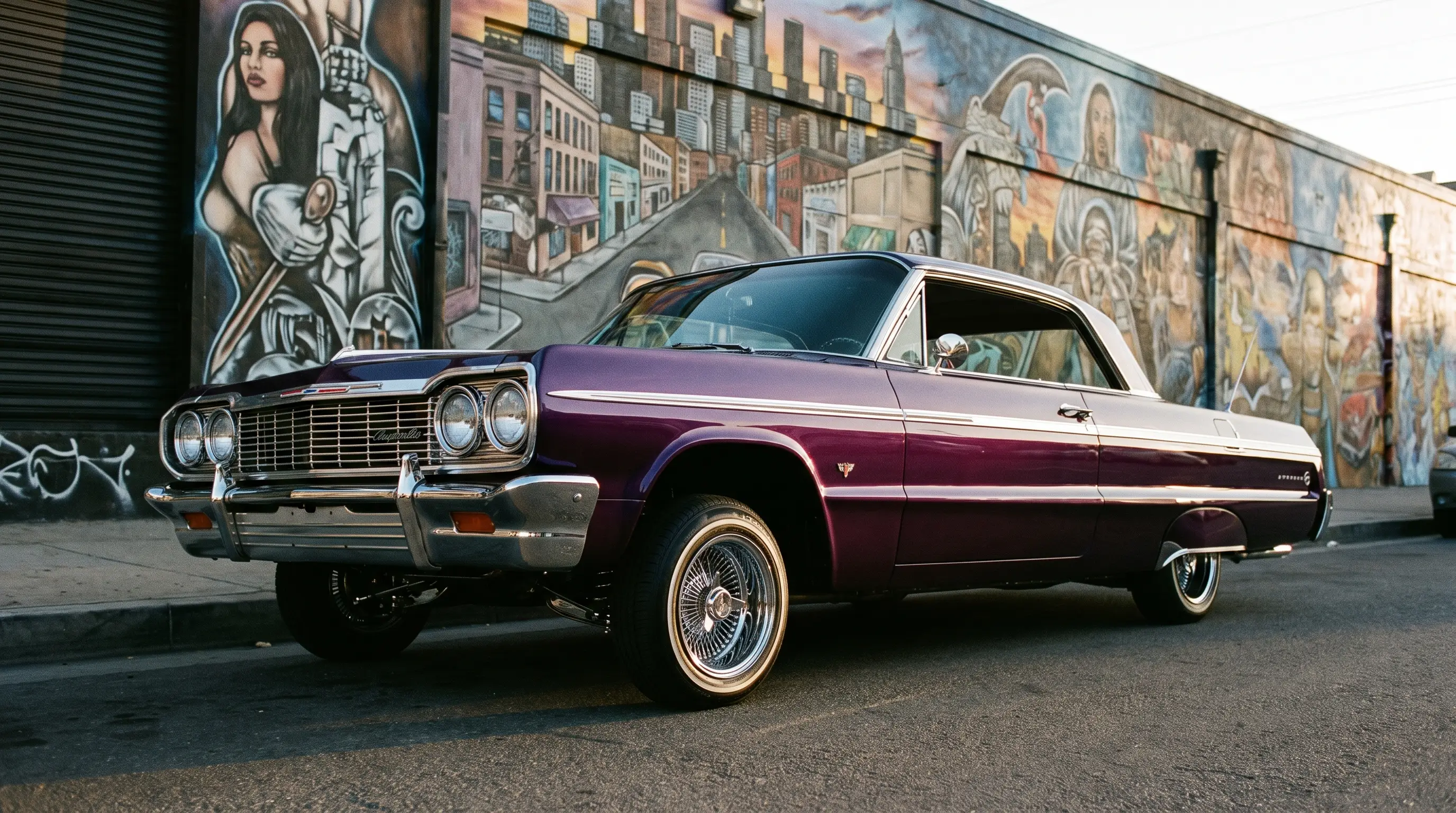
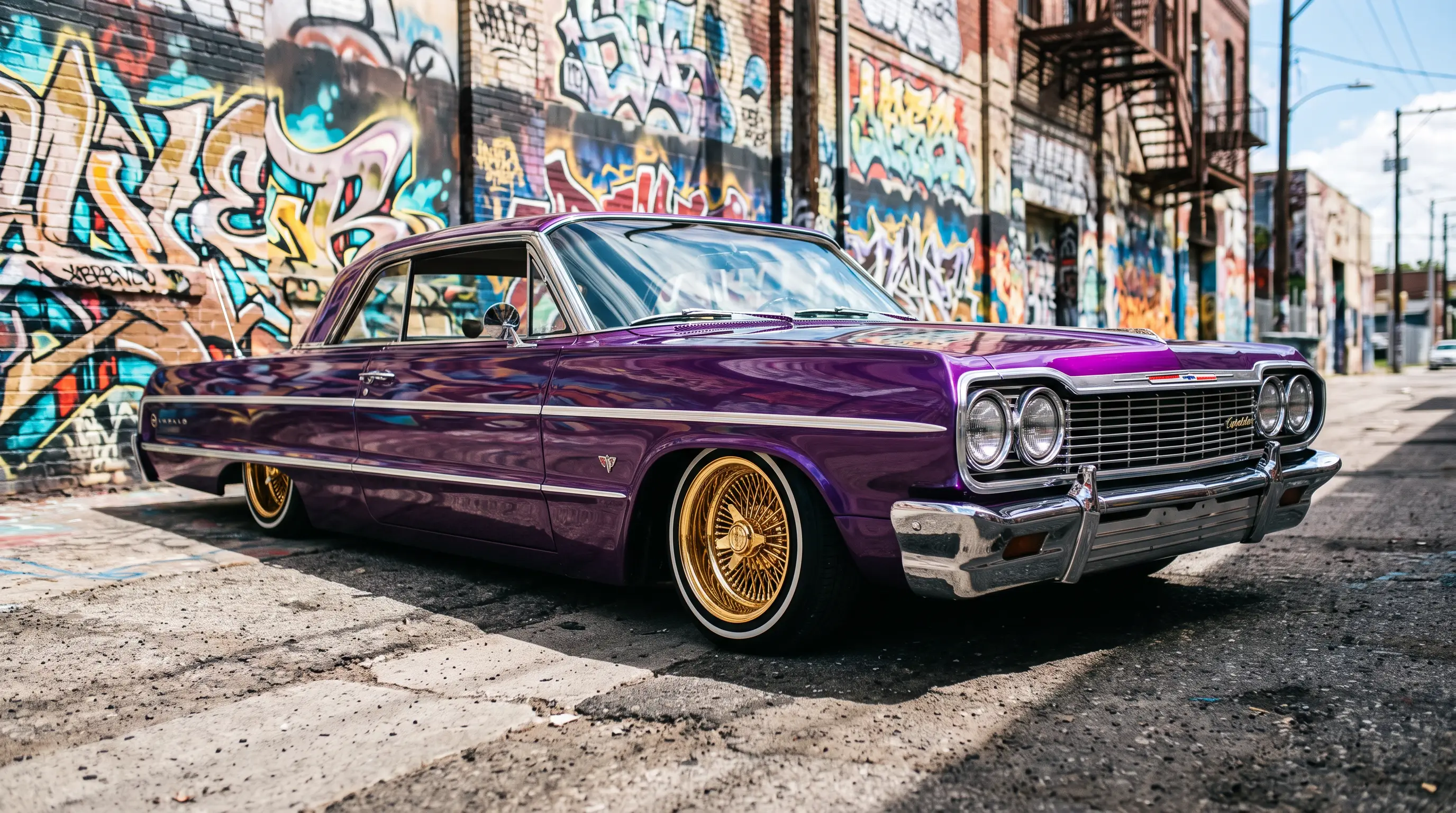
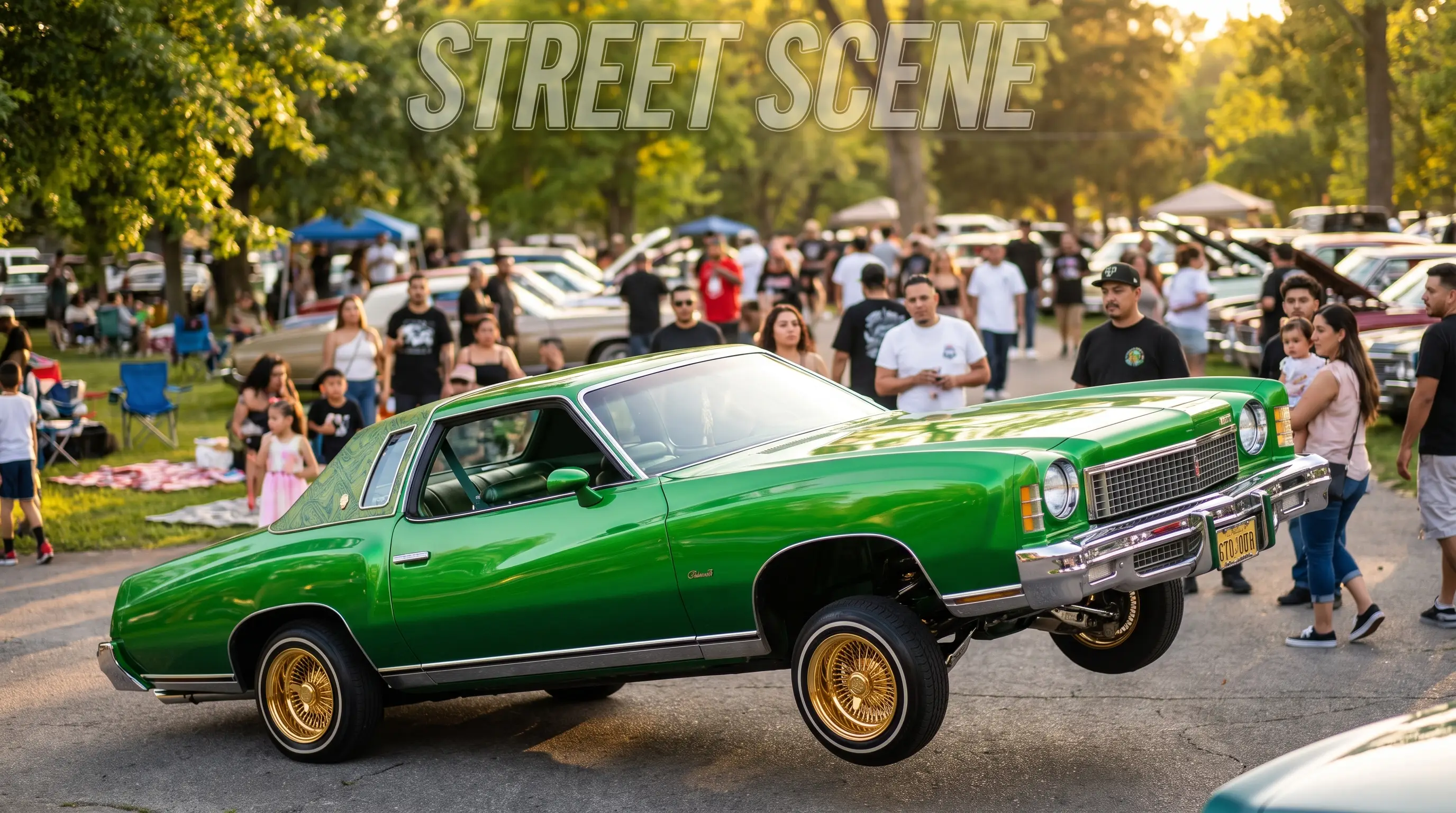
None of this cultural weight arrived by accident, and it did not start in a studio. It came first from the streets, from lowrider builders in Southern California in the 1960s and 70s who turned the Impala into a canvas for hydraulics, candy paint, and murals, and from families who used the car as a rolling statement of pride and craftsmanship. Pop culture borrowed the imagery afterward, sometimes respectfully, sometimes without fully understanding the history it was drawing from, but the source was always the same, a real community that built real meaning into a real car, long before anyone put a camera on it.
The quiet version of fame
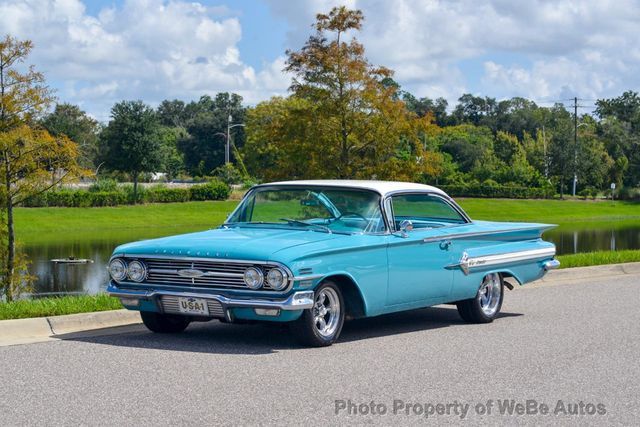
Not every appearance was loud. Sometimes the Impala shows up in the background of a scene, parked outside a diner, glimpsed in a rearview mirror, doing nothing more dramatic than existing in a period correctly dressed frame. That quieter kind of presence might actually say more about how deeply the car settled into the culture's visual memory. You do not need to spotlight something everyone already recognizes. A production designer choosing an Impala for a background shot set in 1965 is making the same statement a lead character's dialogue would, just more efficiently.
Readers curious about how this recognition actually formed, decades before Hollywood noticed, will find where this started covers the ground floor of that history, the builders and clubs whose work eventually became the shorthand every film and song later borrowed from.
"A car does not become a character by accident. It becomes one because enough people, over enough years, agreed on what it meant before a single camera ever pointed at it."
- Nora Beckett
Advertising found its way back to the source
Chevrolet itself eventually leaned into the association, referencing the Impala's cultural standing in its own marketing decades after the nameplate had already taken on a life outside the company's control. That is an unusual sequence for an automaker, watching a customer subculture build a car's reputation independently, then acknowledging that reputation rather than trying to originate it. It is a small detail, but it tells you how thoroughly the meaning had shifted from factory intention to community authorship by the time anyone in a corporate office was paying attention.
Collectors and appraisers have noticed a similar pattern in the market. A well documented lowrider Impala with genuine cultural provenance now draws serious interest that a purely stock example from the same year sometimes does not, a reversal that would have surprised anyone looking at these cars new off a dealer lot in the 1960s. The car's second life, the one built in driveways rather than on an assembly line, has become the more valuable story in many cases.
What the legacy actually protects
There is a risk in all this borrowed fame, that the deeper history gets flattened into a costume, a shorthand stripped of the community and craft that built it in the first place. The better productions understood that and treated the Impala's cultural weight with some care, consulting builders, getting the details of a proper build right rather than approximating it. The worst simply reached for the silhouette and left the substance behind. That gap, between projects that honored the source and those that just borrowed the image, says something about how much responsibility comes with using a symbol this loaded.
What has not changed, through decades of screen time and radio play, is where the real story still lives. Not in a studio lot, but in driveways and small garages where builders keep the actual tradition going, largely unbothered by whichever film crew borrowed their car's reputation this year. For anyone who wants to know that living version rather than the borrowed one, there are shop classic Impala listings carrying the real thing forward, cars built by people who never needed a screenwriter to tell them what the Impala meant. The pop culture legacy is real, and it matters, but it was always a reflection of something the streets built first.
A legacy that keeps introducing itself
Every few years, a new film, a new song, a new photograph circulating widely enough introduces the Impala to people who had no idea any of this history existed. That cycle has repeated for decades now, and each time it happens, some portion of that new audience goes looking for the deeper story behind the image, finds the builders and the clubs and the six decades of craftsmanship, and understands the car differently afterward. That is really the best outcome pop culture attention can offer a tradition like this one, not replacing the original meaning but occasionally pointing curious people back toward it. The Impala earned its place on screen and on the radio because a community earned it on the street first, and every honest retelling of that story keeps the order straight. That is the real measure of chevrolet impala culture at this point, not how many times it shows up on a screen, but how reliably that exposure leads people back to the actual builders, clubs, and families who made the car mean something in the first place.