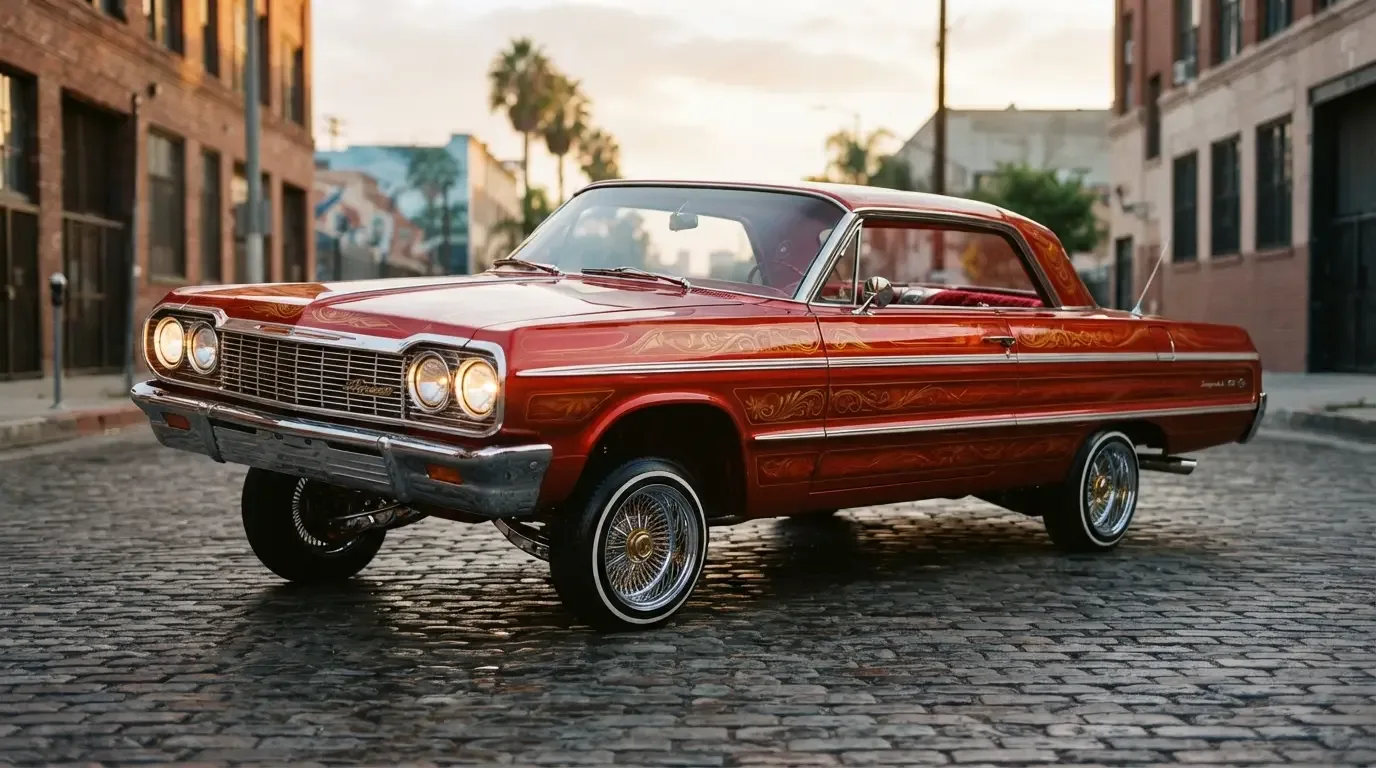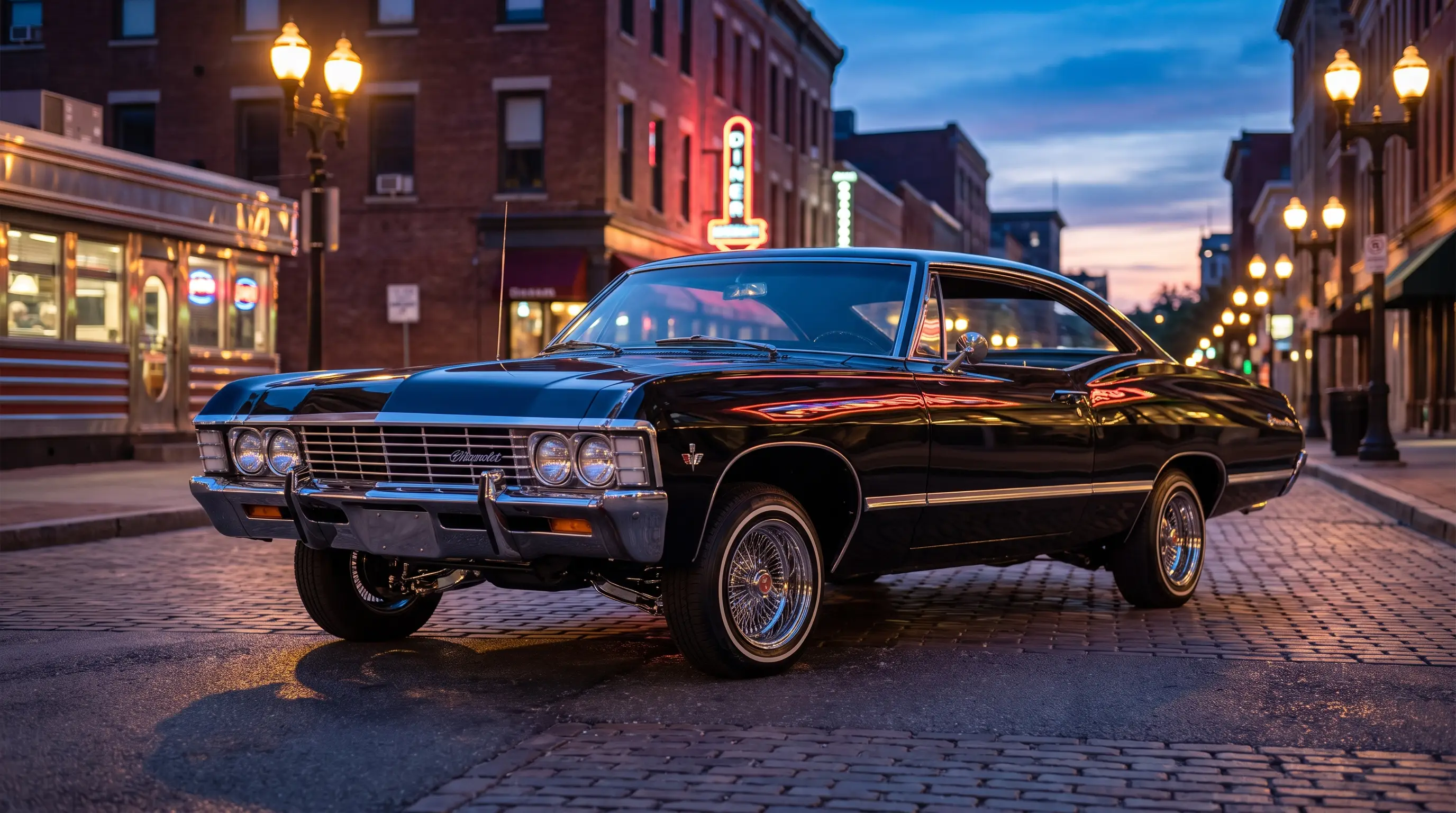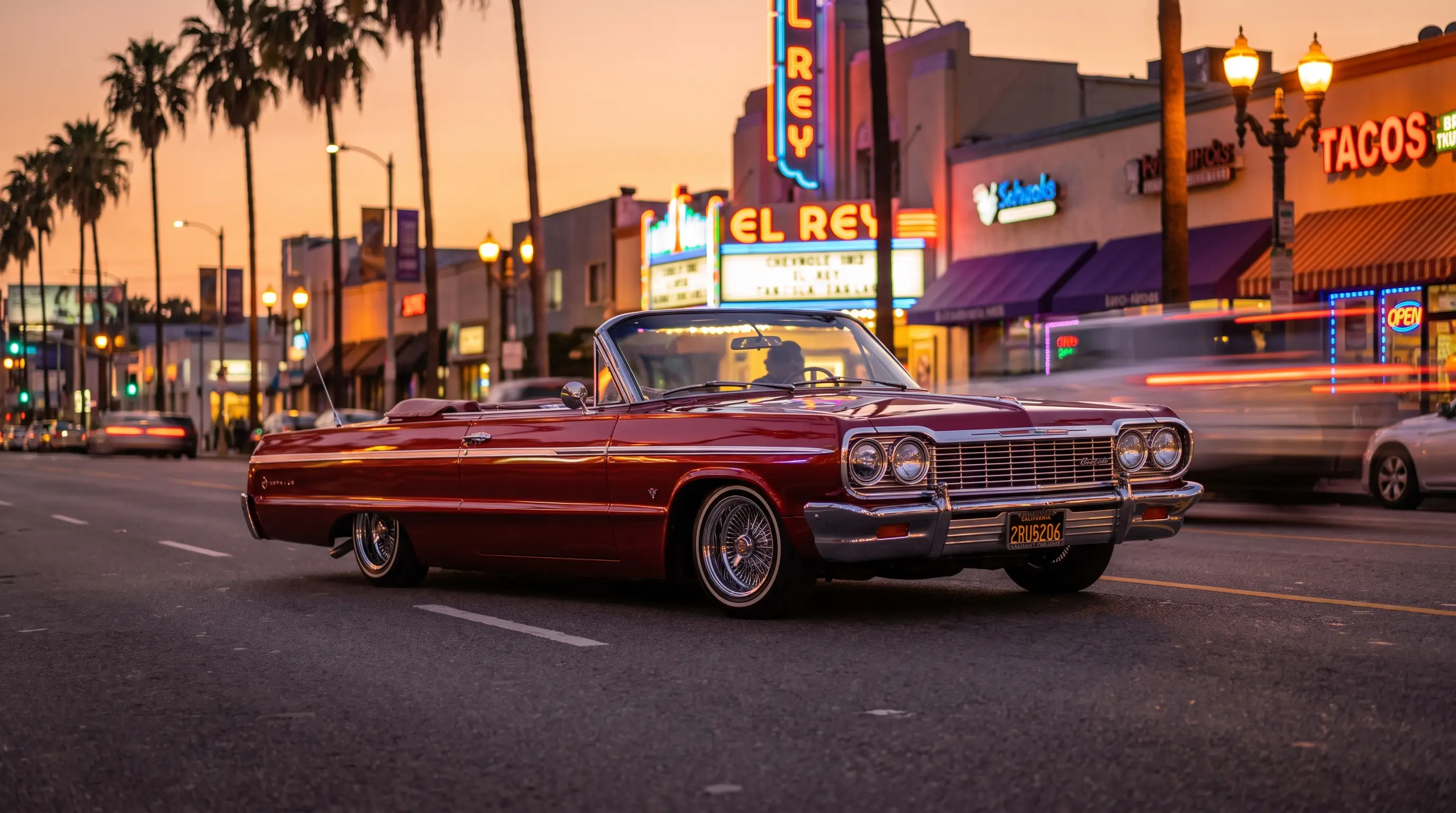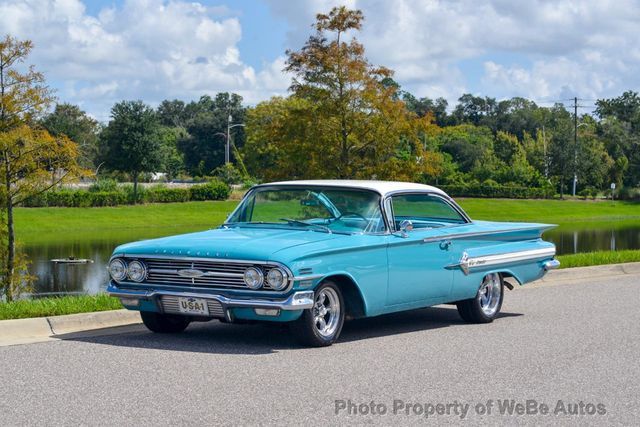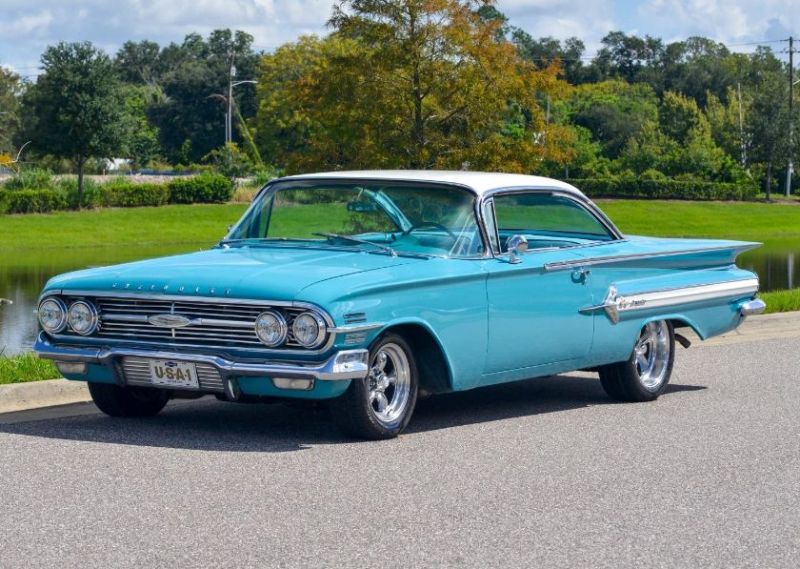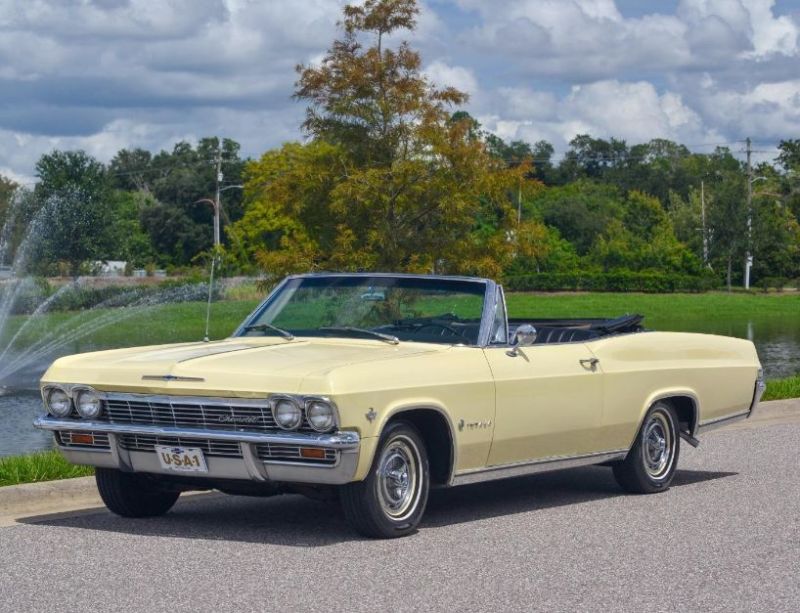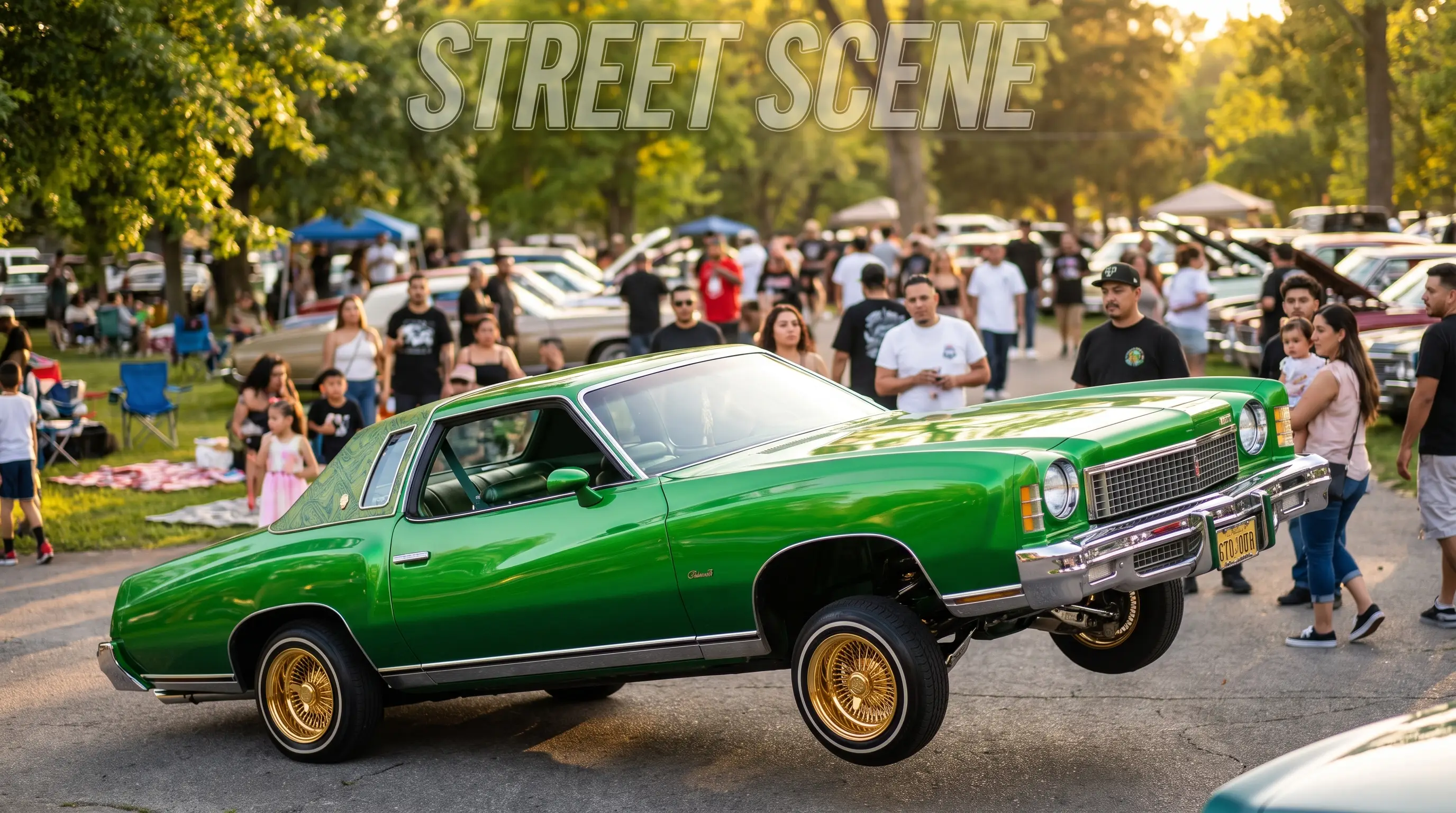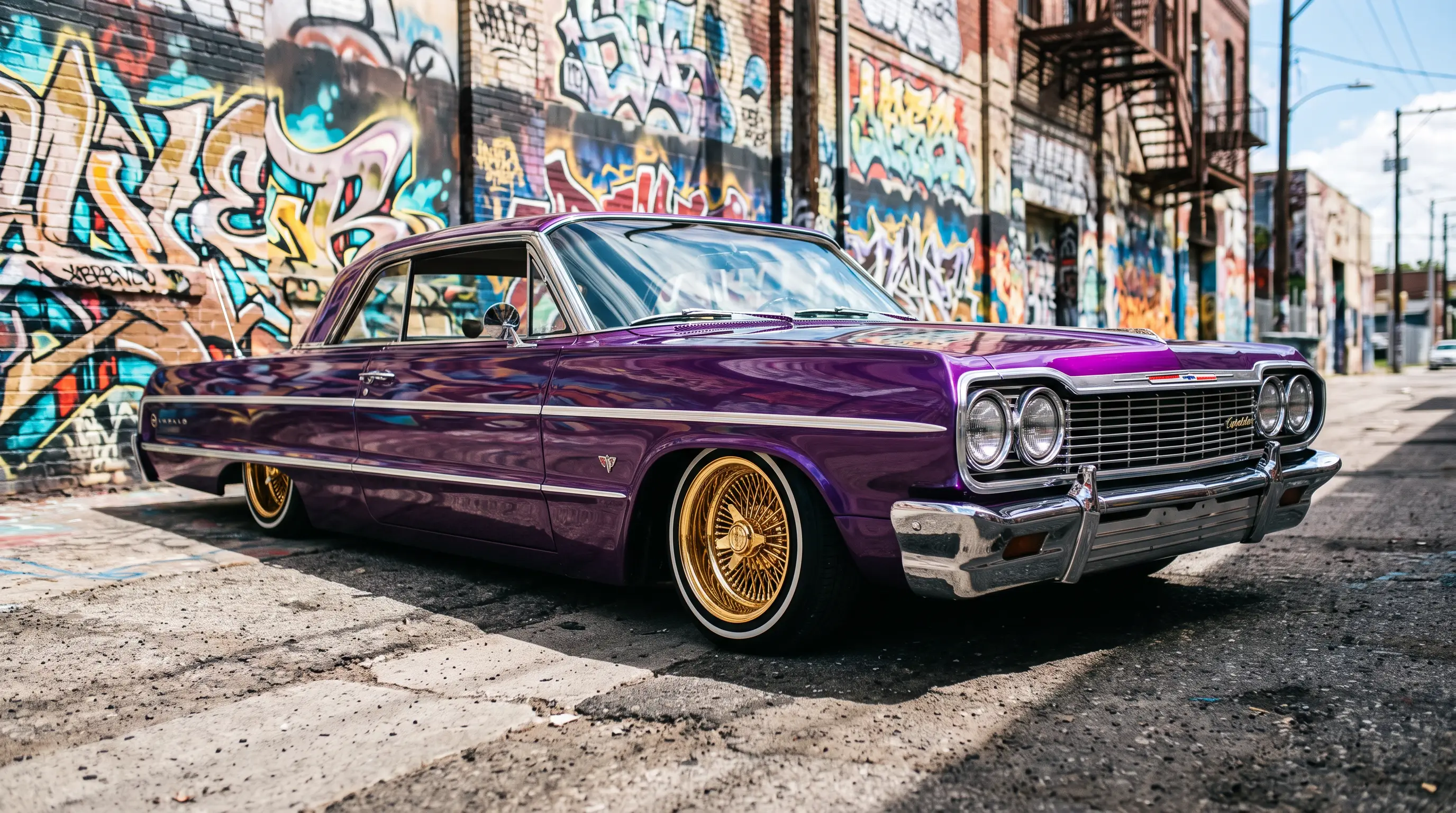
A kid flipping through a magazine rack in 1979 would have seen plenty of muscle cars and plenty of vans with airbrushed murals, but the cover that stopped people cold was usually a lowrider Impala magazine feature, chrome wire wheels catching the studio lights, body dropped low enough to kiss the ground. That image did more to spread the culture than any single car show could have. Long before social media, a glossy cover with a candy-painted Impala sitting on hydraulics was how a kid in Ohio learned what was happening on the streets of East Los Angeles, and it stuck.
The first covers that mattered
Lowrider Magazine launched in 1977, and it did not take long before the full-size Chevrolet Impala became its default cover star. The reasons were practical as much as aesthetic. The Impala's long, flat body panels gave painters a canvas nothing else on the road could match, and its factory frame took to hydraulic setups with a cleanness that made the whole package photograph well. A magazine cover has to sell an issue from three feet away on a rack, and a lowered Impala with deep paint and chrome wheels did that job better than almost anything else being built at the time.
How a cover car got chosen
Getting an Impala onto a cover was not just a matter of showing up with a clean paint job. Editors and photographers were looking for a full package: body work with no ripples, paint deep enough to hold reflections, wheels and interior that matched the theme of the build, and a story behind the owner that readers could connect with. A car club's reputation often rode on whether one of its members landed a cover, which pushed builders to keep raising the bar year after year. The competition between clubs for that kind of recognition shaped how far people were willing to go with paint, chrome, and hydraulics.
Why the Impala specifically kept winning covers
Other cars appeared in the magazine constantly, but the Impala held a specific advantage. Its production numbers were high enough that parts, body panels, and donor cars were never hard to find, which meant builders could focus their budget on paint and chrome instead of chasing rare sheet metal. At the same time, the car carried enough presence on its own, with a long hood and a wide stance, that it did not need excessive modification to look finished. A builder could put real money into three or four areas and end up with a cover-worthy car, which is a different math than trying to build up a smaller or less common platform.
The deeper roots of that relationship between the Impala and the culture that made it a cover regular are covered in where this started, tracing the earlier years before the magazine existed to document them.
"You knew a car was serious the moment it made the cover, because the magazine was not going to put a half-finished build in front of the whole country. That cover was the résumé."
- Patrick Walsh
The ripple effect beyond the magazine rack
Once an Impala made a cover, its owner rarely stayed a local name. Car clubs across the country would recognize the build at shows, invitations to bigger events followed, and other builders studied the paint schemes and hardware setups closely enough to reference them in their own projects. The magazine effectively functioned as a national bulletin board for a scene that had previously spread mostly by word of mouth and by driving the boulevards where these cars were seen in person. It compressed years of regional reputation building into a single newsstand appearance, and it did that specifically through the Impala more than any other model.
Readers interested in how paint techniques evolved alongside these cover cars can find a related story covering that side of the craft in more depth.
What the covers still tell us today
Decades later, those magazine pages remain one of the best documentary records of how the lowrider Impala evolved decade by decade. Paint trends, wheel styles, and hydraulic setups all left fingerprints on those covers, and collectors researching a specific era often go back to old issues before they trust anything found online. The magazine did not just report on the culture, it helped define which builds were considered the standard to beat, and the Impala sat at the center of that standard for longer than any other single model. Anyone chasing that same look today can look at Impalas for sale now to see how much of that magazine-era styling still shows up on cars available for purchase.
The magazine rack has mostly disappeared, replaced by feeds and forums, but the covers themselves still circulate as reference material among builders who were not even alive when the originals were shot. That kind of staying power says something about how well the Impala photographed, and how much of the culture's identity got built around that one car sitting still long enough for a camera to catch the light right.
The regional rivalries the covers made visible
One thing the magazine did, whether it intended to or not, was turn regional pride into a national conversation. A club in San Antonio would see a cover car from Los Angeles and immediately start comparing notes on paint depth or wheel choice, and a build out of Denver might respond a few issues later with something meant to top it. That back and forth played out almost entirely through the Impala, since it was the platform both coasts and everything in between had settled on as the common language. A Cadillac or a Buick could earn a feature, but the Impala was the car people used to measure themselves against builders they had never met in person.
That rivalry also had a quieter effect on the cars themselves. Builders stopped thinking about a lowrider Impala as a single finished project and started treating it as an ongoing one, since a car that made a cover one year might need a repaint or a new interior within a few seasons just to stay competitive with what other clubs were now producing. The magazine, in that sense, did not just document the culture. It accelerated how fast the culture moved, pushing owners to keep refining cars that might otherwise have sat finished for a decade.