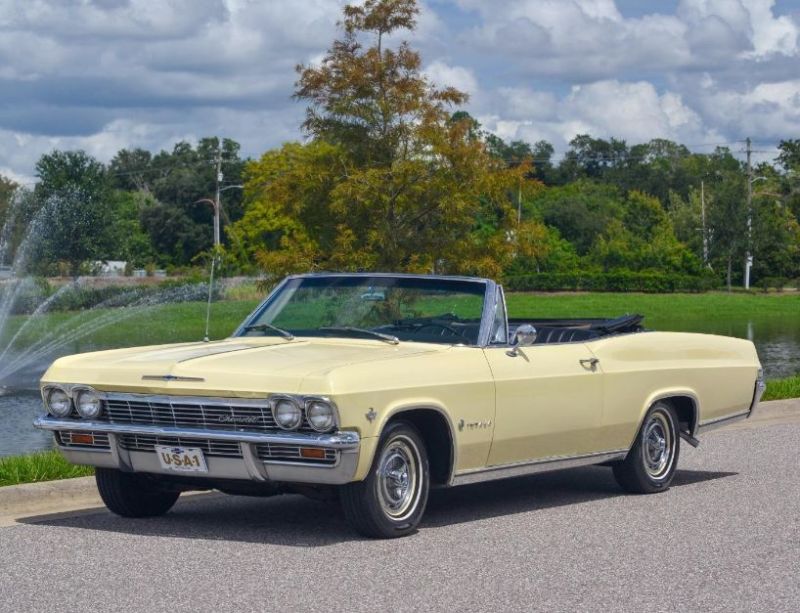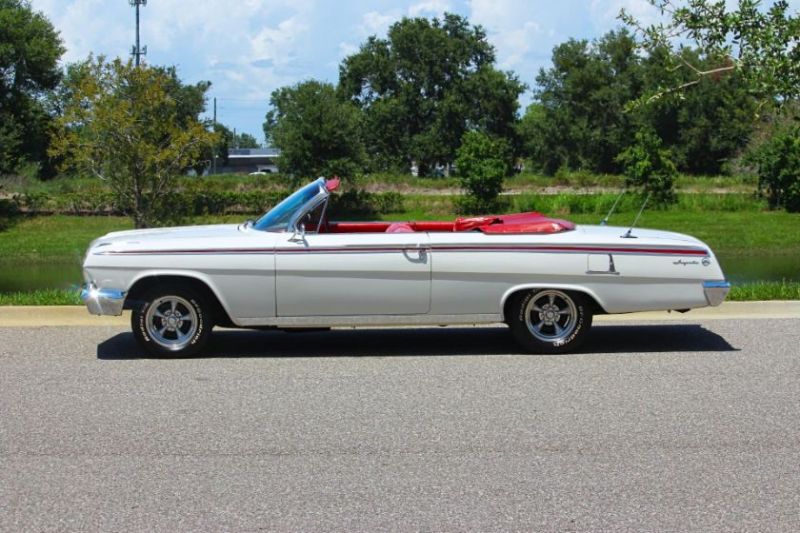
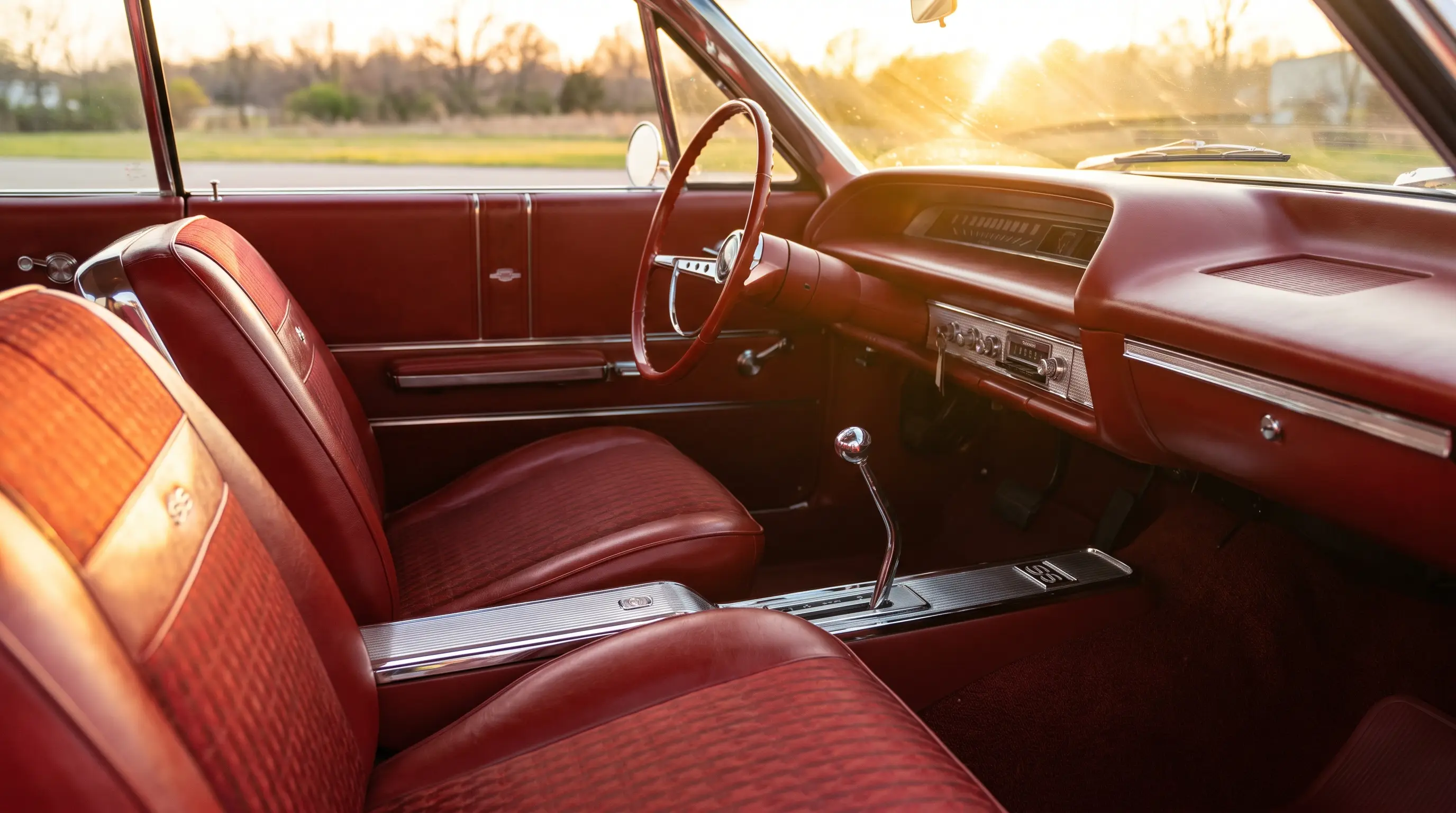
A woman told me once that she learned to drive stick on her father's Impala SS, and the thing she remembers most is not the shifter itself but her hand resting on the console next to it while he explained the clutch. The bucket seats and center console in the Impala SS were not just a styling choice. For a lot of families, they were the actual shape of a memory.
She was not a car person, by her own description. She had no interest in horsepower figures or trim codes. What she remembered, decades later, was a piece of plastic between two seats and her father's hand nearby. That is the kind of detail a spec sheet never captures, and it is exactly what this story is about.
Where the bucket seats came from
Chevrolet launched the Impala Super Sport package in 1961 with a standard bench seat and only a small stainless trim piece serving as a console on manual transmission cars. The full bucket seat and console layout most people picture arrived with the 1962 SS package, borrowing a layout more associated with sportier imports and the Corvette than with a full-size family sedan. The idea was to give the Impala SS a cockpit feeling that separated it visually and physically from the standard bench seat Impala sitting next to it in the showroom. Two individual seats up front, divided by a console housing the shifter and sometimes additional gauges or storage, turned the front of the car into something that felt driver focused even though the back seat behind it still carried a full family.
The console itself grew more elaborate as the decade went on, picking up additional trim, sometimes a floor mounted shifter for four speed manual cars, and increasingly integrated switchgear. Early consoles were simpler, mostly a divider with some storage. Later ones felt more like a designed component of the car rather than an accessory bolted between two seats.
How the seats actually felt
Impala SS bucket seats were upholstered in vinyl on most trims, with certain years and packages offering cloth inserts. They sat a little more upright and a little more defined at the sides than a bench seat, though nothing close to the aggressive bolstering that later performance cars would adopt. This was still a comfort focused seat first, styled to look sportier than it necessarily drove. That distinction matters for anyone restoring one today expecting a race seat and finding something closer to a well dressed lounge chair with better lateral definition than the bench it replaced.
Color choices for the bucket seats followed the broader Impala SS interior palette, running through reds, blues, and two tone combinations that showed up prominently in period advertising, precisely because the divided front seats photographed so well and communicated the SS package's personality at a glance, even in a still image.
"The console is such a small piece of the car, just some plastic and a shifter housing, and yet people remember exactly where their hand sat on it decades later. That tells you something about how much a car's smallest details actually shape the memory of it."
- Nora Beckett
The console as a family object
Because the bucket seat and console layout put a barrier between driver and front passenger, it changed small family rituals inside the car in ways nobody designed on purpose. A kid learning to shift gears sat closer to the console than to either parent. A passenger reaching for the radio touched the same piece of trim thousands of times over years of ownership. None of that shows up in a spec sheet, but it is part of why these interiors get such a strong reaction from people who actually grew up riding in one. For the origin of the SS badge these seats were built around, read the background on how the whole package came together before the bucket seats were ever part of the conversation.
Small details that changed year to year
The console's shape and the seat's exact bolster profile were not fixed across the entire run of Impala SS production. Early consoles from the first couple years of the package were narrower and simpler, offering mostly storage and shifter housing without much additional switchgear. Later consoles picked up ashtrays, additional trim panels, and in some years a padded top surface that changed how it felt under a resting arm during a long drive. Bucket seat stitching patterns also shifted, with some years favoring a simpler pleat pattern and others adding more elaborate detailing across the seatback. None of these differences are dramatic on their own, but anyone restoring a specific model year needs to match the correct console and seat details rather than assuming one universal Impala SS interior existed across the whole decade.
Fabric and vinyl grain patterns also varied by year and by which factory produced the interior components, since Chevrolet sourced trim from multiple suppliers depending on plant location. A careful restoration accounts for this rather than ordering generic reproduction upholstery and hoping it matches closely enough to pass casual inspection.
What survives today
Original console assemblies and correct bucket seat upholstery are harder to find intact than most exterior trim, since consoles took daily wear from elbows, hands, and decades of use in a way body panels simply did not. Restorers sourcing reproduction seat covers and console components have more options now than a decade ago, though matching the exact stitching pattern and vinyl grain to a specific model year still takes careful research rather than a generic catalog order. Anyone who wants to trace how this specific detail evolved through 1964 and beyond should keep exploring that chapter of the SS story, since the console and seat design kept changing year over year rather than settling into one fixed look.
For those ready to sit in one for themselves, there is a classic Impala for sale worth a look, whether the goal is a full SS build with the bucket seats intact or a project car needing the console and upholstery restored from scratch.
The Impala SS bucket seats and console were a small design decision that turned into something much bigger than upholstery. They gave a full-size family car a sense of place for the driver, and for a lot of people, that sense of place turned into one of the clearest memories they have of riding in a car that technically belonged to someone else.
That is the part worth remembering when a console gets replaced with a reproduction piece during a restoration. The new part will fit correctly and look right in photographs, but it will not carry the same worn edge where a hand rested for twenty years. A restoration can recreate the shape of a memory. It cannot recreate the memory itself, and the best restorers I know understand that distinction and treat original components with real care because of it.
Sources and notes
- Barn Finds: 409/4-Speed, 1961 Chevrolet Impala SS Bubble Top
- Auto Barn Classic Cars: 1961 Chevrolet Impala SS
- Southeast Chevy Parts: 1962-1964 Chevy Impala Super Sport Bucket Seats and Tracks
- Eckler's: Console, Impala Super Sport 1964
- ClassicCars.com Journal: Pick of the Day, 1966 Chevrolet Impala SS
- Wikipedia: Chevrolet Impala