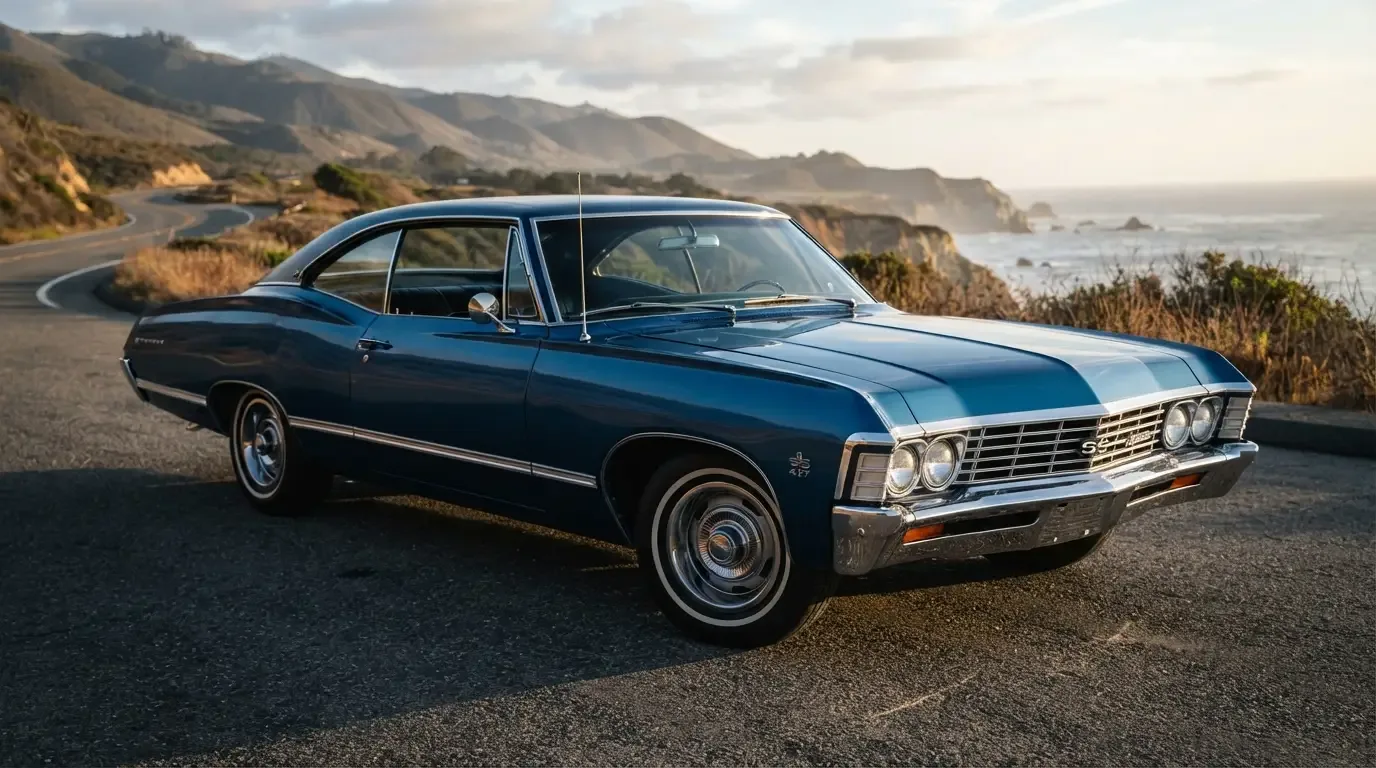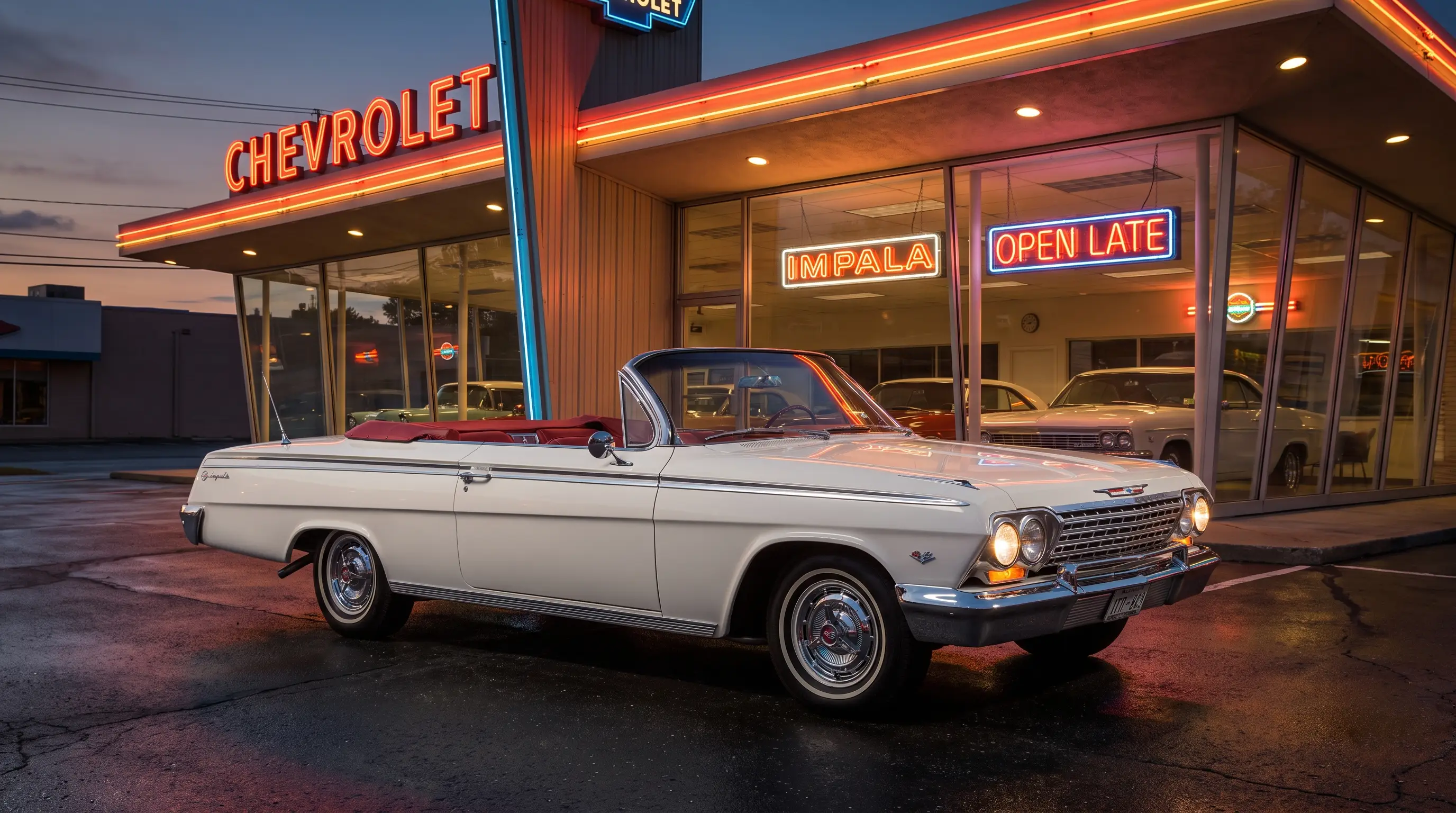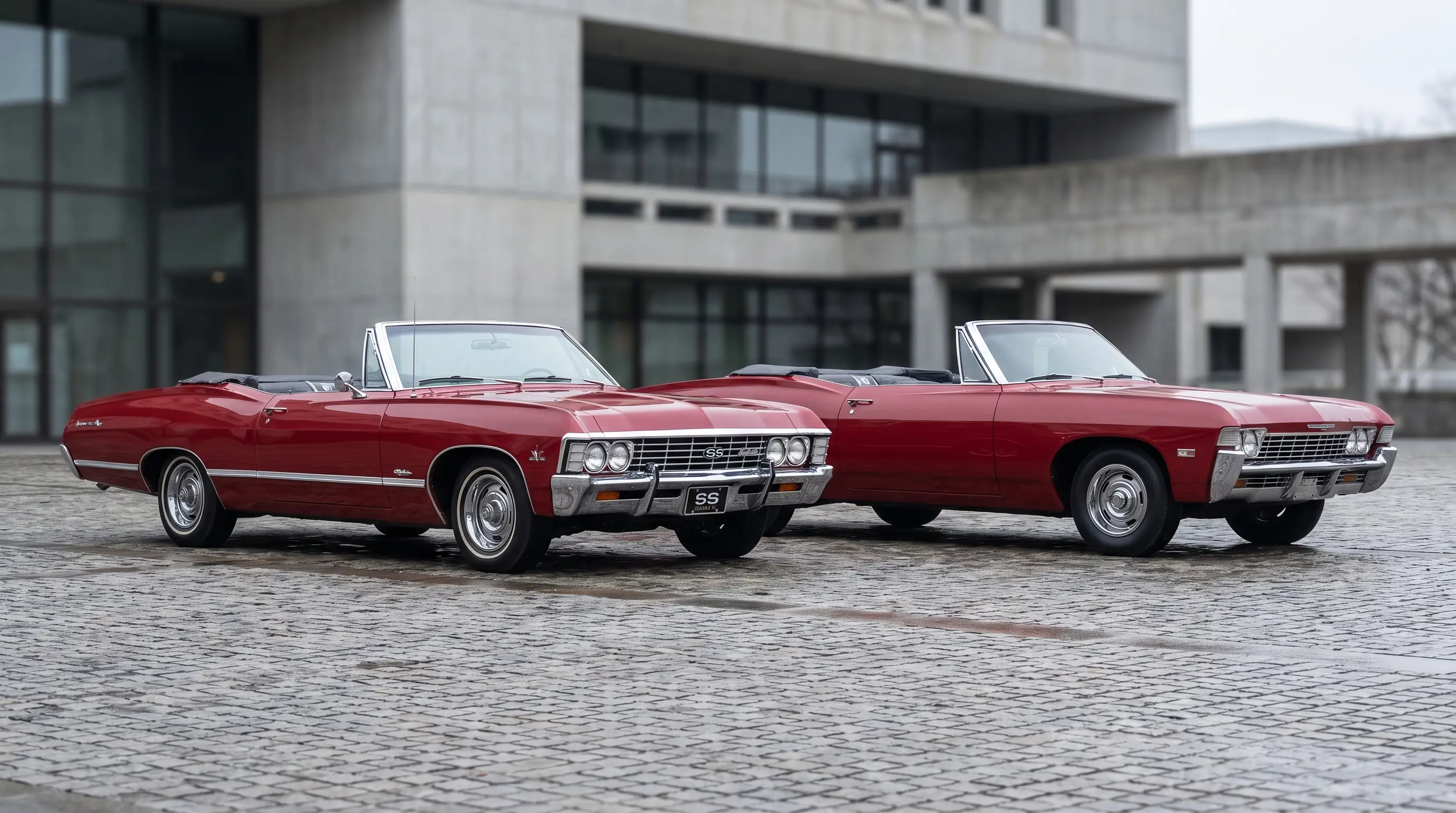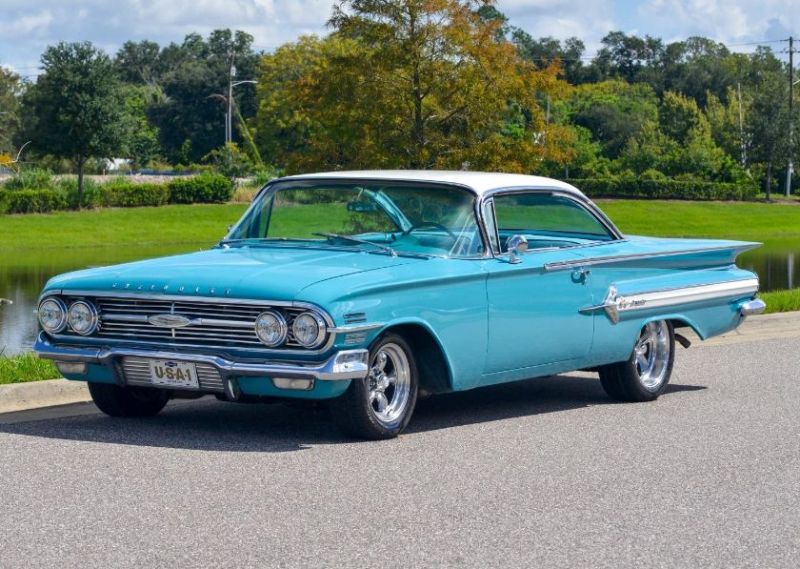
Numbers do not lie about popularity the way marketing copy sometimes does, and the impala ss production numbers across its run tell a story that period brochures never quite admitted: the Super Sport's fortunes rose and fell sharply from one year to the next, shaped less by the badge itself than by what else Chevrolet was selling at the same time.
A slow, uncertain start
The first Impala SS in 1961 was barely a blip on Chevrolet's production sheets. Introduced mid-year as an option rather than planned from the start, it found only about 453 buyers by factory count, a number so small that surviving 1961 SS cars are treated today as genuine rarities rather than merely old cars. Chevrolet was clearly testing the waters rather than committing to a strategy, and the low count reflects that hesitation directly.
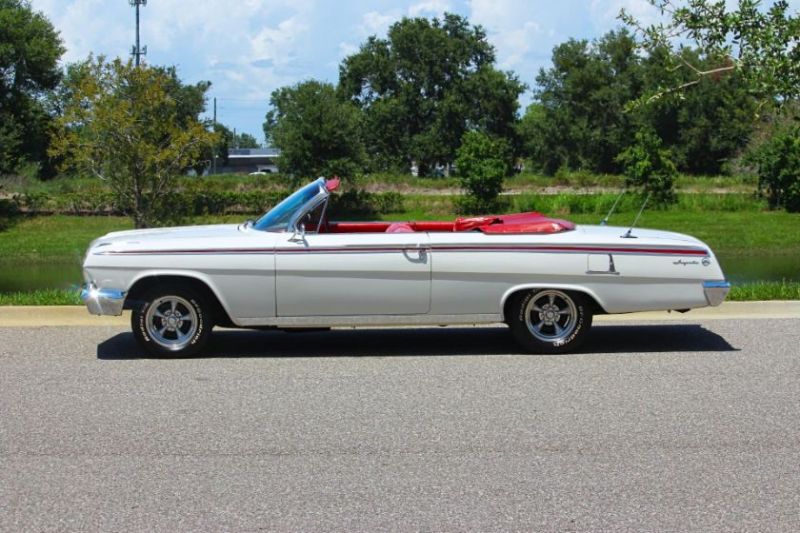
That changed almost immediately once the SS became a full-year, properly marketed option. 1962 production jumped to 99,311 units, an enormous swing that shows how much demand had been sitting untapped once dealers could actually order and sell the package from day one of the model year rather than explaining it as an afterthought.
The mid-1960s peak
Production kept climbing through the middle of the decade. The 1963 model year pushed past the 1962 figures to 153,271 units, and 1964 climbed higher still to 185,325 units, numbers that reflect the SS at its broadest appeal, sold across a wide spread of engine choices from mild six-cylinder cars to serious 409-powered examples. Buyers who wanted the SS look without the SS performance could have it, and that flexibility is likely a major reason the numbers grew as much as they did.
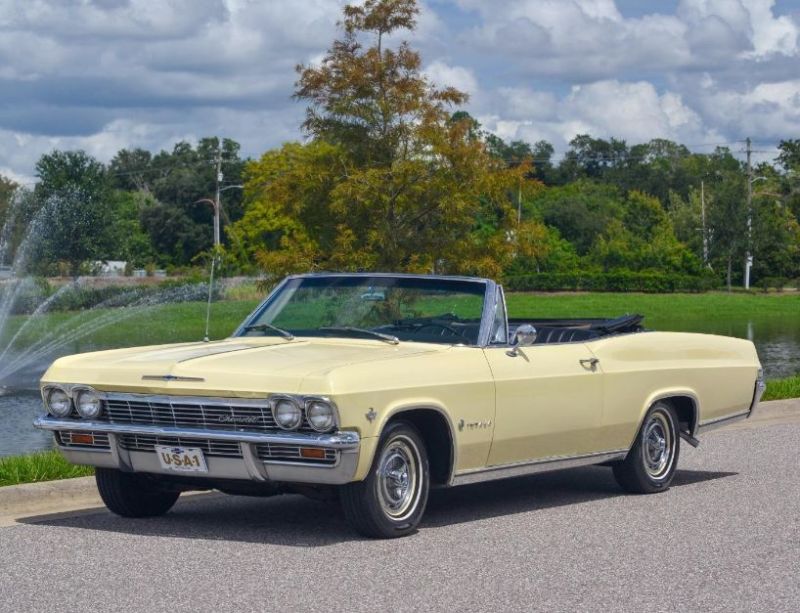
The real peak came with the 1965 restyle, when the Impala SS became available across an entirely redesigned body and, in a single model year, sold 243,114 units. That figure represents the high point of the entire SS production run, full stop, a number the badge would never approach again in any later year.
| Model Year | Approximate SS Production |
|---|---|
| 1961 | Approximately 453 |
| 1962 | 99,311 |
| 1963 | 153,271 |
| 1964 | 185,325 |
| 1965 | 243,114 |
| 1966 | 119,314 |
| 1967 (SS 427 only) | 2,124 |
The collapse after 1966
What happened after 1965 is the more revealing part of the story. 1966 production dropped to 119,314 units, still substantial but clearly declining, and 1967 fell off a cliff once Chevrolet narrowed the SS down to the 427-only configuration, with production landing at 2,124 units for that year. That is not a gentle decline. That is a badge that went from selling in the hundreds of thousands to selling in the low thousands within roughly two model years.
The reasons behind that collapse have more to do with Chevrolet's own lineup than with any weakness in the SS concept itself. By the mid-1960s, buyers who wanted a quick Chevrolet increasingly had smaller, cheaper, lighter options to choose from, first the Chevelle SS 396 and then the Camaro SS once it arrived. A full-size car, however well equipped, was competing against Chevrolet's own smaller performance models for the same customer, and the smaller cars were winning that fight decisively. The SS badge on a full-size Impala started to look like an expensive way to get performance that a cheaper, lighter Chevrolet could deliver just as well.
Reading these numbers correctly
It is worth being careful about what these figures actually mean when applied to a specific car. Total SS production for a given year does not break down evenly across engine and trim combinations, meaning a six-cylinder SS from a high-production year like 1965 can be considerably more common, and therefore less valuable, than a 409 or 427-powered car from a lower-production year. Raw yearly totals are a starting point for understanding the badge's overall popularity, not a direct guide to any individual car's rarity or worth.
This distinction trips up plenty of buyers who assume a low total production number automatically means a high price, or the reverse. The engine and trim combination underneath the SS badge usually matters more to value than the headline yearly figure does, which is exactly why documentation and cowl tag verification remain more important than production statistics when it comes to actually pricing a specific car.
"The production numbers tell you when the SS was popular. They do not tell you what any individual car under that badge is actually worth. Those are two completely different questions, and conflating them is one of the most common mistakes I see buyers make."
- Sarah Whitfield
What the production curve tells us about the SS overall
Taken together, the numbers describe a badge that rose fast, peaked hard in 1965, and then collapsed just as quickly once Chevrolet's own smaller cars made a full-size performance option look redundant. That arc, rapid rise, sharp peak, steep fall, is unusual even by the standards of 1960s performance car history, and it is a large part of why the SS story gets told in chapters rather than as one continuous narrative. For the fuller version of that narrative, including how the badge itself changed shape across these same years, read the background for the complete arc from 1961 through the SS 427's final years.
For anyone shopping across this production history today, availability tends to track these same swings closely, meaning mid-1960s cars are generally easier to find than either the earliest 1961 examples or the final 427-only years. Anyone curious what is currently available can find a classic Impala across the full range of these production years and compare how supply and asking prices track the original sales figures.
Why survival rates complicate the picture further
Original production totals are only half the story, because survival rates vary considerably by year and were never tracked with anything like the rigor of the original sales figures. A high-production year like 1965 does not necessarily mean an equally high number of surviving cars today, since many SS Impalas from that era were driven hard, sold used repeatedly, and eventually scrapped rather than preserved. Meanwhile the low-production final years, precisely because so few were built, sometimes saw better preservation rates simply because owners recognized early on that they had something scarce.
None of this is captured in a simple production chart, which is exactly why serious buyers treat the numbers above as a starting point for understanding the SS story rather than a complete pricing guide. A registry search, a knowledgeable appraiser, or a marque-specific club can usually tell you far more about how many genuine examples of a specific year and engine combination actually survive than the original factory totals ever will on their own.